

 Español
Content
- 1 What Are the Different Types of Luggage Handles?
- 2 The Main Types of Luggage Handles
- 3 Handle Materials: What They Mean for Durability
- 4 What Makes a Good Telescoping Handle System
- 5 Common Handle Problems and How to Address Them
- 6 Handle Features Worth Paying For
- 7 Choosing the Right Handle Type for Your Travel Style
What Are the Different Types of Luggage Handles?
When you're shopping for luggage or trying to fix a broken bag, the handle is rarely the first thing people think about — yet it determines how comfortable and practical your travel experience will be. Luggage handles come in several distinct types, each designed for a specific purpose and style of bag. Understanding the differences can help you make better purchasing decisions and know what to look for when a handle needs replacing.
The Main Types of Luggage Handles
Telescoping (Retractable) Handles
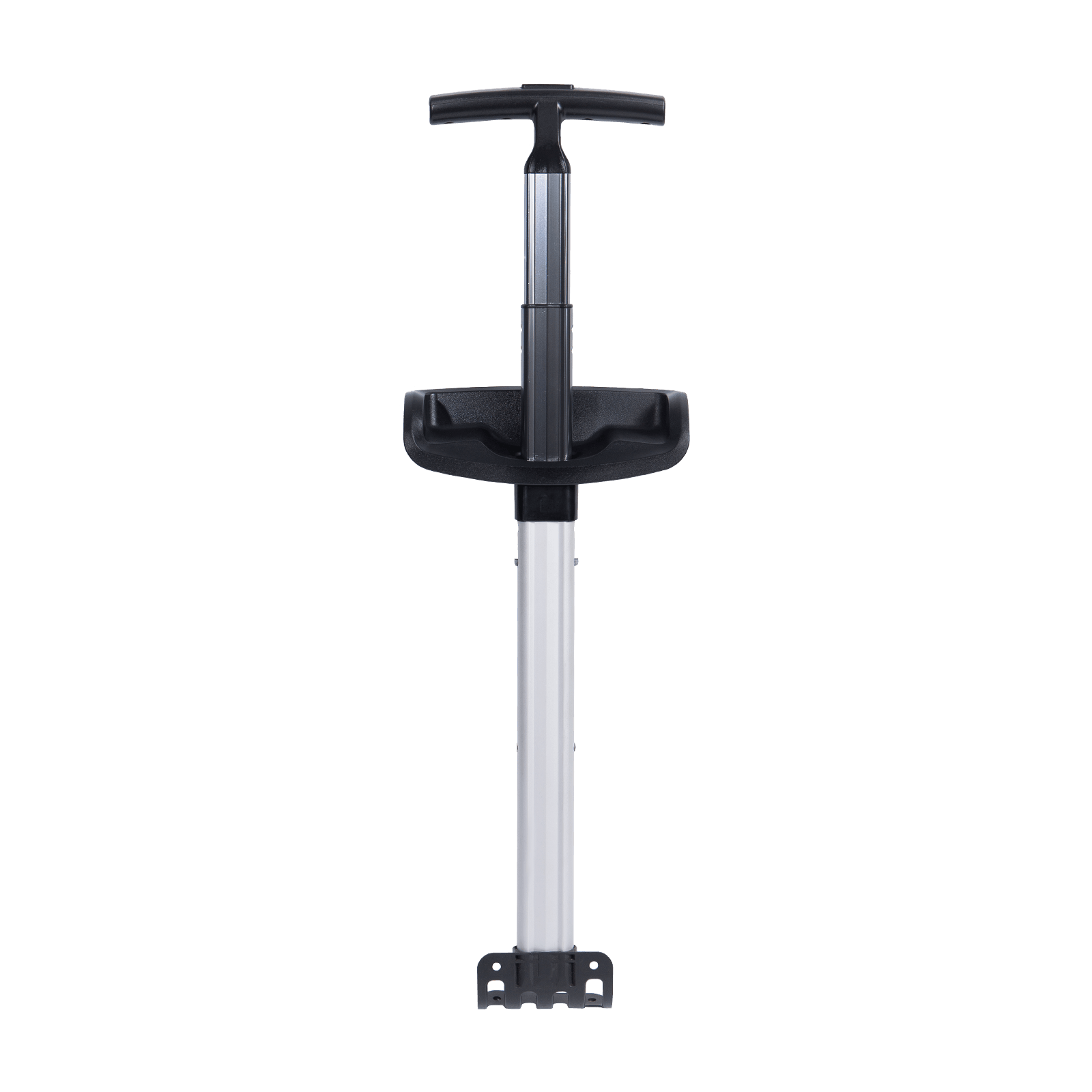
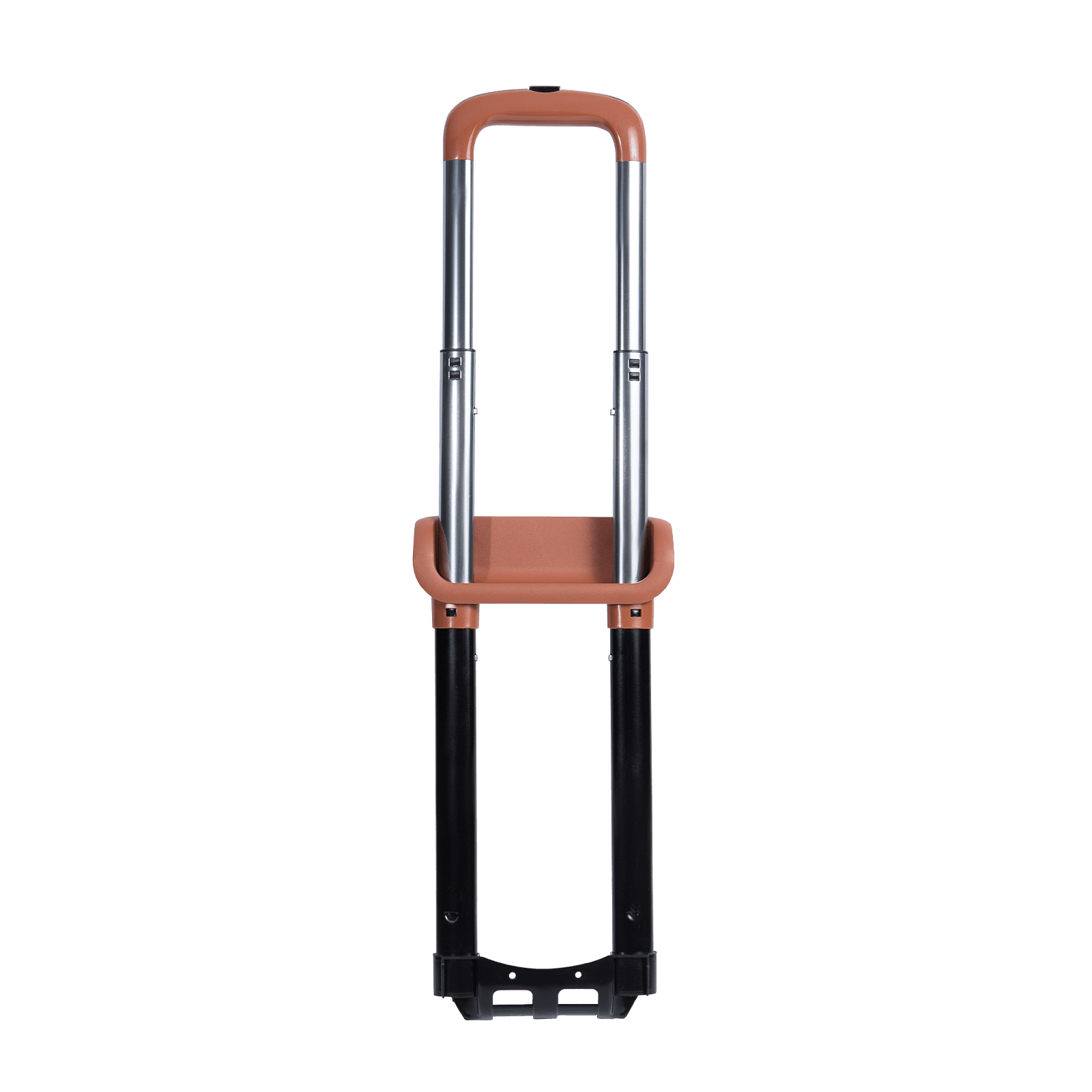
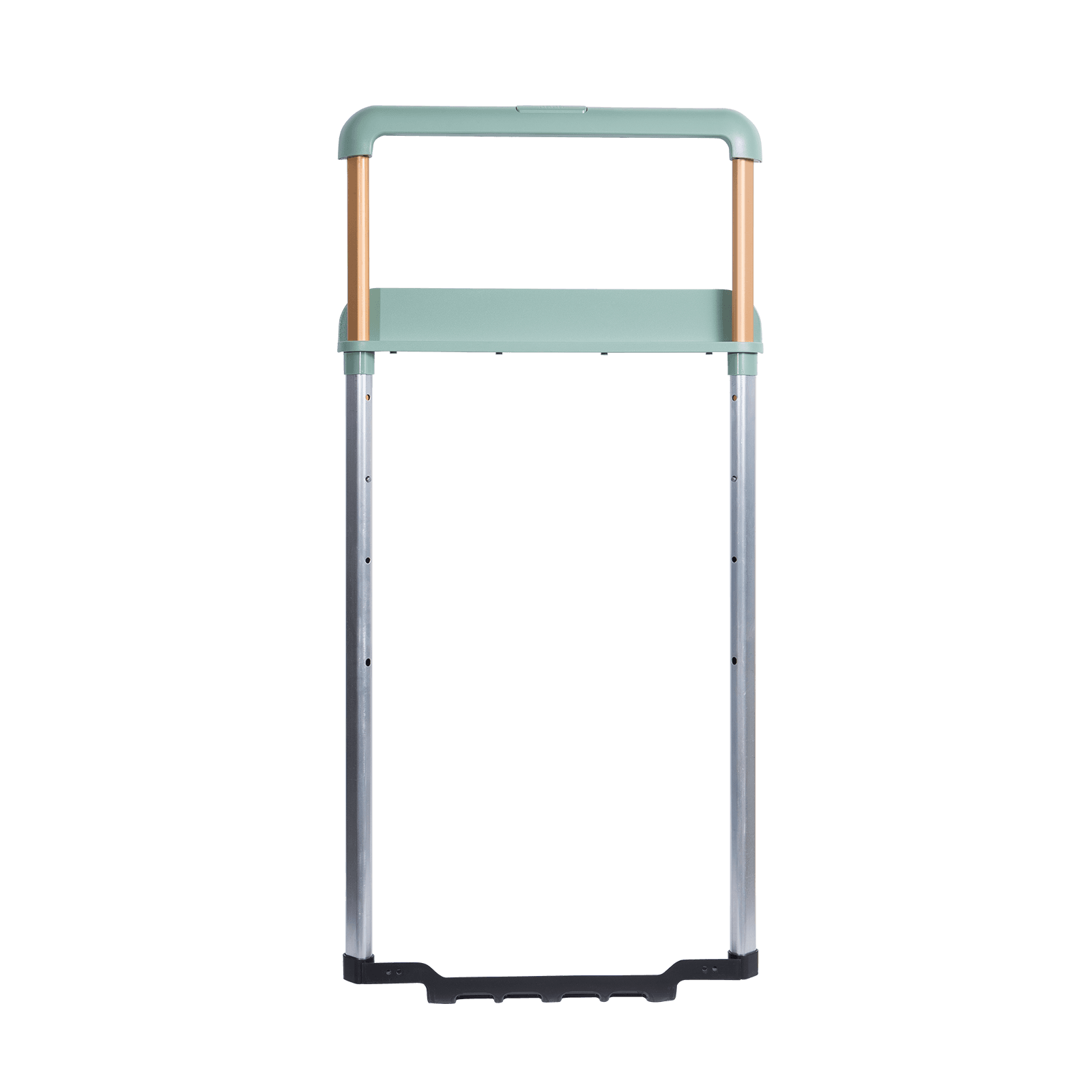
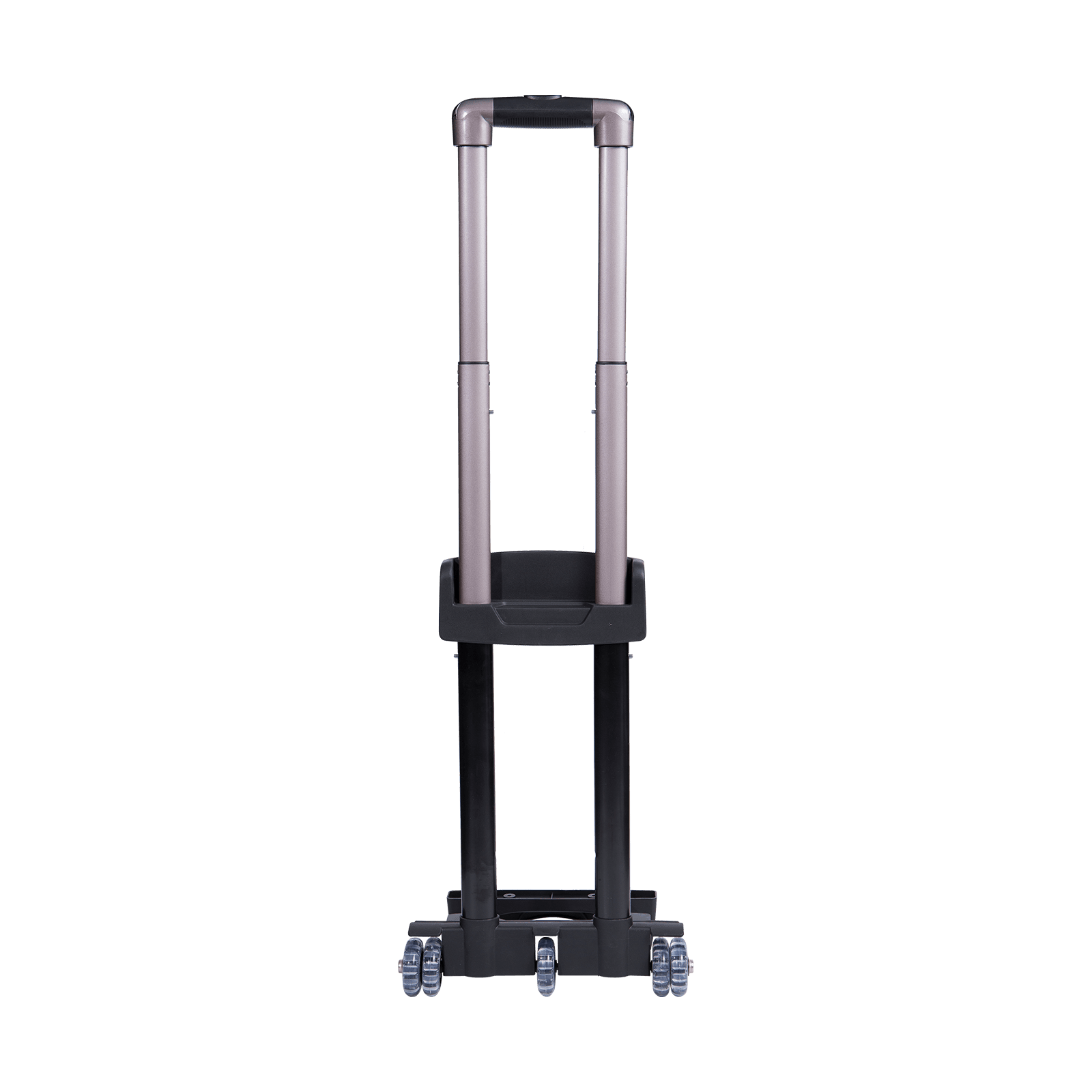
Telescoping handles are the tall, extendable handles found on rolling suitcases and hard-shell luggage. They slide upward from a housing built into the back panel of the bag and lock into one or more height positions. Most telescoping handles extend to between 38 and 45 inches, with airline-spec models designed to suit travelers of average height when the bag is rolling upright on its wheels.
Higher-quality luggage features aluminum or aircraft-grade alloy telescoping handles with a smooth push-button release mechanism. Budget models often use plastic housing and a single locking position, which tends to wear out faster. A good telescoping handle system uses two parallel tubes rather than a single central rod — this dual-tube design reduces wobbling and distributes load more evenly across the frame.
Top Carry Handles
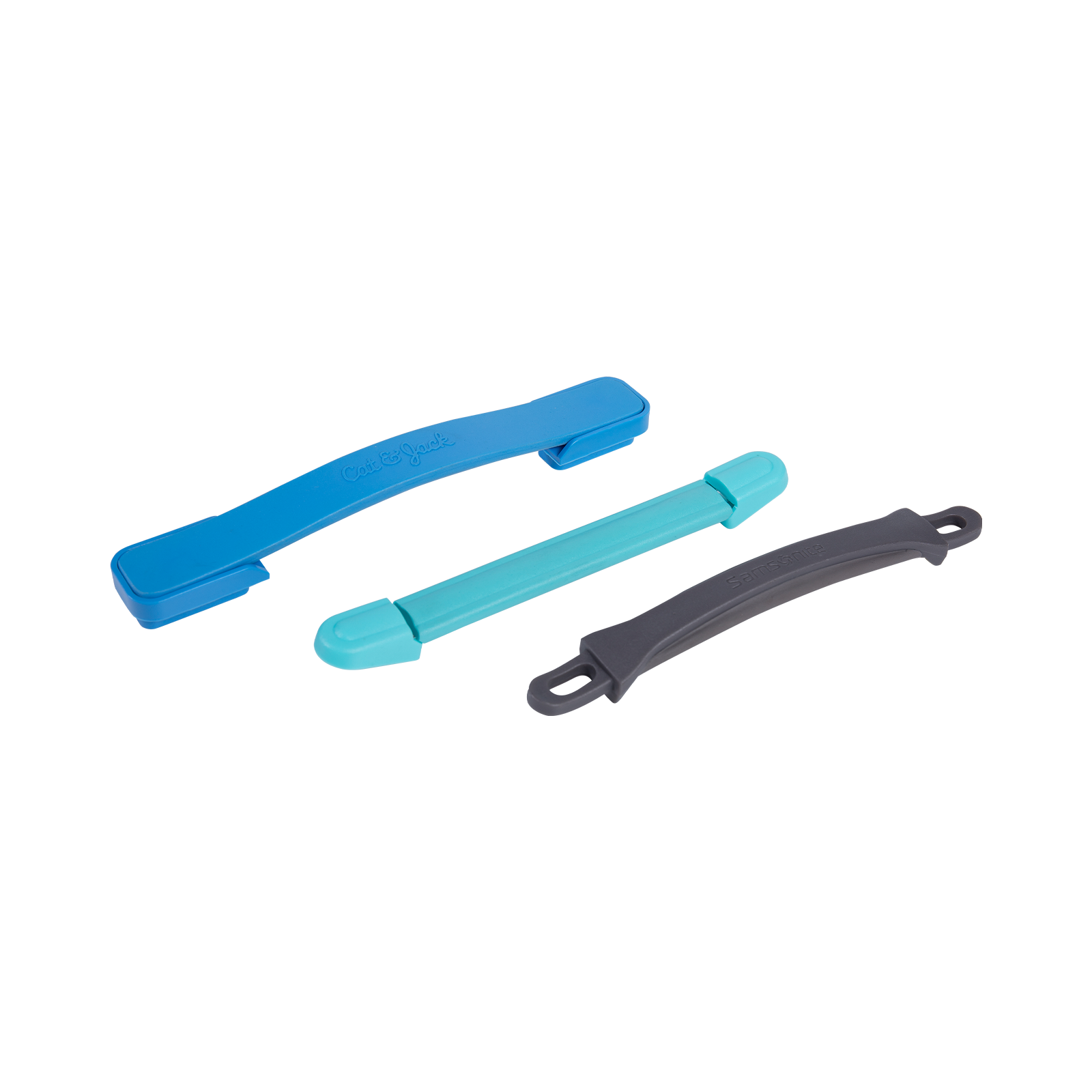
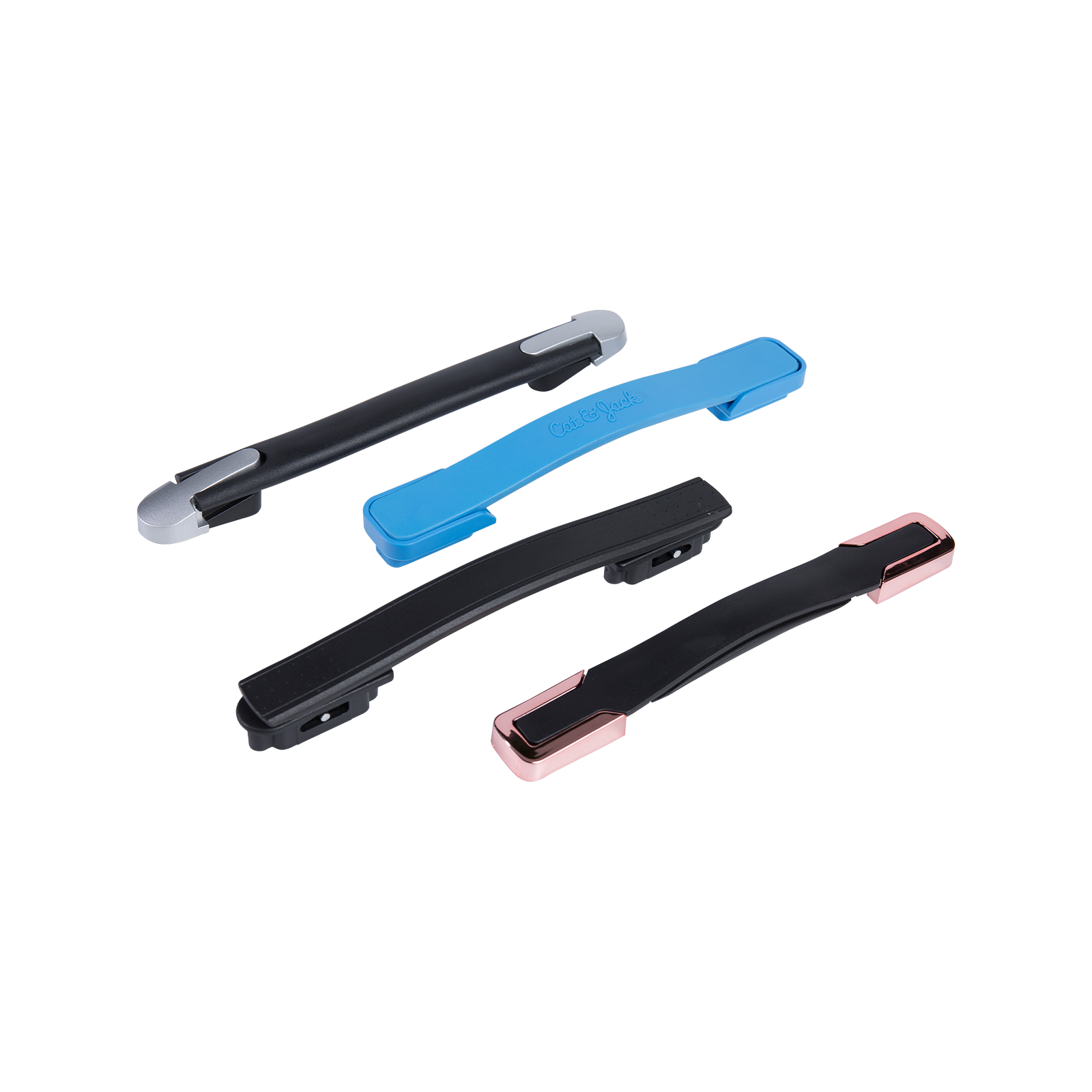
Every piece of luggage, whether a suitcase, duffel, or backpack, typically has at least one top carry handle. This is the short, fixed handle you grab when lifting the bag onto an overhead bin, a car trunk, or a baggage scale. Top carry handles are usually made from webbing, leather, faux leather, or molded rubberized material, and they're stitched or riveted directly to the bag's body.
The quality of a top handle is easy to overlook until it fails. Reinforced stitching and a padded grip are signs of a well-made handle. Some premium suitcases also include a side carry handle, which makes it easier to pull the bag off a conveyor belt or turn it on its side for storage in tight spaces.
Shoulder Strap Handles
Shoulder straps are detachable or built-in straps that allow a bag to be worn across the body or over one shoulder. They're most common on duffel bags, messenger bags, and underseat carry-on bags. A quality shoulder strap will include a padded section at the point of contact with the shoulder, an adjustable length slider, and metal swivel clips that rotate freely to prevent twisting.
On luggage designed for both rolling and carrying, the shoulder strap often attaches to anchor loops positioned mid-bag to keep the weight balanced when carried. The strap itself is typically nylon webbing with a polyester pad insert. Removable straps are a practical feature — they prevent the strap from getting tangled in conveyor belts or caught in overhead bin doors.
Grab Handles on Backpacks and Carry-Ons
Backpack-style luggage and hybrid carry-ons often feature multiple grab handles positioned on the top, side, or front panel of the bag. These short loop handles are meant to make it easier to pull the bag from a shelf, hand it to a flight attendant, or carry it short distances without using the full shoulder harness. They're typically made from the same material as the bag body or from a contrasting webbing strap.
Handle Materials: What They Mean for Durability
The material of a handle affects not just how long it lasts, but how it feels during extended use. Here's a quick comparison of common handle materials:
| Material | Durability | Comfort | Common Use |
| Aluminum alloy | Very high | Medium | Telescoping handles |
| ABS / polycarbonate plastic | Medium | Low | Budget suitcase handles |
| Rubber / EVA foam | Medium | High | Top carry handles, grips |
| Genuine leather | High | Very high | Premium duffel & top handles |
| Nylon webbing | High | Medium | Shoulder straps, grab handles |
What Makes a Good Telescoping Handle System
Since the telescoping handle is the most complex and most commonly used handle type, it's worth understanding what separates a reliable system from one likely to fail mid-trip. A premium telescoping handle system has several identifiable features:
- Dual tubes rather than a single rod, which prevents lateral wobbling when the bag is in motion
- Multiple locking height positions (at minimum two), accommodating both taller and shorter users
- A push-button release mechanism rather than a squeeze-and-pull design, which is more reliable over time
- An ergonomic top grip that's wide enough to hold comfortably without pressing against the knuckles
- A housing that's integrated into the bag frame, not simply glued or stapled to the exterior shell
Brands like Rimowa, Samsonite, and Travelpro are widely cited for their handle engineering, but even mid-range luggage from brands like American Tourister or Delsey can have solid handle systems if you check these details before buying.
Common Handle Problems and How to Address Them
Telescoping Handle Won't Lock or Retract
This is usually caused by a worn push-button mechanism or a bent tube. Pressing the button while applying slight inward pressure on the tubes sometimes reseats the locking pin. If the handle has been bent by baggage handlers, straightening it at home is rarely a lasting fix — replacing the handle unit is more reliable. Many luggage brands sell replacement handle assemblies, and repair shops can often install them in under an hour.
Fraying or Torn Carry Handle
Webbing and fabric handles fray at the attachment points first, where stitching is under the most repeated stress. If the stitching is coming loose but the material itself is intact, a cobbler or luggage repair service can reinforce it with bar-tack stitching. If the handle itself has torn through, it needs to be replaced entirely. Replacement top handles are available online for most popular bag brands and can be hand-sewn or riveted back on.
Shoulder Strap Clip Failure
The metal swivel clips on shoulder straps fail when the spring mechanism inside the clip wears down or when the clip is repeatedly forced open under load. Replacing the clip is straightforward — hardware stores and online bag-making suppliers sell swivel snap hooks in standard sizes (typically 1-inch or 1.5-inch width) for under a few euros. You'll need to unthread the webbing from the old clip and thread it through the new one, then secure the end with a strap slider or box stitch.
Handle Features Worth Paying For
Not every premium feature is worth the added cost, but a few handle upgrades genuinely improve the travel experience:
- 360-degree swivel grip: Some telescoping handles have a grip that rotates, making it more comfortable to pull a bag while walking at an angle, which is how most people naturally pull rolling luggage.
- Soft-touch overmolding: A rubberized coating on the handle grip reduces vibration transfer from uneven floors and is more comfortable in cold weather than bare metal or hard plastic.
- Suitcase stacking slot: Some top handles are designed as a loop or slot that allows a second, smaller bag to hang securely from the telescoping handle. This is especially useful when traveling with both a checked bag and a carry-on.
- Hidden carry handles: On minimalist hard-shell designs, carry handles are sometimes recessed flush with the shell surface to reduce snag points. These are purely aesthetic in most cases, but they do prevent the handle from getting caught in overhead bins.
Choosing the Right Handle Type for Your Travel Style
The right handle type depends entirely on how you travel. For frequent fliers who navigate airports regularly, a smooth dual-tube telescoping handle with a comfortable grip is the most important feature to prioritize. For road trippers or those who mostly carry bags to and from a car, the quality of the top carry handle and the strength of the shoulder strap matter more than the rolling mechanism.
Travelers who pack light and prefer underseat bags benefit most from ergonomic grab handles positioned on multiple sides of the bag, since these bags are often lifted and turned in tight spaces. Business travelers who stack a laptop bag on top of rolling luggage should look specifically for a suitcase with a designed stacking strap or pass-through sleeve on the telescoping handle housing.
Understanding the handle systems on your luggage — and knowing how to evaluate them before you buy — turns what seems like a minor feature into one of the most practical purchase criteria you can use. A handle that lasts the life of the bag is worth every extra bit of attention it gets at the shop.