

 Español
Content
- 1 Understanding the Luggage Pull Rod and Its Role in Your Suitcase
- 2 Types of Luggage Pull Rod Systems
- 3 Materials Matter: Aluminum vs. Steel vs. Plastic
- 4 Common Pull Rod Failure Points and How to Spot Them
- 5 How to Choose the Right Pull Rod When Buying New Luggage
- 6 Replacing or Repairing a Damaged Pull Rod
Understanding the Luggage Pull Rod and Its Role in Your Suitcase
The luggage pull rod — sometimes called a telescoping handle, trolley handle, or retractable rod — is one of the most mechanically stressed components on any rolling suitcase. Every trip through an airport, hotel corridor, or cobblestone street puts repeated strain on this single assembly. Despite its importance, most travelers only think about the pull rod when it stops working: when it refuses to extend, collapses unexpectedly under weight, or wobbles so badly the suitcase becomes difficult to steer. Understanding how pull rods are designed, what separates a durable one from a fragile one, and how to evaluate them before purchase can prevent a great deal of travel frustration.
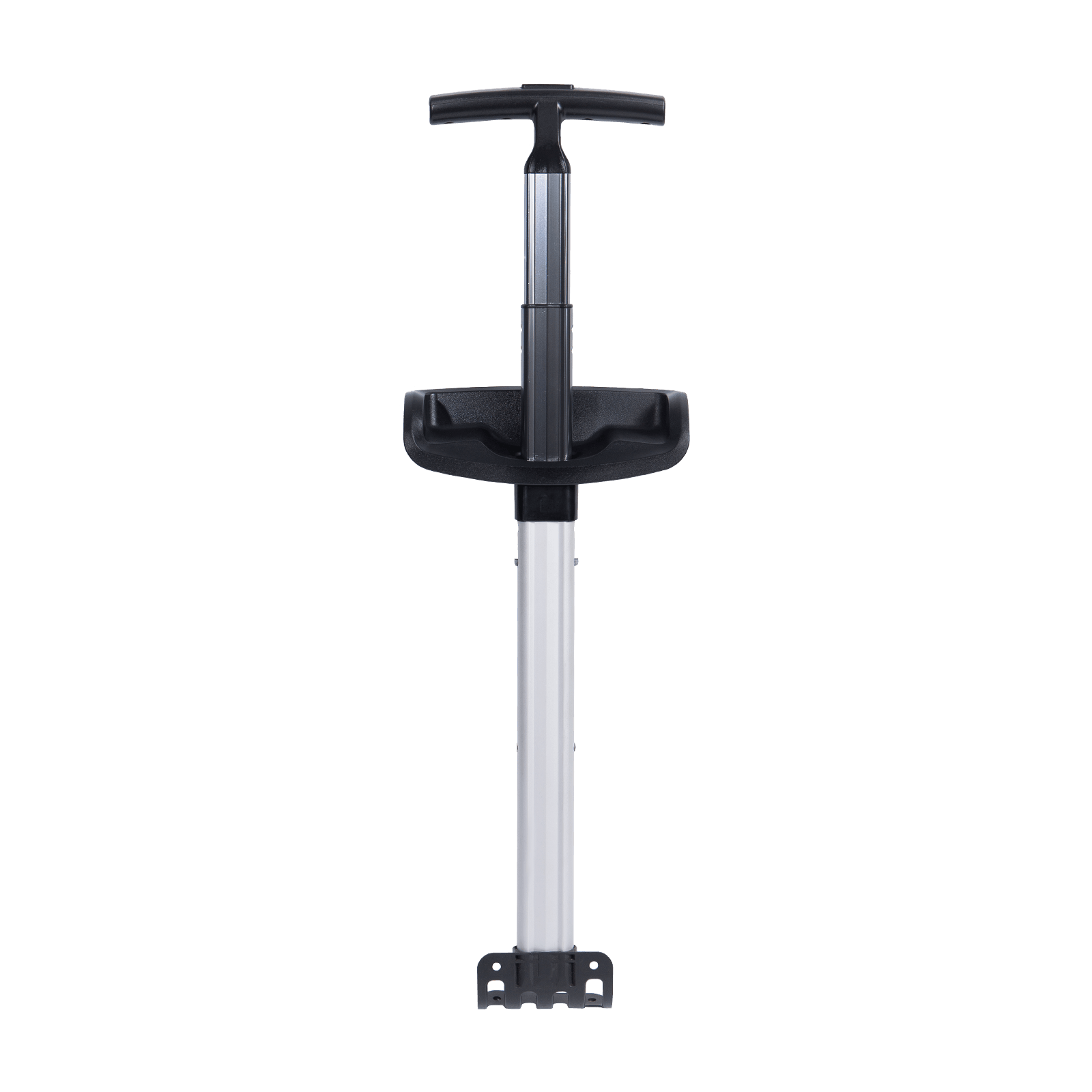
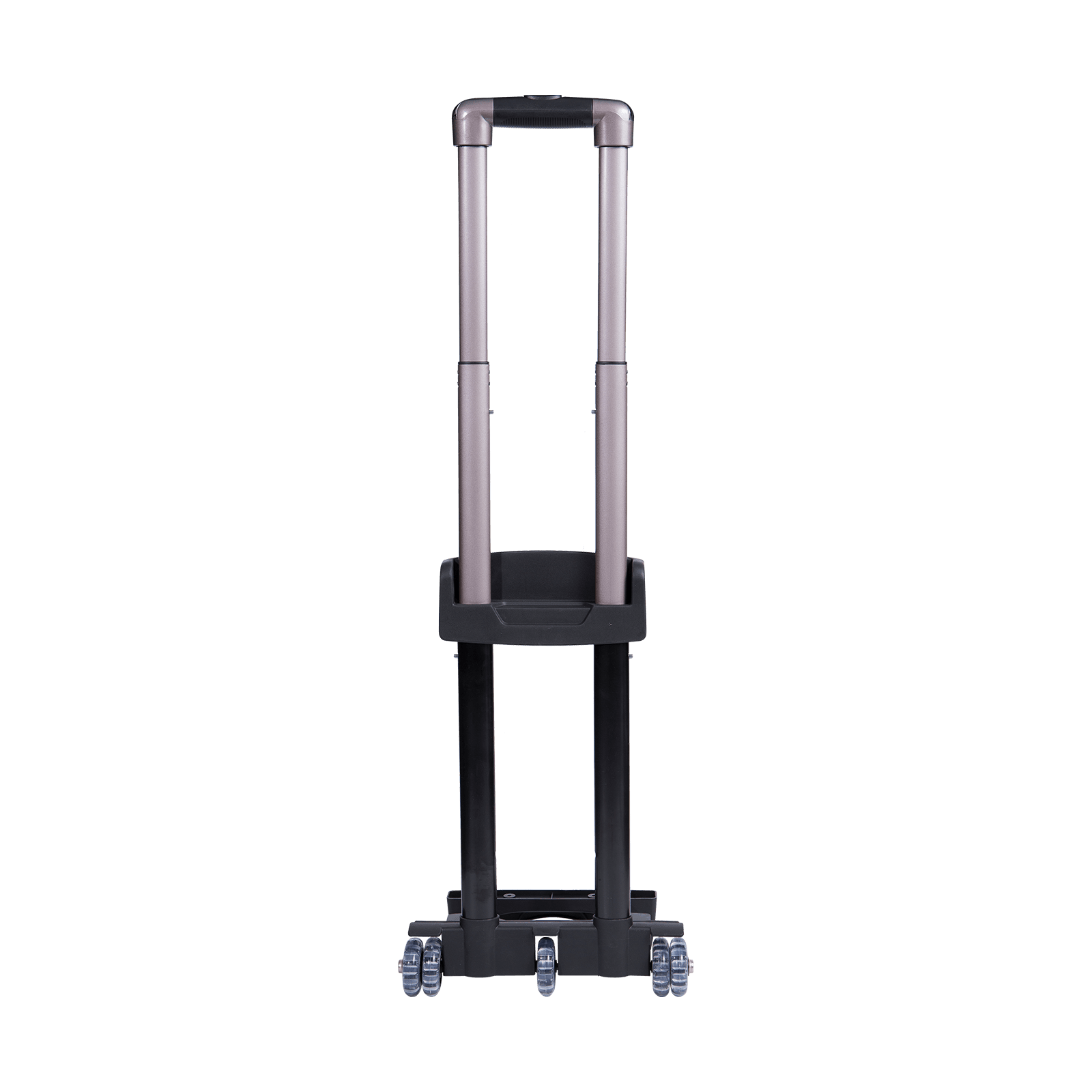
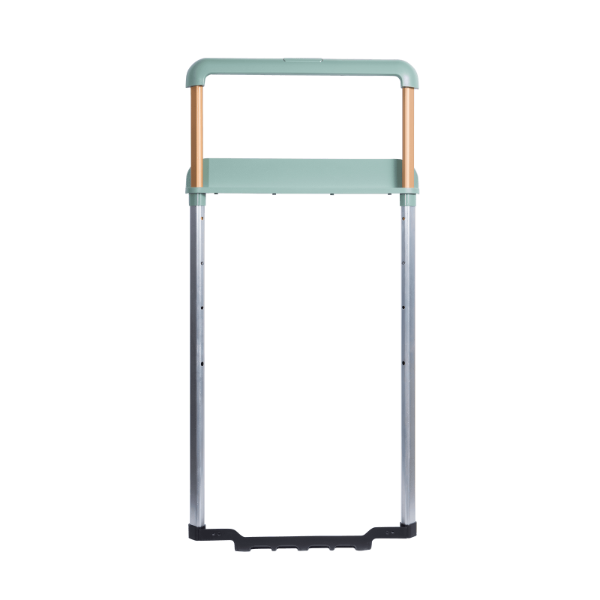
A telescoping pull rod typically consists of two or three hollow aluminum or steel tubes nested inside one another. The innermost tube is attached to a handle grip at the top and locked into position by a button-release or lever mechanism. When you press the release button, internal spring-loaded pins retract, allowing the tubes to slide freely. When you release the button at your desired height, the pins snap back into pre-drilled locking holes, fixing the rod at that extension. This simple mechanism works thousands of times across a suitcase's lifespan, which is why the quality of the locking pins, the smoothness of the tube interior, and the tolerance between nested tubes all matter significantly.
Types of Luggage Pull Rod Systems
Pull rods are not all built the same way. The differences in design directly affect usability, durability, and repairability. The three main configurations you will encounter are single-tube systems, dual-tube systems, and integrated spine systems.
Single-Tube Pull Rods
Found mostly on budget suitcases and cabin bags, single-tube handles use one central telescoping column. They are lighter and cheaper to manufacture, but they offer less lateral stability. When pulling the suitcase from the side or navigating through a crowd, a single-tube rod is more prone to flex and wobble, which over time stresses the locking mechanism and accelerates wear. For lightweight carry-on bags used occasionally, this design is often adequate, but it is rarely the right choice for frequent travelers or heavy checked luggage.
Dual-Tube Pull Rods
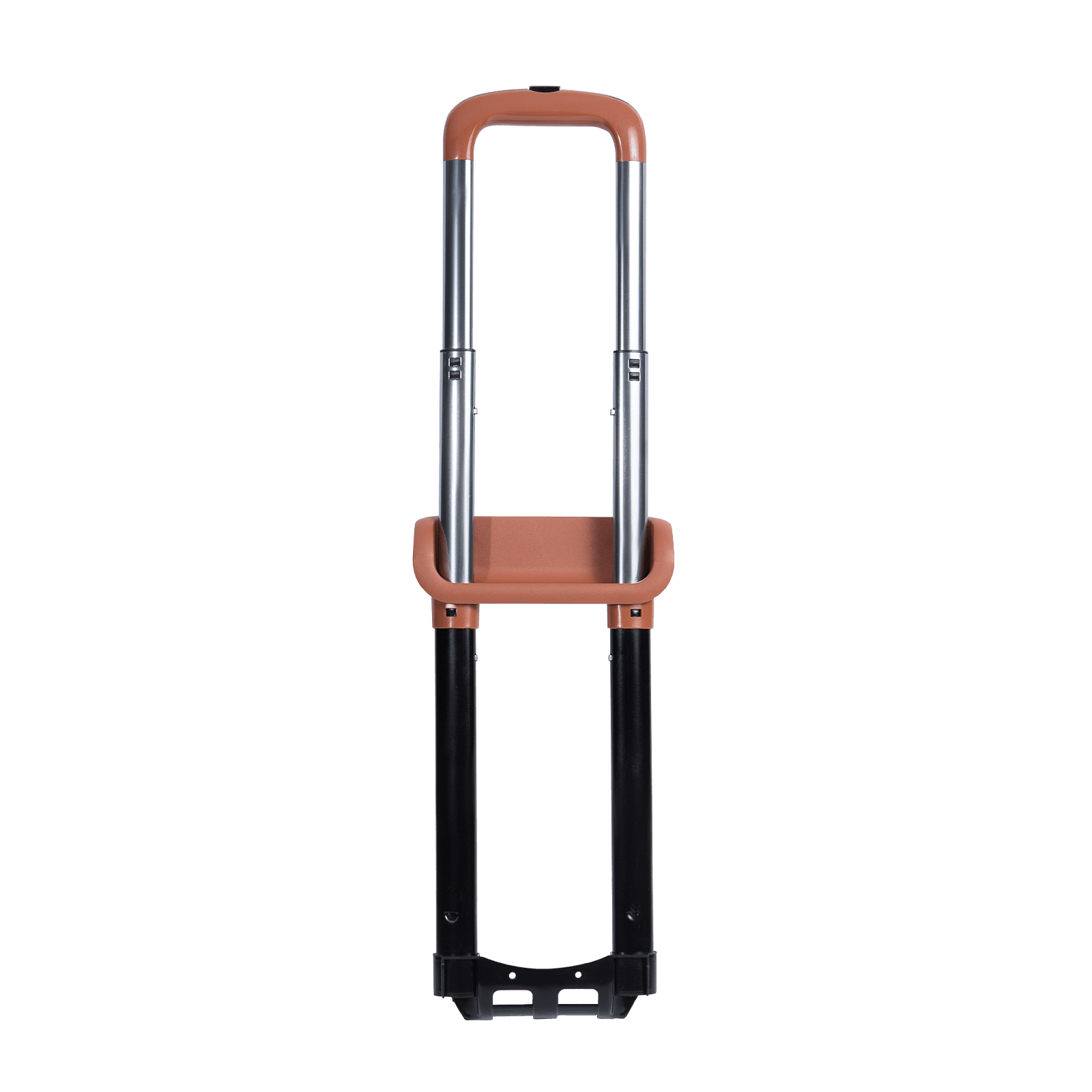
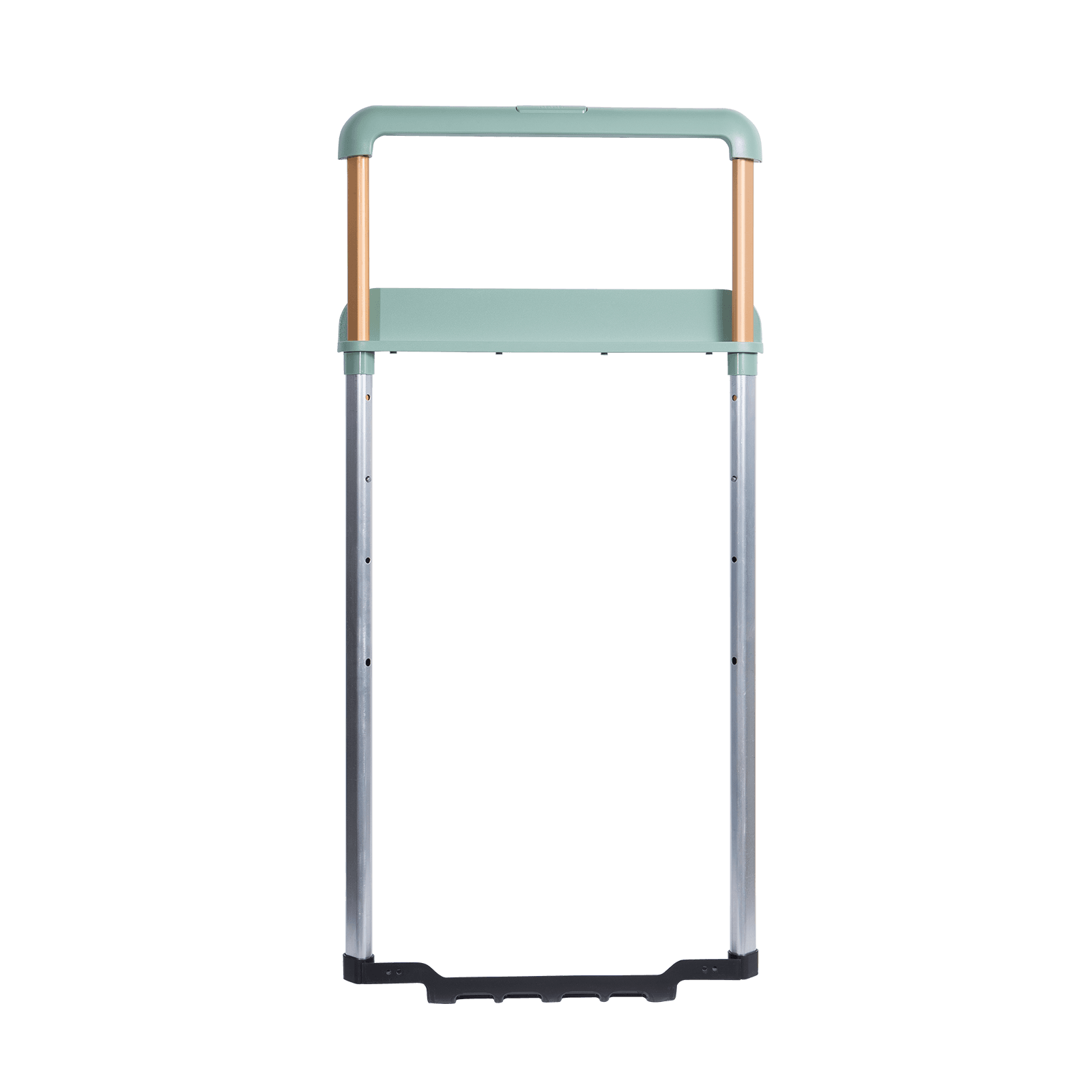
Dual-tube systems feature two parallel aluminum or stainless steel tubes connected by a crossbar handle at the top. This design distributes pulling force evenly across both tubes, dramatically reducing flex and side-load stress. Nearly all mid-range and premium hardshell suitcases — from brands like Samsonite, Rimowa, and Travelpro — use dual-tube configurations. The handle grip on a dual-tube system also tends to be wider and more ergonomic, making it easier to control the suitcase's direction with a light wrist movement rather than a full arm pull.
Integrated Spine Systems
Some premium suitcases, particularly aluminum-frame models, integrate the pull rod into the internal frame of the luggage itself. In this design, the rod tubes run inside a rigid spine that is structurally connected to the suitcase body, offering the highest possible stability and the cleanest exterior appearance. Rimowa's aluminum Classic line is the most well-known example. These systems are exceptionally durable under normal use, but repairs are significantly more complex and expensive when something does go wrong, as the mechanism is not easily accessed without disassembling the bag.
Materials Matter: Aluminum vs. Steel vs. Plastic
The material of the pull rod tubes is the single biggest determinant of long-term durability. Here is how the three most common materials compare:
| Material | Weight | Strength | Corrosion Resistance | Typical Use |
| Aluminum Alloy | Light | High | Excellent | Mid to premium suitcases |
| Stainless Steel | Heavier | Very High | Excellent | Heavy-duty and commercial bags |
| Plastic / Nylon | Very Light | Low | Good | Budget and children's luggage |
Aluminum alloy tubes strike the best balance for most travelers. They are light enough not to add unnecessary weight to your checked bag allowance, rigid enough to resist bending under normal side loads, and naturally resistant to moisture and rust. Stainless steel rods offer superior strength but add measurable weight — a consideration on airlines with strict weight limits. Plastic rods are only appropriate for very light bags, as they can crack or shear under the stress of a loaded suitcase being pulled over uneven surfaces.
Common Pull Rod Failure Points and How to Spot Them
Knowing where pull rods typically fail helps you evaluate both new luggage before purchasing and your existing bags before a trip. The most frequent failure points include:
- Worn locking pins: The spring-loaded pins that snap into the locking holes can lose tension over time, causing the rod to slip downward when weight is applied to the handle. You can test this by extending the rod fully, applying downward pressure on the handle, and checking whether it holds position without creeping.
- Bent or dented tubes: A hard impact — from baggage handlers dropping a suitcase or an overhead bin crush — can dent the outermost tube, preventing the inner tube from sliding smoothly. Run your hand along the exterior of the rod when fully extended and check for any visible deformations.
- Cracked handle grip: The handle grip is under stress every time you pull or lift the bag. Look for hairline cracks around the button release area, where the plastic housing is thinnest and most vulnerable to impact.
- Seized or stiff telescoping action: Dirt, sand, and moisture can accumulate in the gaps between tube sections, causing the rod to become stiff or completely jammed. A stiff rod that requires significant force to extend is under abnormal stress and is likely to fail soon.
- Loose base attachment: The bottom of the pull rod system is anchored inside the suitcase body. If this anchor point loosens — common in soft-shell bags where the stitching or rivets fail — the entire rod assembly will rock or shift, making steering the bag nearly impossible.
How to Choose the Right Pull Rod When Buying New Luggage
When evaluating a suitcase in a store or reading a product listing online, the pull rod deserves as much attention as the wheels or the shell material. Use these criteria as your evaluation checklist:
- Extend and retract the rod multiple times. The action should be smooth and effortless, with a clean, firm click at each locking position. Any grinding, sticking, or weak clicking is a red flag.
- Check the number of height stops. Better rods offer at least two or three locking positions so users of different heights can find a comfortable pulling angle, typically around hip height.
- Look for a recessed or flush button design. Exposed buttons that protrude from the handle are more likely to be accidentally pressed or broken during handling. A recessed button requires deliberate pressure, reducing accidental retraction.
- Verify the warranty covers the handle system specifically. Some manufacturers offer limited warranties that exclude mechanical parts. Brands like Travelpro and Briggs & Riley are known for lifetime repair guarantees that explicitly include the pull rod assembly.
Replacing or Repairing a Damaged Pull Rod
A broken pull rod does not necessarily mean the end of an otherwise good suitcase. Replacement rod assemblies are widely available for popular suitcase brands and can be ordered directly from manufacturers or through luggage repair shops. Universal replacement kits — featuring adjustable-width dual tubes and a compatible handle grip — can also be found at hardware and luggage stores for around $15 to $40, depending on quality.
The repair process typically involves opening the interior lining at the base of the rod channel, removing the screws or rivets securing the old rod assembly, sliding the new assembly into place, and re-securing it. For integrated spine systems, however, professional repair is strongly recommended, as disassembly risks damaging the frame or shell. Always check whether your suitcase brand has an authorized repair network before attempting a DIY fix, as an improper repair may void any remaining warranty coverage on the bag.
Routine maintenance can extend the life of any pull rod significantly. Periodically cleaning the tube gaps with a dry cloth to remove grit, and applying a tiny amount of silicone-based lubricant to the tube surfaces once or twice a year, keeps the telescoping action smooth and reduces wear on the locking pins. Avoid petroleum-based lubricants, which can attract dust and ultimately make the problem worse.