

 Español
Content
- 1 What Is a Luggage Pull Rod and Why Does It Matter?
- 2 How a Telescoping Pull Rod Is Constructed
- 3 Materials Used in Pull Rod Manufacturing
- 4 Height Adjustment Systems: Single-Stop vs. Multi-Stop
- 5 Common Pull Rod Failure Points and What Causes Them
- 6 How to Maintain a Luggage Pull Rod
- 7 Replacing a Damaged Pull Rod: Repair vs. Replace the Suitcase
What Is a Luggage Pull Rod and Why Does It Matter?
A luggage pull rod — also called a telescoping handle or trolley handle — is the retractable metal or composite shaft built into a rolling suitcase that allows the traveler to pull or push the bag without bending over. It extends from the spine of the luggage shell, locks at one or more heights, and retracts flat when the bag is lifted or stored. Despite being one of the most frequently used components on any suitcase, the pull rod is often overlooked when buying luggage. A poorly designed handle wobbles under load, jams mid-extension, or snaps at the joint after a season of airport sprints — problems that can make an otherwise good suitcase unusable.
Understanding how pull rods are constructed, what materials are used, and which design details separate durable handles from cheap ones helps buyers make smarter purchasing decisions and helps owners maintain their luggage for longer. This guide covers everything from internal mechanisms and height adjustment systems to common failure points and repair options.
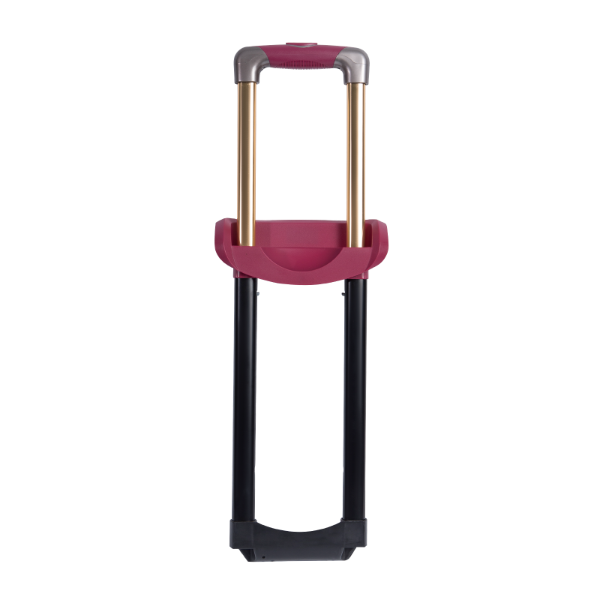
How a Telescoping Pull Rod Is Constructed
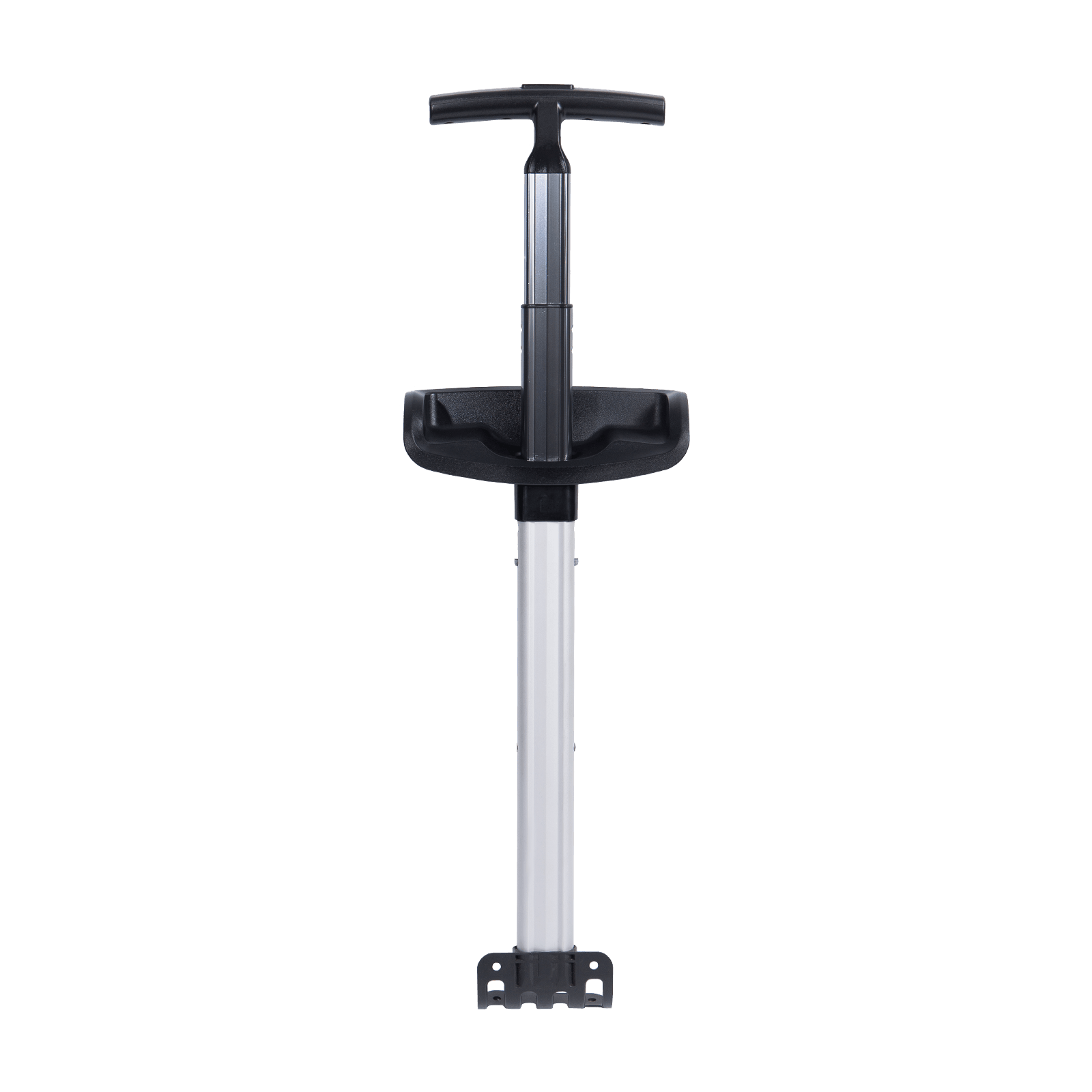
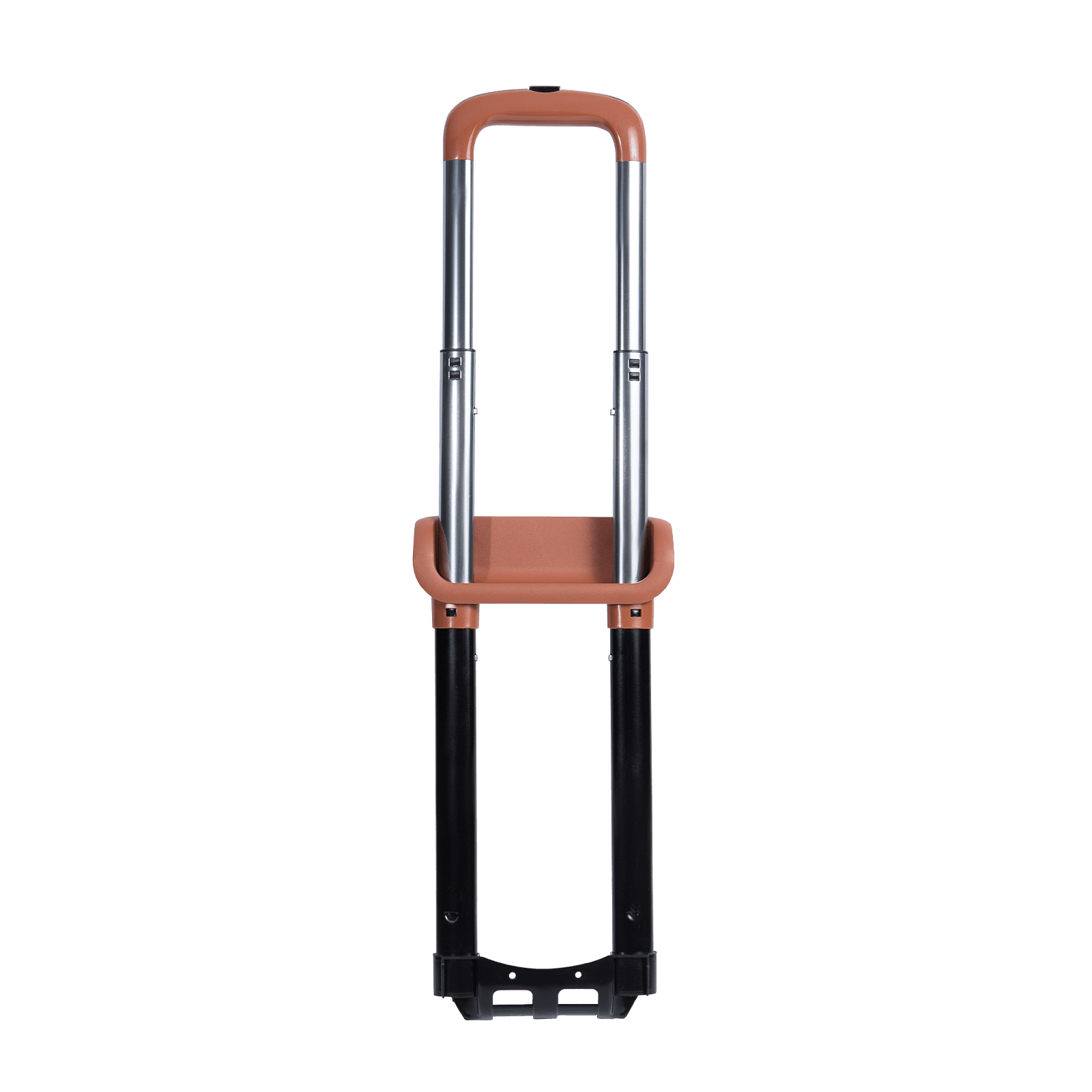
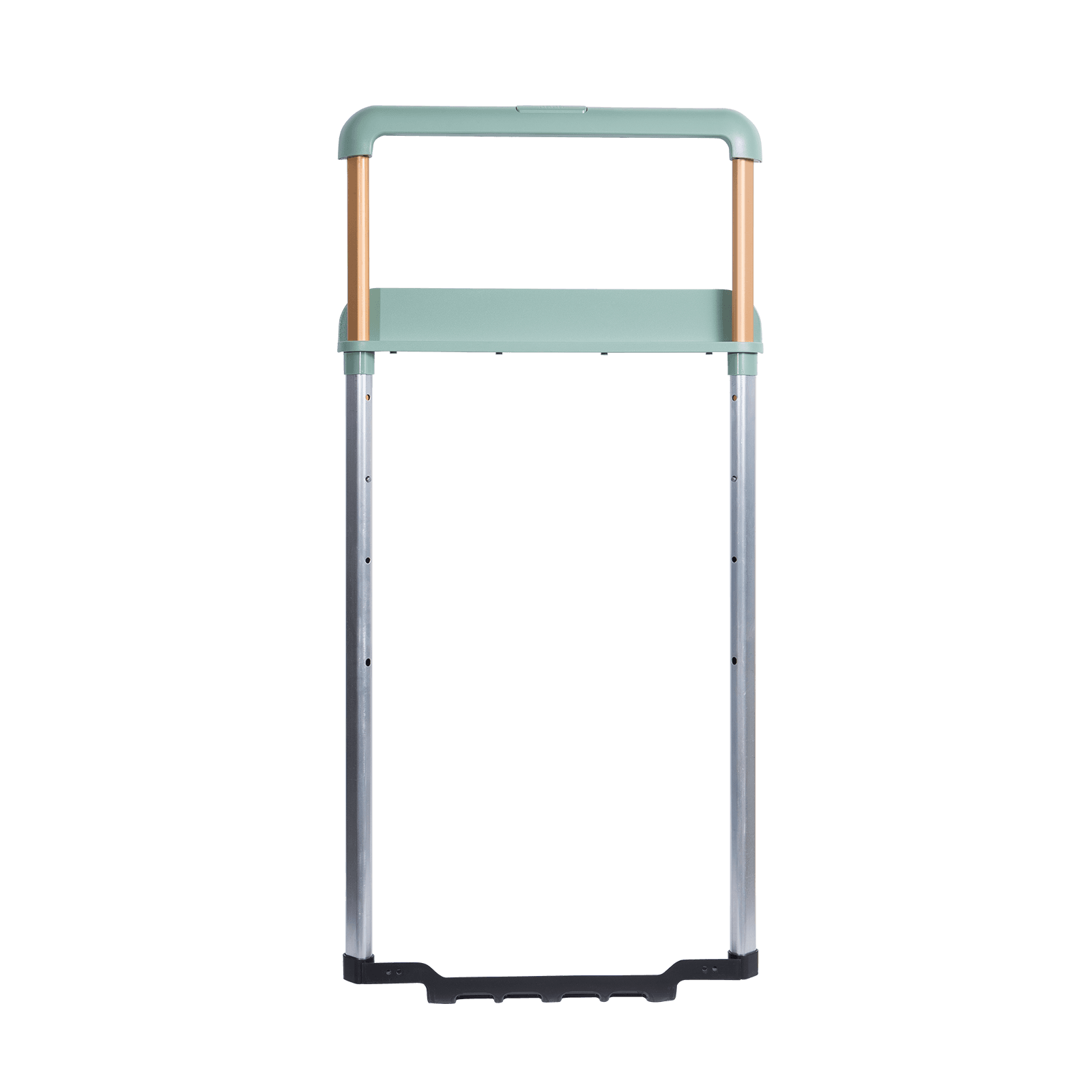
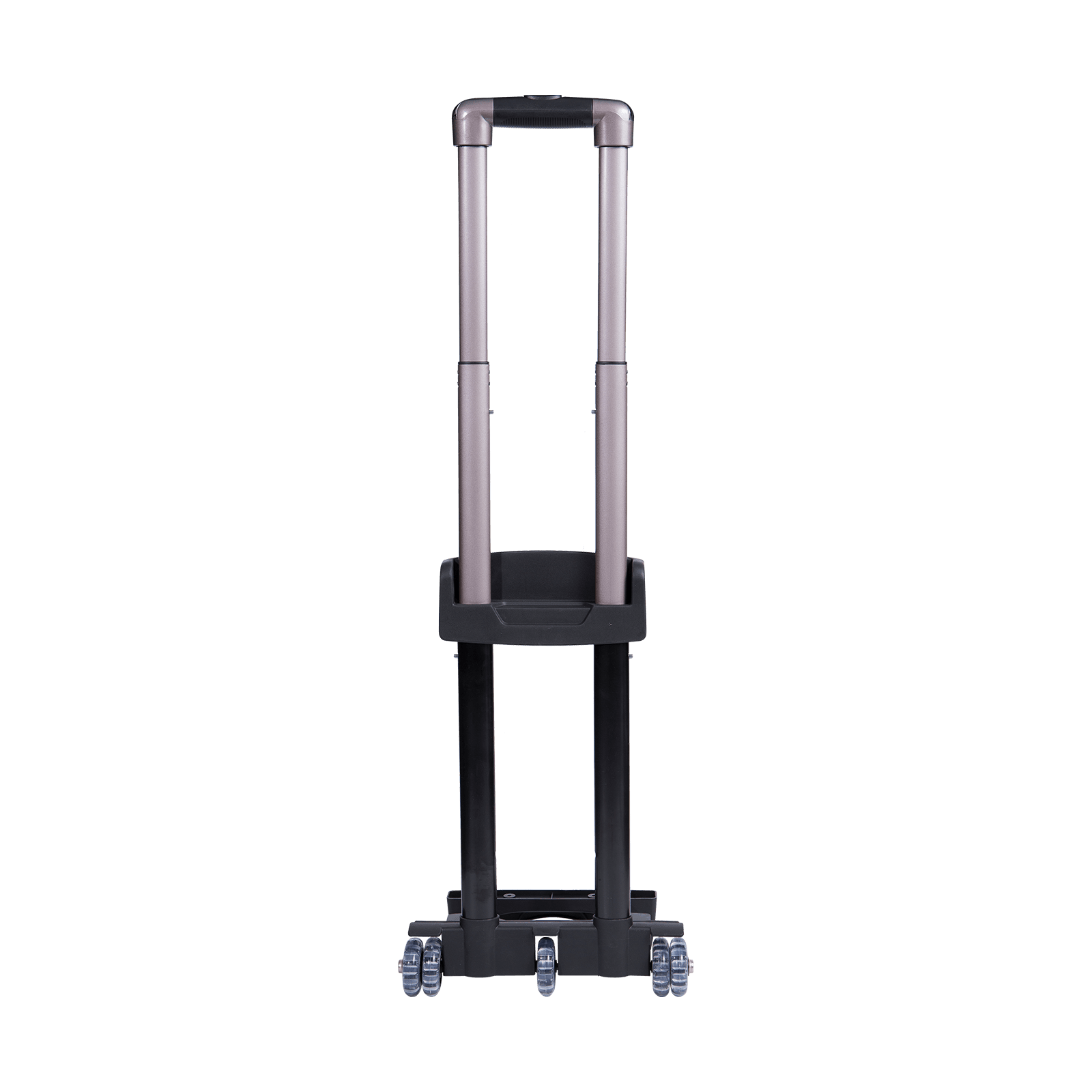
Most pull rods consist of two or three nested aluminum or steel tubes that slide inside each other. The outermost tube is anchored to the luggage frame through a housing mounted at the base of the bag. The innermost tube terminates at the top handle grip, which is typically made from molded ABS plastic, rubber-coated aluminum, or soft-touch polymer. When the traveler presses the button on the grip, a spring-loaded pin or lever disengages a set of locking holes drilled into the tubes, allowing them to slide freely. Releasing the button re-engages the lock at the nearest hole, fixing the handle at the chosen height.
The quality of this locking mechanism is the single most important factor in pull rod reliability. Cheap mechanisms use a single plastic button connected to a thin pin that engages only one tube at a time. Premium mechanisms use a wider button connected to a robust steel pin or dual-pin system that simultaneously locks both tubes, eliminating wobble and distributing stress across a larger contact area. Some high-end suitcase brands — including Rimowa, Tumi, and Samsonite's top-tier lines — use a T-bar or cross-brace design at the top handle that laterally braces the two tubes against each other, further reducing flex when the loaded bag is tipped back onto its rear wheels.
Materials Used in Pull Rod Manufacturing
The tube material directly affects weight, stiffness, and corrosion resistance. The three most common materials are aluminum alloy, stainless steel, and fiberglass-reinforced polymer, each with distinct trade-offs.
| Material | Weight | Stiffness | Corrosion Resistance | Typical Use |
| Aluminum Alloy (6061) | Light | High | Good | Mid to premium luggage |
| Stainless Steel | Heavy | Very High | Excellent | Budget to mid-range luggage |
| Fiberglass Polymer | Very Light | Moderate | Excellent | Ultralight travel bags |
Aluminum alloy offers the best combination of low weight and stiffness for most travelers. Stainless steel tubes are heavier but nearly impossible to bend, making them common in lower-price suitcases where the extra weight penalty is acceptable. Fiberglass-reinforced polymer rods appear in ultralight softshell bags where saving every gram matters, though they can flex noticeably under lateral load when a heavily packed bag leans to one side.
Height Adjustment Systems: Single-Stop vs. Multi-Stop
Pull rods come in two fundamental height adjustment configurations, and choosing between them is a matter of ergonomics and personal height.
Single-Stop Systems
These handles extend to only one fixed height, typically between 38 and 42 inches from the floor (96–107 cm). They are mechanically simpler, lighter, and less prone to failure because there are fewer locking holes and fewer moving parts. Single-stop rods are common on carry-on bags where the fixed height is calibrated for average adult proportions. The disadvantage is obvious: travelers who are significantly taller or shorter than average cannot find a comfortable pulling position without bending their wrist at an awkward angle, which causes fatigue on long walks through terminals.
Multi-Stop Systems
Multi-stop rods offer two or three locking positions, commonly at 36, 40, and 43 inches. This range accommodates users from roughly 5'2" to 6'4" without requiring them to compromise their posture. The ergonomic ideal is a handle height at which the arm hangs naturally at a slight downward angle — not raised, not bent upward — so the shoulder and elbow remain relaxed. Multi-stop systems add mechanical complexity, meaning there are more locking holes that can collect grit and more pins that can wear out. However, on quality luggage, the additional locking positions do not meaningfully reduce service life.
Common Pull Rod Failure Points and What Causes Them
Even well-made pull rods fail eventually, but the failure modes are predictable. Knowing them helps travelers recognize early warning signs before a minor problem becomes a trip-ending breakdown.
- Button jam: Debris — sand, grit, airport floor residue — enters the button housing and wedges the pin in its engaged position, making the handle impossible to retract. This is the most common failure in bags used on beach trips or unpaved surfaces. Spraying a small amount of compressed air into the button housing and around the tube joints usually dislodges the obstruction.
- Tube misalignment: Dropping the bag on its side while the handle is extended can bend the outer tube slightly, causing the inner tube to bind or catch during retraction. Minor misalignment can sometimes be corrected by hand, but a sharply kinked tube requires professional repair or tube replacement.
- Locking pin wear: The steel or plastic pin that engages the locking holes wears down over thousands of extension cycles. A worn pin no longer seats fully in the holes, causing the handle to slip downward under load. Replacing the pin — a straightforward repair on bags with accessible housings — restores full function for a fraction of the cost of a new suitcase.
- Housing bracket fracture: The plastic bracket that anchors the pull rod assembly to the luggage frame is a stress concentration point. Rough baggage handling — particularly when the bag is swung or dropped onto the rod housing — can crack this bracket, causing the entire assembly to rock loosely inside the bag. Most luggage repair shops stock replacement brackets for major brands.
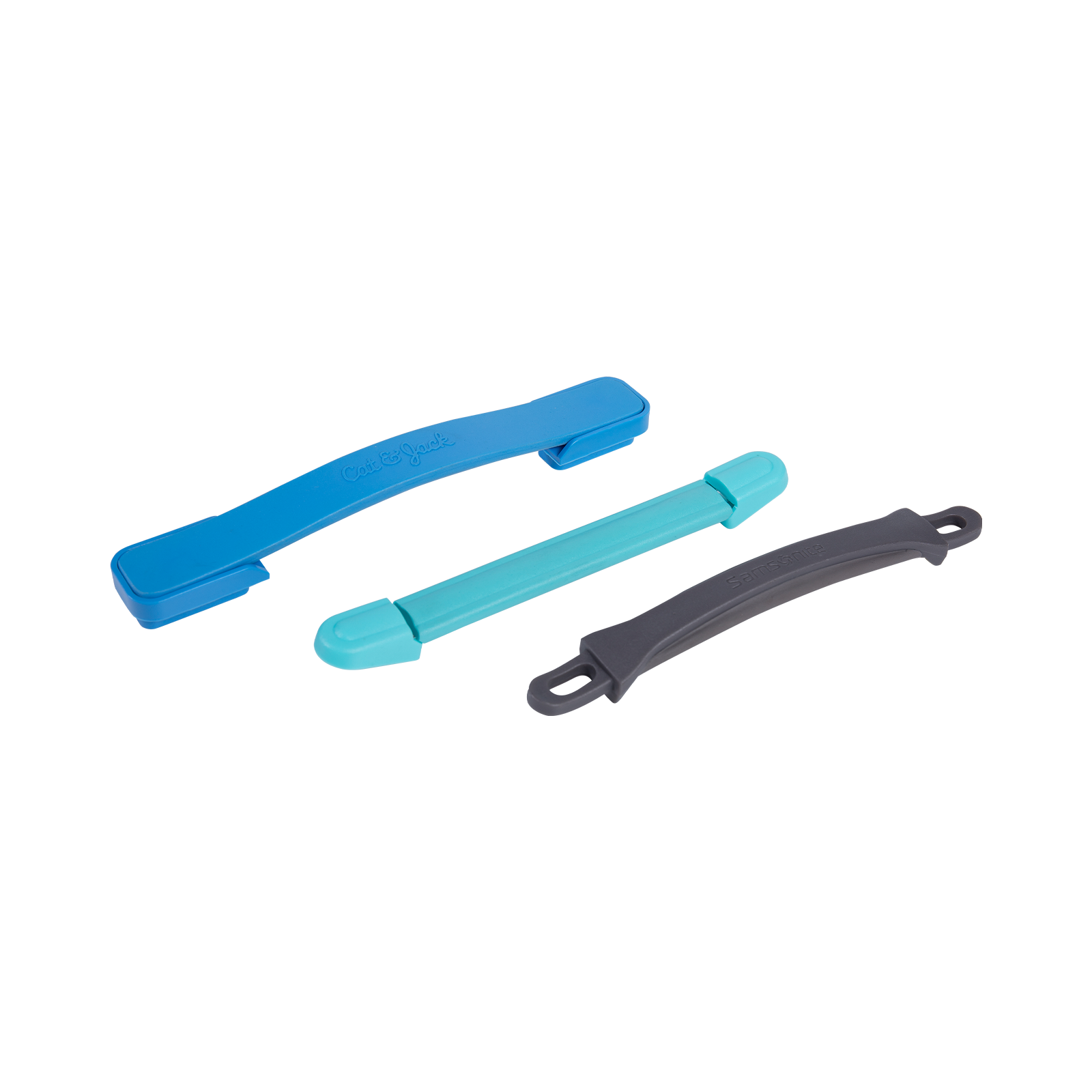
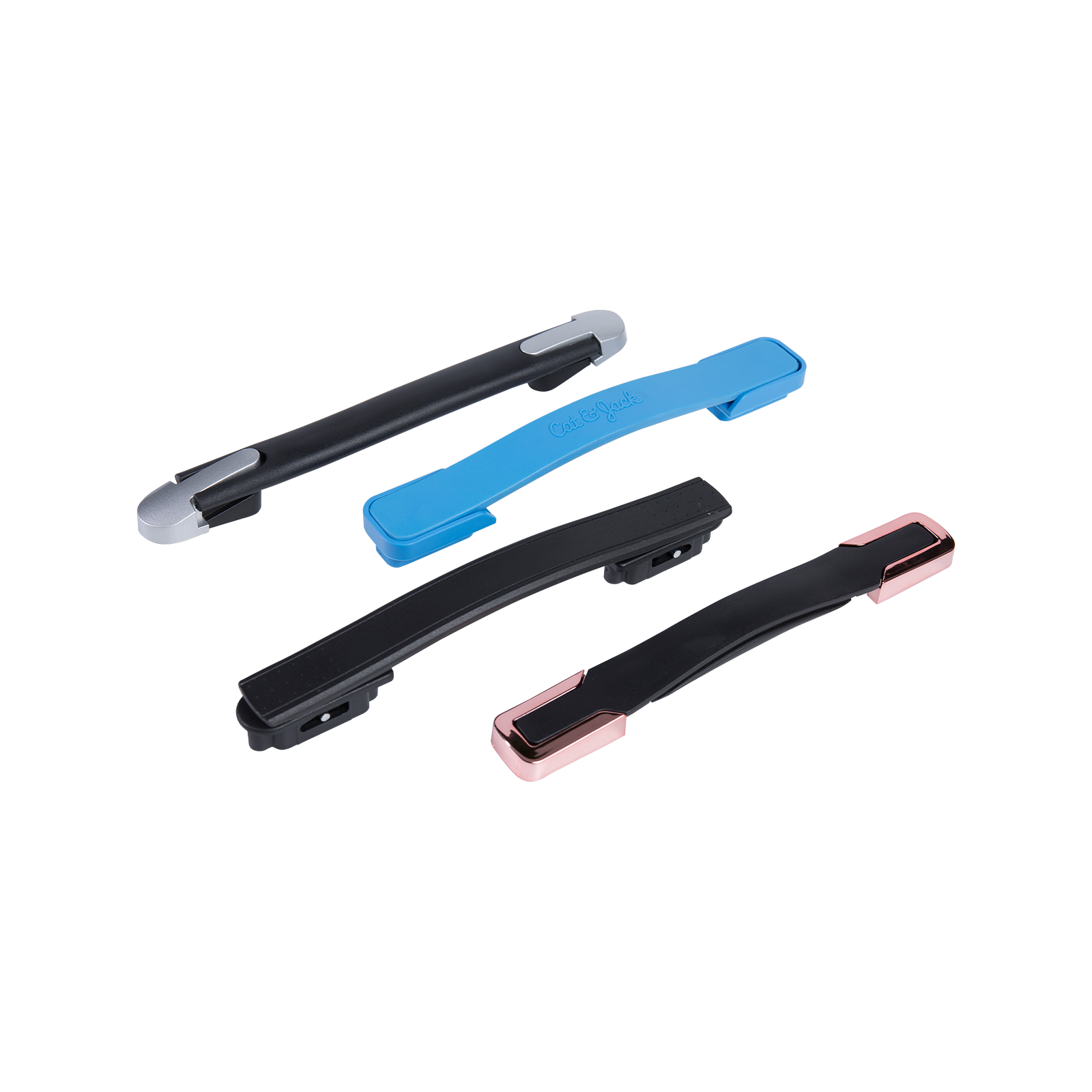
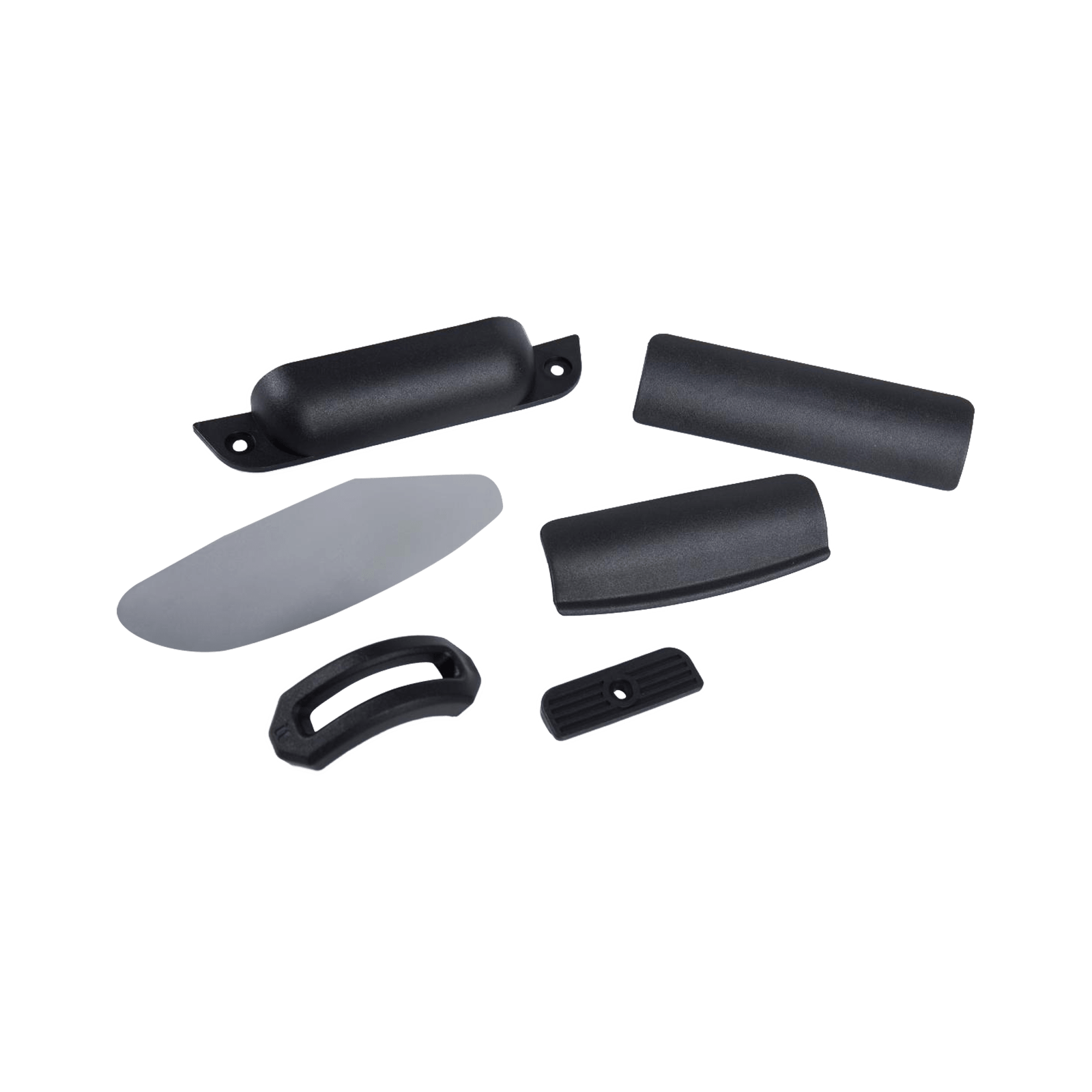
- Grip delamination: The rubber or soft-touch coating on the top grip peels away after prolonged exposure to sunscreen, hand lotion, and UV light. This is cosmetic rather than functional but makes the handle unpleasant to hold. Replacement grips are available from aftermarket suppliers and clip onto standard tube diameters.
How to Maintain a Luggage Pull Rod
Routine maintenance extends the service life of a pull rod significantly and takes less than five minutes after each trip. The steps are simple but consistently ignored by most travelers until a problem develops.
- Wipe the tubes: After travel, extend the rod fully and wipe the exposed tube sections with a damp cloth to remove grit and salt residue. Dry thoroughly before retracting to prevent corrosion at the tube joints.
- Lubricate sparingly: Apply a thin film of silicone spray — never WD-40, which attracts dust — to the tube surfaces once or twice a year. Silicone lubricant keeps the telescoping action smooth without gumming up the locking holes.
- Retract before checking in: Always collapse the handle fully before handing a bag to an airline. Handles left extended during baggage handling are frequently snapped by conveyor machinery or other bags falling against them.
- Inspect the housing screws: The screws that fix the pull rod housing to the bag's internal frame can loosen with vibration. Tighten them with a small screwdriver every few months if your suitcase provides interior access to the housing.
Replacing a Damaged Pull Rod: Repair vs. Replace the Suitcase
Whether to repair a broken pull rod or replace the suitcase depends on the cost of the bag, the availability of spare parts, and the nature of the damage. For premium luggage — where the shell, wheels, and zippers are in good condition — repairing the pull rod is almost always the economically sensible choice. Brands such as Rimowa, Tumi, and Briggs & Riley offer official repair services and sell replacement handle assemblies directly. Independent luggage repair shops carry generic tube sets that fit standard housing sizes and can complete most repairs within a few days.
For budget suitcases where the retail price is under $60 and multiple components are showing wear simultaneously, replacement often makes more sense than investing in repair parts that may cost half the price of a new bag. The key question is whether the pull rod failure is isolated or symptomatic of broader material deterioration across the whole suitcase. A single pin replacement on an otherwise solid bag is always worth doing; re-tubing a bag whose zipper is also failing and whose wheels are cracked is rarely a good use of money or time.