

 Español
Content
- 1 Why Luggage Handles Matter More Than Most Travelers Realize
- 2 Types of Luggage Handles and Their Distinct Functions
- 3 Materials Used in Luggage Handle Construction
- 4 Common Failure Modes in Luggage Handles
- 5 How to Repair or Replace a Broken Luggage Handle
- 6 What to Look for in Luggage Handles When Buying a New Bag
Why Luggage Handles Matter More Than Most Travelers Realize
Luggage handles are among the most mechanically stressed components on any piece of travel gear, yet they are routinely overlooked when shoppers evaluate a bag's quality. A handle must bear the full weight of a loaded suitcase — often 15 to 23 kilograms for a checked bag at maximum airline allowance — while simultaneously absorbing the impact shocks of being lifted onto conveyor belts, dropped onto hard floors, and yanked out from overhead bins. Over the course of hundreds of trips, even a well-designed handle accumulates significant fatigue stress at its attachment points, its grip material wears against repeated palm contact, and the hardware connecting it to the shell degrades through exposure to moisture, UV light, and airport chemicals. Understanding how handles are constructed, what distinguishes durable designs from fragile ones, and how to maintain or replace them extends the working life of luggage considerably and prevents the frustrating mid-trip failure that leaves a traveler with an unwieldy bag and no good options.
The importance of handle quality is also directly tied to traveler comfort and ergonomics. A narrow, rigid handle transmits the full load of a heavy bag into a small area of the palm, causing discomfort within seconds on a heavy suitcase. A well-padded, correctly proportioned handle distributes load across the palm and fingers, reducing fatigue during long airport walks and crowded transit connections. For frequent travelers who carry the same bag dozens of times per year, the cumulative difference between an ergonomically sound handle and a poorly designed one is substantial — both in comfort and in the risk of repetitive strain injury to the wrist and hand.
Types of Luggage Handles and Their Distinct Functions
Modern luggage incorporates several different handle types, each designed for a specific carrying position and use case. Most quality suitcases and travel bags include at least two or three distinct handle configurations, reflecting the different ways a bag must be managed throughout a typical journey — from being carried through a doorway to being lifted into an overhead bin to being pushed upright on a trolley.
Top Carry Handles
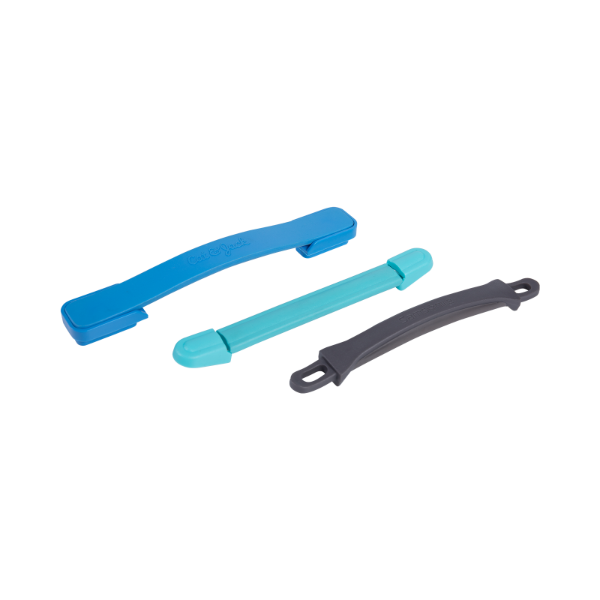
The top carry handle is positioned at the upper edge of the suitcase and is used for lifting the bag vertically — onto a bed, into an overhead bin, or onto a baggage conveyor. It is the handle under the most acute stress because it bears the entire bag weight at a single lift point with no mechanical advantage. Top handles on quality luggage are constructed from a rigid internal frame — typically nylon webbing over a reinforced polymer core, or a solid molded rubber grip over a stainless steel or reinforced nylon bar — with the ends secured to the shell through recessed anchor plates that distribute stress across a wider area than simple screwed-on hardware. The grip portion should be wide enough to allow a comfortable four-finger grasp without the edge of the handle cutting into the fingers under load.
Side Carry Handles
Side handles are mounted on the side face of a suitcase and allow the bag to be carried horizontally — the orientation used when placing the bag flat on an overhead bin shelf or sliding it under a seat. They are typically shorter and simpler in construction than top handles because they are used for shorter-duration carrying rather than extended lifting, but they must still be rated for the full bag weight since overhead bin placement frequently requires lifting the full loaded weight with one hand gripping the side handle. Many budget suitcases omit side handles entirely or use flimsy stitched webbing loops, which represents a genuine usability compromise that frequent flyers notice immediately.
Telescoping Trolley Handles
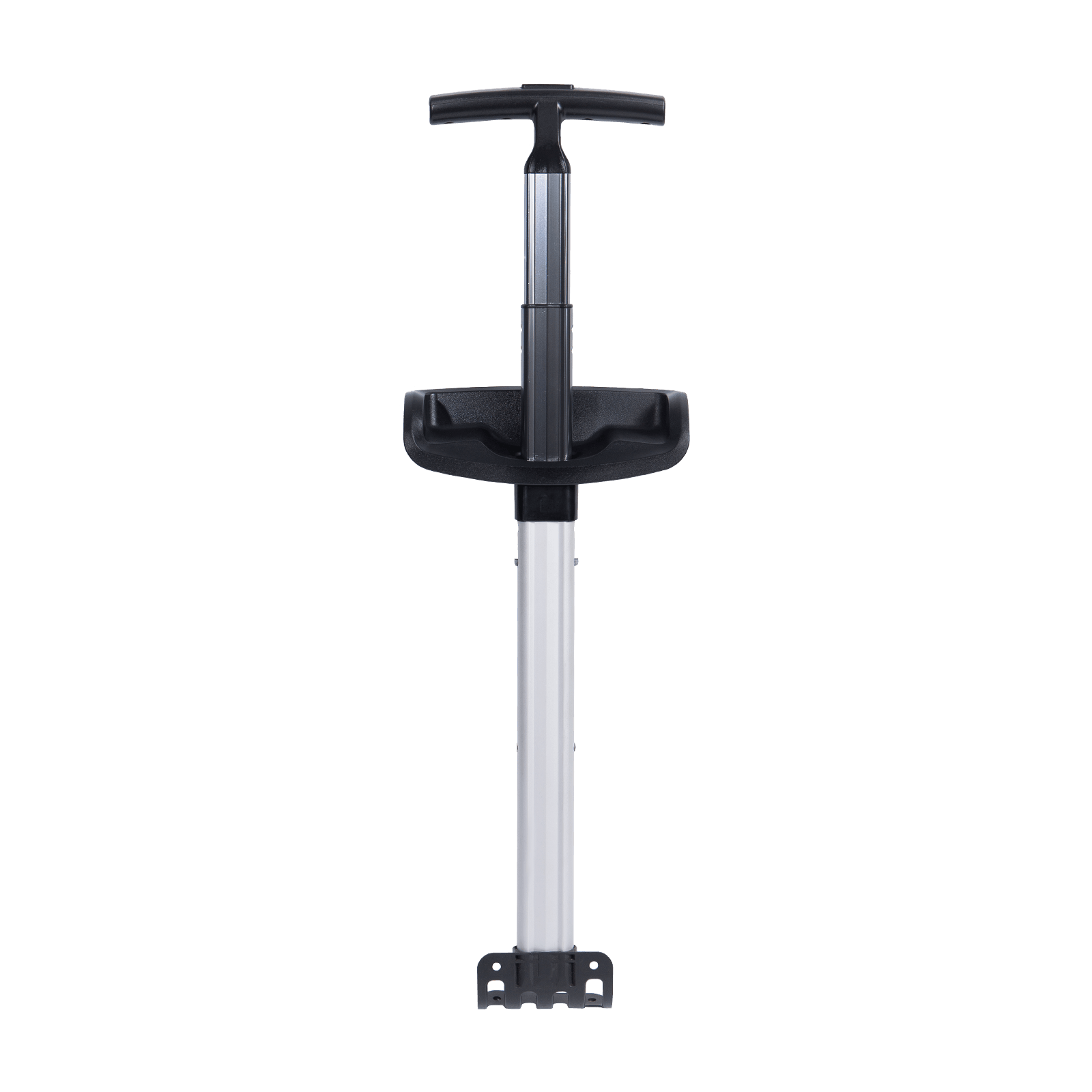
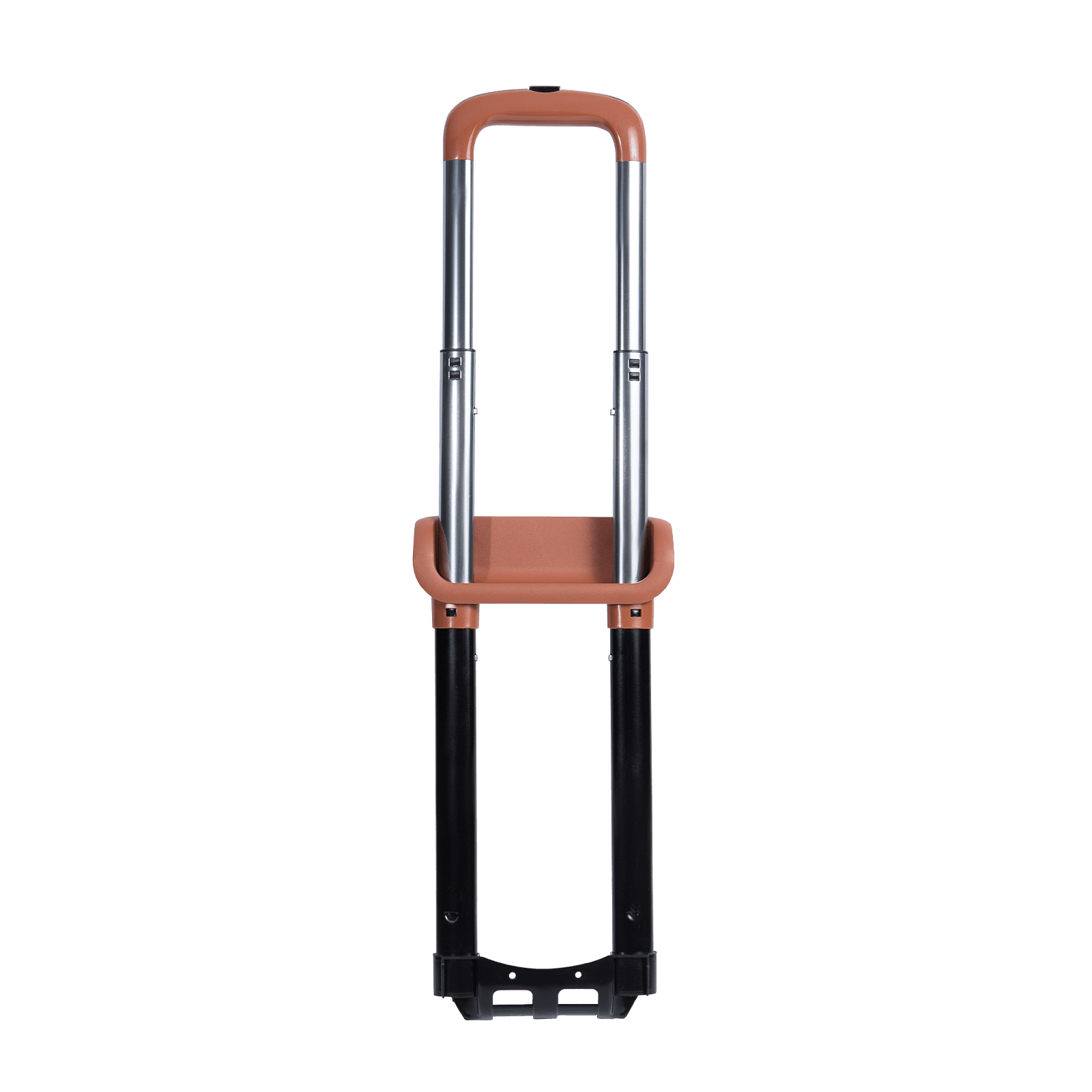
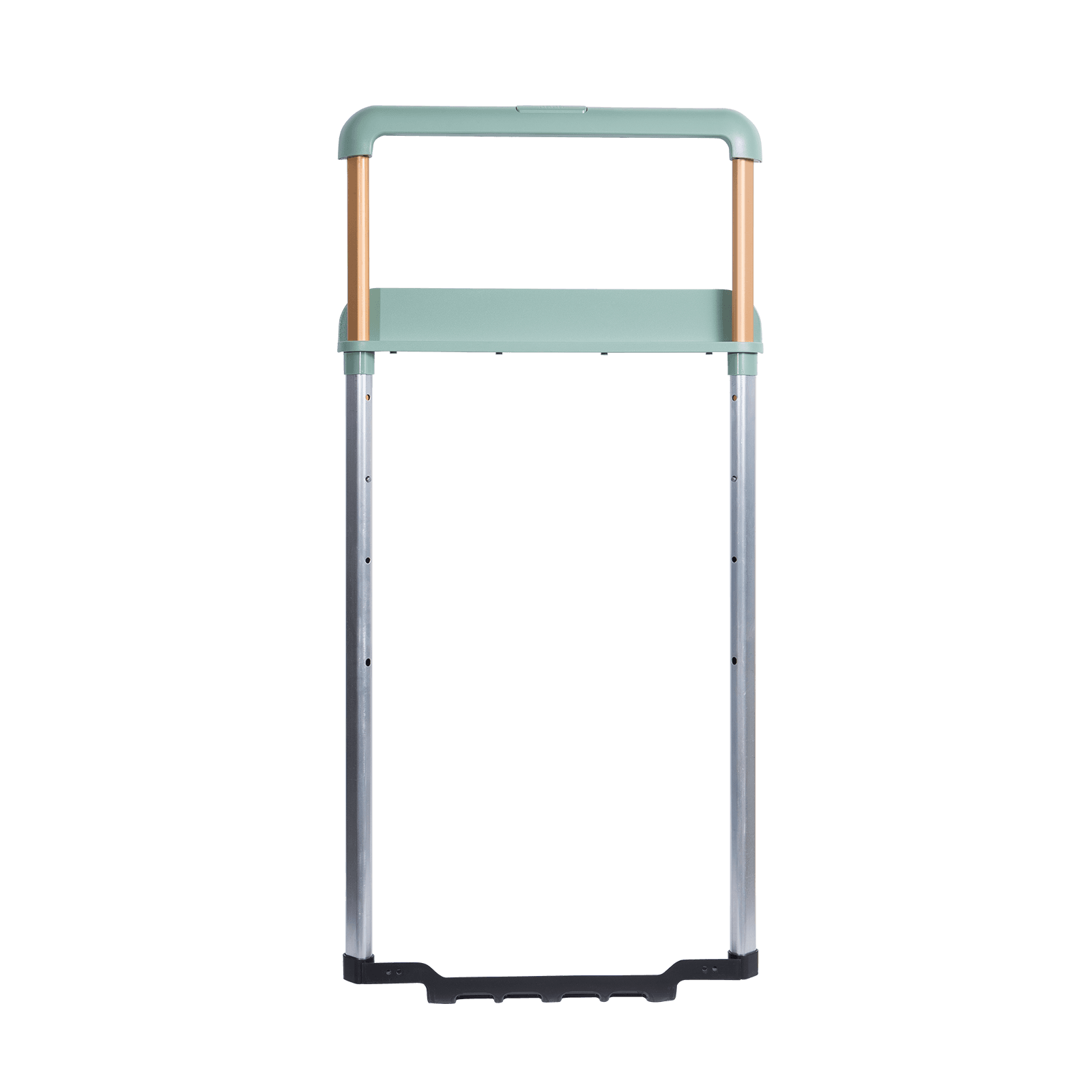
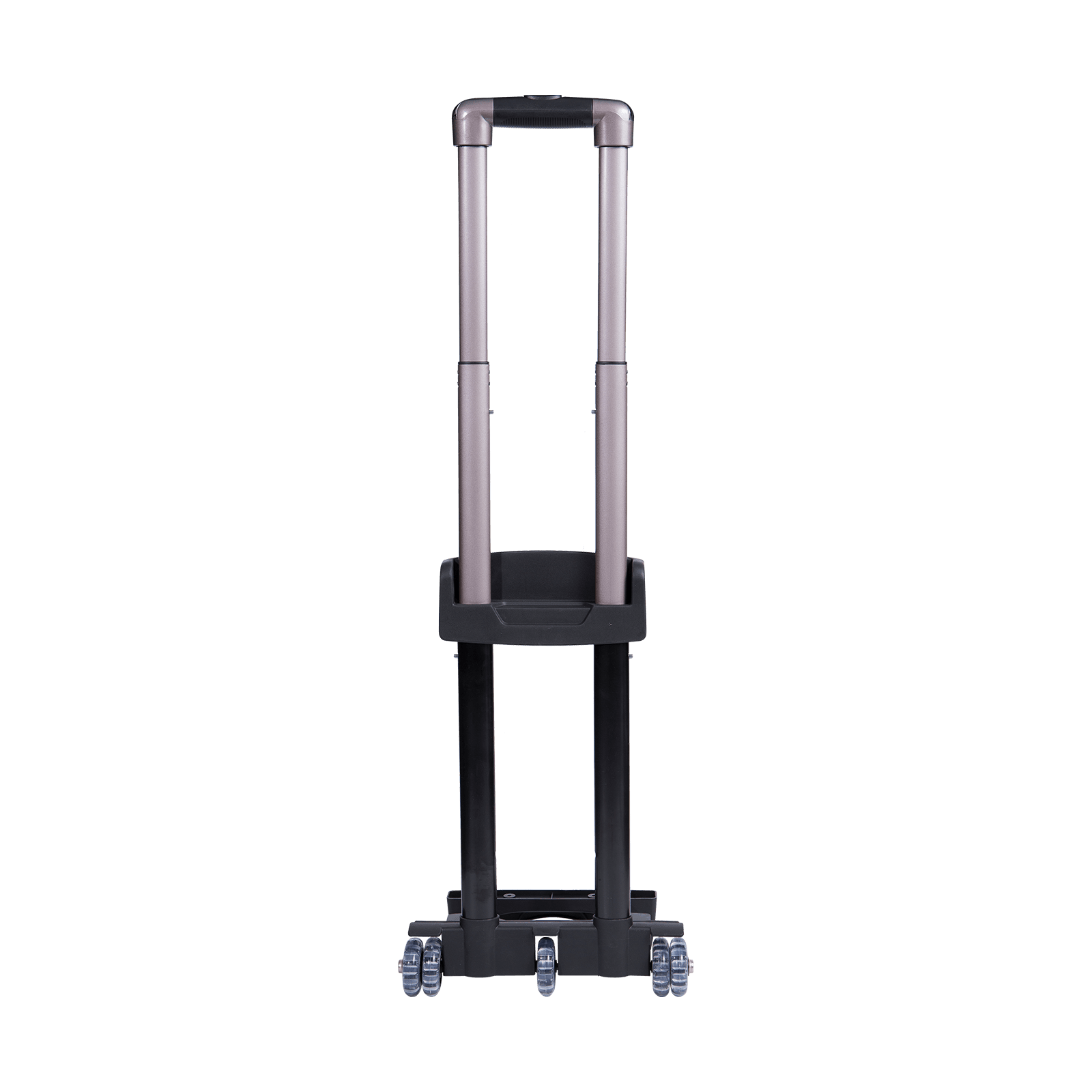
The telescoping trolley handle — the retractable pull rod that allows a wheeled suitcase to be pushed or pulled in the upright position — is mechanically the most complex handle system in luggage design. It consists of two or three aluminum or steel tubes nested within each other and within a channel built into the back panel of the suitcase, with a locking button mechanism that engages notches in the inner tubes at preset height positions. The ergonomics of a trolley handle are critically important: the correct extended height allows a traveler to push or pull the bag with the elbow at a relaxed, slightly bent angle rather than hunched or reaching upward. Most quality trolley handles offer two height positions — typically 38 cm and 42 cm above the bag base — though premium luggage may offer continuous height adjustment or three fixed positions to accommodate different user heights. The grip bar at the top of the trolley handle is a separate component from the tubes and is often the first part of the system to show wear, as it is handled constantly and may be squeezed hard when navigating through crowds or up inclines.
Materials Used in Luggage Handle Construction
The durability and feel of a luggage handle are determined primarily by its materials — both the structural components that bear load and the grip surface that contacts the hand. The following table compares the most common handle materials across their key performance attributes:
| Material | Strength | Comfort | Durability | Typical Use |
| Aluminum (trolley tubes) | High | N/A (structural) | Very high | Trolley handle tubes in mid to premium luggage |
| Thermoplastic Rubber (TPR) | Moderate | High — soft, non-slip | High | Grip surface on top and side handles |
| Nylon Webbing | High (tensile) | Low without padding | Moderate — frays over time | Budget suitcase carry handles and side handles |
| Leather | Moderate | Very high — premium feel | Moderate — requires care | Premium and luxury luggage carry handles |
| Reinforced Polypropylene | Moderate | Low — hard surface | Moderate | Budget trolley grip bars and molded handles |
| EVA Foam with Cover | Low (padding only) | Very high — cushioned | Moderate — compresses with use | Padded carry handles on travel duffels and bags |
Common Failure Modes in Luggage Handles
Understanding how and why luggage handles fail helps travelers both identify early warning signs before a complete failure occurs and make better purchasing decisions by recognizing structural weaknesses in bags they are evaluating. Handle failures rarely happen without prior indication — they almost always follow a progression from early wear signs to partial degradation to complete failure.
- Anchor Point Cracking: The most common and serious failure on carry handles is cracking or pulling away at the points where the handle attaches to the luggage shell. When a handle is mounted through only two small screws or rivets without a backing plate, repeated lifting stress concentrates at these tiny attachment points and eventually cracks the shell material around the fasteners or pulls the fasteners clean through the shell. Quality handles use wide backing plates on the interior side of the shell to distribute load, and this detail is the single most important structural feature to check when evaluating a new bag.
- Trolley Lock Mechanism Wear: The push-button locking mechanism in telescoping handles relies on small spring-loaded pins engaging precisely machined notches in the inner tube. Over time, the spring weakens, the pin wears flat, or the notch edges round off, causing the handle to creep downward under load or refuse to lock at the intended height. This failure is gradual and easy to ignore until the handle suddenly collapses under a heavy bag with no warning.
- Grip Surface Delamination: Rubber and TPR grip surfaces bond to their underlying structural core through adhesive or overmolding. UV exposure, heat cycling, and contact with hand creams, sunscreens, and cleaning chemicals gradually break down this bond, causing the grip layer to peel, crack, or separate from the core. Once the grip surface begins to delaminate, it deteriorates rapidly and cannot be practically reversed without replacement.
- Tube Denting and Binding: Aluminum trolley tubes dent when the bag is dropped heavily on its side or when the handle is extended during impact. Even a minor dent in the outer tube creates a tight spot that prevents smooth extension and retraction of the inner tube, eventually making the trolley handle difficult or impossible to operate. Steel tubes are more resistant to denting but heavier, which is why most consumer luggage uses aluminum despite the denting risk.
- Webbing Fraying and Stitching Failure: On bags with sewn nylon webbing handles, the stitching at the loop terminations is subjected to the full tensile load every time the bag is lifted. Thread wear, UV degradation of synthetic thread, and initial under-specification of stitch count per inch all contribute to stitching failure over time, with the weld point between the webbing and the structural frame of the bag being the most common location for catastrophic separation.
How to Repair or Replace a Broken Luggage Handle
A broken luggage handle does not necessarily mean the end of a bag's useful life — particularly for high-quality luggage where the bag structure and wheels are still in excellent condition. Handle repair is often practical and cost-effective compared to replacing the entire bag, and most handle types can be addressed with the right parts and a modest amount of mechanical aptitude.
Repairing or Replacing Top and Side Carry Handles
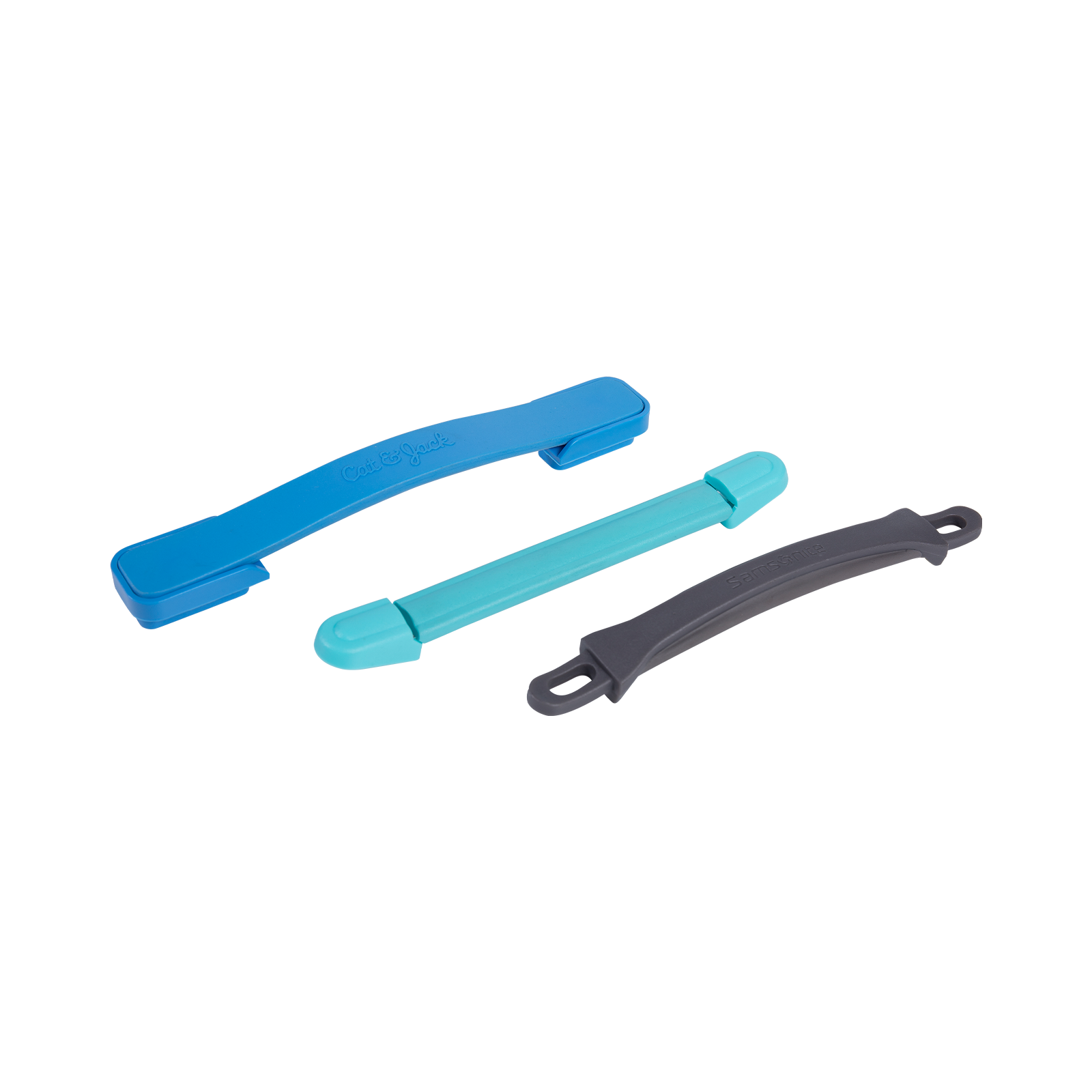
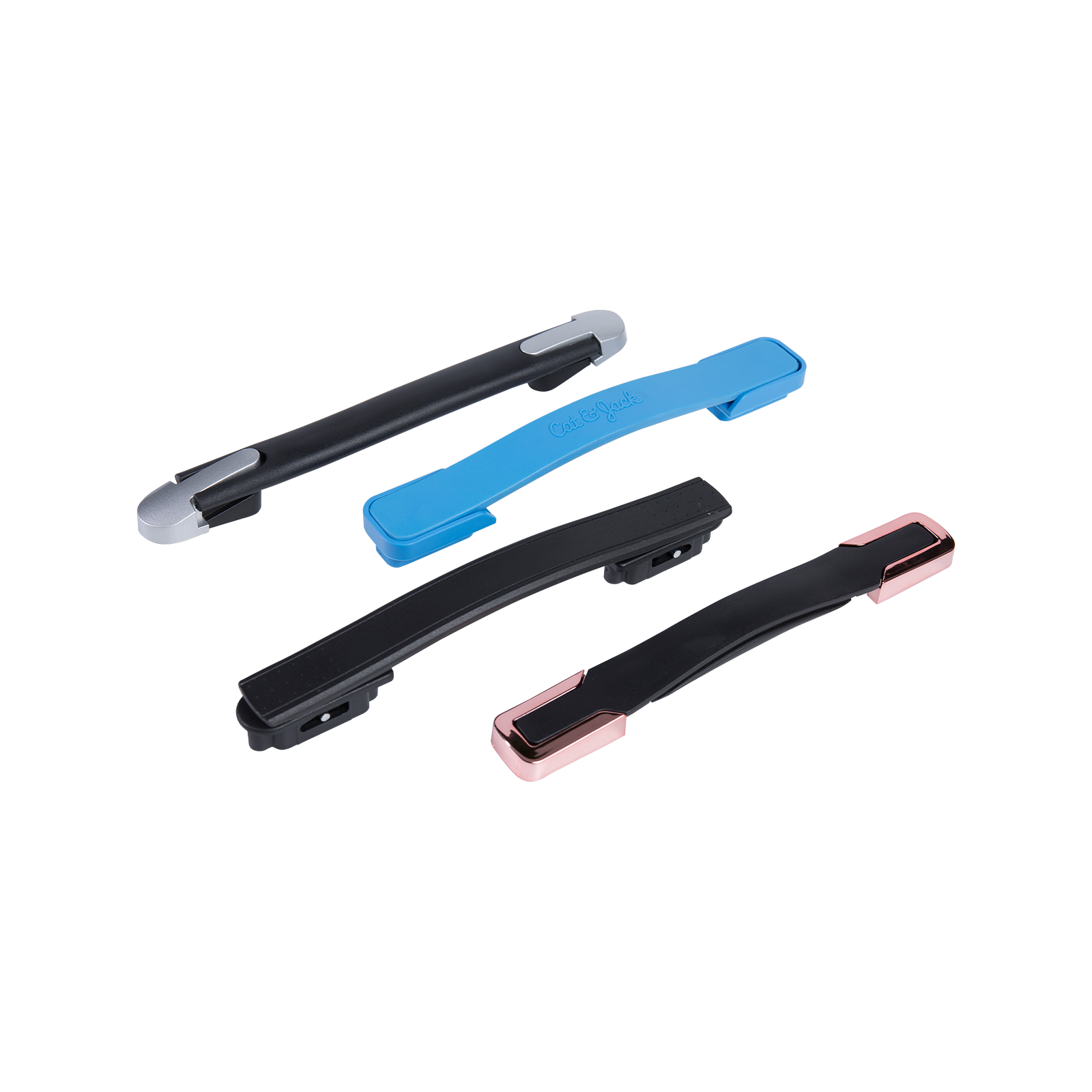
Carry handles attach to the luggage shell via screws, rivets, or both, and replacement handles for most major brands are available as spare parts either directly from the manufacturer or from specialist luggage repair suppliers. Replacement typically requires removing the old fasteners — which may require a Torx or Phillips screwdriver for screws, or a drill and punch for rivets — cleaning the mounting area, positioning the new handle, and securing it with the supplied hardware. The critical step is ensuring that the interior backing plate is correctly positioned before tightening fasteners, as overtightening without a backing plate will crack the shell. For bags where the anchor point itself has cracked, the repair must address the shell damage — typically with a reinforcing patch bonded to the interior — before the new handle can be installed reliably. Many luggage repair shops can perform this complete repair for a modest cost that is a small fraction of bag replacement value.
Fixing Telescoping Trolley Handle Problems
Trolley handle issues range in severity from simple fixes to full system replacements. A stiff or binding handle can often be resolved by cleaning grit and debris from the tube channels with compressed air and applying a thin film of silicone spray lubricant to the tube surfaces — never use oil-based lubricants, which attract dust and make binding worse over time. A worn locking button mechanism can frequently be replaced independently by removing the handle grip bar to access the lock assembly and substituting the spring and pin with manufacturer spare parts. Full trolley handle system replacement — where the entire tube assembly must be extracted from the bag's back panel channel and a new unit inserted — is a more involved repair that is best undertaken by a professional luggage repair service unless you have specific experience with the bag model and access to the correct replacement assembly.
What to Look for in Luggage Handles When Buying a New Bag
Evaluating handle quality at the point of purchase is one of the most informative things a luggage buyer can do — handles reveal more about a bag's overall construction quality than almost any other component because they are the highest-stress interface between the traveler and the bag. The following checklist provides a practical framework for handle assessment during in-store or pre-purchase evaluation:
- Test the Top Handle Under Load: Fill the bag to near-capacity and lift it several times by the top handle. The handle should feel rigid and stable without flexing or twisting, the attachment points should show no movement relative to the shell, and the grip should be wide enough to grasp comfortably with four fingers without the edge cutting in.
- Inspect the Handle Mounting Hardware: Look inside the bag at the points where the top handle fasteners pass through the shell. Quality bags have a visible internal backing plate — a broad metal or hard plastic plate that distributes the fastener load. If you see bare shell material with just a small washer or nothing at all, the handle mounting is a structural weak point regardless of how solid the handle itself feels.
- Operate the Trolley Handle Multiple Times: Extend and retract the trolley handle at least five times, testing both height lock positions. A quality mechanism engages with a positive, audible click and holds firm when moderate downward pressure is applied to the grip. Any wobble, creep, or looseness in the locked position indicates a mediocre locking mechanism that will worsen rapidly with use.
- Check for a Side Handle: Confirm the bag has a properly constructed side handle and not just a stitched loop. Grip the side handle and simulate a one-handed overhead lift — the handle should not twist or shift, and the attachment points should be as robust as the top handle mounting.
- Assess the Trolley Grip Ergonomics: With the handle extended to your natural pulling height, grip the trolley bar and note whether it sits comfortably in your palm with a relaxed elbow angle. A grip that is too short, too narrow, or positioned at the wrong height creates fatigue quickly in airport environments where you may be pulling the bag for 30 minutes or more across multiple terminal connections.
- Verify Warranty Coverage for Handles: Some luggage warranties explicitly exclude handles and trolley systems as wear components, even on otherwise comprehensive guarantees. Confirm whether handles are covered before purchase — brands that include handle coverage in their warranty terms demonstrate confidence in their handle construction that brands excluding handles from warranty coverage do not.
Luggage handles are functional components that directly determine how comfortable, safe, and durable a bag is across years of heavy use. Whether you are evaluating a new purchase, diagnosing an existing bag for repair, or replacing a failed handle to extend the life of a quality suitcase, understanding the mechanics of handle design and the factors that separate durable construction from compromised quality gives you the information needed to make smart, informed decisions about one of travel's most frequently used and under-appreciated pieces of hardware.