

 Español
Content
- 1 What Is a Luggage Pull Rod and Why It Matters
- 2 Types of Luggage Pull Rods
- 3 Materials Used in Pull Rod Construction
- 4 Common Luggage Pull Rod Problems and Their Causes
- 5 How to Fix a Luggage Pull Rod at Home
- 6 What to Look for When Buying Luggage with a Quality Pull Rod
- 7 Pull Rod Maintenance Tips for Long-Term Durability
What Is a Luggage Pull Rod and Why It Matters
The luggage pull rod, also known as a telescoping handle or trolley handle, is one of the most frequently used components of any rolling suitcase. Every time you navigate an airport terminal, hotel corridor, or train station, you rely on this mechanism to smoothly extend, lock in place, and retract with minimal effort. Despite being such a critical part of travel gear, the pull rod is often overlooked when purchasing luggage—until it breaks mid-trip and leaves you lugging a heavy bag by its side handle.
Understanding how luggage pull rods work, what differentiates a quality rod from a flimsy one, and how to maintain or repair them can save you significant money and frustration. Whether you travel occasionally for leisure or log thousands of miles a year for business, the pull rod system deserves more attention than it typically receives.
Types of Luggage Pull Rods
Not all pull rods are built the same way. The design, material, and mechanism vary significantly across luggage brands and price ranges. Knowing the difference helps you make a smarter purchase decision.
Single-Bar Pull Rods
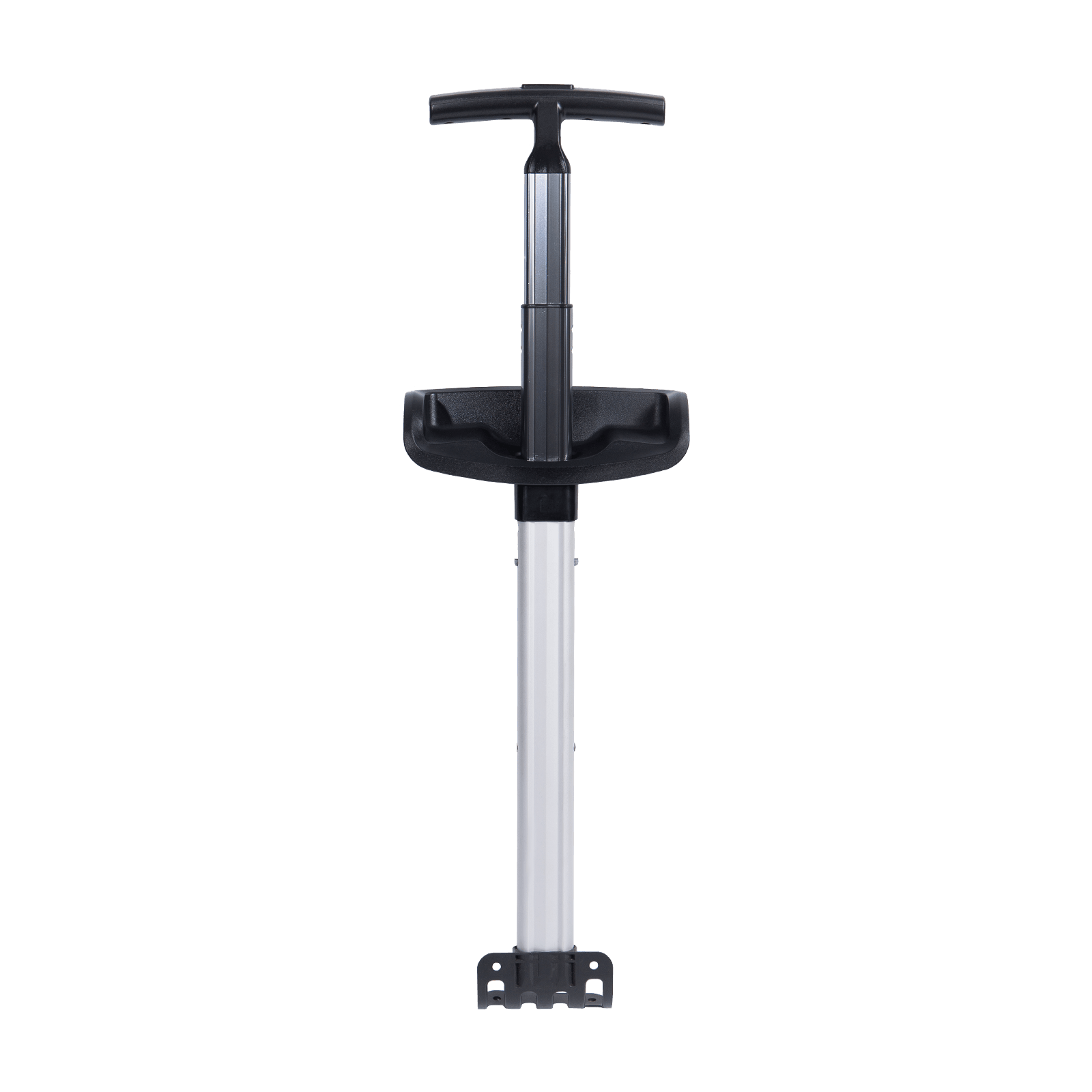
Single-bar systems feature one central telescoping tube that runs along the back of the suitcase. They are typically found in budget or lightweight luggage and take up less interior space. While this design is simple and compact, it can feel wobbly at full extension, especially with heavier bags. The single point of contact also means more stress is concentrated on one column, increasing wear over time.
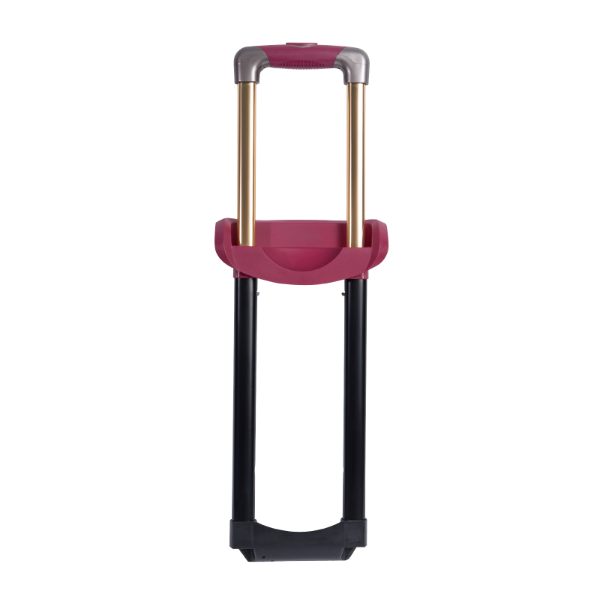
Double-Bar Pull Rods
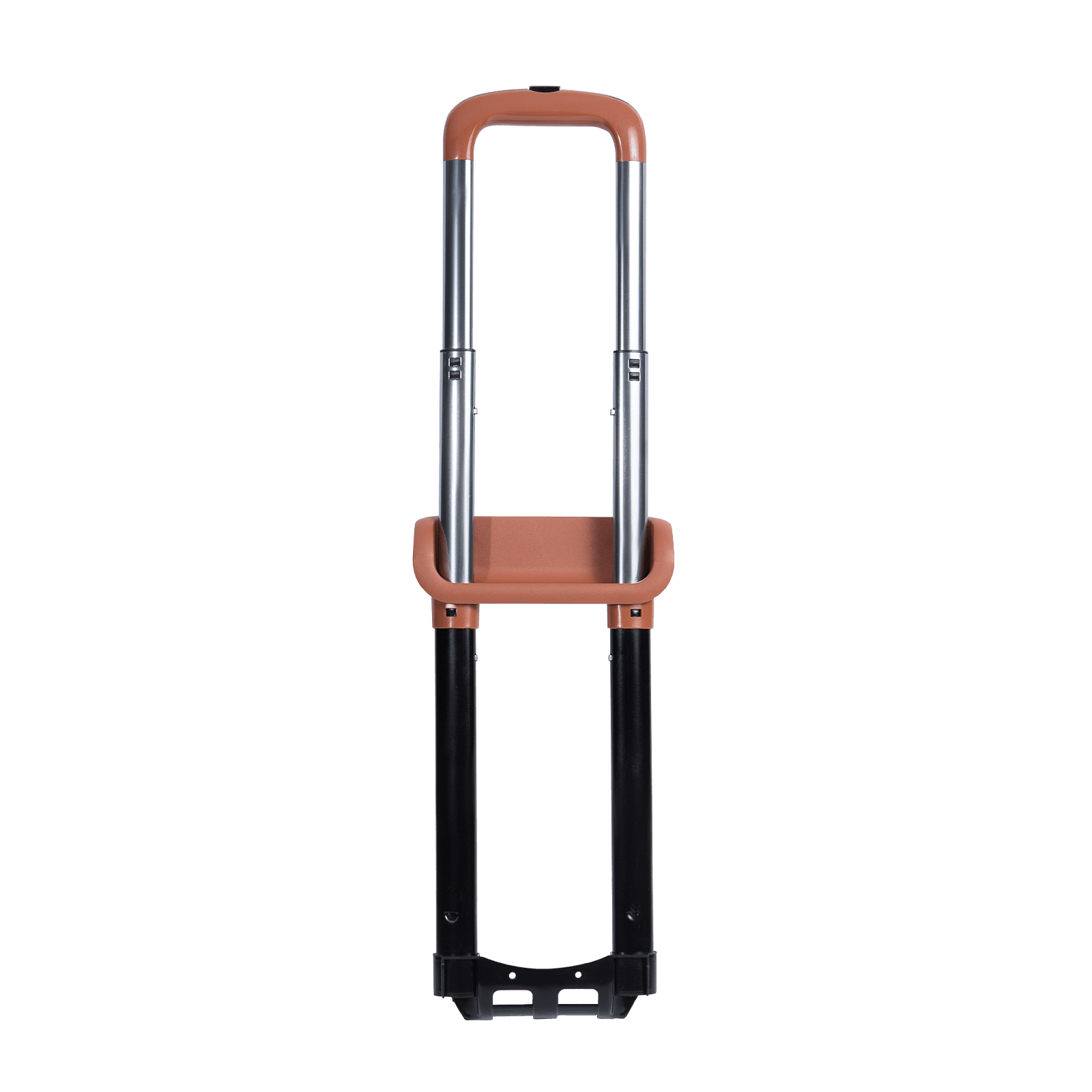
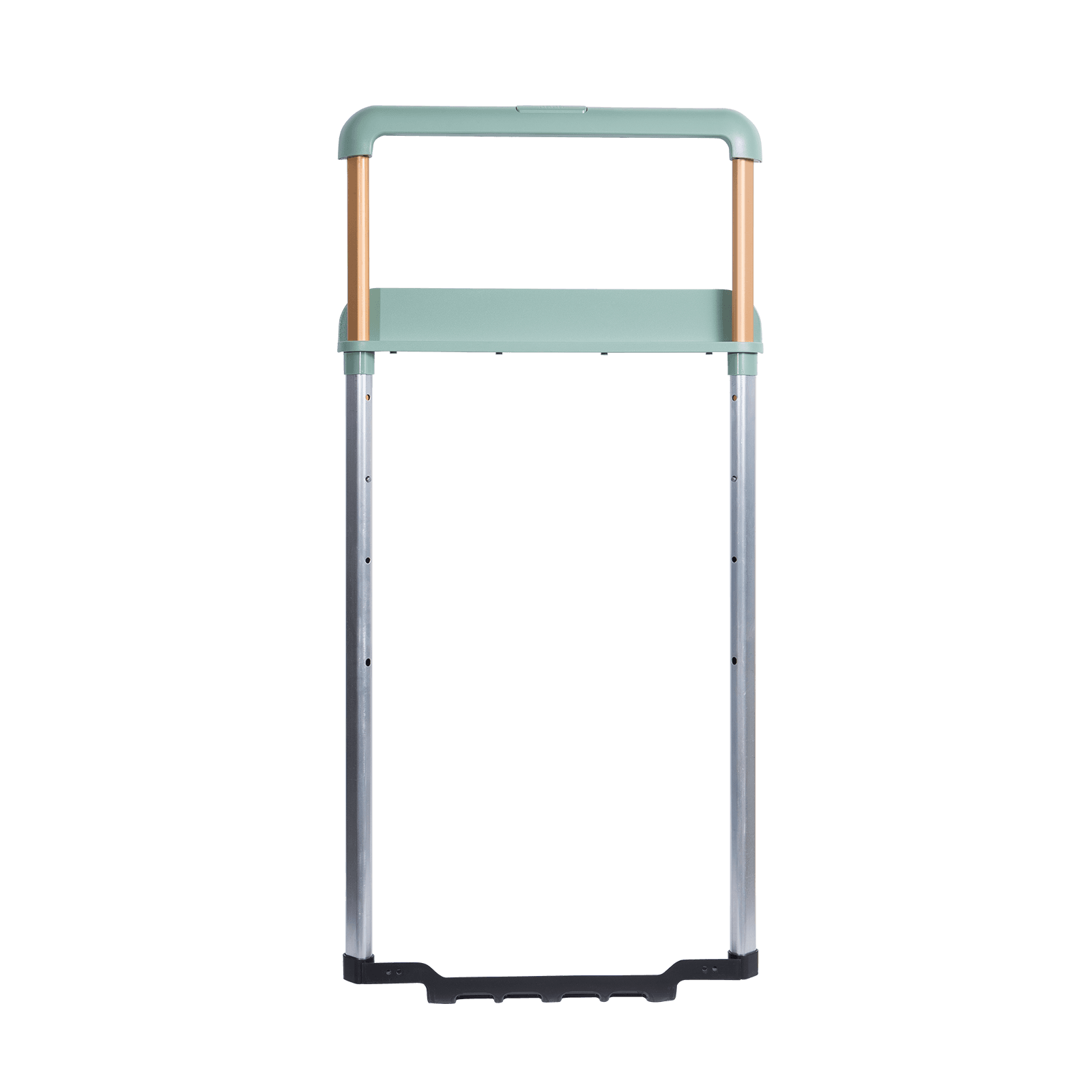
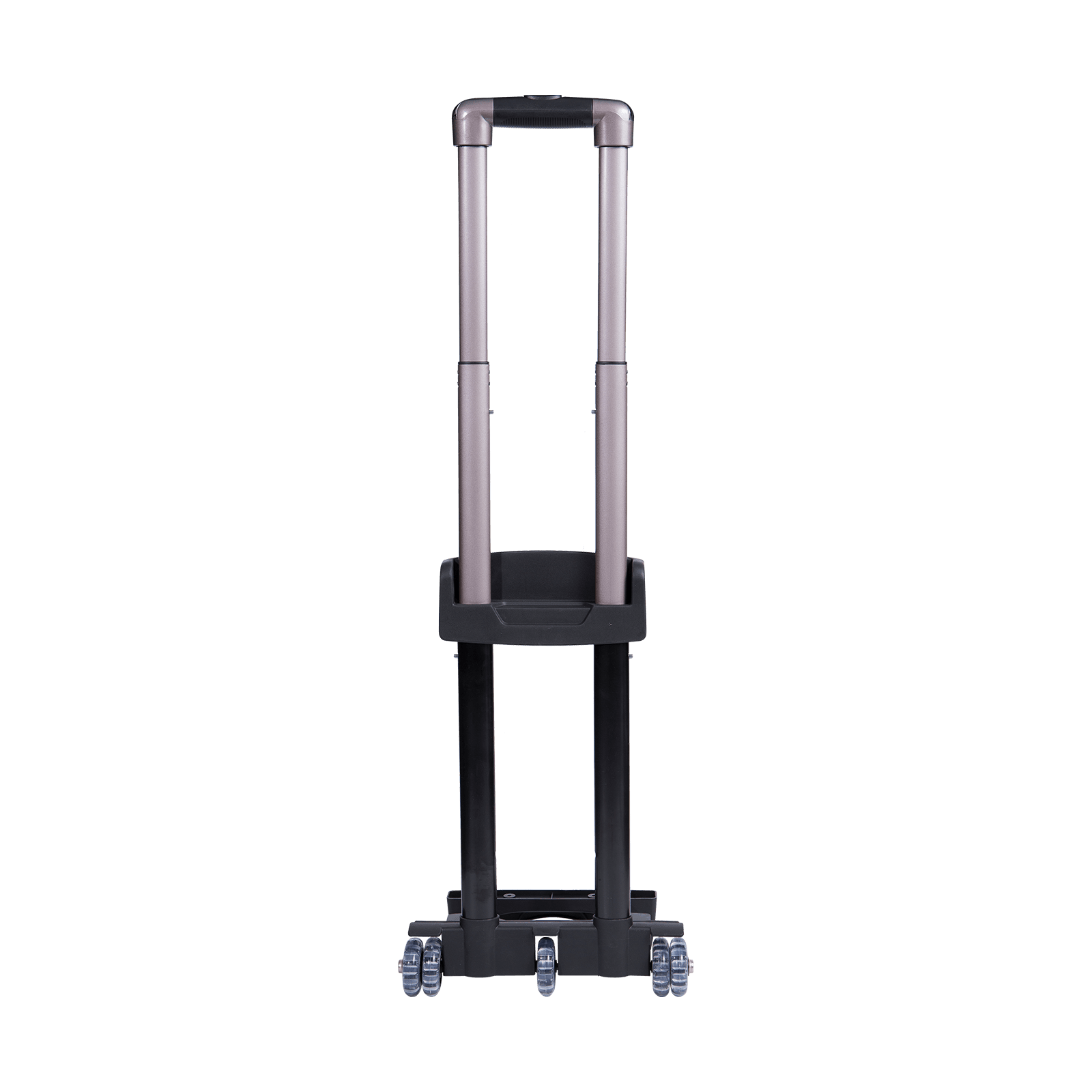
Double-bar systems consist of two parallel tubes that extend and retract simultaneously, connected at the top by a grip handle. This design provides superior stability and balance when pulling the luggage. Most mid-range and premium suitcases use this configuration. The weight of the bag is distributed evenly across two columns, reducing strain on the mechanism and offering a smoother rolling experience over uneven surfaces.
Recessed vs. External Pull Rods
Recessed pull rods are integrated into the body of the suitcase, meaning the tubes sit flush within a channel built into the bag's frame or lining. This design maximizes interior packing space and gives the suitcase a cleaner look. External pull rods, on the other hand, sit on the outside of the bag. While they may slightly reduce interior volume, they are generally easier and cheaper to repair or replace.
Materials Used in Pull Rod Construction
The durability of a pull rod depends heavily on the material used to construct its tubes and locking mechanism. Here is a breakdown of the most common materials:
| Material | Pros | Cons |
| Aluminum | Lightweight, strong, corrosion-resistant | Can dent under heavy impact |
| Stainless Steel | Very durable, handles heavy loads | Heavier than aluminum |
| ABS Plastic | Low cost, lightweight | Prone to cracking under stress |
| Carbon Fiber | Extremely strong and light | Expensive, rare in standard luggage |
For most travelers, aluminum pull rods represent the best balance between weight and durability. Stainless steel is a solid choice for frequent flyers who prioritize long-term reliability over lighter carry weight. Avoid luggage with pull rods that rely heavily on plastic components in the telescoping section, as these are the first parts to fail under repeated use.
Common Luggage Pull Rod Problems and Their Causes
Even high-quality pull rods can develop issues over time. Recognizing the early signs of wear can help you address problems before they become travel disasters.
- Pull rod won't extend or retract: This is usually caused by dirt, sand, or grit lodged inside the tube channels. Bag handlers at airports often drop luggage on abrasive surfaces, pushing debris into the telescoping mechanism.
- Handle doesn't lock at the desired height: The locking button mechanism uses a small spring-loaded pin that can wear down or bend over time. Once the pin no longer engages properly with the notches in the inner tube, the rod collapses unexpectedly.
- Wobbly or loose handle: Loose rivets or a cracked housing at the base of the pull rod system allow the tubes to shift laterally. This is common in luggage with plastic housing that fatigues with use.
- Bent pull rod tube: Rough baggage handling, being overpacked luggage, or compression in overhead compartments can bend the inner or outer tube, preventing smooth extension and retraction.
- Completely detached handle: In the worst cases, the top grip separates entirely from the tubes due to a failed weld, broken rivet, or cracked plastic connector.
How to Fix a Luggage Pull Rod at Home
Many pull rod issues are repairable without professional help or expensive replacement. Here are practical steps for the most common problems:
Cleaning a Stuck or Stiff Rod
Start by fully retracting the rod and using compressed air to blow debris out of the tube channels. Then extend the rod slowly while spraying a silicone-based lubricant (not WD-40, which attracts more dust) along the exposed sections of the inner tube. Work the rod in and out repeatedly to distribute the lubricant evenly. Wipe away any excess to prevent residue buildup. This simple cleaning process resolves the majority of stiff or stuck pull rod complaints.
Fixing a Faulty Locking Button
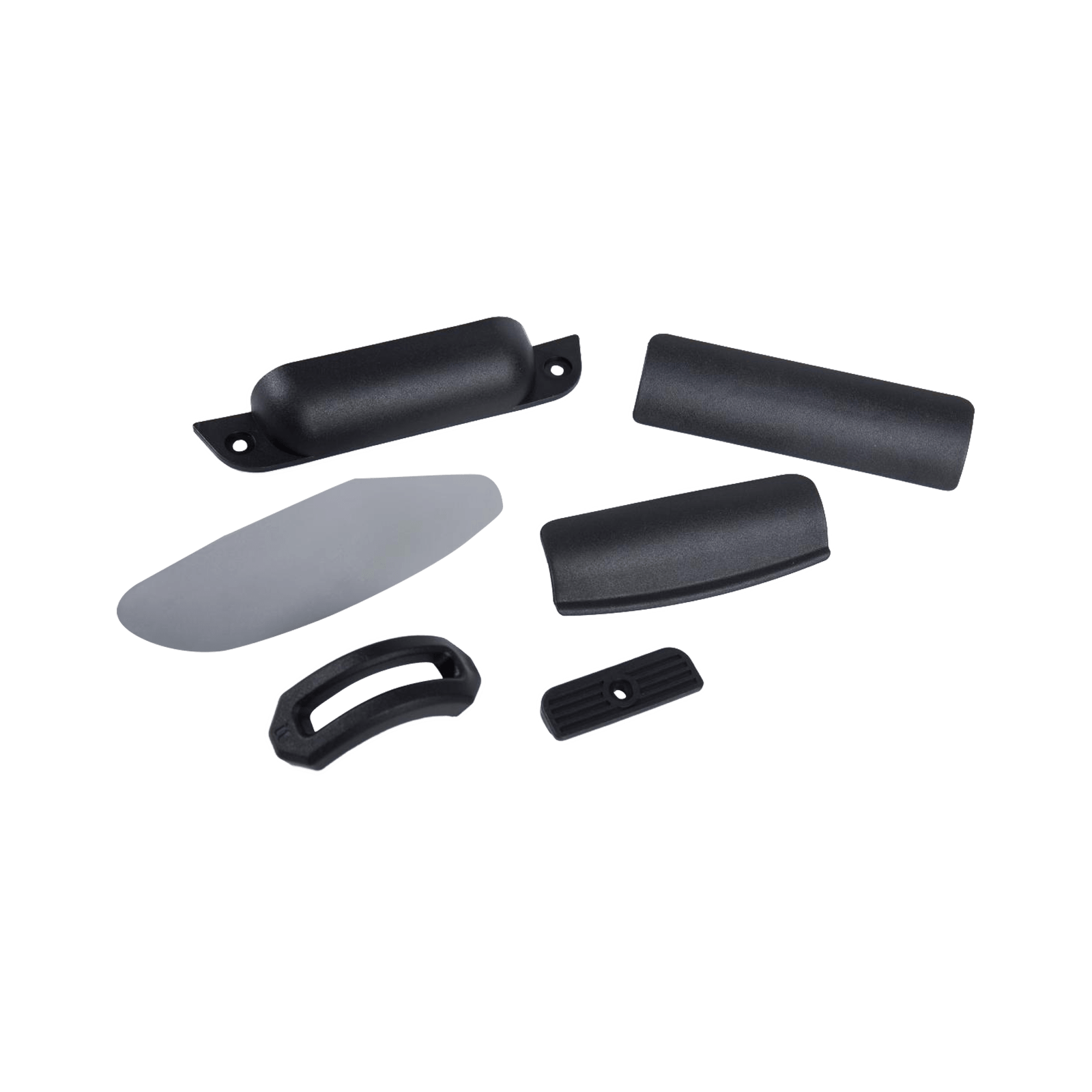
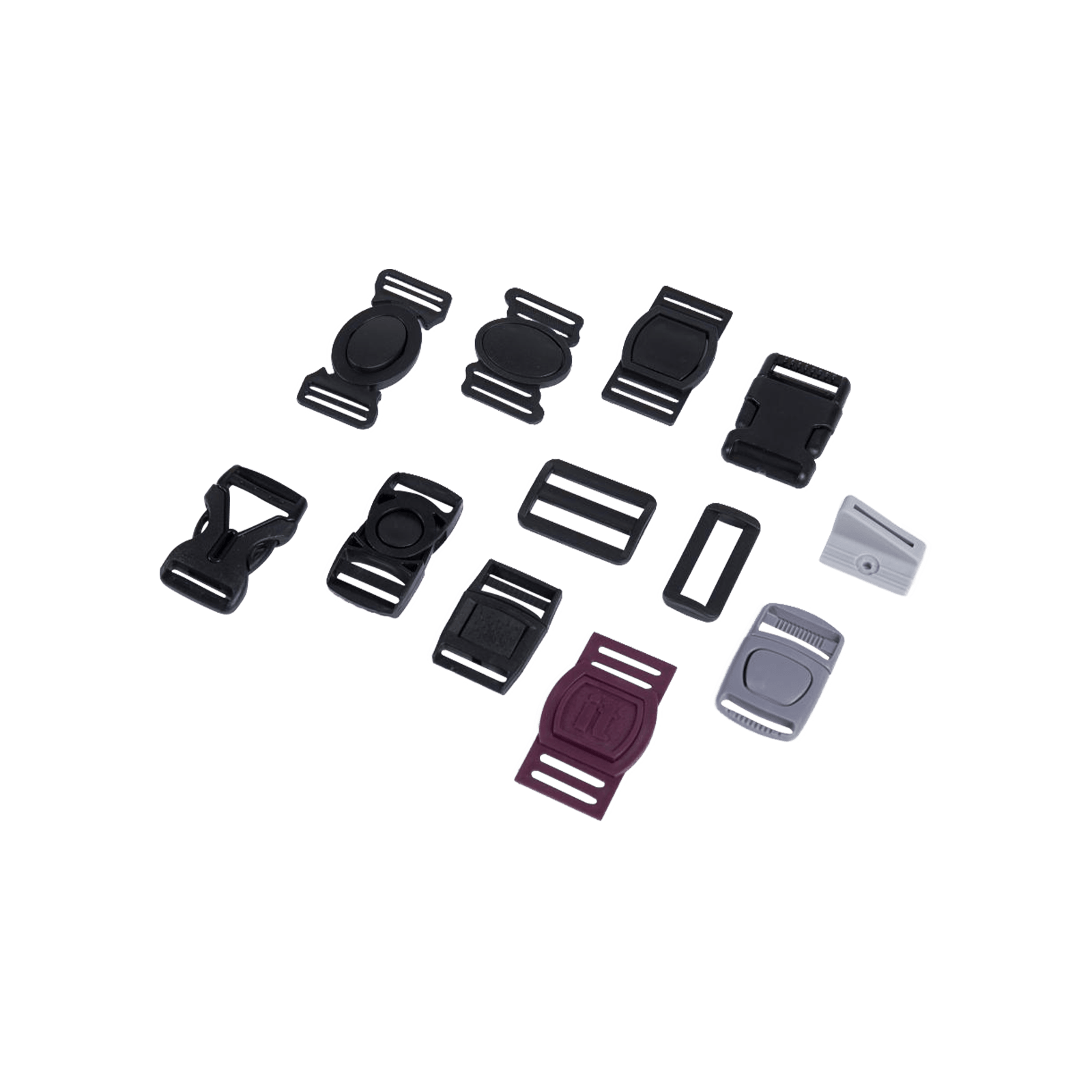
If the height-locking button no longer clicks securely, open the top grip housing (usually held by screws or clips) and inspect the spring and pin inside. A bent spring can often be gently straightened with needle-nose pliers. If the pin is worn down, replacement button kits are available online for under $10 and fit most standard handle designs. Make sure to note the tube diameter of your luggage before ordering.
Replacing the Entire Pull Rod System
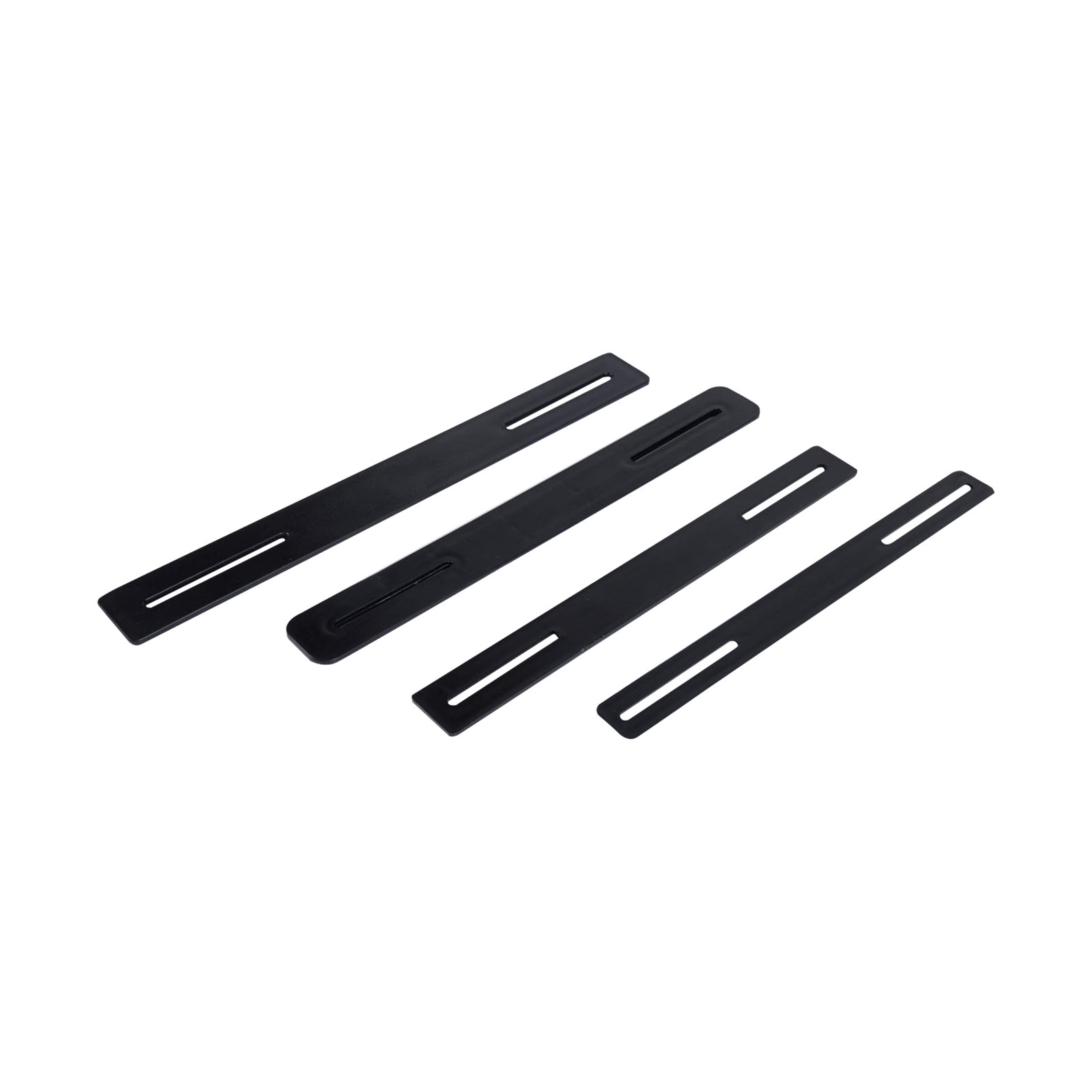
For bent tubes or completely detached handles, a full pull rod replacement may be necessary. Replacement systems are sold by luggage parts suppliers and come in standard widths (typically 15mm, 18mm, or 22mm between tubes). The process involves opening the lining of the suitcase, unscrewing or unbolting the base of the old system, sliding it out through the top opening, and installing the new assembly in reverse order. This repair is achievable in under an hour with basic tools and can extend the life of an otherwise good suitcase by years.
What to Look for When Buying Luggage with a Quality Pull Rod
When shopping for new luggage, the pull rod system should be one of your primary evaluation points. Here's what to check before you buy:
- Number of height positions: A good pull rod should offer at least two or three locking positions to accommodate travelers of different heights. More adjustment positions mean greater comfort over long walks through terminals.
- Maximum extension length: For comfortable use, the handle should extend to at least 38–42 inches from the ground when fully opened, which suits most adult heights when pulling alongside the body.
- Grip handle ergonomics: Press and hold the button release while testing in-store. The grip should feel solid, wide enough to hold comfortably, and the button should require deliberate pressure to prevent accidental retraction.
- Play or wobble at full extension: With the rod fully extended, apply light lateral pressure. Any excessive side-to-side movement indicates loose tolerances in the tube fitting, which will worsen with use.
- Warranty and spare parts availability: Reputable luggage brands offer warranties that specifically cover pull rod defects. Brands that also sell replacement parts signal confidence in repairability—a strong sign of overall product quality.
Pull Rod Maintenance Tips for Long-Term Durability
Taking care of your luggage pull rod doesn't require much time, but consistent attention will significantly extend its functional lifespan. After every trip, retract the handle fully before storing the suitcase. Storing the rod in an extended position puts continuous tension on the locking mechanism and can cause the spring to weaken faster. Apply a small amount of silicone lubricant to the tube channels every few months if you travel frequently, or at the start of each travel season if you're an occasional traveler.
Avoid packing your suitcase beyond its recommended weight limit. Overloaded luggage puts excess downward force on the pull rod base when the bag is tilted for rolling, accelerating wear at the mounting points. When checking baggage, try to ensure the pull rod is fully retracted to minimize the chance of it catching on conveyor belts or other luggage in the cargo hold. A retracted rod is also far less likely to sustain bending damage from being stacked under heavy bags.
Finally, inspect the base mounting of the pull rod system after any trip where your luggage was visibly mishandled. Catching a loose screw or a hairline crack in the housing early—before it becomes a structural failure—can be the difference between a quick fix and a full replacement. With proper care and the right knowledge, a quality luggage pull rod can outlast the rest of the suitcase by a wide margin.