

 Español
Content
- 1 Understanding the Different Types of Pet Carrier Bags
- 2 Determining the Correct Size for Your Pet
- 3 Essential Features for Comfort and Safety
- 4 Airline Compliance and Travel Considerations
- 5 Material Quality and Ease of Cleaning
- 6 Comfort Features for Extended Use
- 7 Special Considerations for Different Pet Types
- 8 Budget Considerations and Value Assessment
- 9 Introducing Your Pet to Their New Carrier
Understanding the Different Types of Pet Carrier Bags
Pet carrier bags come in numerous styles, each designed for specific transportation needs and pet types. The most common varieties include soft-sided carriers made from fabric materials like nylon or polyester, hard-sided carriers constructed from rigid plastic or reinforced materials, backpack-style carriers that distribute weight across your shoulders, sling carriers for smaller pets that rest against your body, and wheeled carriers that combine portability with reduced physical strain. Understanding the distinct advantages and limitations of each type helps you select the carrier that best matches your pet's size, temperament, and your typical travel scenarios.
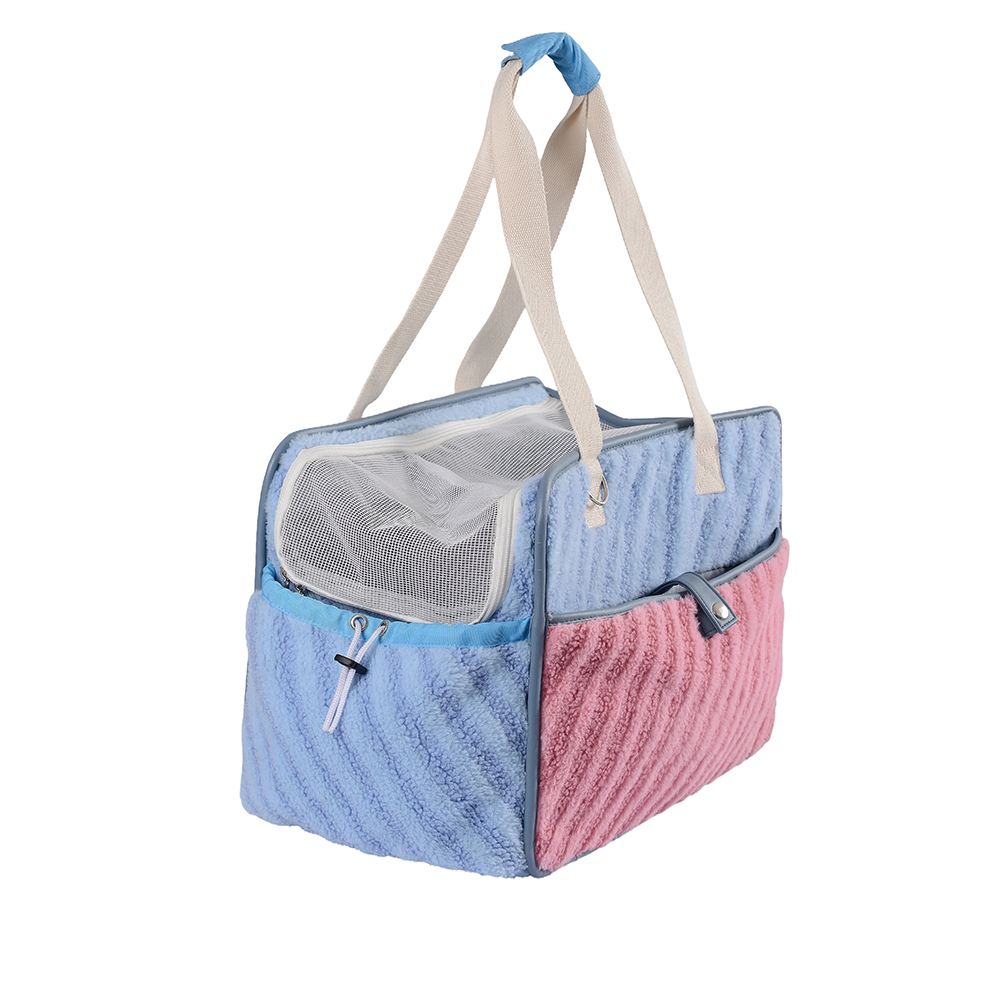
Soft-sided carriers dominate the market due to their versatility, lightweight construction, and ability to compress slightly for fitting under airline seats or into tight spaces. These carriers typically feature mesh panels for ventilation and visibility, padded interiors for comfort, and shoulder straps or handles for carrying. Hard-sided carriers offer superior protection during transport and easier cleaning but add considerable weight and bulk. Backpack carriers appeal to hikers and active pet owners who need hands-free carrying, while sling carriers work well for calm, smaller pets during quick errands. Wheeled carriers suit owners with mobility limitations or larger pets, though they prove less practical on stairs or uneven terrain. The ideal carrier type depends on your pet's characteristics, your physical capabilities, and how you plan to use the carrier most frequently.
Determining the Correct Size for Your Pet
Selecting the appropriate carrier size is critical for your pet's comfort and safety during transport. A carrier that is too small restricts movement and causes stress, while an oversized carrier provides insufficient security and allows your pet to slide around during travel. To determine the correct size, measure your pet accurately while they are standing in a natural position. Measure from the tip of their nose to the base of their tail for length, from the floor to the top of their head or ears for height, and across the widest part of their body for width. Add 2-4 inches to each measurement to ensure adequate space for your pet to stand, turn around comfortably, and lie down in a natural position.
Different manufacturers use varying sizing systems, so always consult specific product dimensions rather than relying solely on size labels like "small," "medium," or "large." These designations lack standardization across brands and can vary significantly. Weight limits also matter—carriers specify maximum weight capacities that account for both the pet and any bedding or accessories inside. Exceeding weight limits compromises structural integrity and carrying comfort. For growing puppies or kittens, consider sizing up to accommodate future growth, though extremely oversized carriers can feel insecure to young pets. When in doubt between two sizes, the larger option typically provides better comfort, assuming it still meets any space restrictions like airline seat dimensions if you plan to fly with your pet.
| Pet Weight | Typical Carrier Size | Interior Dimensions | Best For |
| Up to 8 lbs | Extra Small | 14" L × 8" W × 9" H | Small cats, toy breeds, young kittens |
| 8-12 lbs | Small | 17" L × 10" W × 10" H | Average cats, small dogs (Chihuahua, Yorkie) |
| 12-18 lbs | Medium | 19" L × 12" W × 12" H | Large cats, small-medium dogs (Pug, Shih Tzu) |
| 18-25 lbs | Large | 22" L × 14" W × 14" H | Medium dogs (Cocker Spaniel, French Bulldog) |
Essential Features for Comfort and Safety
The best pet carrier bags incorporate specific features that prioritize your pet's comfort and safety during transport. Adequate ventilation ranks among the most critical features—look for carriers with mesh panels on at least two sides, preferably three or four, to ensure proper airflow from multiple directions. This prevents overheating and provides your pet with visibility to their surroundings, which can reduce anxiety. The mesh should be durable enough to resist clawing while maintaining openness for maximum air circulation. Reinforced mesh with small openings prevents pets from pushing through or getting limbs caught.
Secure closures and entry points protect against accidental escapes that could endanger your pet in unfamiliar or dangerous environments. Quality carriers feature double-zipper systems that can be locked together with clips or small carabiners for added security. The zippers should operate smoothly without catching on fabric or mesh, and zipper pulls should be large enough to grip easily while managing an anxious pet. Some carriers include safety tethers inside that attach to your pet's harness, providing a backup restraint if the carrier opens unexpectedly. Interior padding or removable cushions enhance comfort during extended travel, with washable materials being preferable for easy cleaning after accidents or shedding.
Structural Support and Durability
Even soft-sided carriers should incorporate structural elements that prevent collapse when your pet moves inside. Internal wire frames, rigid base boards, or semi-rigid panels in the walls maintain the carrier's shape and protect your pet from being crushed if the carrier is bumped or squeezed. The base should remain flat and stable, preventing your pet from sliding around during movement. Inspect construction quality by examining stitching at stress points—double or reinforced stitching at handle attachments, zipper installations, and corner seams indicates superior durability. The materials themselves should resist tears and punctures from claws, with 600-denier or higher nylon providing good durability for most applications.
Airline Compliance and Travel Considerations
If you plan to fly with your pet in the cabin, selecting an airline-compliant carrier is non-negotiable. Airlines specify maximum dimensions for under-seat pet carriers, and these requirements vary by airline and even by aircraft type. Before purchasing a carrier, check the specific requirements for airlines you commonly use. Most airlines allow carriers measuring approximately 18 inches long by 11 inches wide by 11 inches high, but some have more restrictive limits. The carrier must fit completely under the seat in front of you without protruding into the aisle, and many airlines require that your pet can stand and turn around inside the carrier even when it is compressed to fit the space.
Soft-sided carriers work best for air travel because they can compress slightly to fit under seats while still providing adequate space for your pet once positioned. Look for carriers specifically marketed as airline-approved, though always verify dimensions against your airline's requirements rather than relying on this marketing claim alone. Features particularly valuable for air travel include waterproof or water-resistant bottoms in case of accidents, storage pockets for documentation and supplies, and the ability to attach the carrier to rolling luggage for easier navigation through airports. Some travel-oriented carriers feature expandable sections that provide extra room when you are not constrained by airline seat dimensions, allowing use both for flights and other travel situations.
Material Quality and Ease of Cleaning
Pet carrier materials must withstand claws, teeth, accidents, and regular cleaning while maintaining their structural integrity and appearance. High-quality carriers use durable fabrics like ballistic nylon, ripstop nylon, or heavy-duty polyester that resist tearing and puncturing. The interior fabric should be easy to wipe clean or machine washable, as accidents inevitably occur during transport, especially with anxious pets or those with medical conditions. Removable and washable floor pads or cushions simplify cleanup and allow for regular laundering to maintain hygiene and eliminate odors.
Water-resistant or waterproof materials and coatings provide significant practical advantages. A waterproof bottom prevents accidents from leaking through onto your car seat, airplane floor, or clothing, containing messes within the carrier for easier cleanup. Some carriers feature completely waterproof interiors that can be wiped out or even hosed down for thorough cleaning. Consider how easily you can access the interior for cleaning—wide openings and removable components make maintenance much simpler than carriers with small entry points or non-removable padding. Dark-colored interiors show stains less visibly than light colors, though light colors make it easier to spot soiling that needs attention.
Comfort Features for Extended Use
When you need to carry your pet for extended periods, carrier comfort features become crucial for both you and your pet. For the carrier, look for padded shoulder straps that distribute weight evenly and prevent digging into your shoulders during extended carrying. Adjustable straps allow you to customize the fit to your body size and carrying preferences. Some carriers include both shoulder straps and hand handles, providing carrying options depending on distance and duration. Cross-body straps work particularly well for heavier pets, as they distribute weight across your torso rather than concentrating it on one shoulder.
For your pet's comfort, interior climate control features enhance the travel experience during warm weather. Reflective strips or light-colored exteriors reduce heat absorption from sunlight. Raised floor designs with air gaps underneath promote airflow around your pet's body. Some premium carriers include battery-powered fans or cooling pads for use in hot conditions, though these add complexity and maintenance requirements. Privacy flaps or covers that roll down over mesh openings help anxious pets feel more secure in overstimulating environments while still maintaining ventilation. Consider whether your pet prefers visibility and stimulation or finds enclosed spaces more calming when selecting between fully mesh carriers and those with more solid panels.
Special Considerations for Different Pet Types
Different pets have varying carrier needs based on their species, breed characteristics, and individual temperaments. Cats generally prefer carriers with more enclosed sides that provide hiding spots and security, while dogs often do better with maximum visibility to see their owners and surroundings. Brachycephalic breeds with shortened muzzles including Pugs, French Bulldogs, Persian cats, and similar breeds require extra ventilation due to their compromised breathing, making carriers with extensive mesh panels essential for their safety.
- Anxious pets benefit from carriers with solid bottoms and sides that create den-like environments, paired with familiar bedding carrying home scents to provide comfort in stressful situations.
- Elderly or mobility-impaired pets need carriers with very easy entry—top-loading carriers with large openings allow you to gently place pets inside rather than coaxing them through narrow end entrances.
- Escape-artist pets require carriers with exceptionally secure closures, reinforced mesh, and possibly interior tethers to prevent Houdini-like departures during transport.
- Multi-pet carriers exist for bonded pairs of small pets who travel better together, though ensure adequate space and monitor for any aggressive behavior in confined quarters.
- Rabbits and other small animals often do better in carriers with solid floors rather than wire bottoms that can injure delicate feet, and appreciate hiding boxes or tunnels inside the carrier.
Budget Considerations and Value Assessment
Pet carrier bags range from under twenty dollars for basic models to several hundred dollars for premium designer options. While expensive does not always mean better, extremely cheap carriers often compromise on crucial features like ventilation, structural integrity, and safety closures. A mid-range carrier typically costing fifty to one hundred dollars usually provides the best value, incorporating quality materials, essential safety features, and reasonable durability without unnecessary luxury elements. Consider how frequently you will use the carrier—occasional users for annual vet visits can justify budget options, while frequent travelers should invest in durable, comfortable carriers that will withstand regular use.
Evaluate value by examining cost per use and considering the carrier's expected lifespan. A one hundred dollar carrier used weekly for five years costs approximately forty cents per use, representing excellent value if it maintains functionality throughout that period. Conversely, a twenty dollar carrier that tears or breaks after six months and requires replacement costs more in the long term while causing stress and potential safety issues when it fails. Read reviews from other pet owners with similar pets and use cases to gauge real-world durability and performance. Watch for common complaints about specific models including zipper failures, mesh tearing, handle detachment, or structural collapse, as these issues indicate design or quality problems that should influence your purchasing decision.
Introducing Your Pet to Their New Carrier
Even the perfect carrier will cause stress if your pet associates it exclusively with negative experiences like vet visits. Successful carrier introduction involves making the carrier a familiar, positive presence in your pet's environment well before you need to use it for transport. Place the carrier in a common area of your home with the door open, allowing your pet to investigate it at their own pace without pressure. Put treats, favorite toys, or meals inside the carrier to create positive associations. Some pets willingly nap in carriers when they become familiar, comfortable spaces rather than threatening objects that only appear before stressful events.
For anxious pets, gradual desensitization helps reduce carrier-related stress. Start by rewarding your pet for approaching the carrier, then for putting their head inside, then for entering fully, and finally for remaining inside with the door closed briefly. Extend the duration gradually over days or weeks, always keeping experiences positive and ending training sessions before your pet becomes anxious. Spray the carrier interior with calming pheromone products designed for cats or dogs, which can reduce stress during actual use. Never use the carrier as punishment or force your pet inside aggressively, as this creates lasting negative associations that make future use increasingly difficult. Patience during introduction pays dividends in reduced stress for both you and your pet during necessary transport situations throughout their life.