

 Español
Content
Picture the scene: you have just grabbed your checked bag from the carousel at the airport, the TSA-approved lock is still firmly closed, and the key that opens it is sitting in a drawer at home. Or the three-digit code you set before the trip has simply vanished from your memory. Before anyone reaches for a crowbar, here is the short answer: a TSA lock without its key is a nuisance, not a dead end. Depending on the style of your lock, you have four to six practical ways to open it, and only one of them requires cutting anything. Most of these methods take less than fifteen minutes and leave the lock fully reusable.
Know What Kind of TSA Lock You Are Dealing With
TSA-approved locks are built on a deliberate compromise. They keep opportunistic thieves away from your belongings while giving airport security agents access through a universal master key. On your side, you open the lock in one of two ways: with a small mechanical key you carry, or with a three-digit combination you set. Combination-style models make up the vast majority of TSA locks sold today, which works in your favor: on a combination lock, there is no traveler key to lose, so your access problem is only a memory problem. The real difficulty begins when the code is gone.
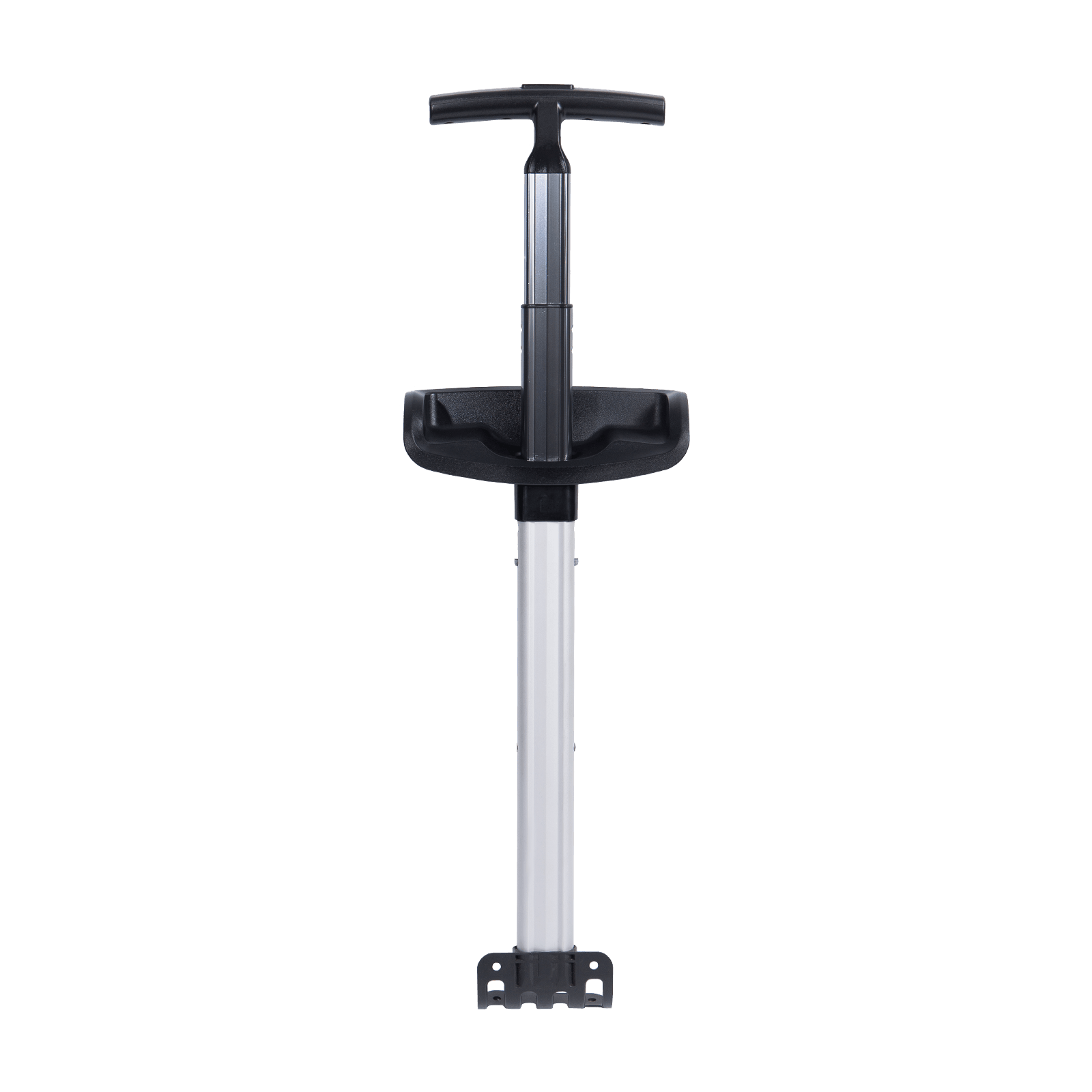
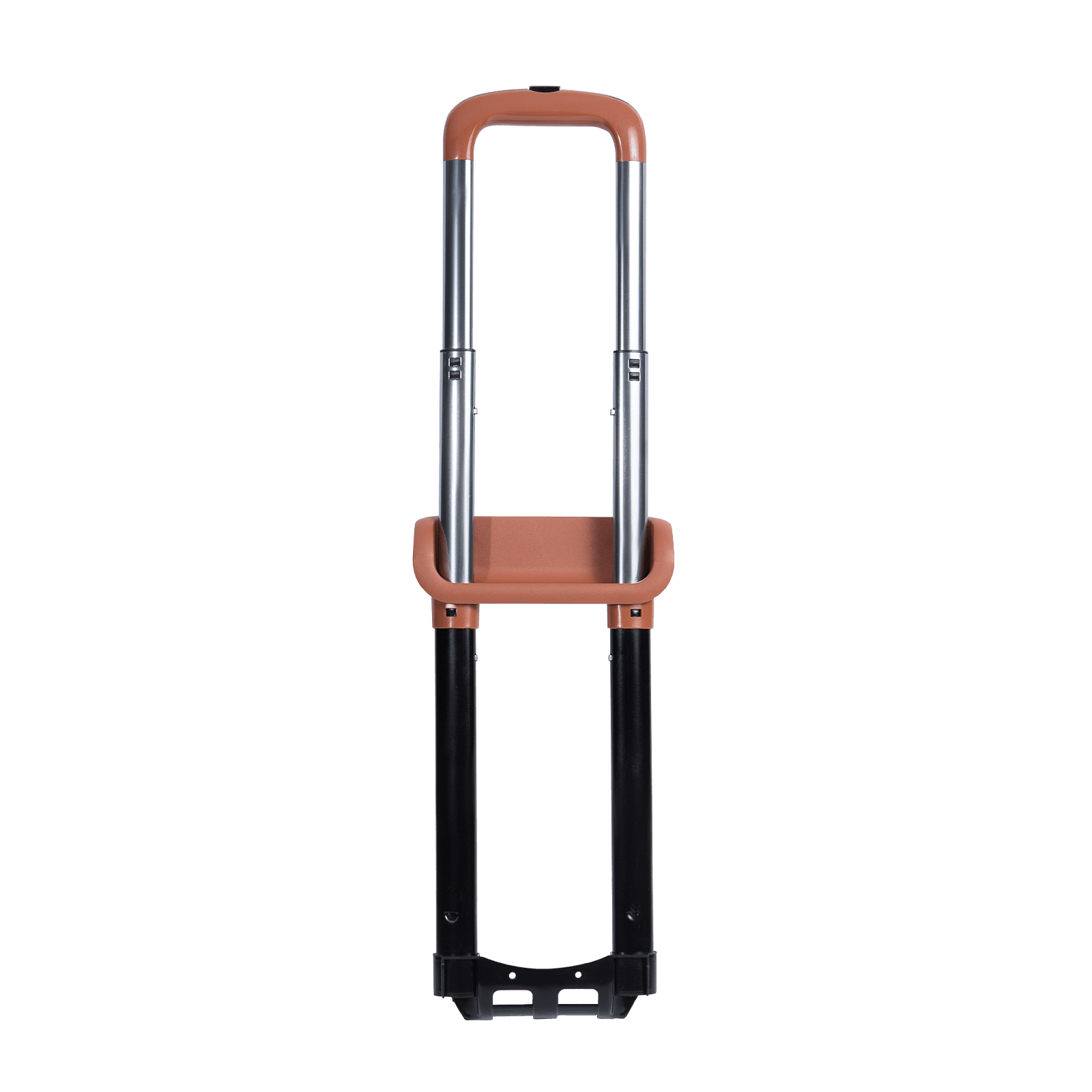
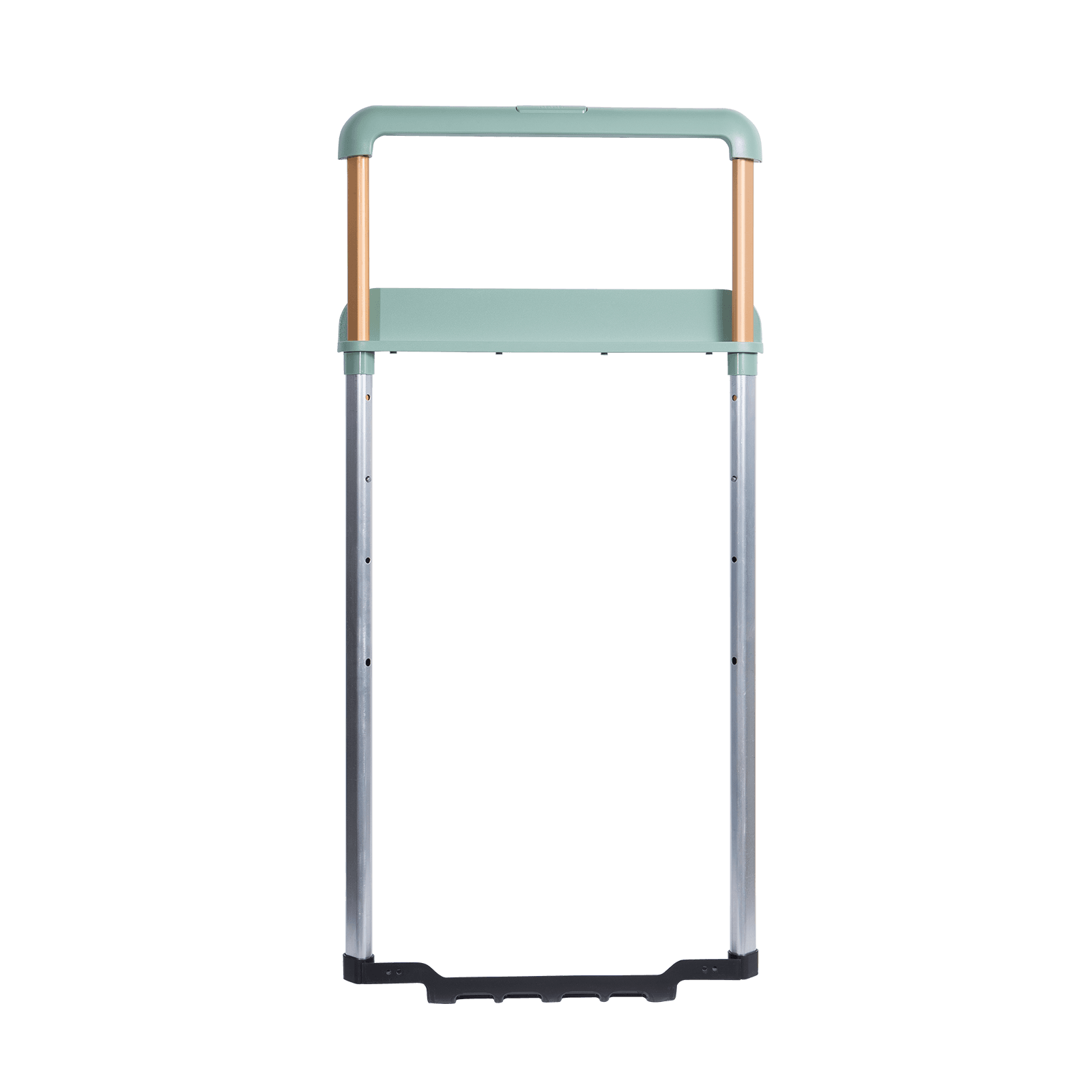
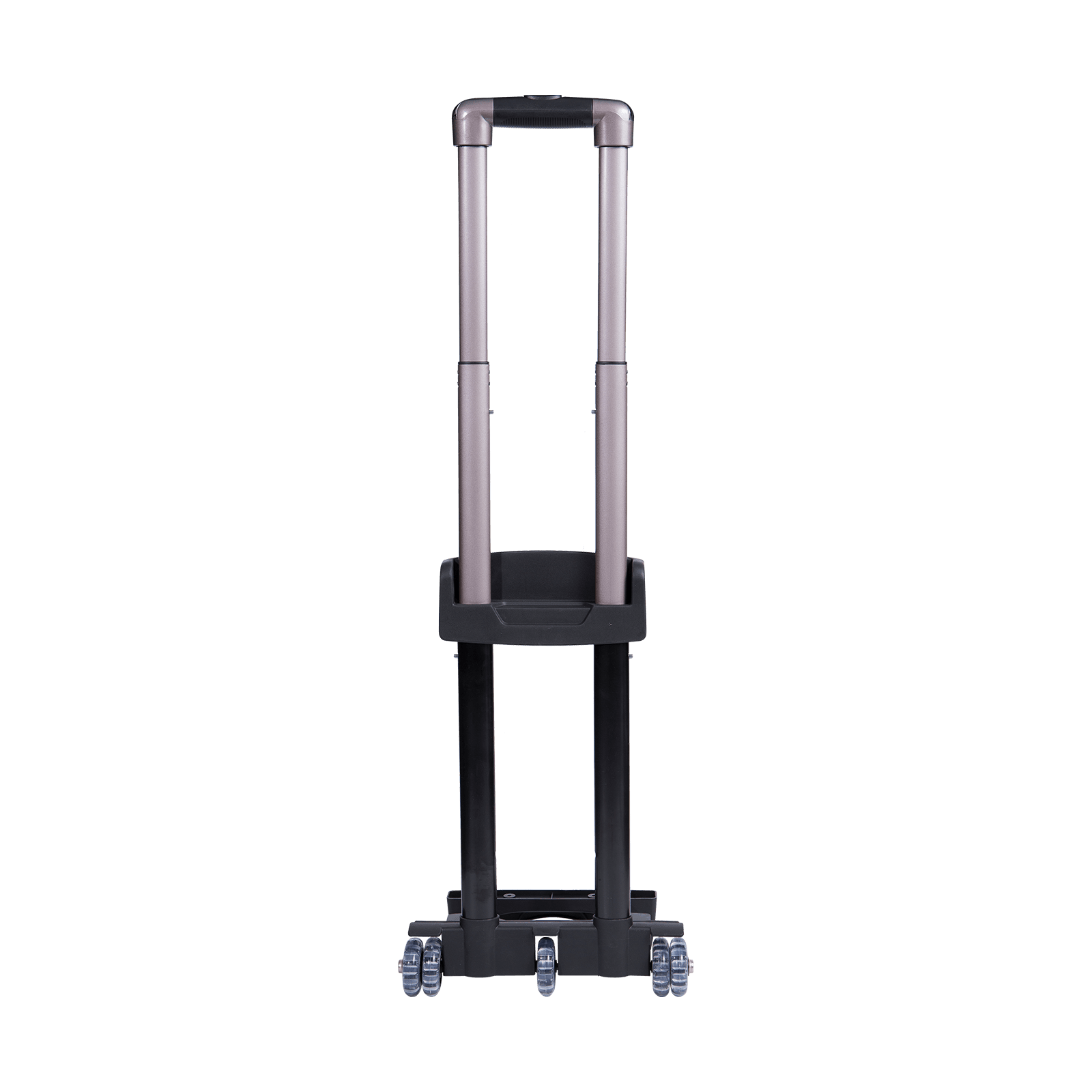
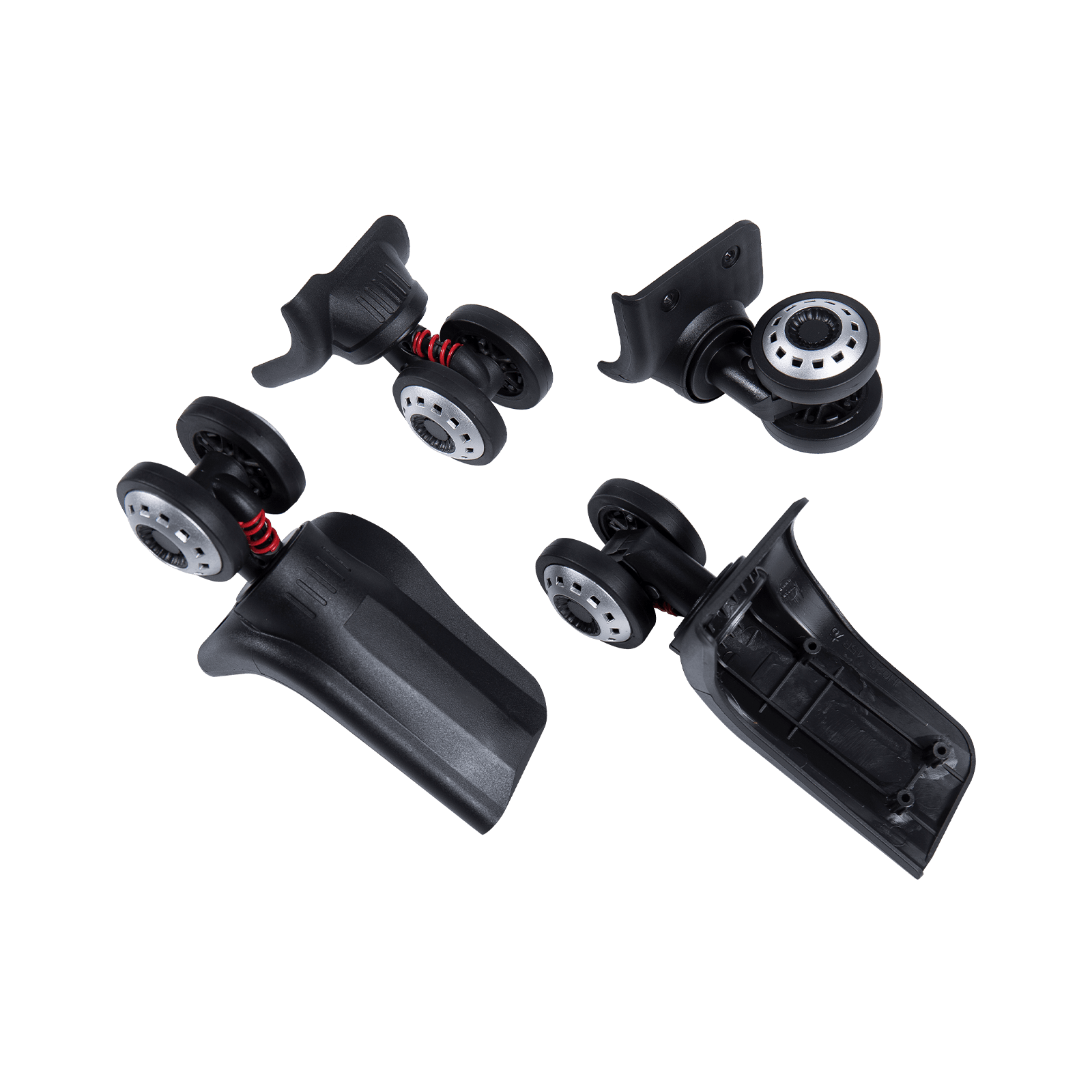
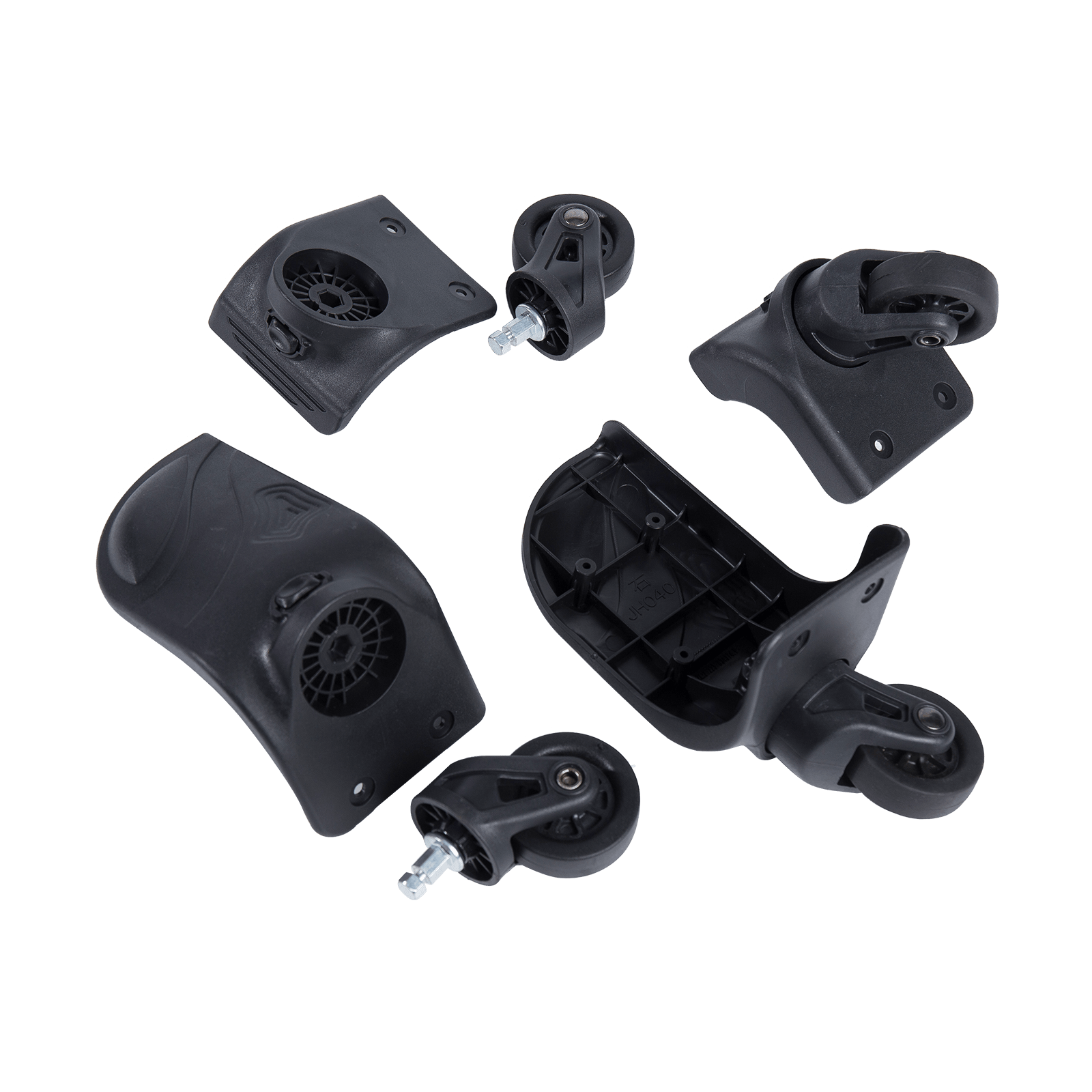
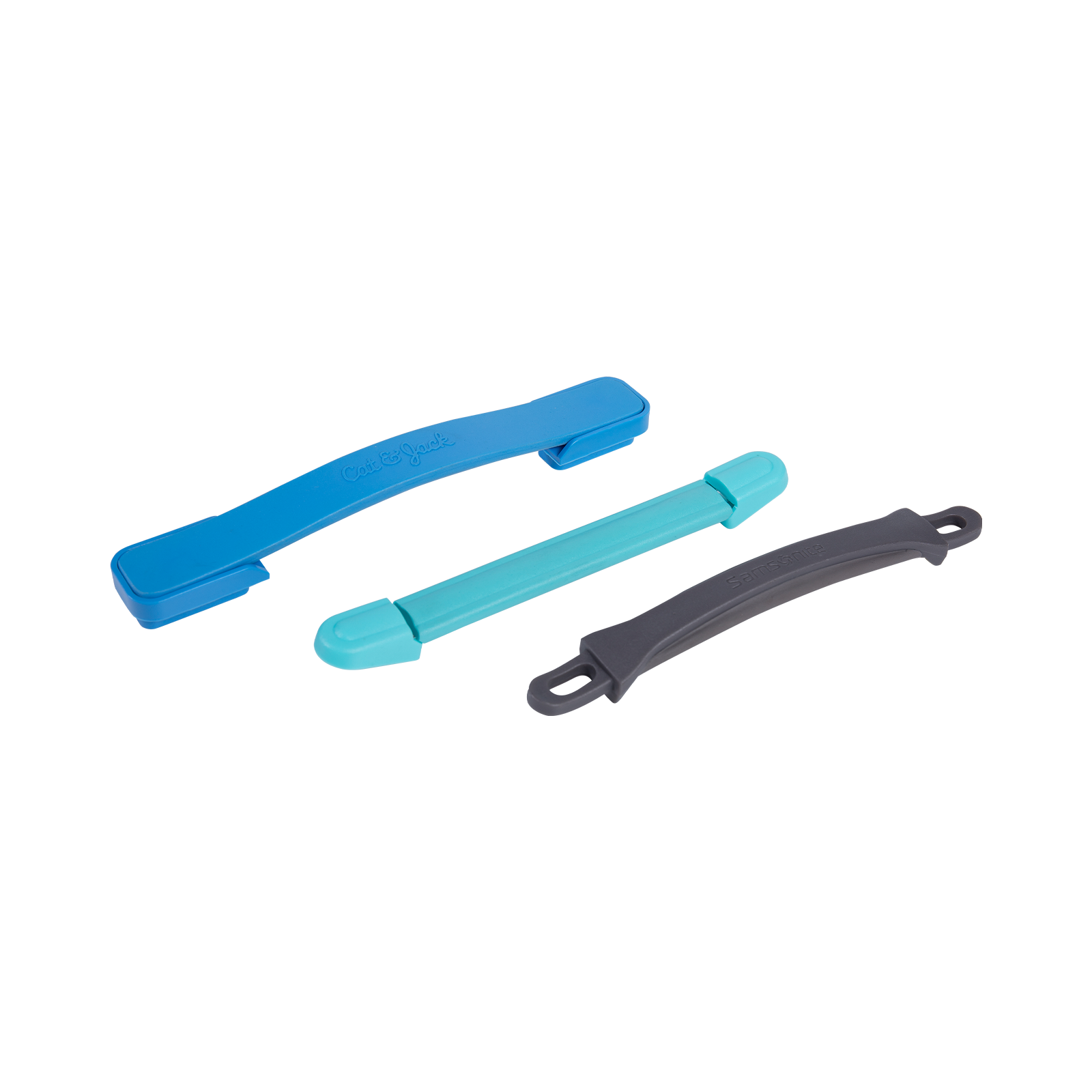
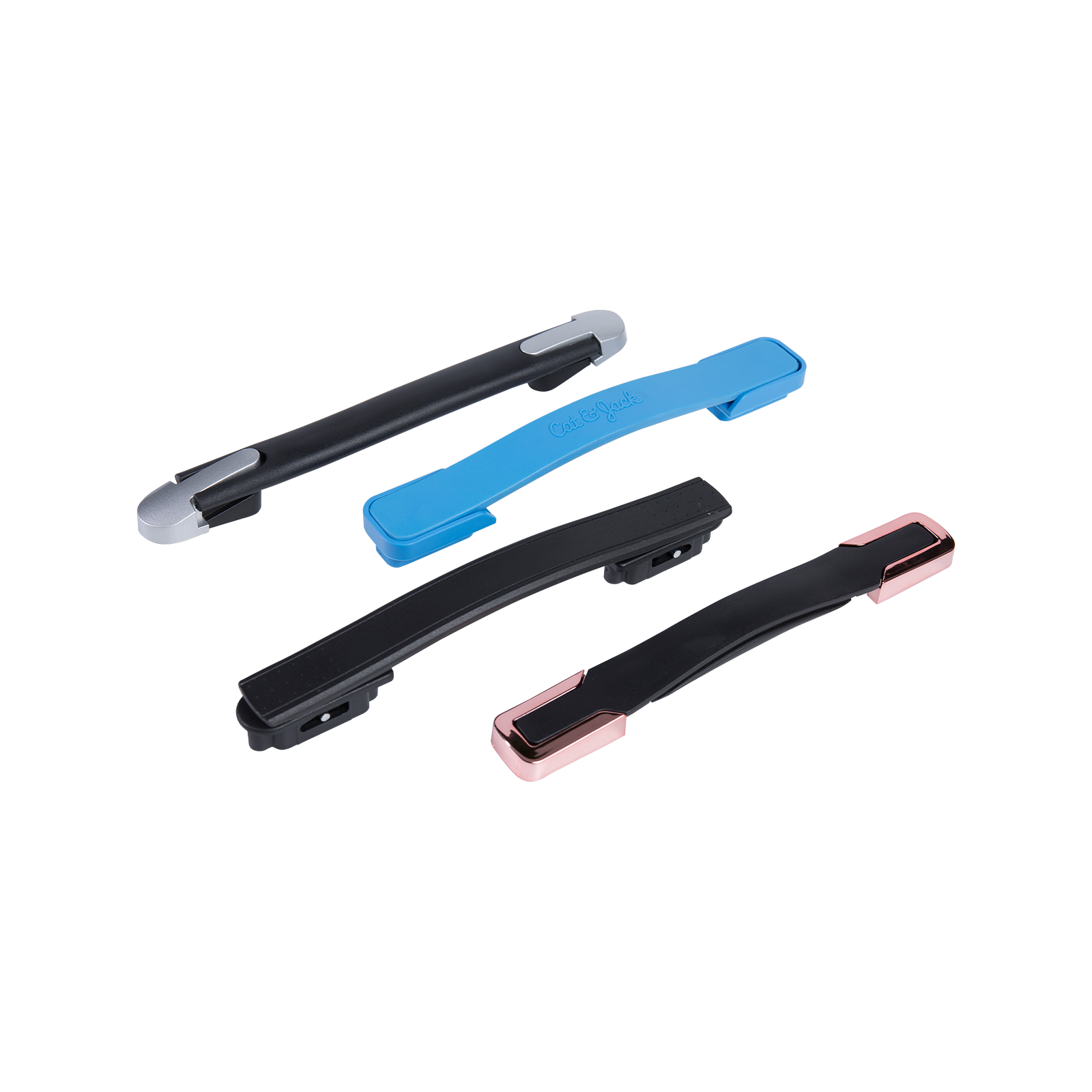
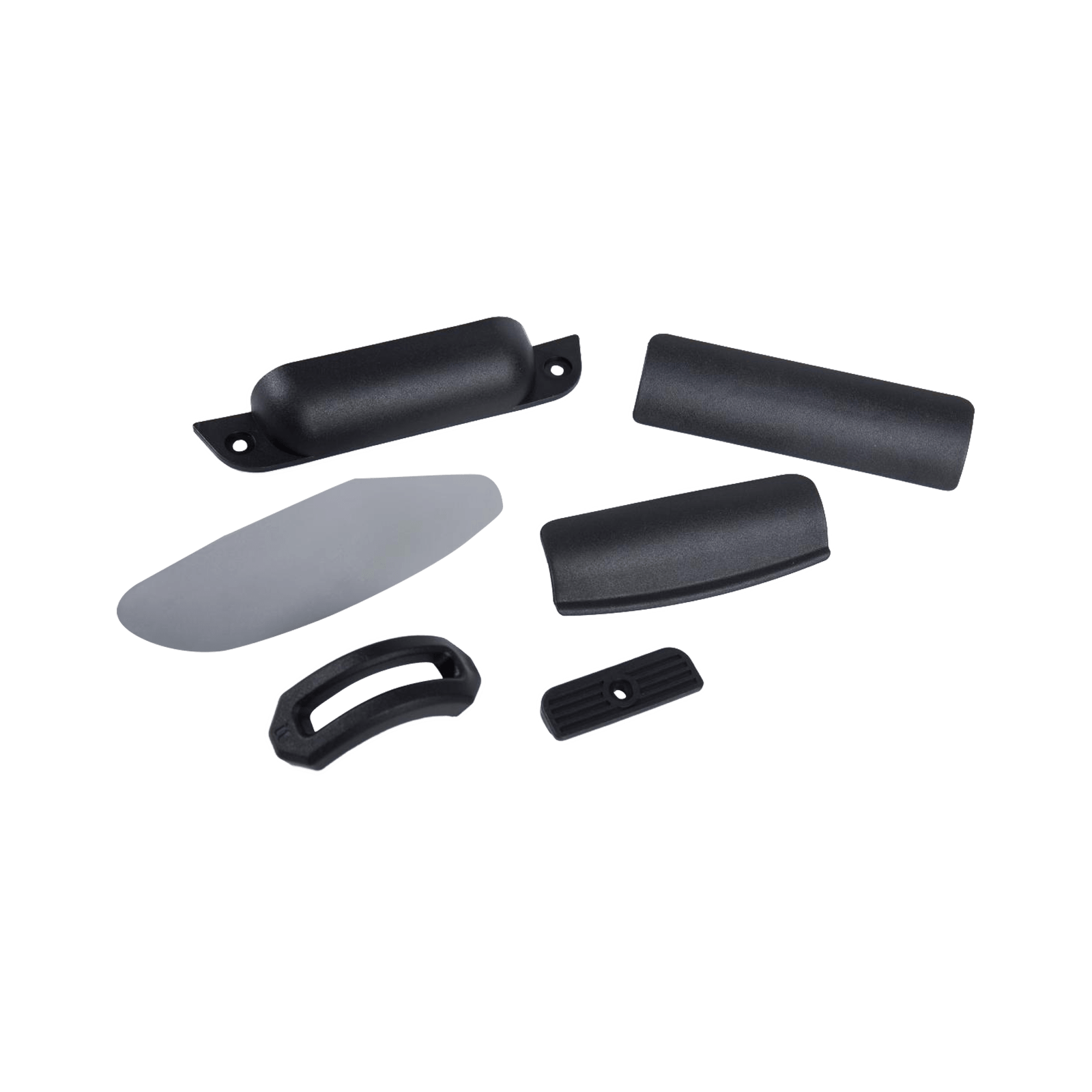
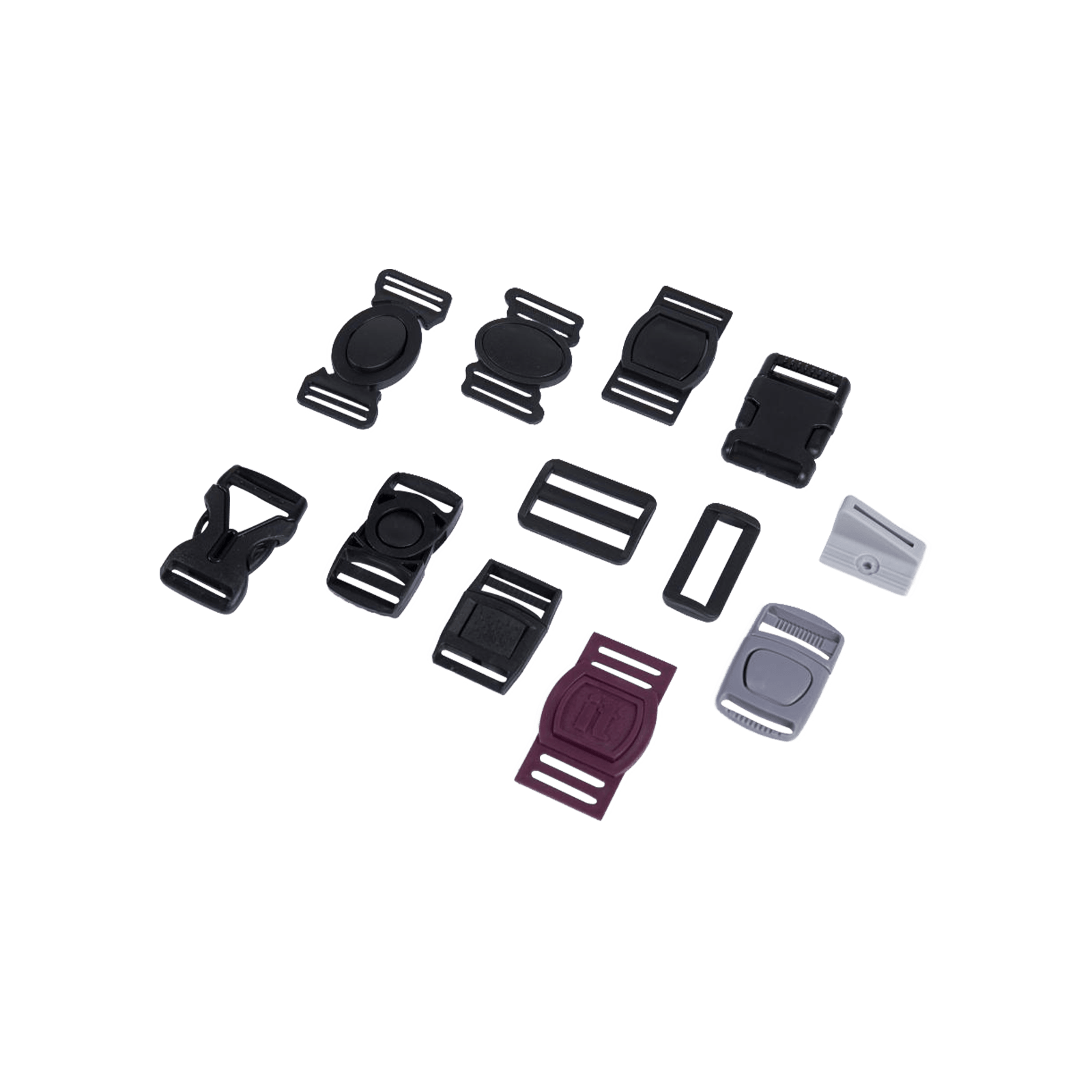
A TSA lock is one component in a broader system of hardware that keeps a suitcase hauling smoothly from home to hotel: handles, wheels, telescopic pull rods and latches all share the workload. Understanding the luggage parts that hold up helps you judge whether a frustrating lock is worth repairing, resetting or replacing. The methods below apply to both padlock-style TSA locks and the compact integrated zipper locks that come standard on most hard-shell suitcases.
Six Ways to Open a TSA Lock Without a Key
Work through these methods in order. Each one is more aggressive than the last, and none of them require specialist tools.
1. Try the Default Code Before Anything Else
Most factory-produced TSA locks leave the assembly line set to 000, 001 or 123. If you bought the lock, attached it to your bag and never changed the code, there is a strong chance that 000 opens it right now. Pull the shackle, or press the release button on zipper-style locks, and rotate each dial slowly. On many mechanisms the lock pops the moment the correct digit lines up, so you will feel the shackle loosen on the right number. Try 000 first, then 111, 123 and 999. If you remember a code but the lock refuses to open, nudge all three dials down one number and retry; worn dials often sit one notch away from the true combination. If these quick attempts fail, move on to the systematic methods below.
2. Dial Through Every Possible Combination
If the default codes do not work, you can systematically brute-force the lock. A standard TSA combination lock has three dials, giving exactly 1,000 possible codes between 000 and 999. Start at 000 and proceed in a fixed sequence:
- Hold the shackle under light, steady tension.
- With the first two dials at 0, rotate the third dial through 0 to 9.
- Advance the second dial by one and repeat step 2.
- When the second dial completes a full turn, advance the first dial by one and reset the second dial to 0.
- Continue until the shackle releases.
At roughly one number per second, the full sweep takes fifteen to twenty minutes. It is repetitive, yes, but it is also the one method that cannot fail, and it leaves the lock intact.
3. Apply Tension and Feel for the Release Point
Locksmiths call this the feeler method, and it works on a surprising share of budget TSA locks. Pull the shackle outward with steady, gentle force and rotate the first dial slowly. On many three-dial mechanisms the correct digit settles into a deeper notch in the internal cam, producing a faint click or a slightly looser sensation. Keep the tension on and move to the next dial. After the second and third dials settle, the shackle rises and the lock opens. The trick demands patience rather than strength, and it damages nothing when done gently. On higher-end locks with machined components, the feel is subtler, which is why this method is not a guarantee.
4. Use the Reset Button to Start Fresh
Most modern TSA combination locks carry a small reset button or pinhole, recessed into the side or bottom edge of the body. A ballpoint pen or a straightened paperclip is enough. Press the button firmly, keep it pressed, set a new combination you will remember, then release. The key detail is that on many locks this reset procedure works no matter which numbers the dials are sitting on, so you can reset the lock even when you do not know its current code. That means you can be inside your bag in under a minute, provided your lock has this hole and the mechanism is not seized.
5. Shim the Zipper or the Shackle
Zipper-style TSA locks can often be bypassed without touching the lock mechanism itself. Take a ballpoint pen, push the tip into the narrow gap between the zipper's two rows of teeth, and run it along the track with firm, even pressure. The pen tip forces the teeth apart just wide enough to open the bag, and the lock never needs to be unlocked. This works because an integrated zipper lock protects the zipper pull, not the zipper track itself, and it is part of the reason airport security can open the same style of bag with their own tools. On a well-made zipper the track comes through the trick unharmed; a light, cheap zipper can be distorted, so weigh the risk.
For padlock-style TSA locks, a different shim works: bend a stiff paperclip into a small L-shape, insert the short end into the shackle hole, and push upward while pulling the shackle. The clip catches the spring latch and releases it. Expect a few attempts, but on budget padlocks it often beats dialing through a thousand numbers.
6. Cut the Lock as a Final Resort
Every TSA lock is a deterrent, not a vault. If the bag has to open and every softer method has failed, a medium pair of bolt cutters snaps the shackle in seconds. TSA locks are deliberately designed to be defeatable, because a traveler who loses a key should not be stranded with a suitcase they cannot open. Position the jaws squarely on the shackle, never on the zipper teeth or the fabric, and close the handles in one clean motion. The lock is destroyed, but the bag and your schedule are saved.
| Method | Time Needed | Risk to Lock | Skill Level |
|---|---|---|---|
| Default code | Under 1 minute | None | Beginner |
| Trial method | 15-20 minutes | None | Beginner |
| Tension method | 5-10 minutes | None | Moderate |
| Reset button | Under 2 minutes | None | Beginner |
| Shim (pen or clip) | 1-5 minutes | Low | Moderate |
| Bolt cutters | Under 1 minute | Lock destroyed | Moderate |
What to Do Right After the Lock Opens
Once the bag is open, take one minute to prevent a repeat. Press and hold the reset button with a ballpoint pen, set a new code, release, and test the lock four or five times before you close the suitcase — there is no worse feeling than resealing a bag and realizing the lock does not open again. Store the new combination in a phone note, a travel app, or an airline loyalty account. If the reset mechanism on your current lock is broken, or the dials are worn, replace the lock. A fresh air-approved 3-dial travel luggage lock gives you a clean slate with a code you control.
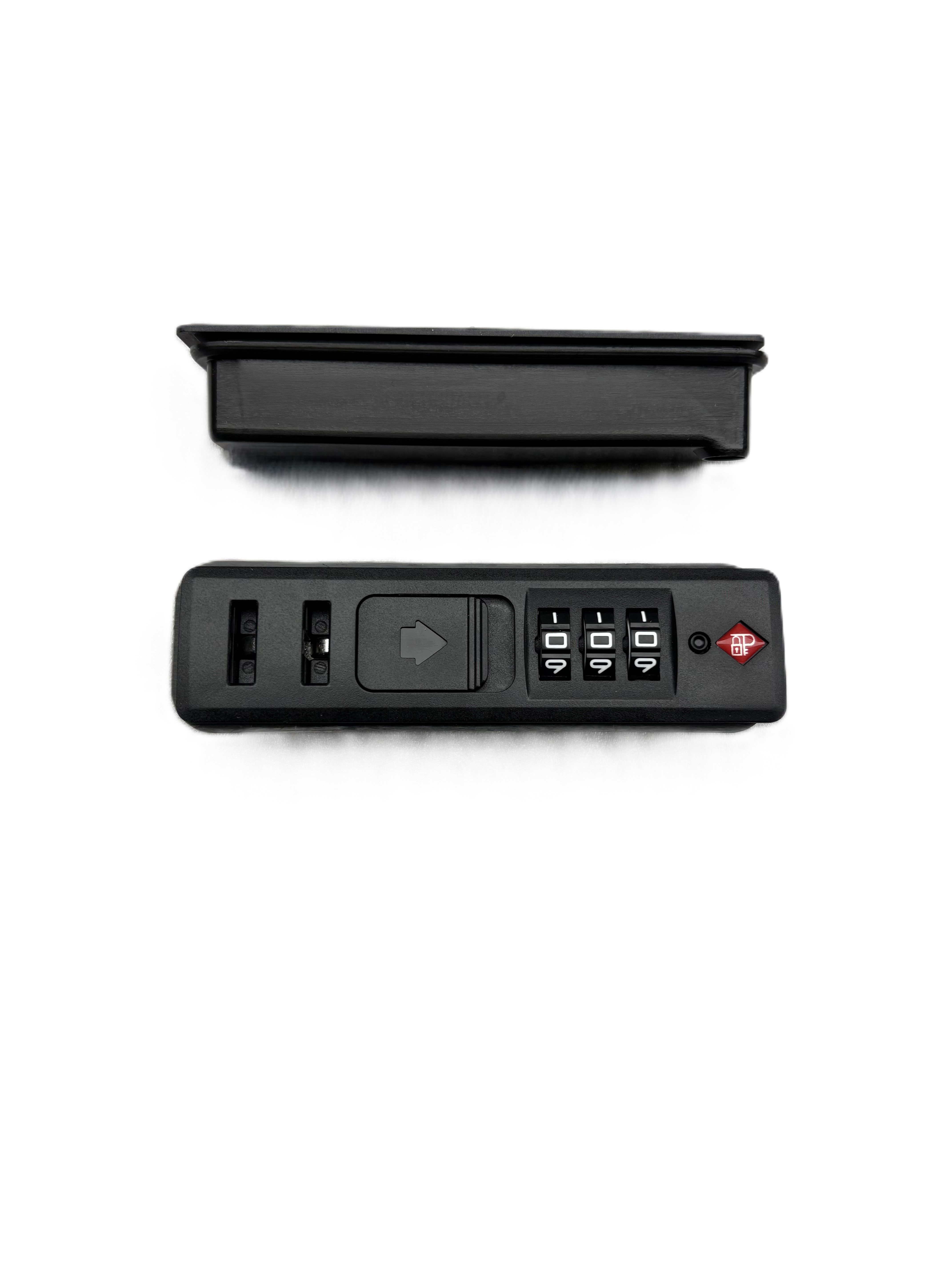 Wholesale Air Approved 3-Dial Travel Luggage Lock Suitcase Accessories SuppliersJiaxing Sport Hardware & Machinery Co., Ltd is China wholesale Air Approved 3-Dial Travel Luggage Lock Suitcase Accessories suppliers and...View Product →
How to Avoid the Whole Problem Next Time
No opening trick is as convenient as never needing one. A few habits eliminate most lockout headaches.
- Set the combination yourself before the first trip and test it immediately; most lockouts happen because the lock was never set and the default code was eventually forgotten.
- Write the code somewhere reachable on the road, such as a cloud note, a photo in your camera roll, or the notes section of your airline app.
- If you choose a keyed TSA lock, keep the spare key in your carry-on bag, never inside the checked suitcase it is meant to protect.
- Make sure the lock sits snugly on the zipper pulls with no rattling; a loose lock can be knocked out of alignment, and the dials will no longer match the code you set.
The best time to deal with a TSA lock is before the problem appears, not after you are standing by the carousel. If your current lock feels tired, with stuck dials, a stripped reset button, or a body that no longer seats cleanly against the zipper, replace it early. An anti-theft TSA zipper lock holds the zipper pulls firmly, keeps security access simple, and spares you the exact airport ritual this article was written to avoid.
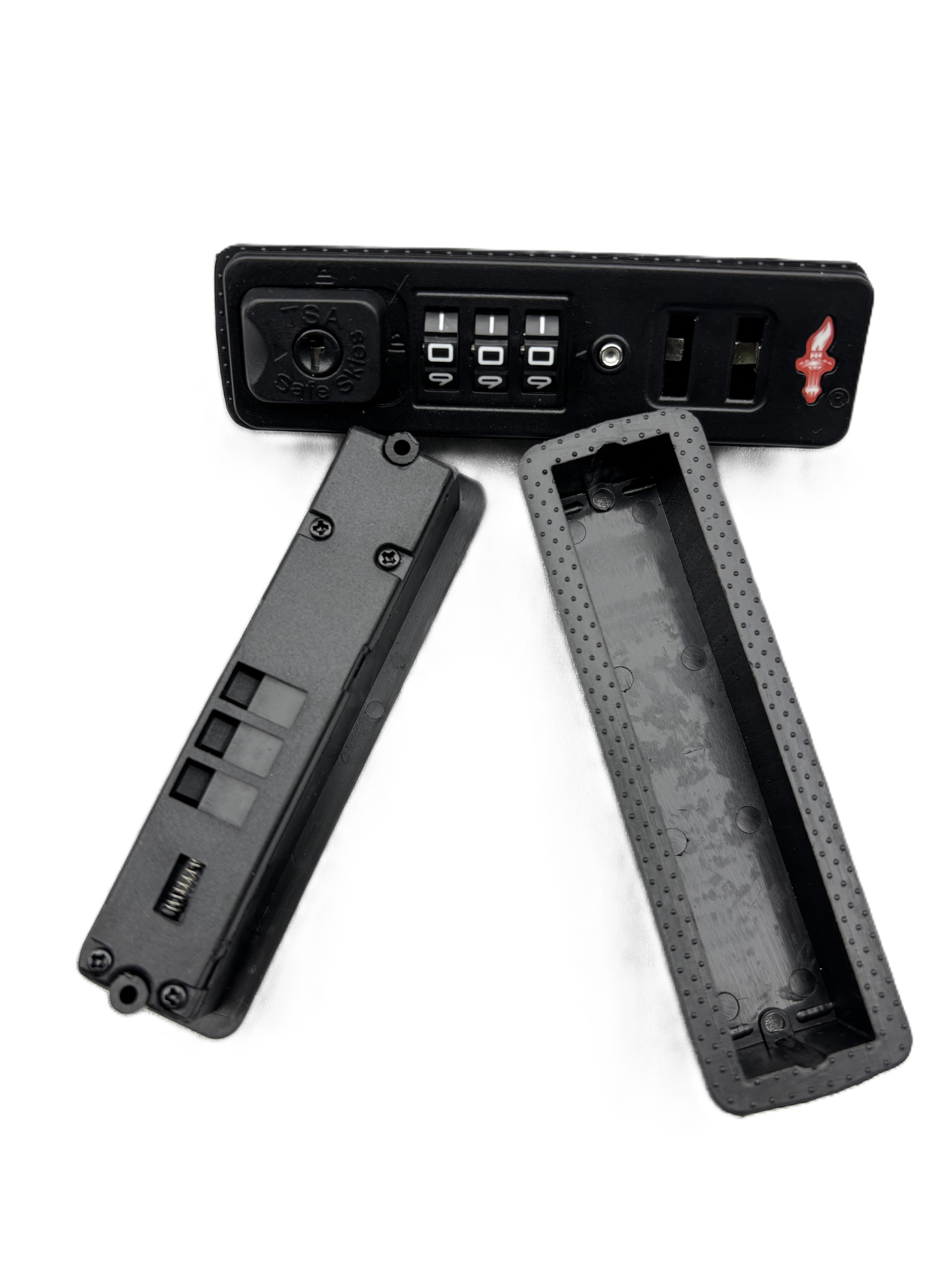 Wholesale factory wholesale cheap price zipper lcok for luggage suitcase safety Jiaxing Sport Hardware & Machinery Co., Ltd is China wholesale factory wholesale cheap price zipper lcok for luggage suitcase safety anti...View Product →