

 Español
Content
- 1 Yes, You Can Lock Checked Luggage—With One Important Condition
- 2 What Makes a Lock TSA-Approved?
- 3 What Happens If You Use a Non-TSA Lock?
- 4 Built-In TSA Locks vs. Portable Padlocks
- 5 How to Choose the Right TSA-Approved Lock for Your Checked Luggage
- 6 Beyond Locks: Other Ways to Protect Checked Luggage
- 7 The Bottom Line
At the check-in counter, with a suitcase full of clothes and a lock slot waiting in the frame, many travelers ask the same question: can I lock my checked luggage? The answer is yes, but the type of lock you choose determines whether your bag arrives intact or with a cut shackle. If you are flying to, from, or through the United States, the only practical option is a TSA-approved lock. The Transportation Security Administration (TSA) allows these locks because security officers can open them with a universal master key, inspect the contents, and close the bag again without damaging the lock or the zipper.
Yes, You Can Lock Checked Luggage—With One Important Condition
TSA policy is clear: you may lock your checked bag, but only with an approved lock. The agency states that if a bag with a non-approved lock requires a physical search, officers will cut the lock off. That means a regular padlock can stop a casual theft attempt, but it will not survive a security inspection. For most international travel, the same rule applies because global airports and airlines recognize the Travel Sentry system, which is the system behind TSA-approved locks.
What Makes a Lock TSA-Approved?
To identify a TSA-approved lock, look for a small red diamond mark on the body. This symbol tells inspectors that the lock is part of the Travel Sentry system, a standardized security system used by airports and airlines worldwide. Authorized agents have special opening tools or master keys that match these locks. If they need to inspect your bag, they can unlock it, do the check, and relock it. You will find two main styles: key-operated locks and combination locks.
Key-Style TSA Locks
Key-operated TSA locks work like a standard padlock. You insert a small key, turn the cylinder, and the shackle releases. They are simple, reliable, and usually made from brass or hardened steel. The main disadvantage is key management: if you drop the key in an airport parking lot, you will need to break the lock or find a locksmith. Most travelers accept this trade-off for the slim profile of a key lock.
Combination TSA Locks
Combination locks, especially three-dial models, remove the risk of losing a key. You set a three-digit code, and inspectors use a special removal tool to open the lock when a check is required. A compact three-dial TSA travel lock fits neatly around standard zipper pulls and is easy to share the code with a traveling companion. Many travelers choose this style because it balances convenience and security.
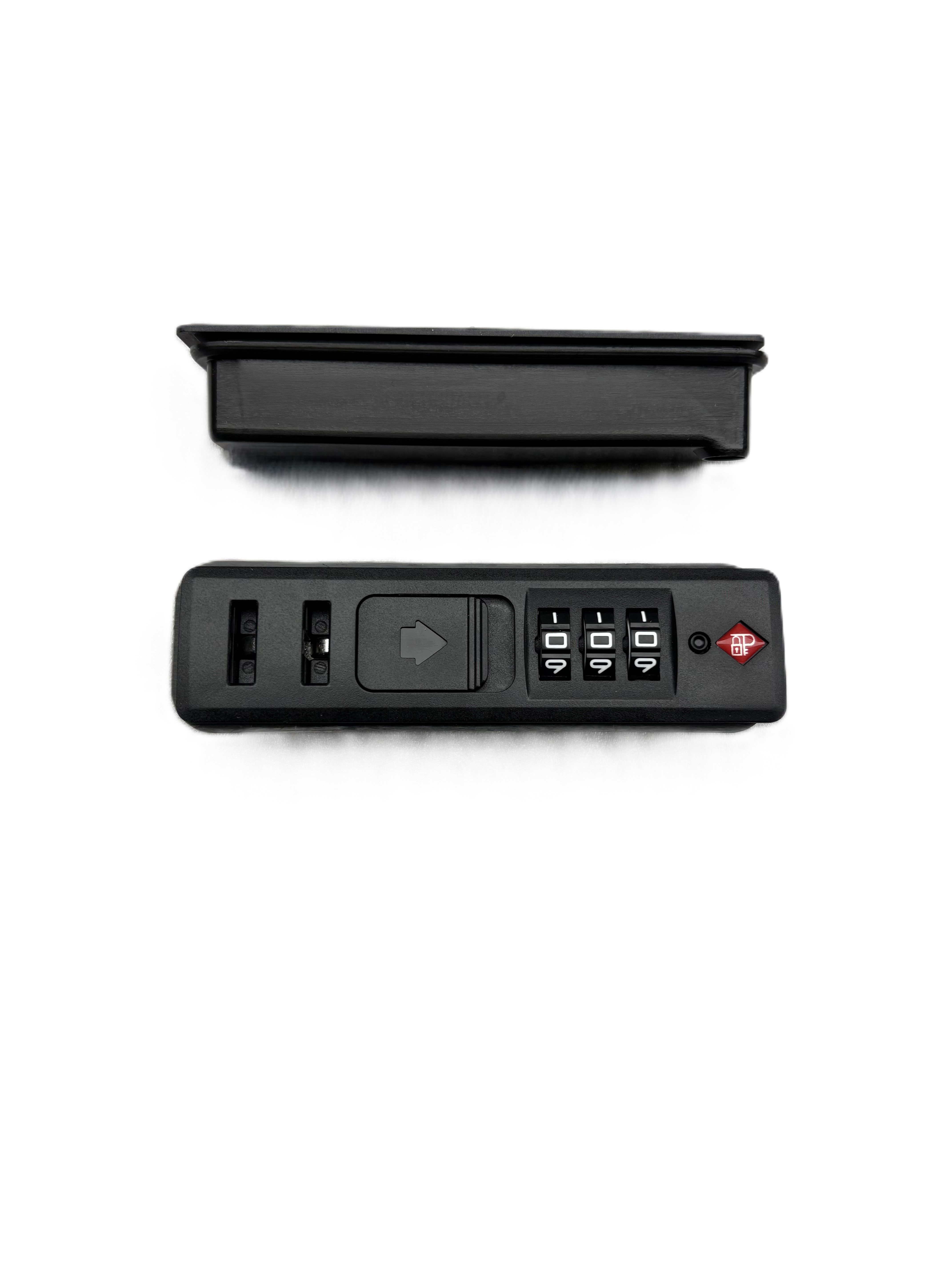 Wholesale Air Approved 3-Dial Travel Luggage Lock Suitcase Accessories SuppliersJiaxing Sport Hardware & Machinery Co., Ltd is China wholesale Air Approved 3-Dial Travel Luggage Lock Suitcase Accessories suppliers and...View Product →
What Happens If You Use a Non-TSA Lock?
The consequence of using a non-TSA lock is not a polite request to change it. If your bag is selected for a physical inspection, agents cannot wait for you to return to the airport. They will cut the lock to access the contents. When you claim your bag, you may find a plastic zip tie instead of your lock. In some cases, the zipper itself is damaged during the removal, which means a repair bill before your next trip. The bottom line is that a regular lock offers a false sense of security when you fly.
| Lock type | How inspectors open it | Likely outcome |
|---|---|---|
| TSA-approved lock | Master key or special tool | Bag opened, inspected, then relocked with the same lock |
| Regular padlock | Bolt cutters or other force | Lock removed or broken; bag may arrive with a zip tie or damaged zipper |
| Cable tie (zip tie) | Cut with scissors or shears | Easy to remove, but no security or privacy while in transit |
Built-In TSA Locks vs. Portable Padlocks
Modern suitcases often come with a built-in combination lock installed into the hard frame. If it carries the red diamond, you can use it for checked luggage with no extra gear. But not every built-in lock is TSA-approved, and integrated mechanisms can be harder to replace if they fail. A portable TSA padlock gives you more flexibility across different bags.
Built-In Locks
Integrated locks are neat and discrete. Because they are mounted into the shell, there is nothing to lose or detach. The catch is that the lock is tied to the suitcase. If you buy a new bag, the lock may not transfer. For a hard-shell case with a matching recess, an integrated lock is often the first choice.
Portable TSA Padlocks
A portable padlock works on any zippered bag, from a carry-on to a checked suitcase. You can place it on the main compartment or a side pocket. It is also the simplest way to add a TSA-approved lock to a bag that has no built-in mechanism. For brands, retailers, or travel companies that want a consistent look, an OEM/ODM TSA lock can be produced in a custom color with a client's logo, so the security feature becomes part of the product identity.
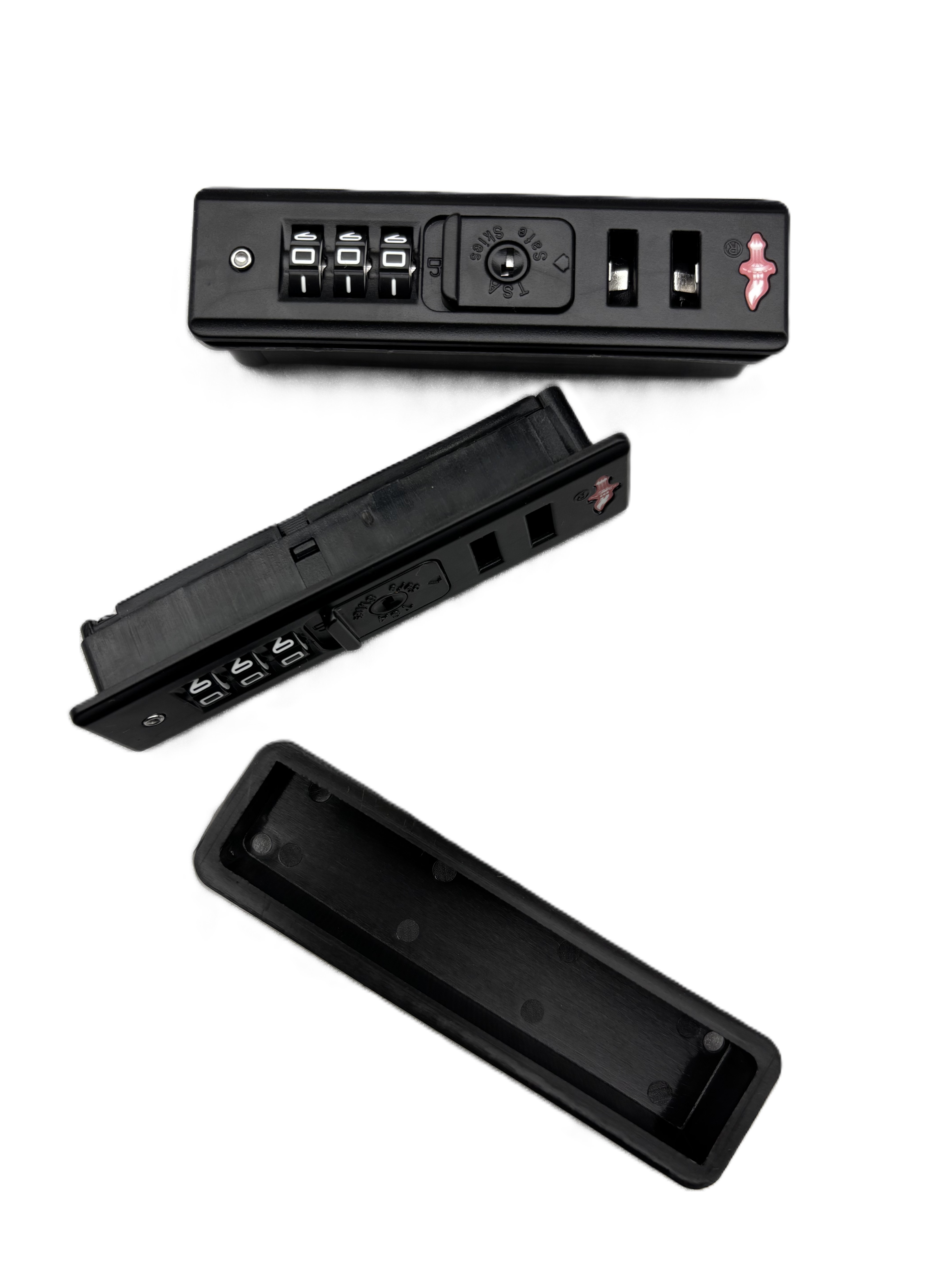 Wholesale OEM/ODM factory wholesale customized color safety portable luggage locJiaxing Sport Hardware & Machinery Co., Ltd is China wholesale OEM/ODM factory wholesale customized color safety portable luggage lock s...View Product →
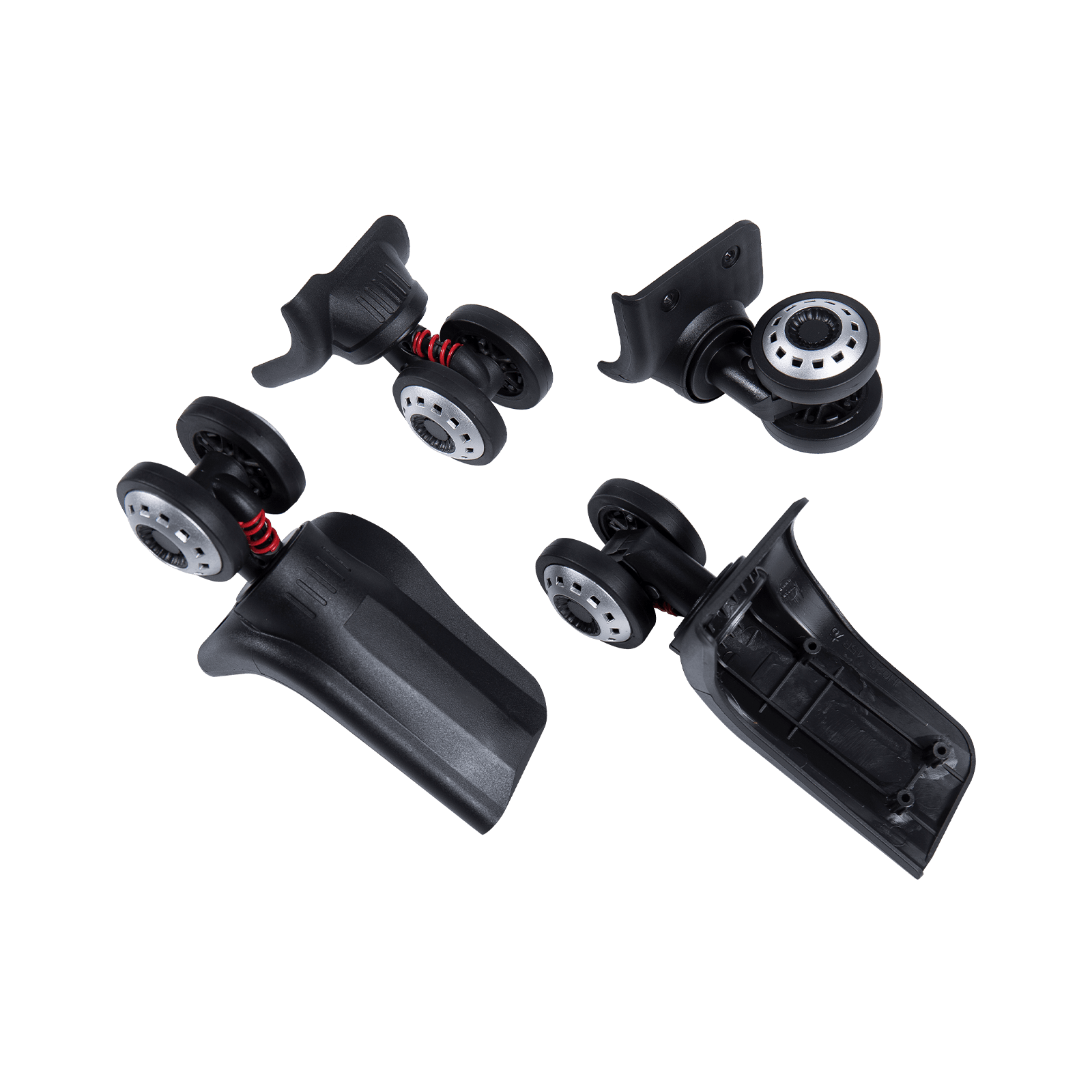
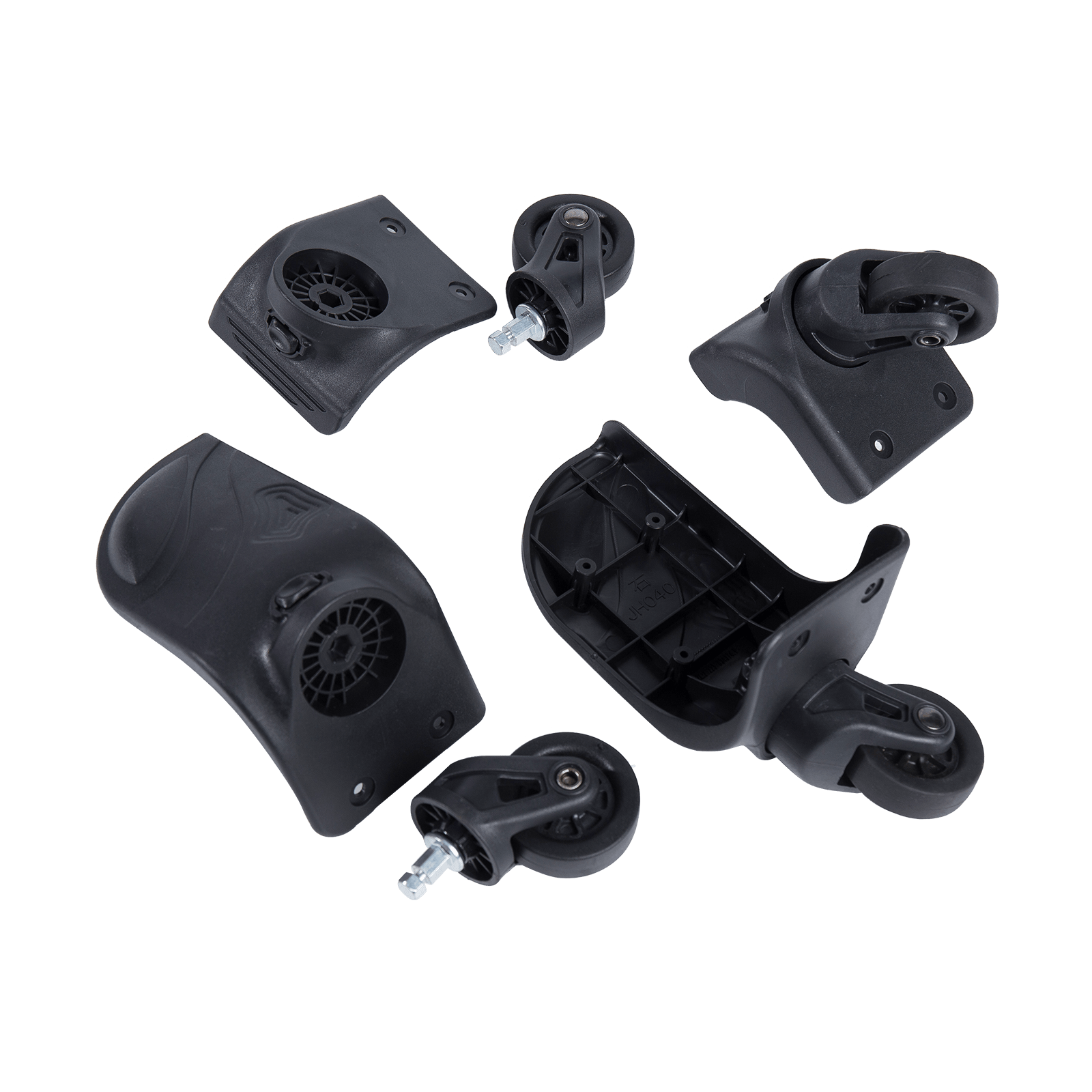
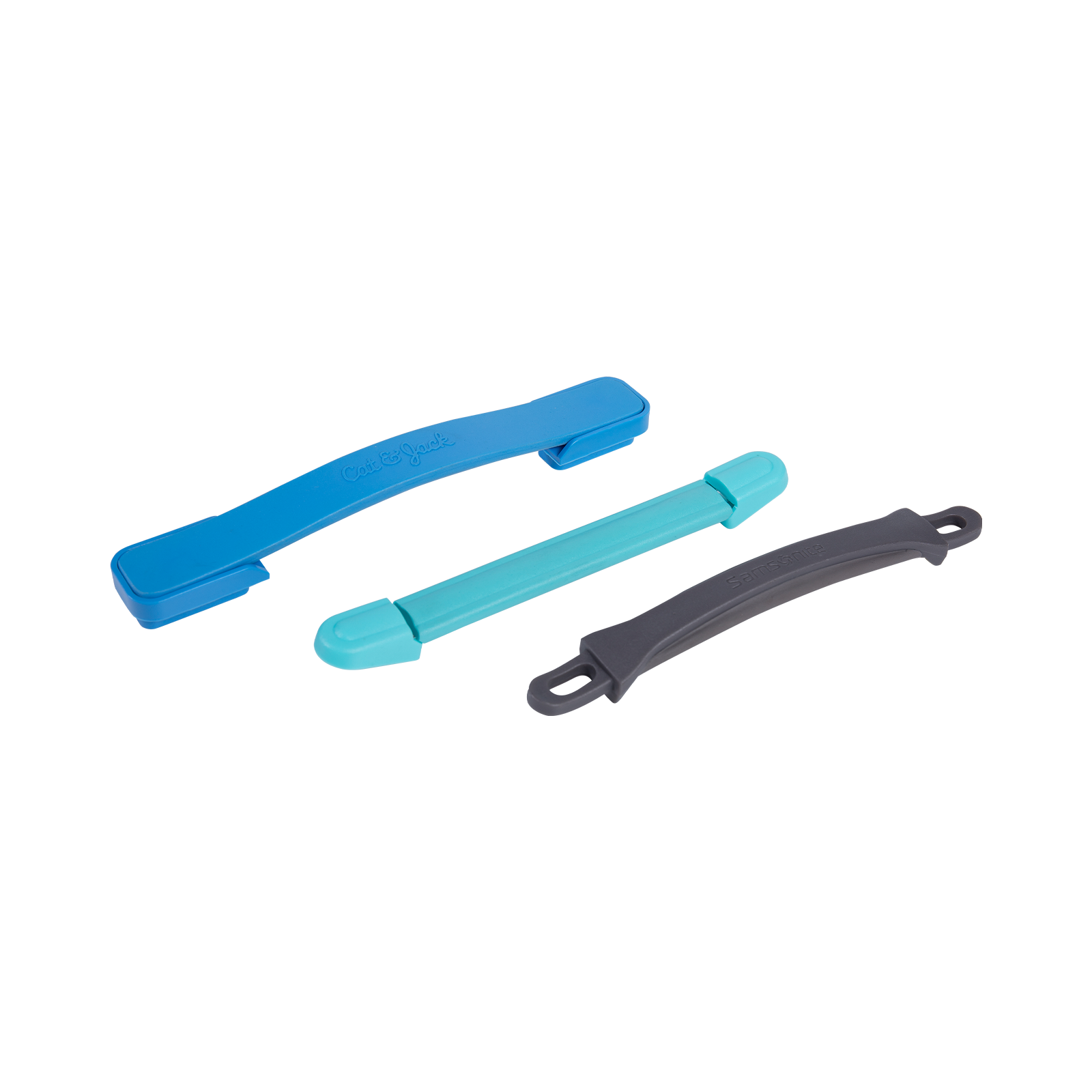
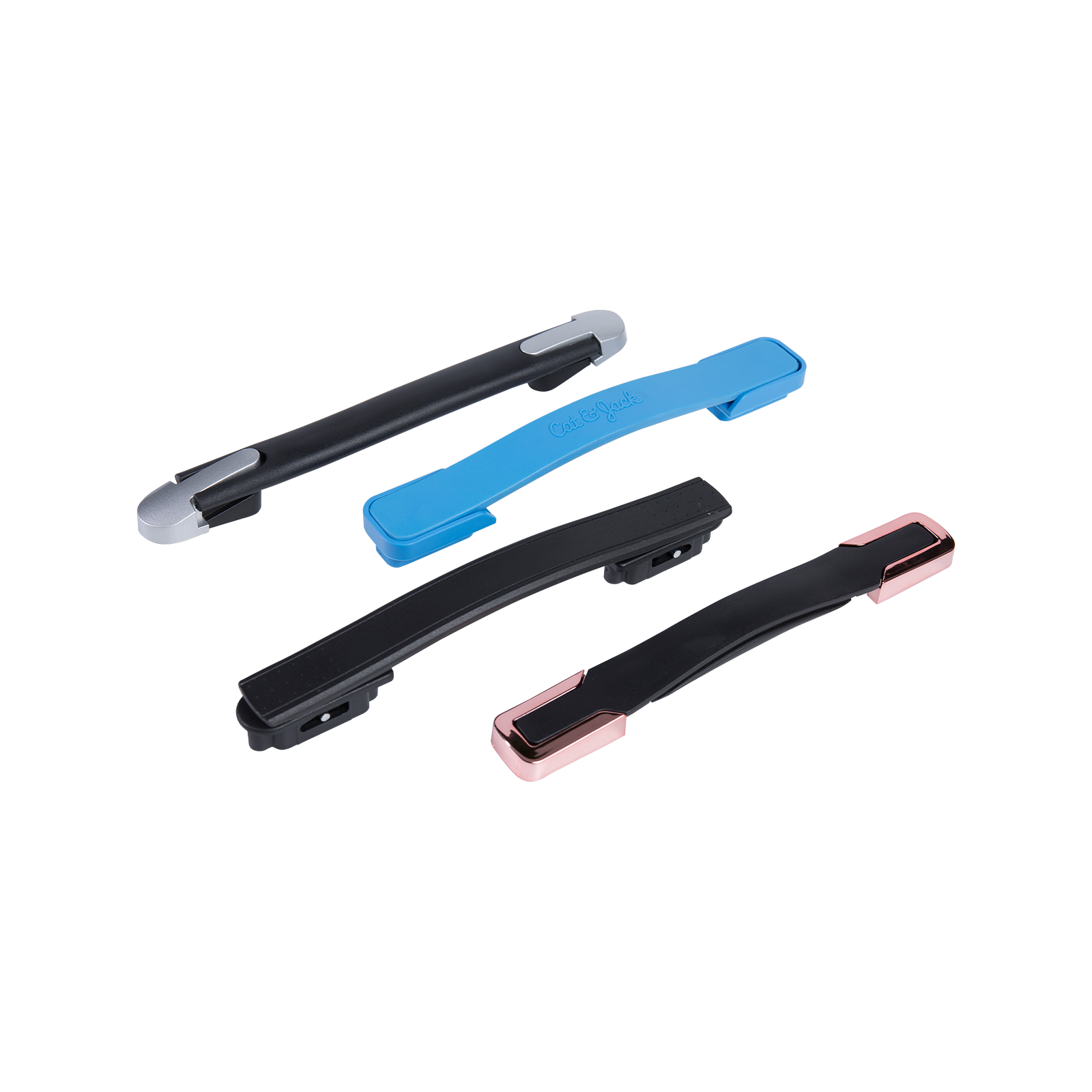
Understanding the other parts of a suitcase—wheels, handles, zippers—helps you judge whether the lock will do its job under real airline stress. You can read more about the building blocks of durable luggage in our detailed overview of luggage parts.
How to Choose the Right TSA-Approved Lock for Your Checked Luggage
Choosing a TSA lock for checked luggage is not about buying the cheapest padlock. You need a lock that works reliably after dozens of baggage handling cycles. Here are the key considerations.
Combination or Key: Which Is More Practical?
Combination models are the most popular because they remove the possibility of losing a key. A three-digit resettable code is enough for casual security and easy to share. Keyed locks open faster, which can be convenient at security, but they introduce a physical key that can break or go missing. Consider how often you travel and whether you tend to misplace small items.
Material, Size, and Cost
The body should be rigid and durable. Metal or ABS shells resist the bumps and drops of airport handling. A thin, flimsy lock may crack under pressure. Size matters too: the shackle should pass through the zipper without being too tight or too loose. Cost is relevant if you fly regularly; a mid-range lock gives you a reasonable lifespan. If you want a lightweight, flexible profile, a TSA zipper lock for suitcases is a simple accessory that clips around two zipper pulls and does not add bulk.
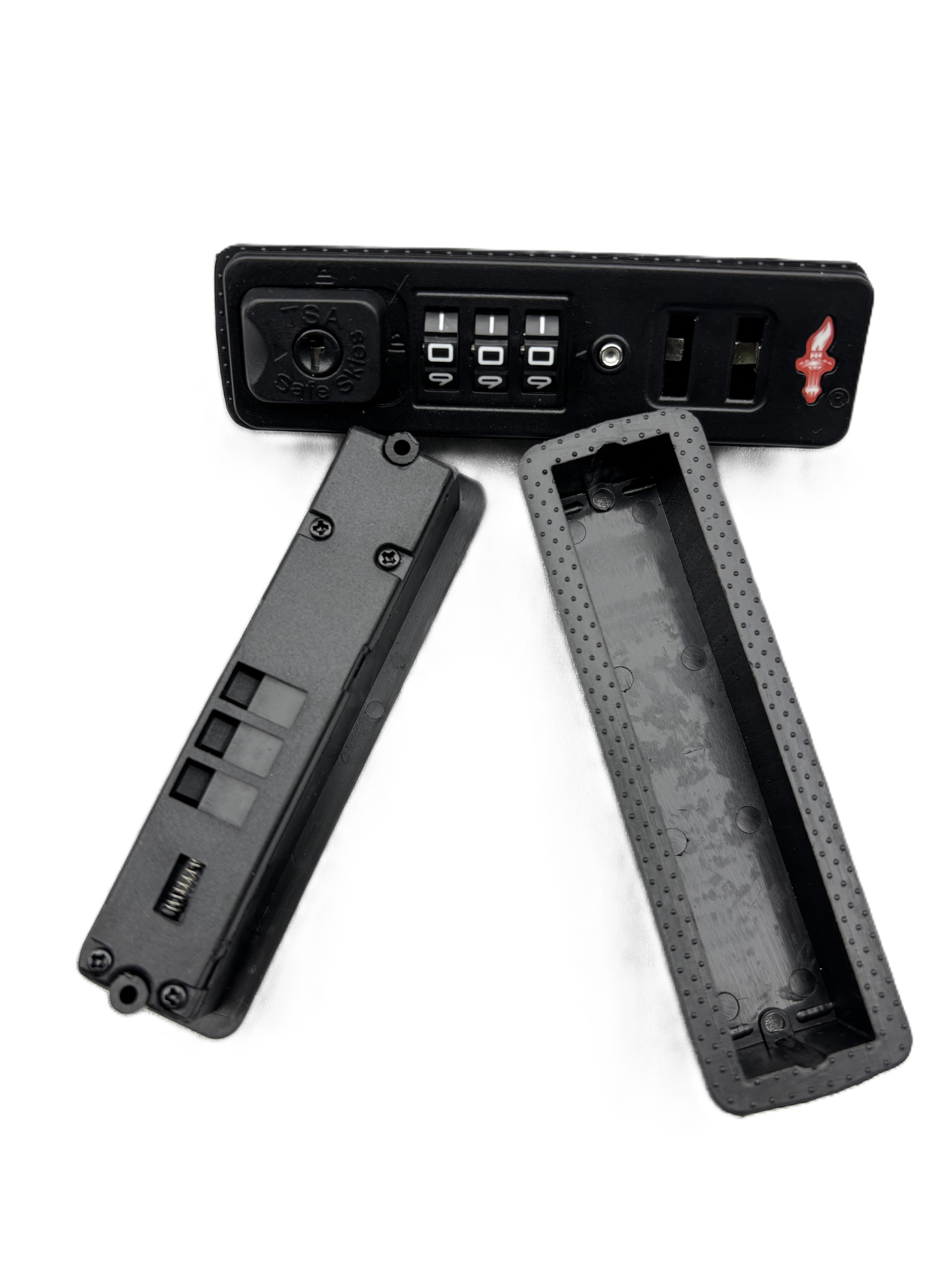 Wholesale factory wholesale cheap price zipper lcok for luggage suitcase safety Jiaxing Sport Hardware & Machinery Co., Ltd is China wholesale factory wholesale cheap price zipper lcok for luggage suitcase safety anti...View Product →
When comparing options, look for:
- A red diamond or Travel Sentry logo
- A resettable three-digit combination in most models
- A solid body material and smooth dials
- A barrel or shackle that fits your zipper pulls
- A lock that is easy to reset if you choose a combination model
Beyond Locks: Other Ways to Protect Checked Luggage
A lock should never be your only defense. Valuables such as passports, jewelry, laptops, and medication belong in a carry-on. Attach a sturdy luggage tag with your email and phone number, and remove old destination tags that confuse sorting systems. A luggage strap can keep the bag closed if a zipper fails. It is also wise to confirm your airline's rules before you fly, because some airlines have specific requirements beyond security. You can review common airline restrictions on luggage size and weight to avoid surprises at check-in.
The Bottom Line
Yes, you can lock your checked luggage, and you should do it with a TSA-approved lock. The red diamond on the lock tells security officers that they can inspect your bag without destroying the closure. Choose a design that fits your habits—combination or key, integrated or portable—and invest in a lock with a solid body. With the right lock, your bag stays private, your zipper survives the journey, and your trip starts without the headache of a broken lock.