

 Español
Content
A broken luggage handle never picks a convenient moment. It gives way in an airport queue, on a station platform, or halfway up a hotel staircase, usually with a full suitcase hanging from it. We have been manufacturing luggage handles, trolleys, wheels, and locks in Jiaxing since 2003, and the failures that come back to us follow a handful of very predictable patterns. This guide covers what actually breaks, what you can do while you are still on the road, and how to fit a replacement that lasts longer than the original.
Start With a Proper Diagnosis
Before spending money, work out which part has failed. "Broken handle" covers at least four separate problems, and each one has a different solution.
- A snapped grip. The top carry handle has cracked or split, often at the screw holes or along the seam where the grip meets its base.
- Jammed or bent telescoping tubes. The pull rod will not extend, will not retract, or moves unevenly, which usually means a dented or overloaded tube.
- A loose or detached base. The mounting plate has pulled away from the shell because the rivets or screws have torn through the lining.
- A failed release button. The button sticks, snaps, or no longer locks the tubes at each height setting.
Run your hand along the whole assembly and test it with the case empty, then with weight inside. Many handles that "break" under load are actually fine when empty, which points to a mounting problem rather than a grip problem. If the shell itself is cracked around the base, the repair becomes structural, and replacing the case is often the more sensible option.
Quick Fixes You Can Use Mid-Trip
If the failure happens far from home, your goal is simply to get the bag to your destination without losing the contents or your temper.
- Empty the suitcase if you can, so the damaged handle carries as little weight as possible.
- Wrap the broken grip tightly with duct tape or a luggage strap so that sharp plastic edges cannot cut your hand.
- Splint a snapped grip with a rigid object such as a folded magazine or a stiff piece of card, then tape over it to spread the load.
- Thread a zip tie or a short length of cord through the handle base and around the frame to create a temporary carry loop.
- Move the load onto the wheels and push the case instead of pulling it, or transfer heavy items into a second bag.
These measures are for getting home, not for permanent use. Tape will not hold a loaded case for long, and a zip tie loop concentrates stress on a very small area of the shell.
Replacing a Broken Luggage Handle
Most top grips and carry handles can be replaced at home with a screwdriver and about twenty minutes of work. The key is to match the mounting pattern, the screw spacing, and the base material of the original part.
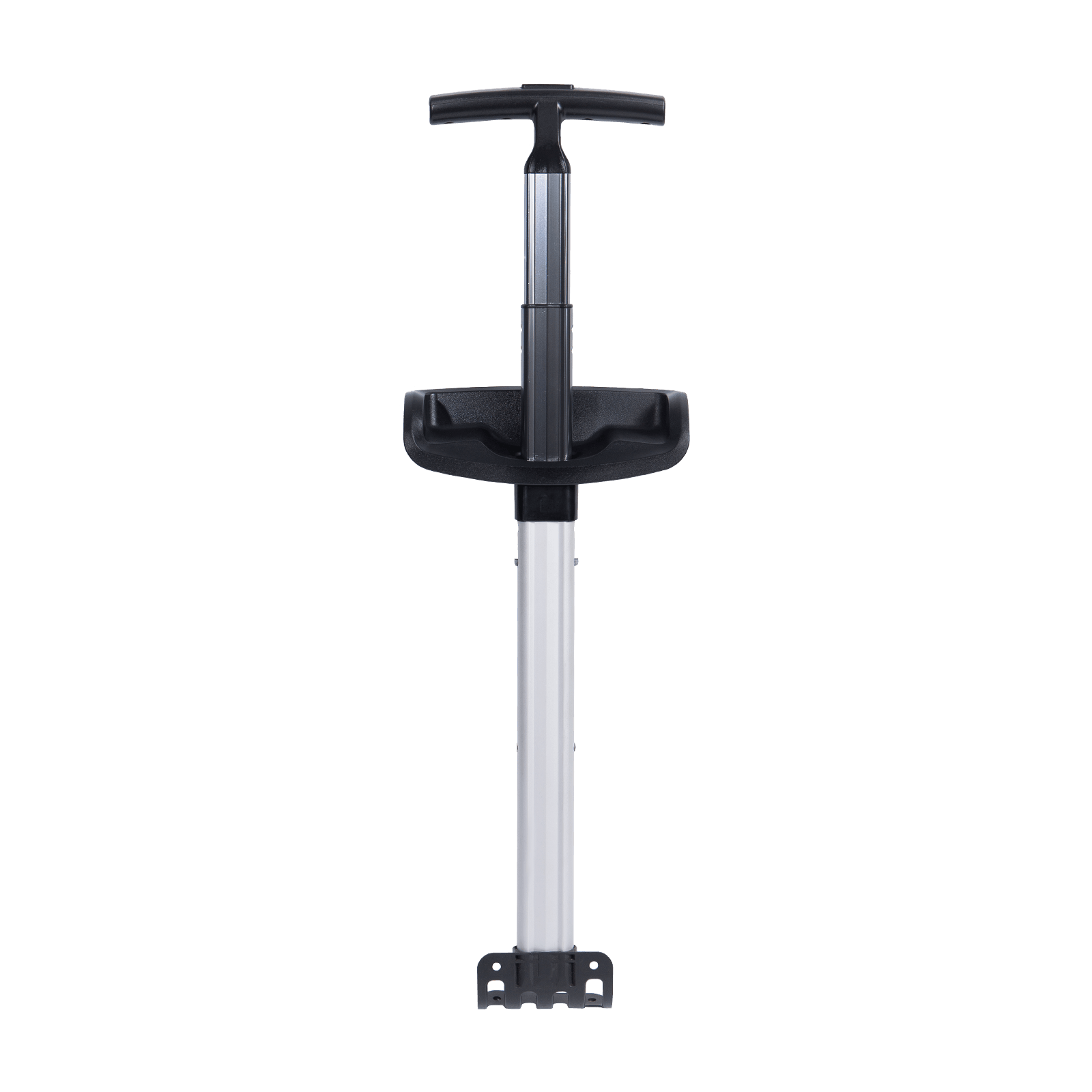
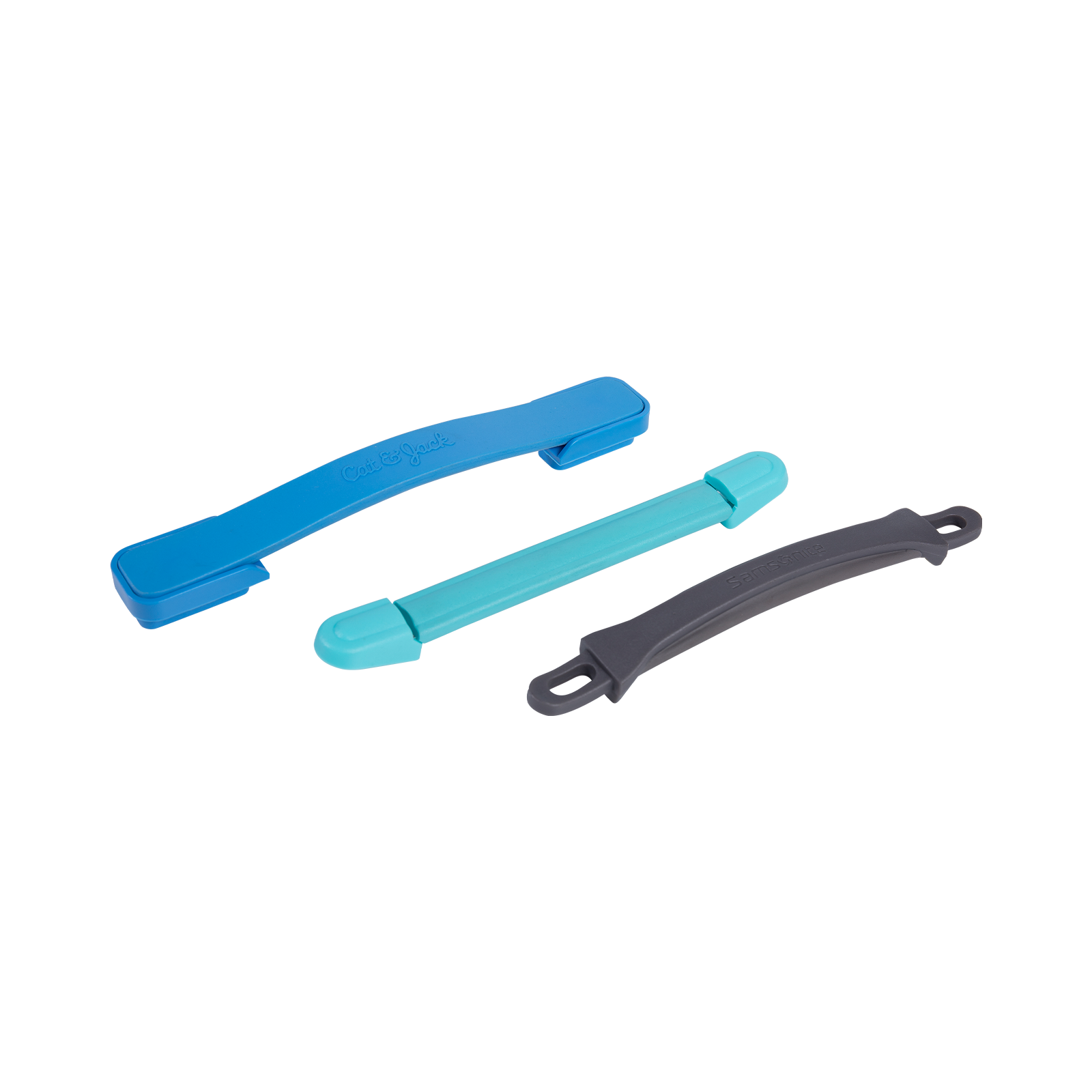
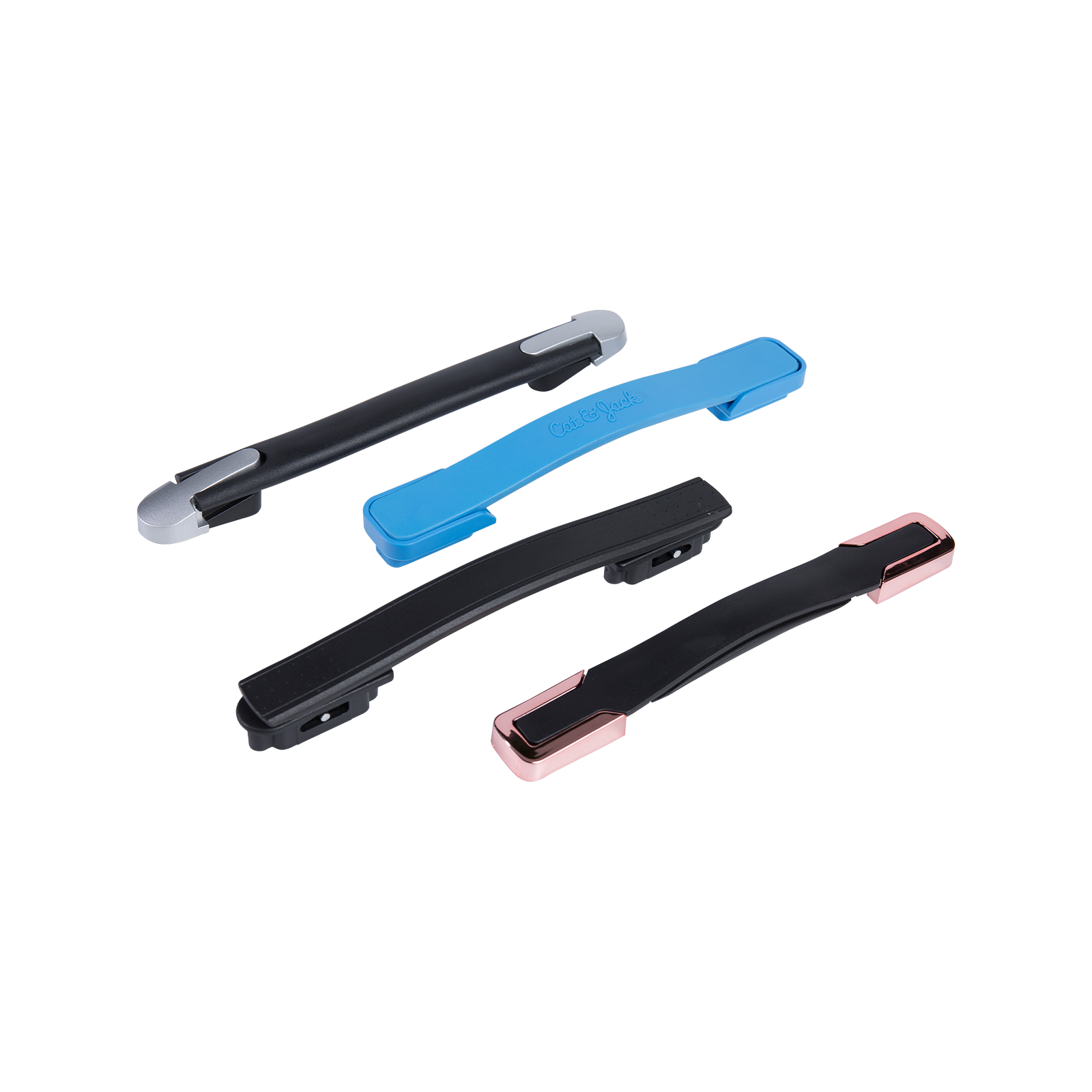
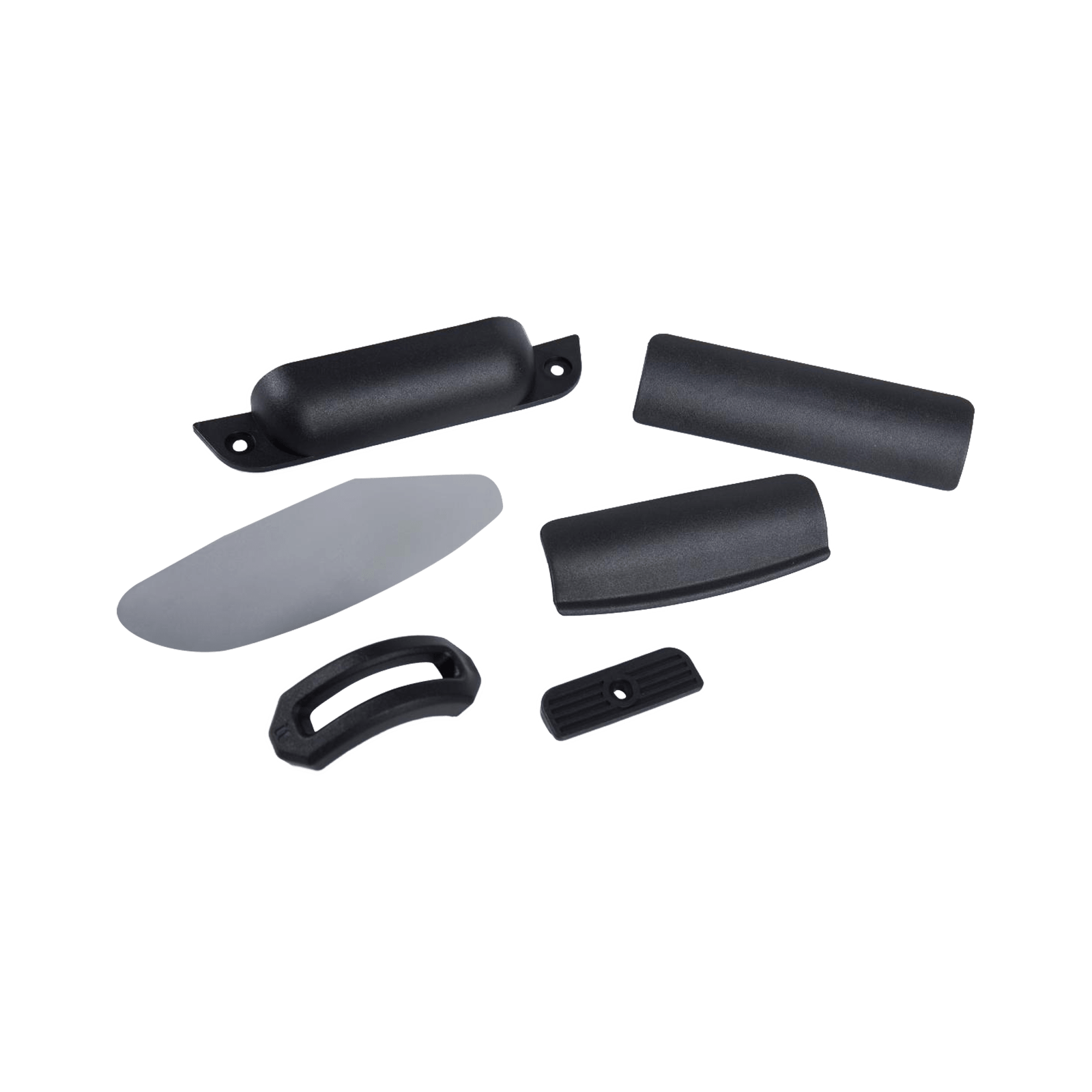
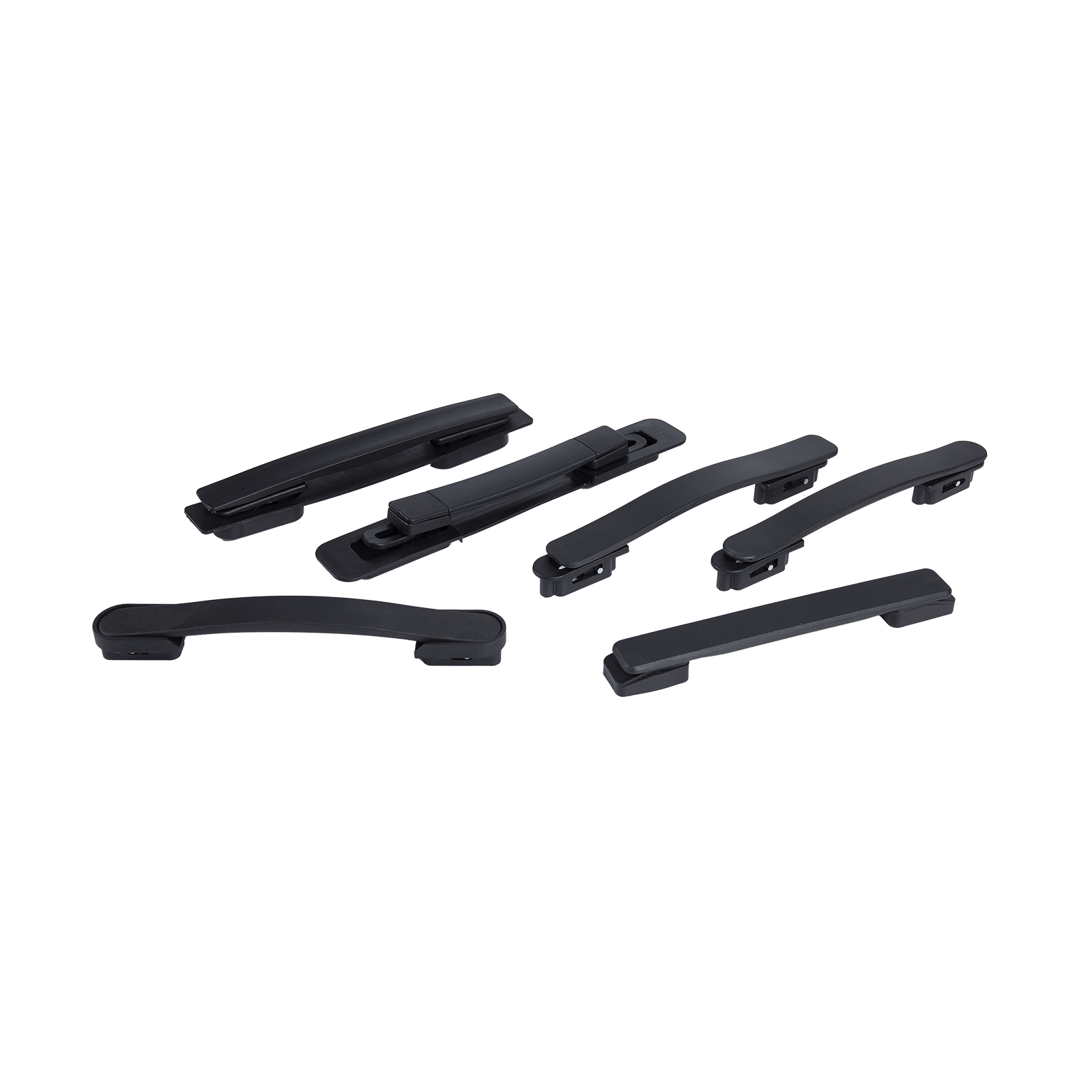 Plastic luggage handlePlastic luggage handles are made of plastic, which is lightweight and practical, and provides a comfortable grip. Suitable for various types of bags, such as suitcases...View Product →
- Open the case and pull back the lining to expose the screws or rivets holding the handle base.
- Photograph the assembly before you remove anything, so you know how the spacers and washers go back together.
- Unscrew the base, or drill out rivets carefully if the handle was riveted at the factory.
- Measure the distance between mounting holes and note the shell thickness before ordering a replacement.
- Fit the new handle, use washers on the inside of the shell to spread the load, and tighten until the base sits flush without crushing the lining.
If you are unsure whether a handle can be saved rather than replaced, our workshop notes on how easily a travel bag handle can be repaired or replaced walk through the same decision from a manufacturer's point of view.
When the Telescoping Trolley Is the Culprit
A jammed telescoping handle is a different kind of repair. Tubes bend when a case is overloaded, when it is dragged up stairs by the rod, or when the handle is used to lift the suitcase at an angle. If a tube is dented, straightening it rarely works well, because the internal locking mechanism depends on the tube keeping its exact shape.
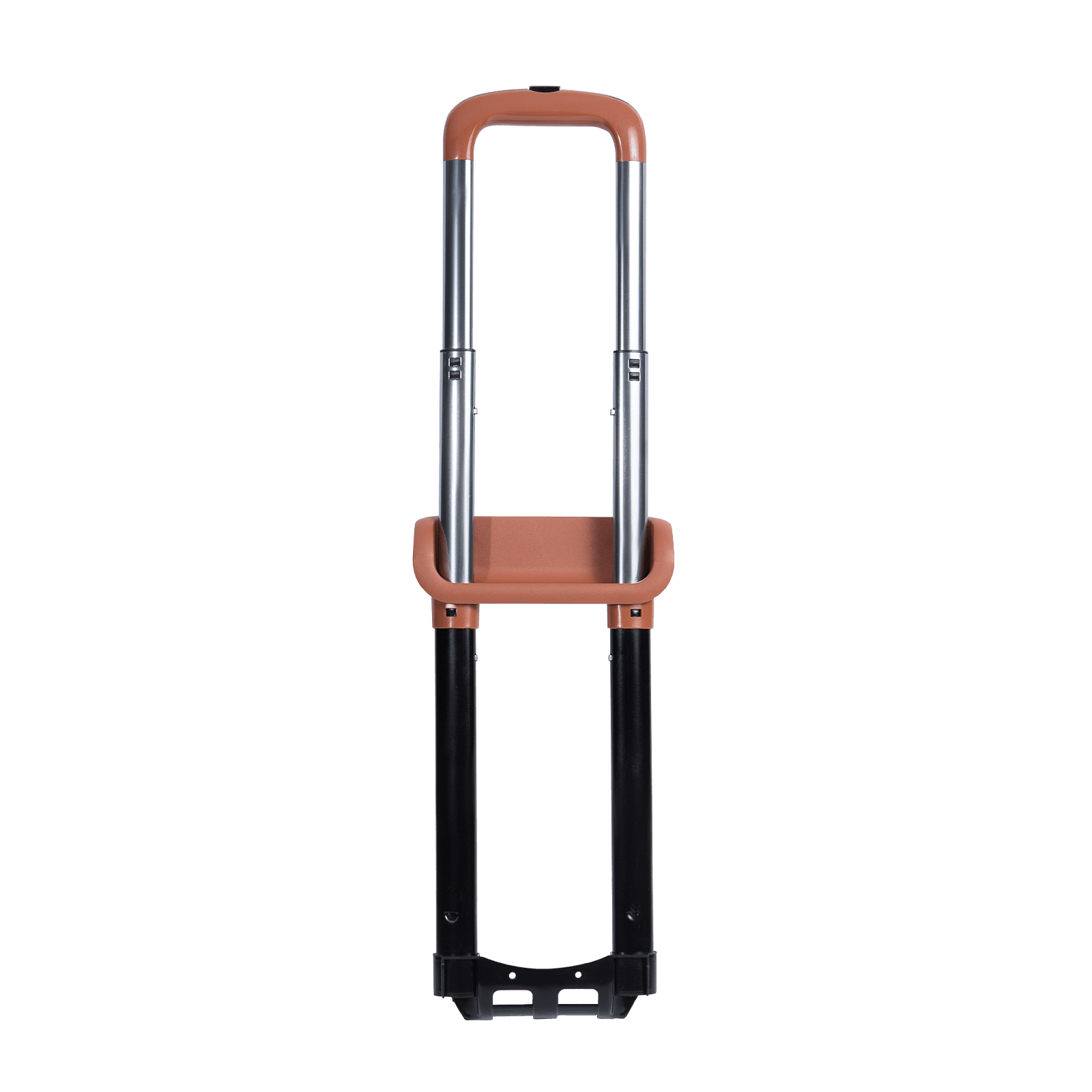
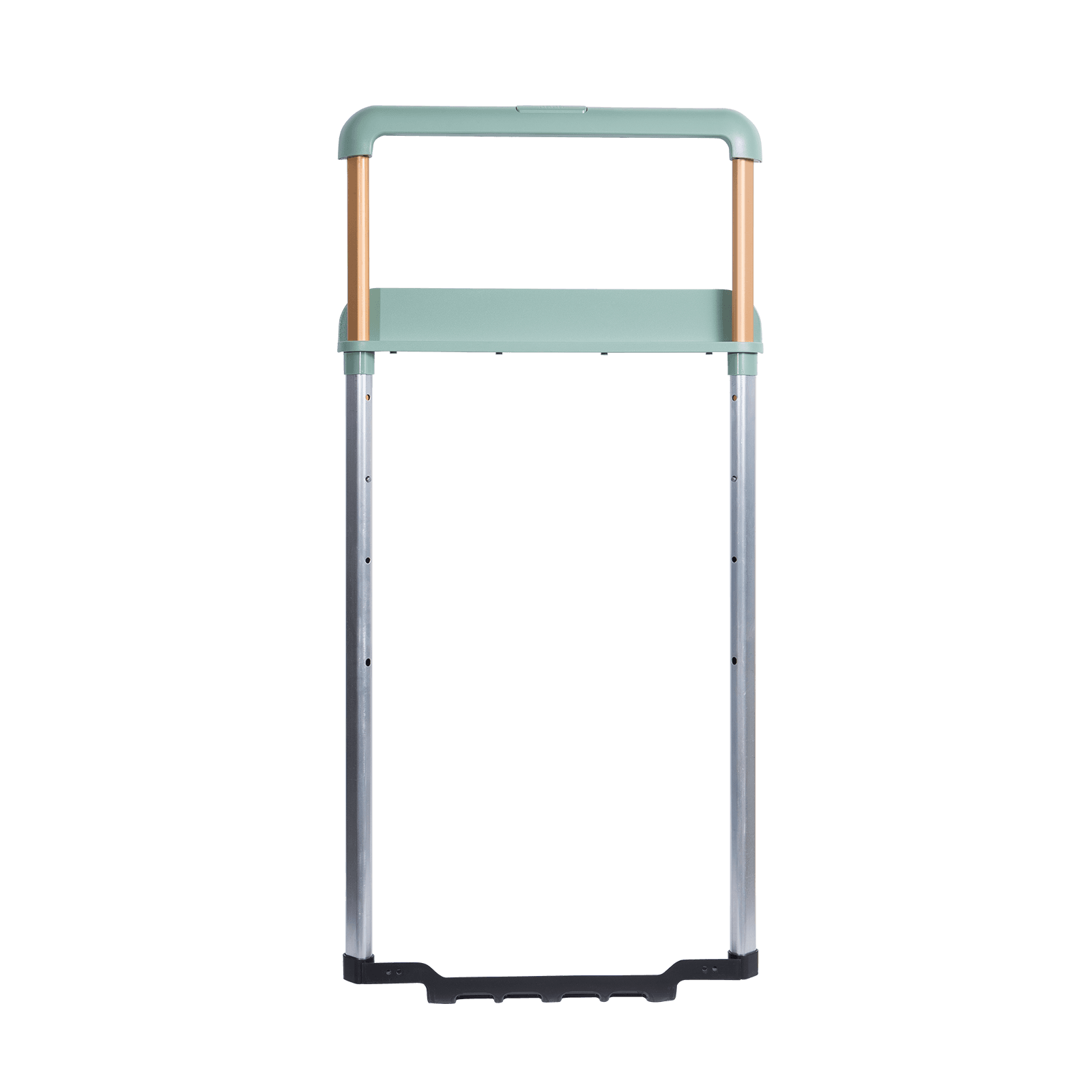
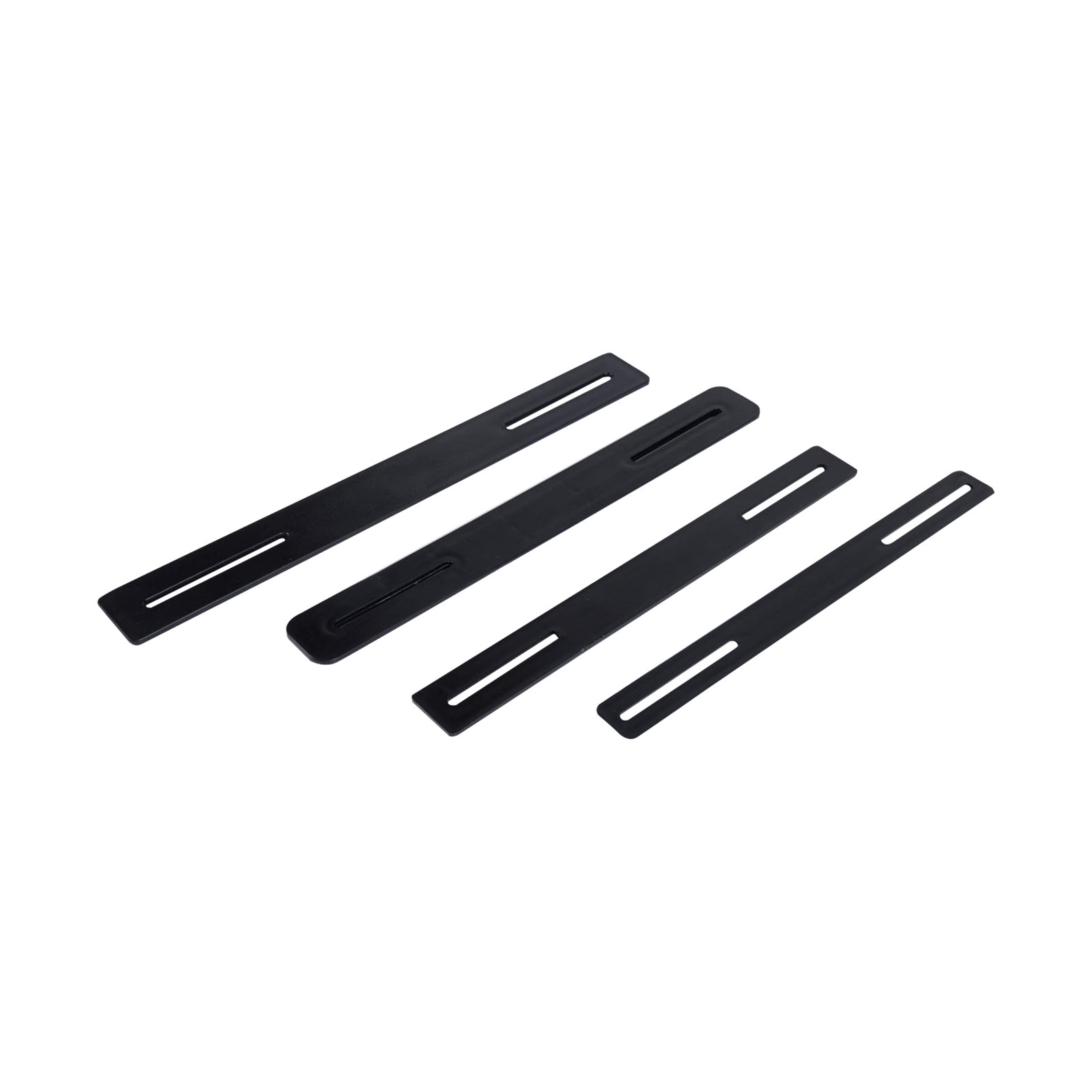
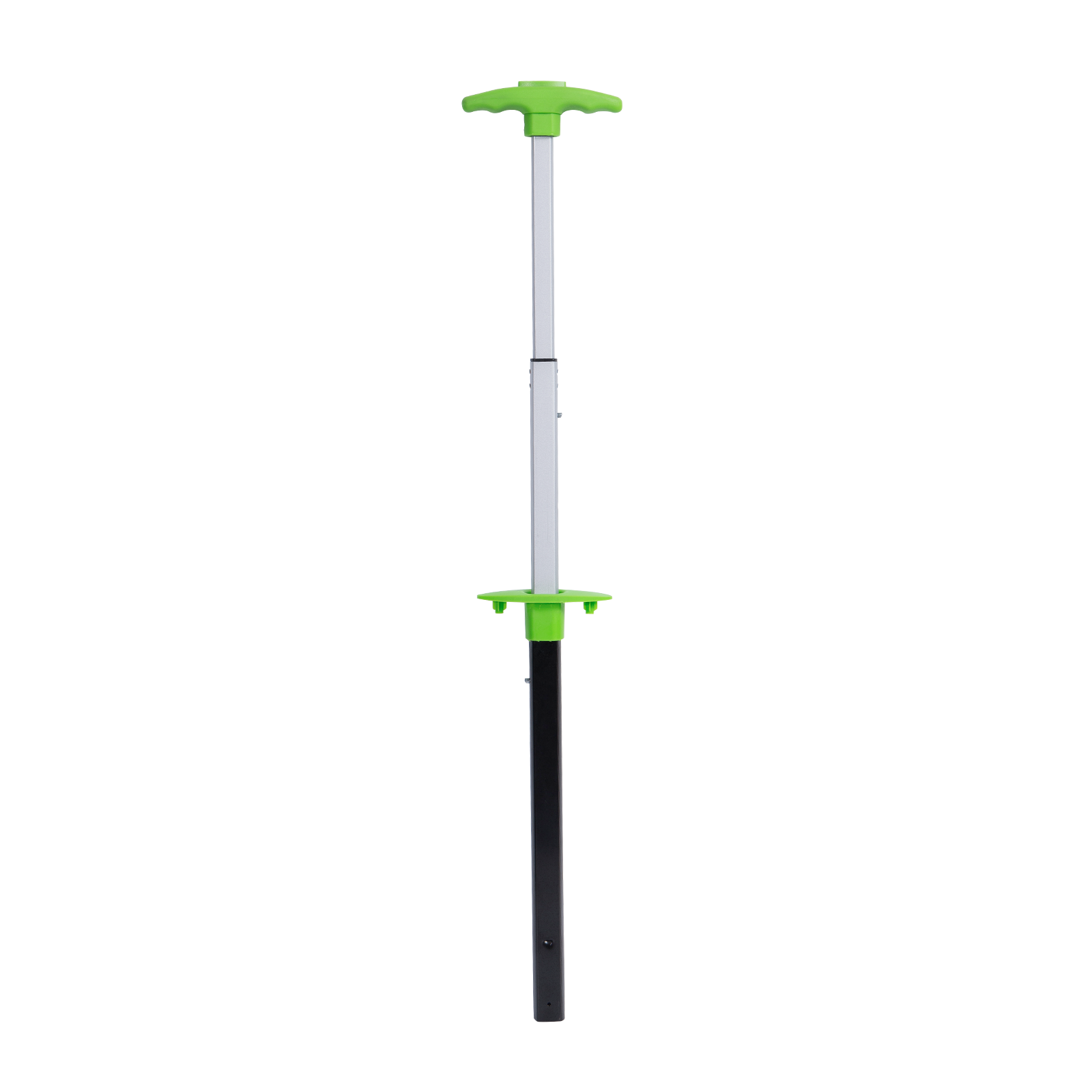 Do you need a high quality luggage trolley accsoories & parts replacement?Material: iron/ aluminumView Product →
Replacing the whole trolley assembly is usually faster and more reliable than fighting with a single bent tube. Note the tube diameter, the number of sections, and the position of the mounting brackets on the back of the shell. On hard-shell cases the assembly is normally fixed with screws into plastic bosses, while soft-side cases often use a fabric channel that must be re-stitched or re-riveted.
Why Handles Fail: Materials and Testing
Handle failures are rarely random. They trace back to material choice, wall thickness, and how well the finished part was tested before it left the factory. The table below summarises the components we see most often and where each one gives way first.
| Component | Typical material | Usual failure | What to inspect |
|---|---|---|---|
| Top grip | PP or ABS plastic, sometimes with a zinc base | Cracking at screw holes or along the seam | Flex, cracks, or a grip that rocks under pull |
| Telescoping tubes | Iron, aluminum, or aluminum-magnesium alloy | Denting, bending, or jamming under load | Even extension, roundness, and locking at each stop |
| Handle base | Zinc alloy, steel, or reinforced plastic | Rivets or screws pulling through the shell | Loose fasteners, elongated holes, shell cracks |
| Release button | ABS plastic with a metal spring | Sticking or snapping internally | Full return of the button and a clear click |
In our own testing, a handle assembly is judged on repeated lift and drag cycles rather than on a single static pull. A grip that survives one heavy lift can still fail after two hundred normal ones, which is exactly the pattern travellers describe when a handle breaks on its third or fourth trip.
What to Look For in a Replacement Handle
- Matching mounting pattern. Screw spacing and base dimensions matter far more than colour.
- Reinforced screw bosses. Thicker plastic around the holes resists cracking much better than a thin moulding.
- Metal base where possible. Zinc or steel bases distribute load across the shell instead of concentrating it at two points.
- Comfortable grip geometry. A wider, slightly contoured grip reduces hand strain on long walks through terminals.
- Correct tube diameter. For trolley replacements, measure in millimetres before ordering anything.
Buy from a supplier who can tell you the material grade and the load the part was tested to. If a seller cannot answer those two questions, the handle is a guess.
Building Handles That Last From the Start
For luggage brands, the more useful question is how to stop handles breaking in the first place. The answer is usually design discipline rather than exotic material. A double-tube trolley spreads load across two channels instead of one, a wider base plate reduces stress at the shell, and a properly moulded button housing keeps grit out of the locking mechanism.
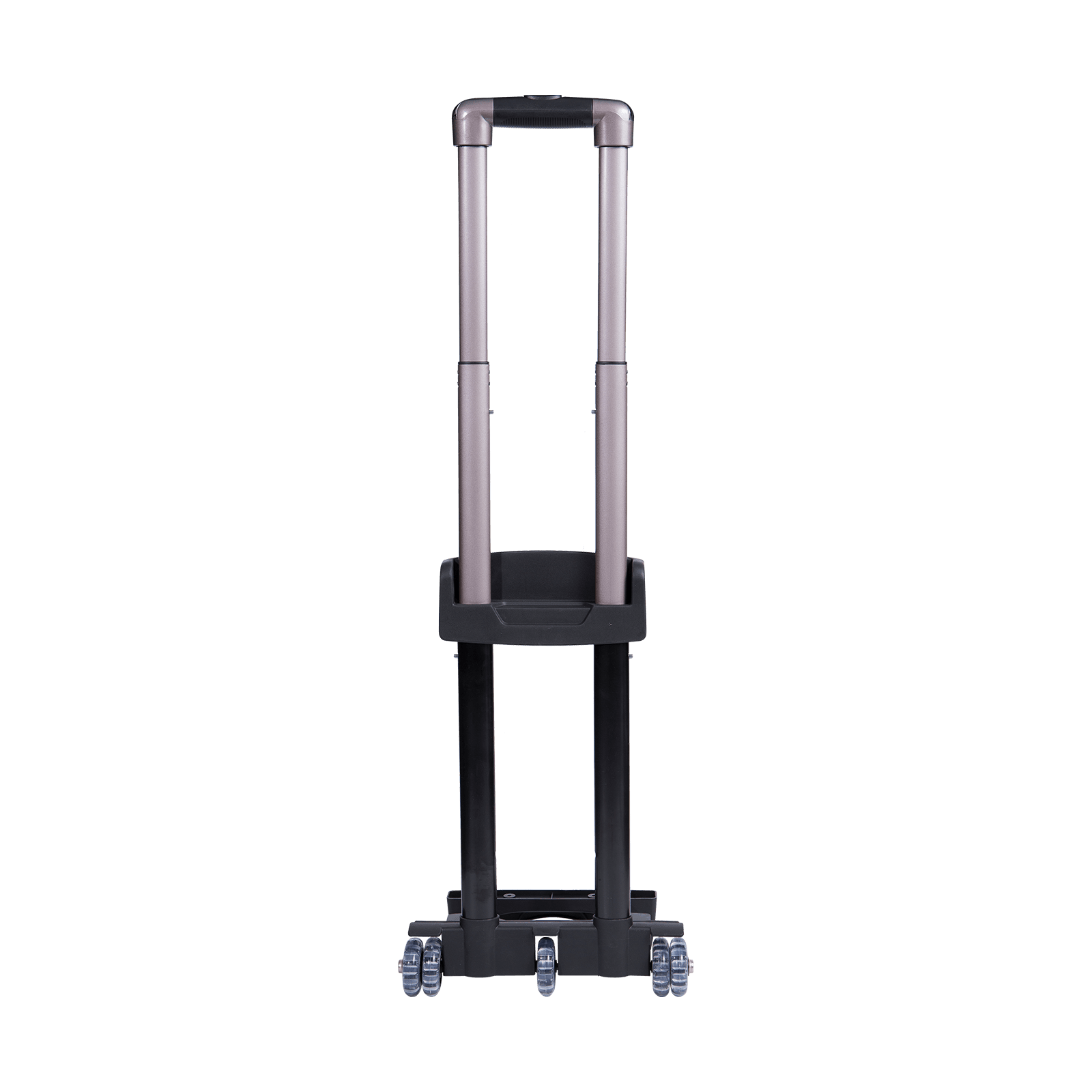
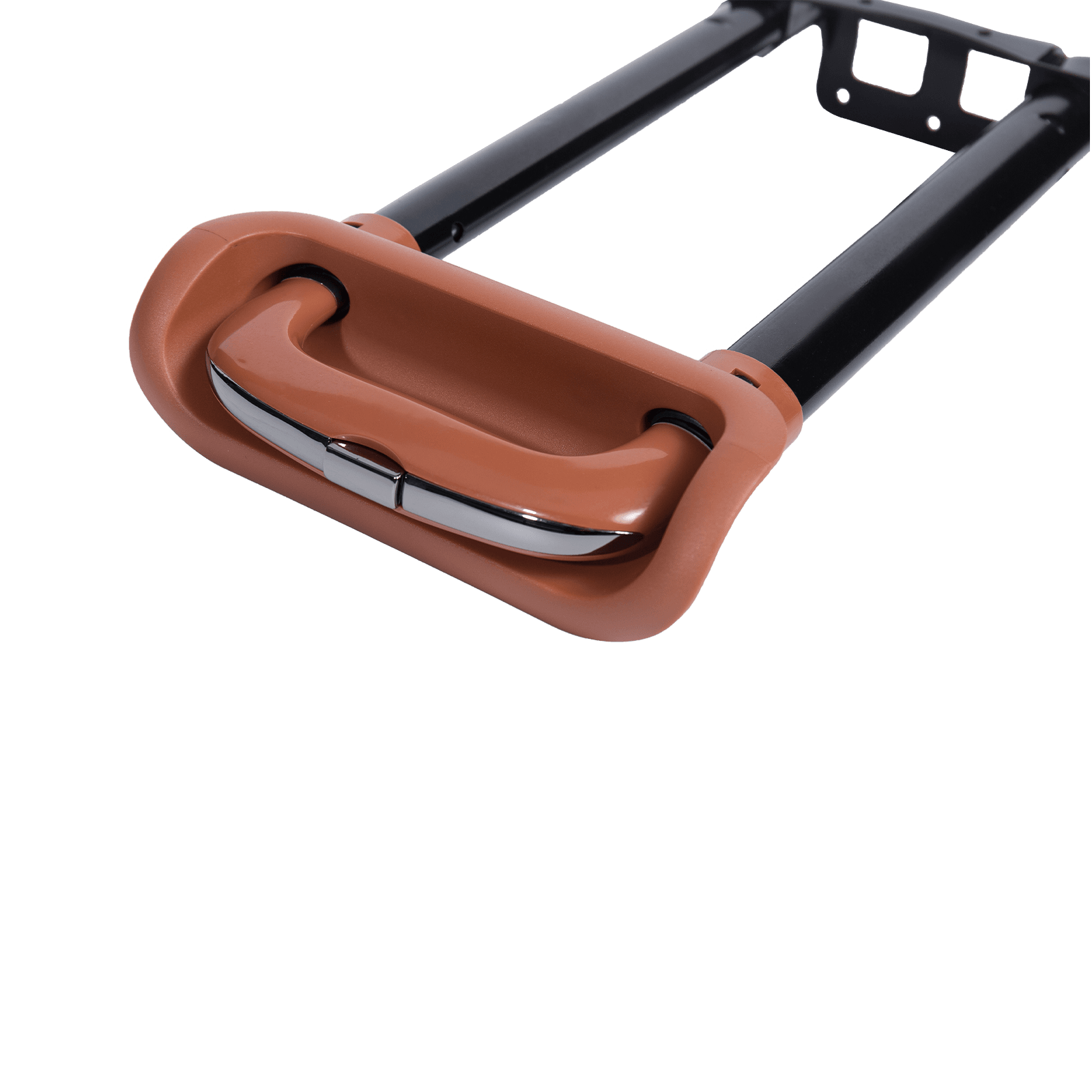 Double tube design luggage trolleyThe double-tube design luggage trolley is made of high-quality ABS material and is ergonomically designed to provide a comfortable feel. The double-tube design makes t...View Product →
We produce handles, trolleys, wheels, and locks for luggage makers worldwide, alongside finished cases, and we support OEM and ODM work with custom moulds, colours, and logos. Components are checked on our own luggage testing machines, and the same parts that go into a finished case are available as replacements for repairers and after-sales teams.
When a handle does break, treat it as information. The failure point tells you whether the part was undersized, the shell was too thin, or the case was simply asked to carry more than it was built for. Fix the cause, not just the grip, and the next handle will last considerably longer.