

 Español
Content
- 1 Start by Working Out What Actually Broke
- 2 Tools and Materials You Will Need
- 3 Fix a Loose or Wobbly Handle
- 4 Fix a Cracked or Snapped Plastic Grip
- 5 Fix a Stuck or Jammed Telescopic Handle
- 6 DIY Repair or Full Replacement? A Quick Comparison
- 7 Replacing the Handle Yourself in Six Steps
- 8 What to Look for in a Replacement Handle
- 9 Temporary Fixes for Travel Days
- 10 Prevention: Making a Handle Last Longer
A suitcase handle that suddenly gives way is one of the most frustrating things that can happen on a trip. You reach for the bag at the carousel, feel a wobble or a sharp crack, and suddenly you are dragging your luggage sideways through the terminal. After more than twenty years of making luggage handles, trolleys, wheels and locks for suitcase factories around the world, we have seen almost every way a handle can fail, and the good news is that most of these failures can be fixed or replaced without throwing the bag away.
This guide walks you through the whole process: how to work out what actually broke, how to repair the handle if the damage is minor, and how to choose and swap in a new handle when repair no longer makes sense.
Start by Working Out What Actually Broke
Before you reach for a screwdriver, take a minute to identify the failure. "Broken handle" covers a surprising number of different problems, and each one needs a different approach.
- Soft grip handles on soft-side bags are usually stitched or riveted fabric grips. They fail by tearing at the stitching or by the grip padding splitting open.
- Screw-mounted or riveted handles on hard-shell cases are fixed to a plate inside the shell. They fail when the screws work loose, the mounting plate cracks, or the rivet shears off.
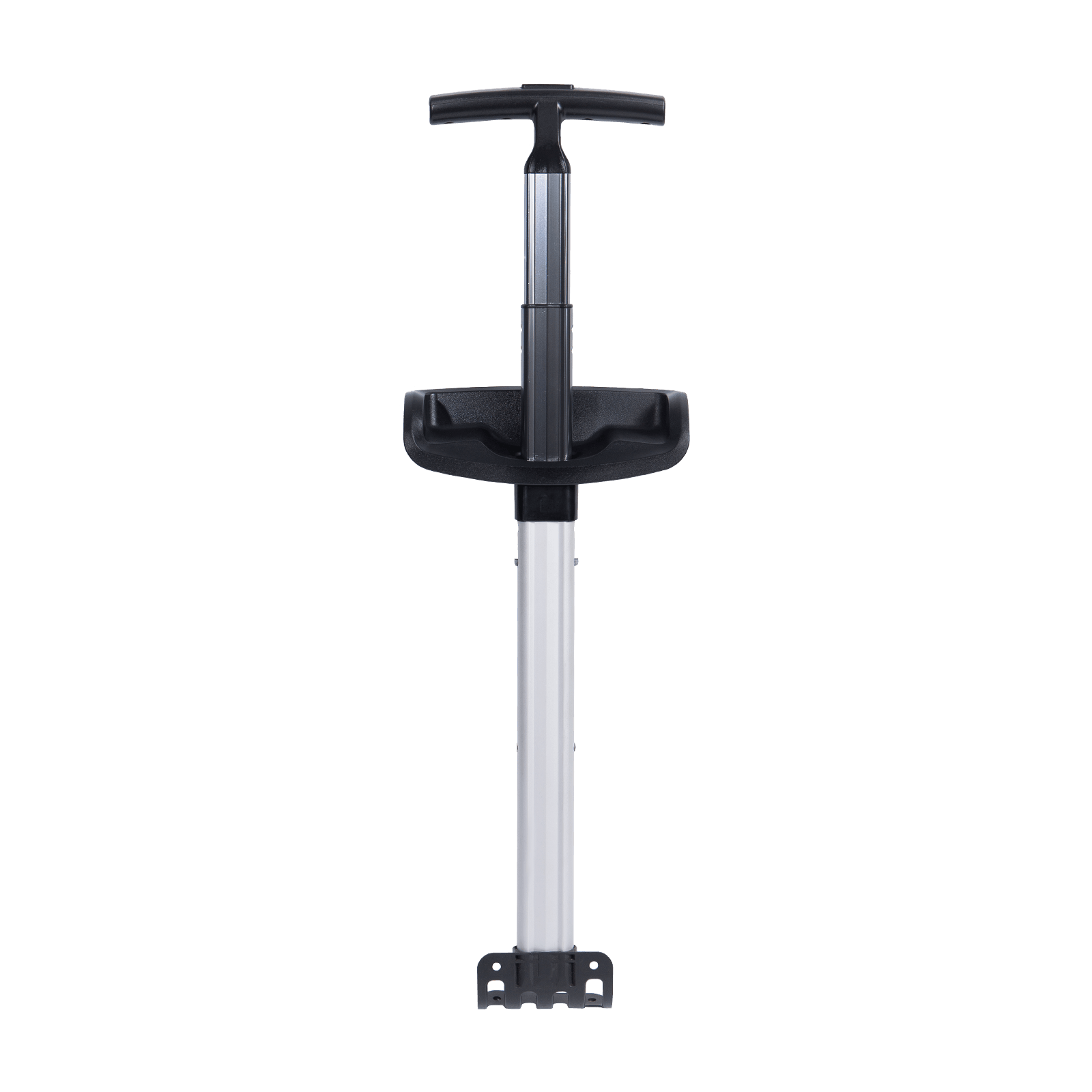
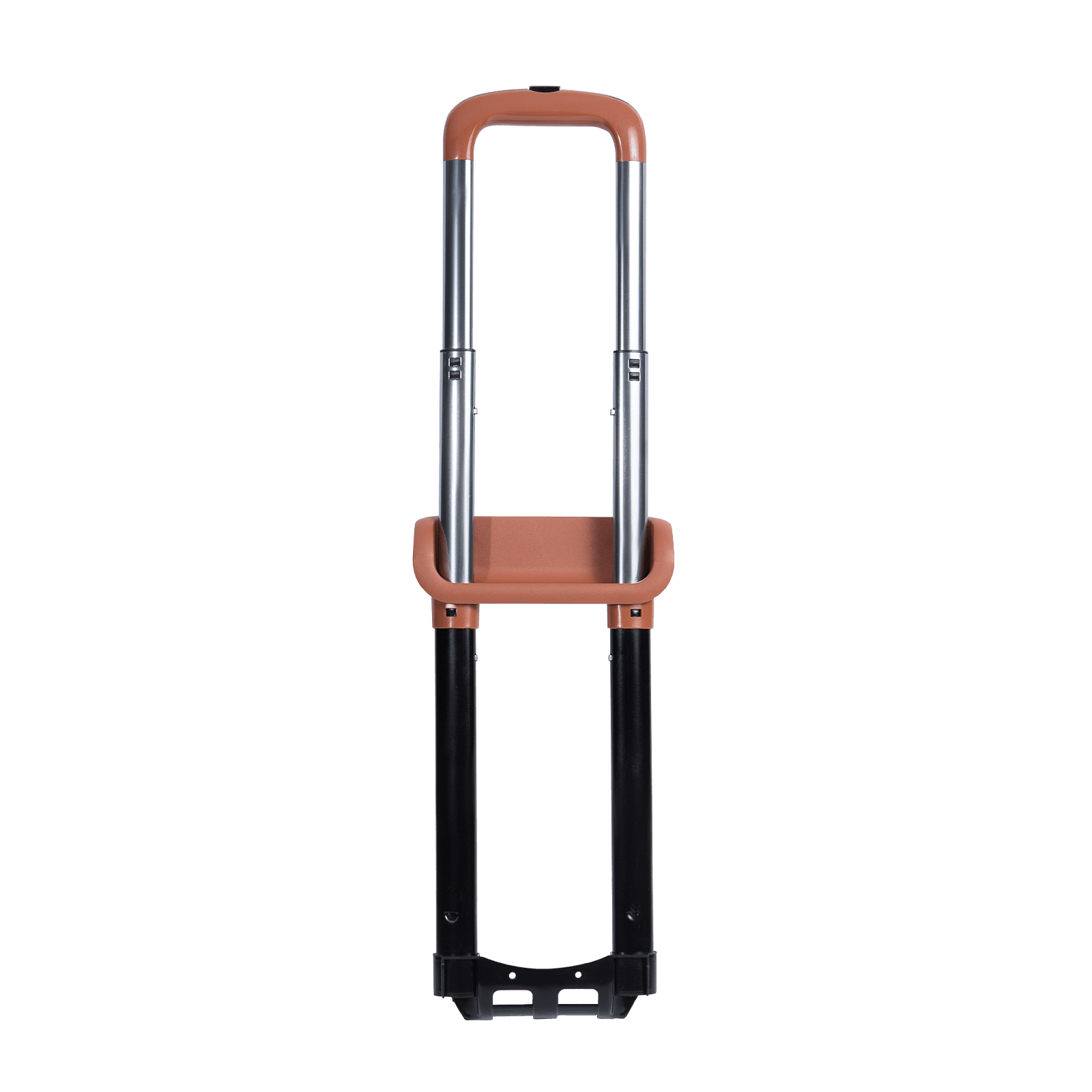
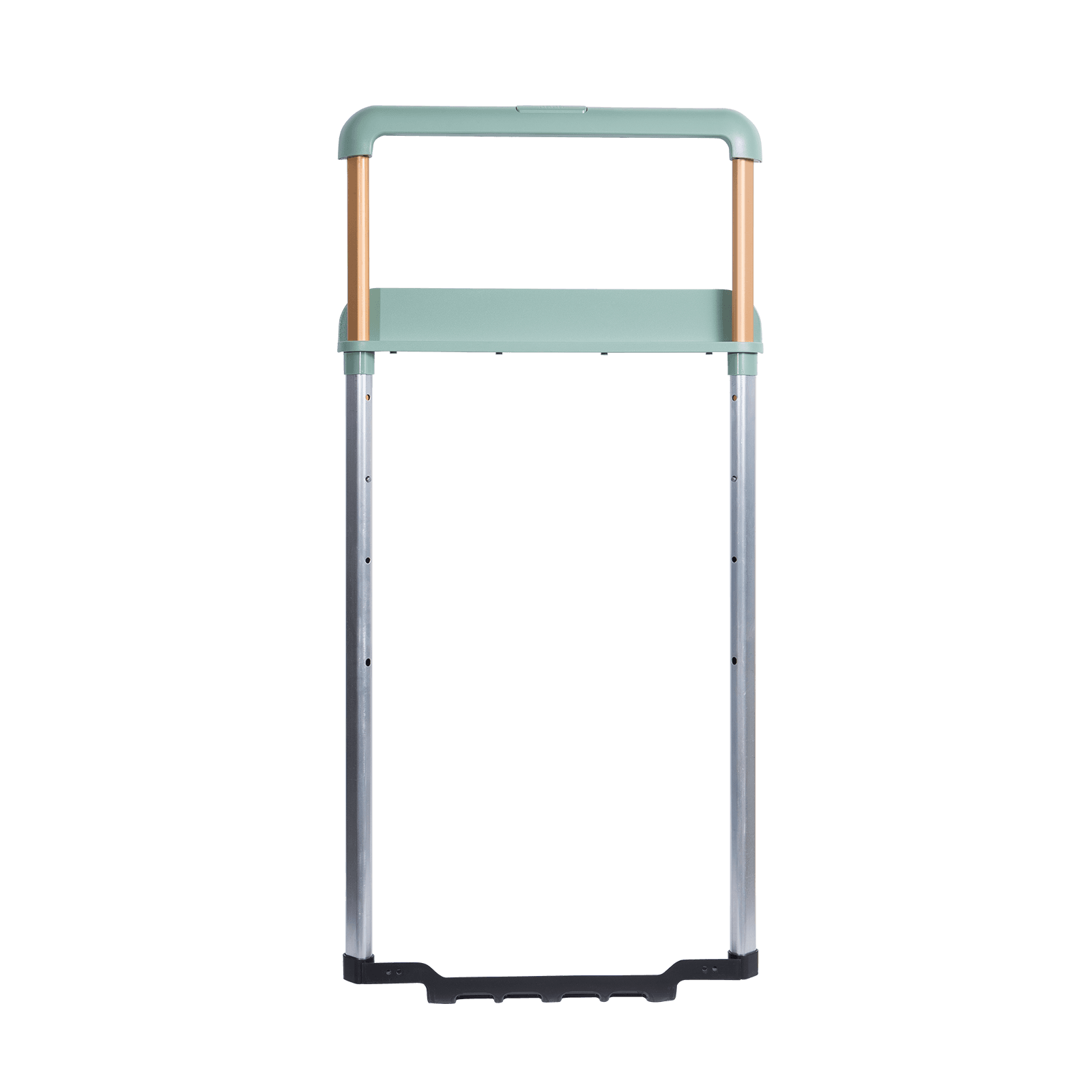
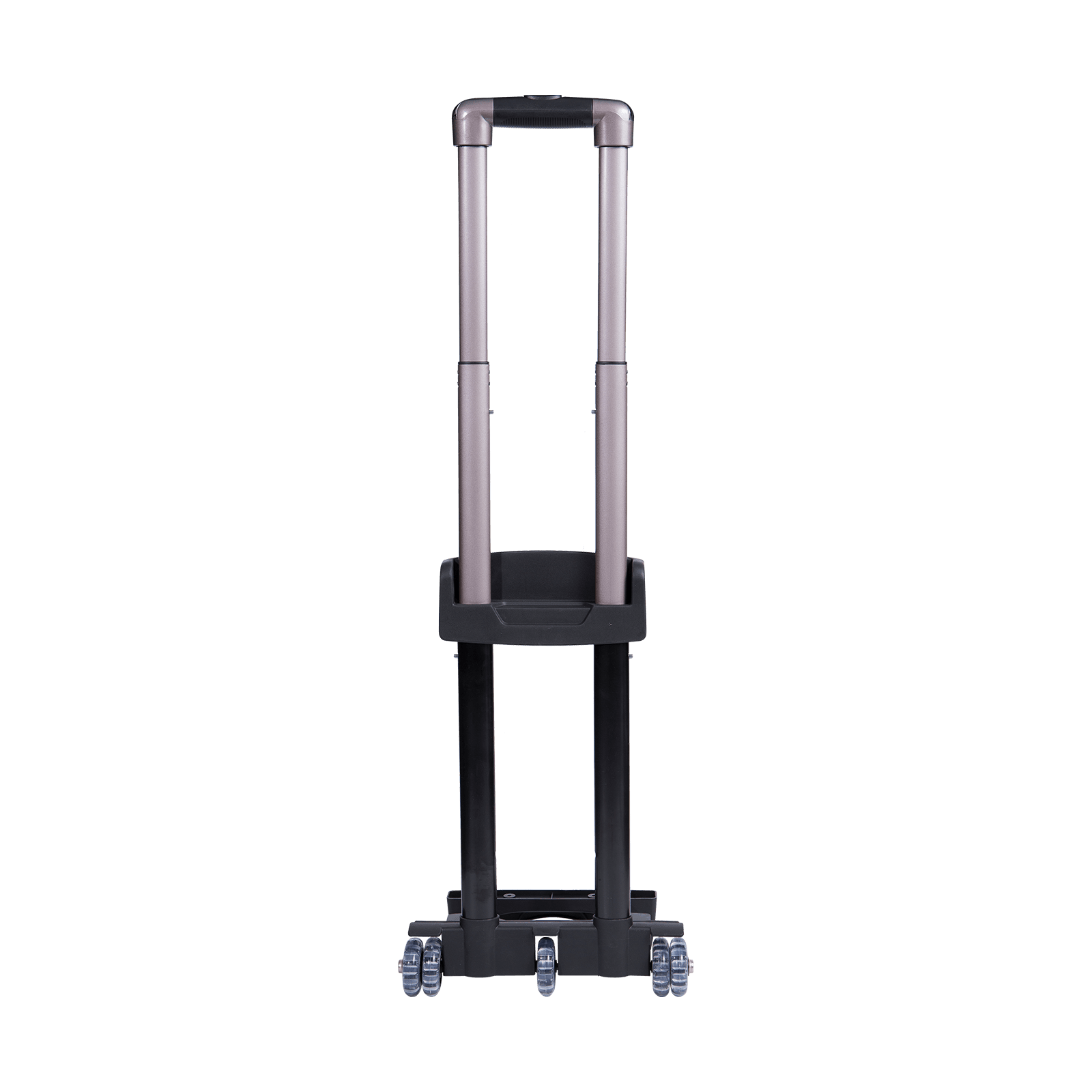
- Telescopic trolley handles are the pull rods that slide in and out. They fail by jamming, wobbling, bending, or losing the push-button lock inside the tube.
Once you know which of these you are dealing with, the repair path becomes much clearer. Loose screws and minor cracks can usually be fixed at home; snapped tubes and cracked mounting plates normally mean a replacement handle is the safer option.
Tools and Materials You Will Need
You do not need a workshop for most handle repairs. A basic household kit will cover the majority of jobs:
- A set of small screwdrivers, including Phillips and Torx sizes
- A couple of Allen keys, since many trolley handles use hex bolts
- Needle-nose pliers and a small adjustable wrench
- Two-part epoxy or epoxy putty for cracked plastic grips
- Replacement screws of the same length and diameter, plus a little thread-locking compound
- A roll of strong tape or a luggage strap for emergency field repairs
If the handle is riveted rather than screwed, you will also need a drill with a small bit and, ideally, a hand rivet gun. If you do not own one, any bag repair shop can re-rivet a handle in a few minutes.
Fix a Loose or Wobbly Handle
A wobbly handle is the easiest failure to fix, and catching it early prevents bigger damage later. Start by opening the lining inside the suitcase to reach the mounting plate or the screw heads. On many hard-shell cases the screws are hidden under a fabric flap held by a zip or a strip of hook-and-loop tape.
- Tighten each screw gently, working in a diagonal pattern so the plate stays balanced.
- If a screw keeps coming loose, remove it and apply a small drop of thread-locking compound before refitting.
- Check whether the plastic base of the handle is cracked around the screw holes. If it is, the fix will not hold for long and you should plan a replacement.
- Add a thin rubber or nylon washer under the head of each screw to spread the load and reduce future loosening.
Fix a Cracked or Snapped Plastic Grip
When the grip itself splits, epoxy is your best friend. Clean the crack with a little alcohol, then open it slightly with your fingers so the adhesive can reach the full depth of the break. Mix your two-part epoxy, work it into the crack, and clamp the grip overnight with tape or a zip tie.
For extra strength, you can slide a thin strip of metal, such as a piece of a hacksaw blade, into the hollow part of the handle as a splint before adding the epoxy. This is the same idea many travellers have used successfully for years. Just remember that a repaired grip is a temporary solution: it will hold for a trip or two, but it is no longer as strong as the original part, so treat it gently and consider a proper replacement once you are home.
Fix a Stuck or Jammed Telescopic Handle
A telescopic handle that will not extend is usually blocked by grit, sand, or a small dent in the tube rather than by a mechanical failure. Extend the handle as far as it will go, then spray a silicone or graphite lubricant into the joint and work the tubes in and out gently. Never force a jammed handle, because the extra pressure can bend the tube and turn a five-minute fix into a full replacement.
If the handle slides but will not lock in place, the internal spring clip has probably broken. That part sits inside the tube and is almost impossible to replace by hand, so a new trolley is the practical answer.
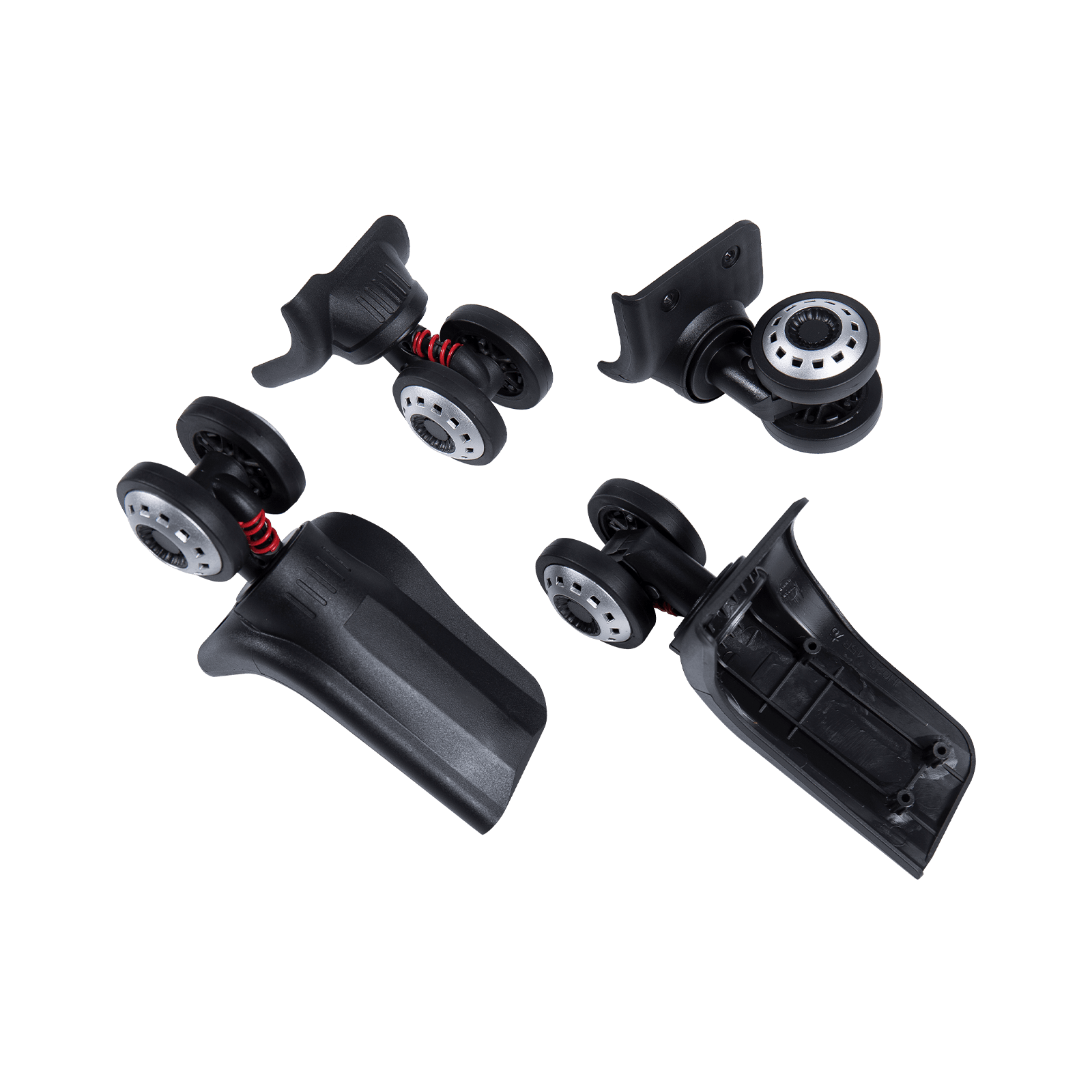
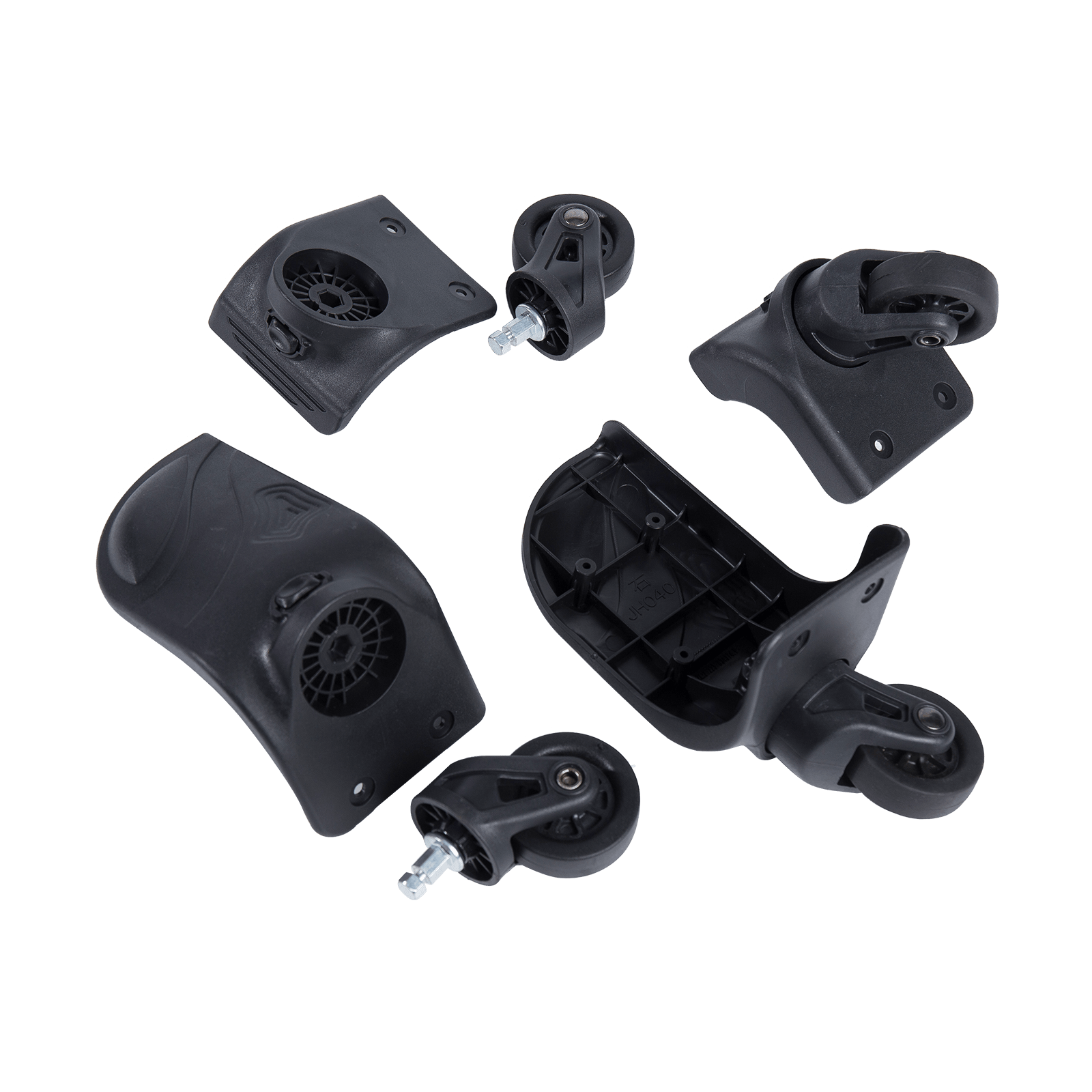
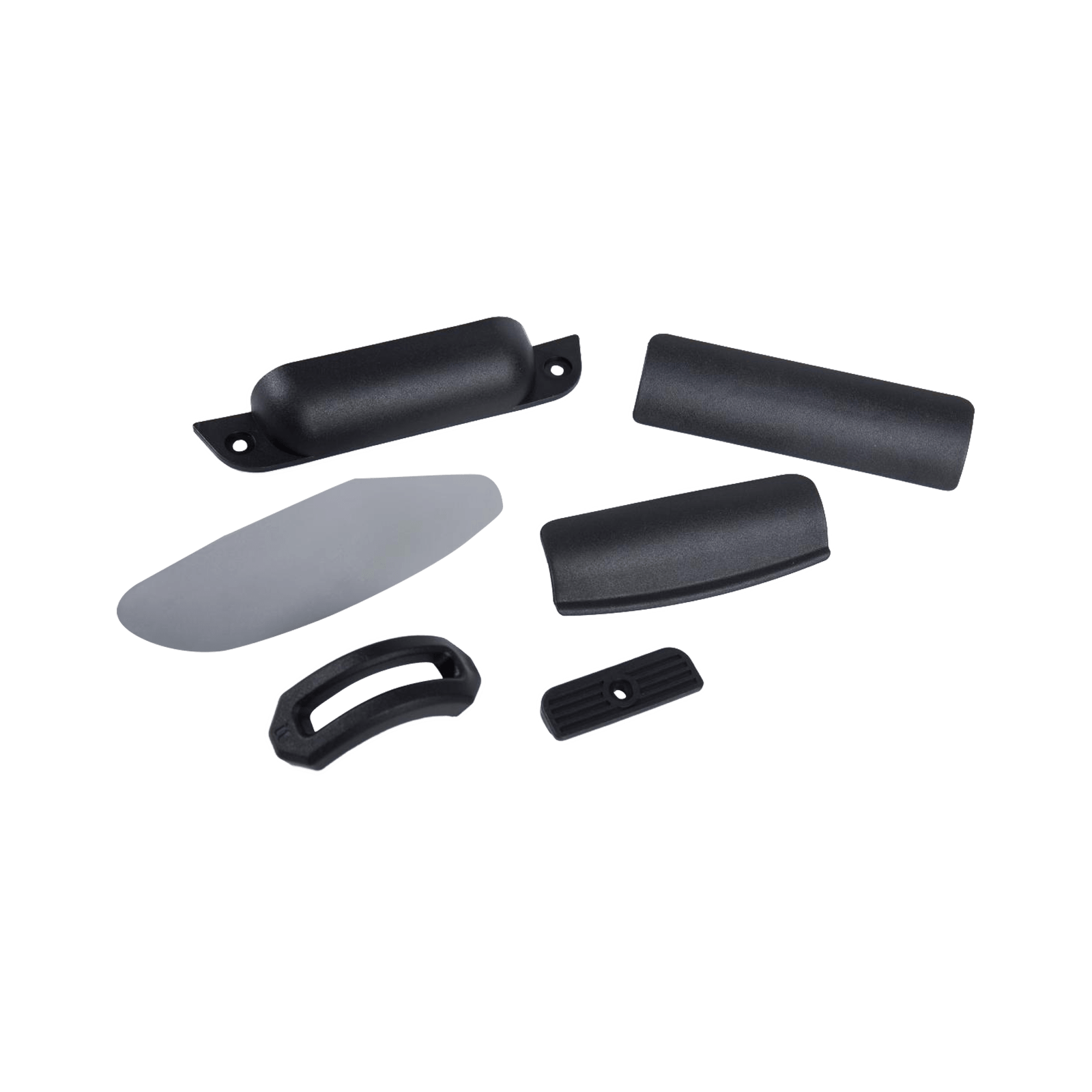
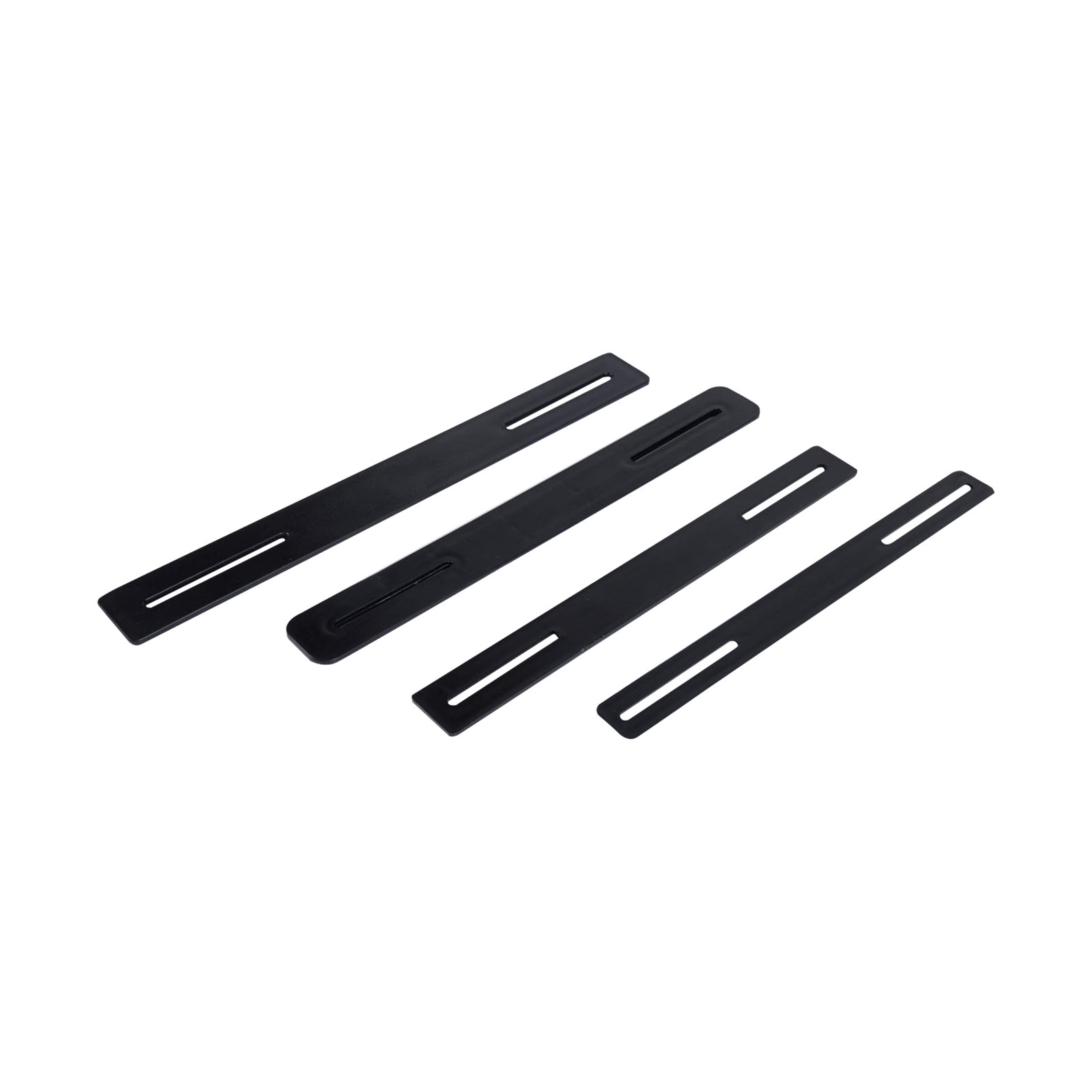
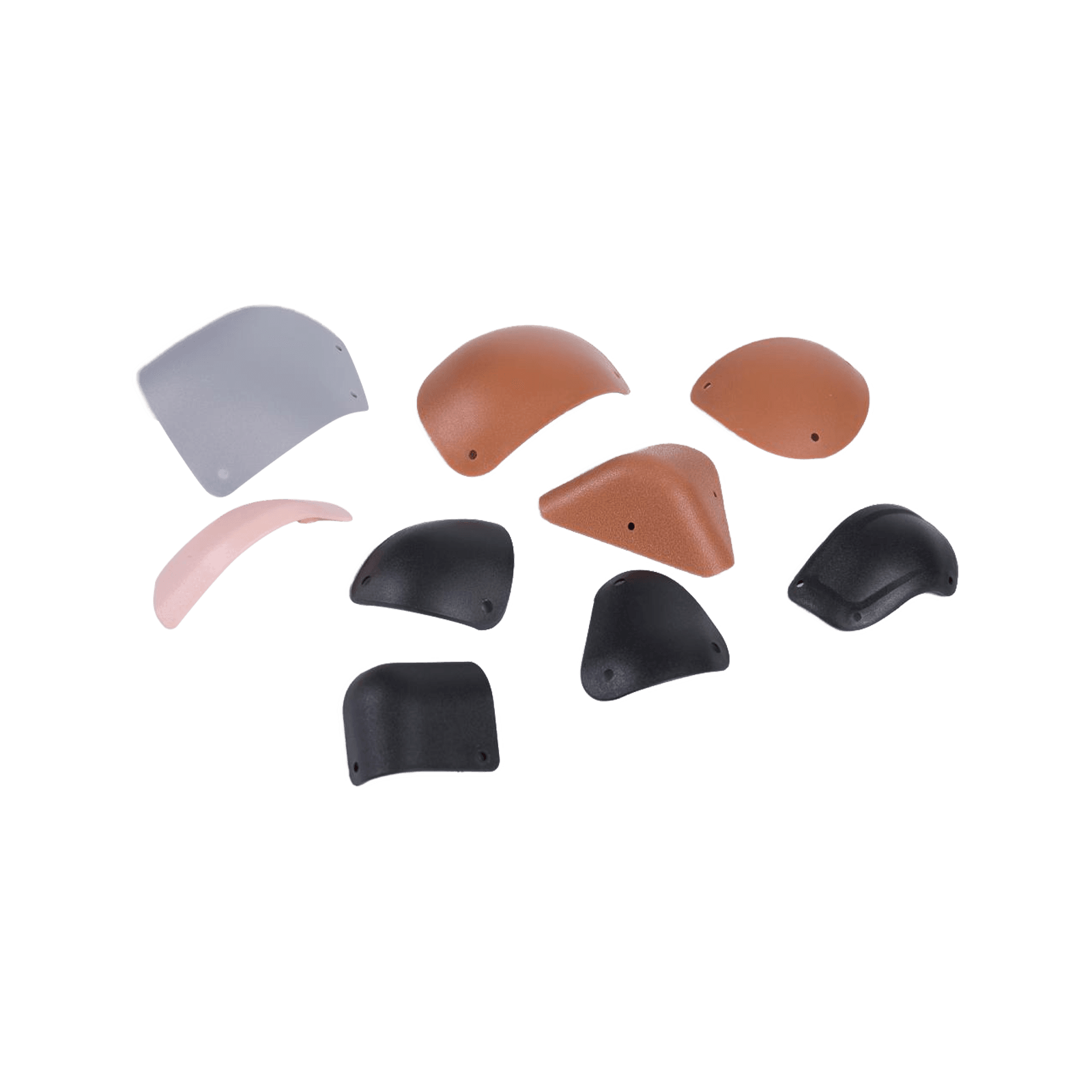
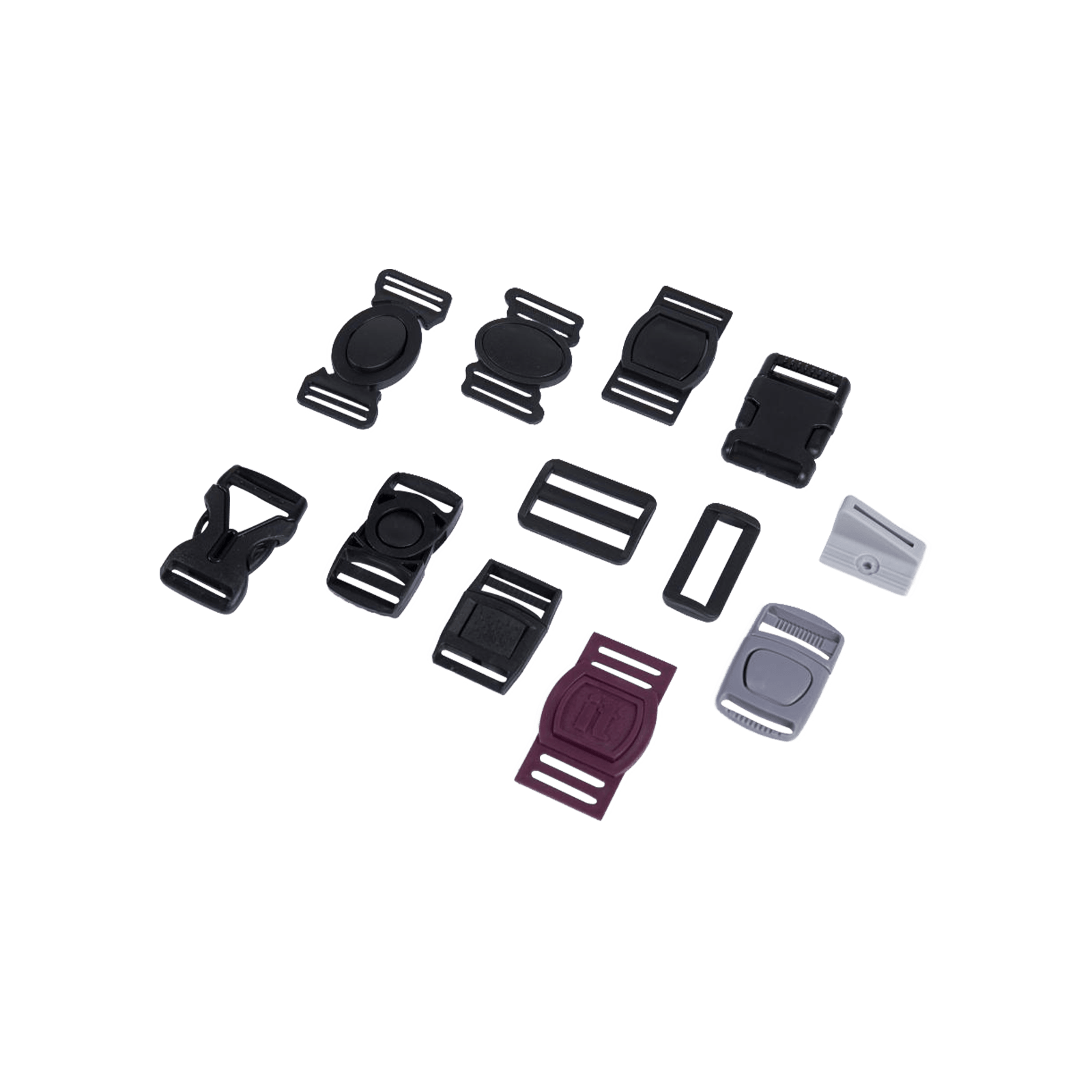
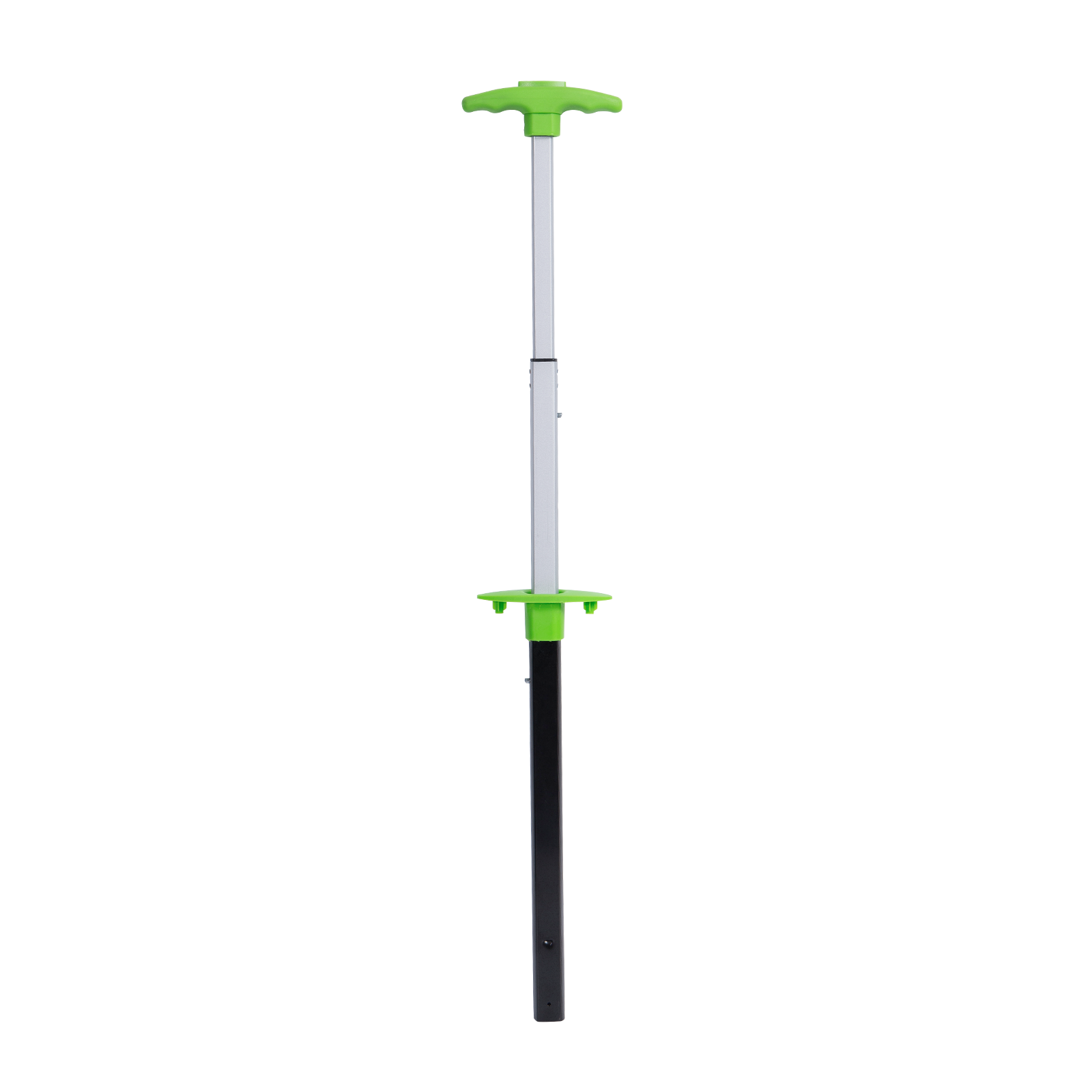 Do you need a high quality luggage trolley accsoories & parts replacement?Material: iron/ aluminumView Product →
DIY Repair or Full Replacement? A Quick Comparison
The table below sums up how we would advise a customer to decide between repairing a handle and replacing it.
| Problem | Typical DIY fix | Our recommendation |
|---|---|---|
| Loose screws or a wobbling grip | Tighten screws, add thread locker and washers | Repair at home |
| Small crack in a plastic grip | Epoxy plus a splint, clamped overnight | Repair, then replace soon |
| Broken internal lock on a trolley | Not practical by hand | Replace the trolley handle |
| Cracked mounting plate on the shell | Temporary tape only | Replace the handle |
| Torn stitched fabric grip on a soft bag | Hand stitching or a repair shop | Repair or replace the grip |
Replacing the Handle Yourself in Six Steps
If the damage is beyond a simple repair, fitting a new handle is a straightforward job as long as you buy the right part. Work through these steps:
- Measure the width of the handle and the distance between the mounting holes, and note the tube diameter for a trolley handle.
- Order a matching replacement, checking the material, base type, and colour.
- Open the suitcase lining and remove the old screws or drill out the rivets carefully.
- Lift out the old handle and clean any dust or old adhesive from the mounting area.
- Position the new handle, fit the screws or new rivets, and tighten evenly rather than all at once.
- Test the handle with a light load before packing the bag for a trip.
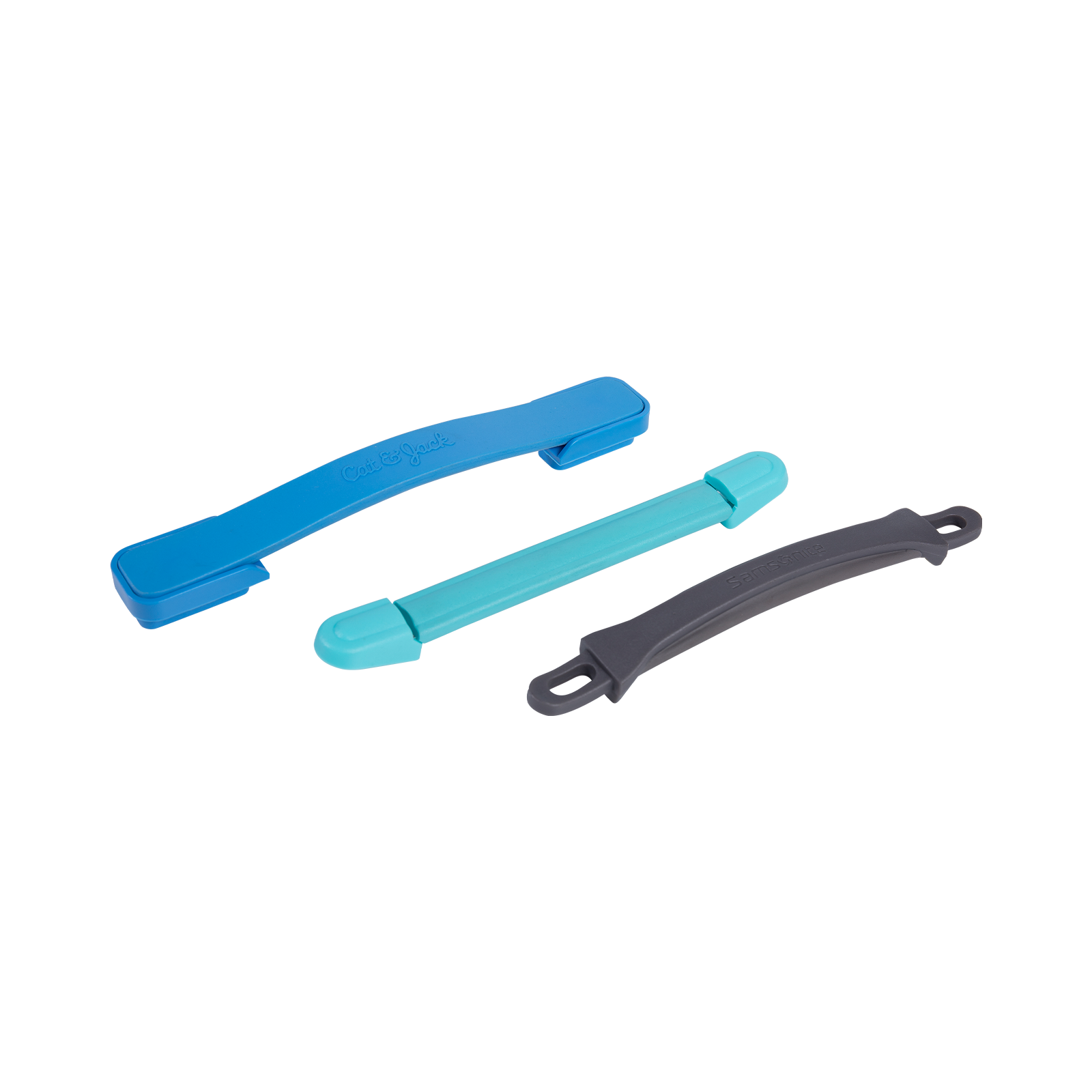
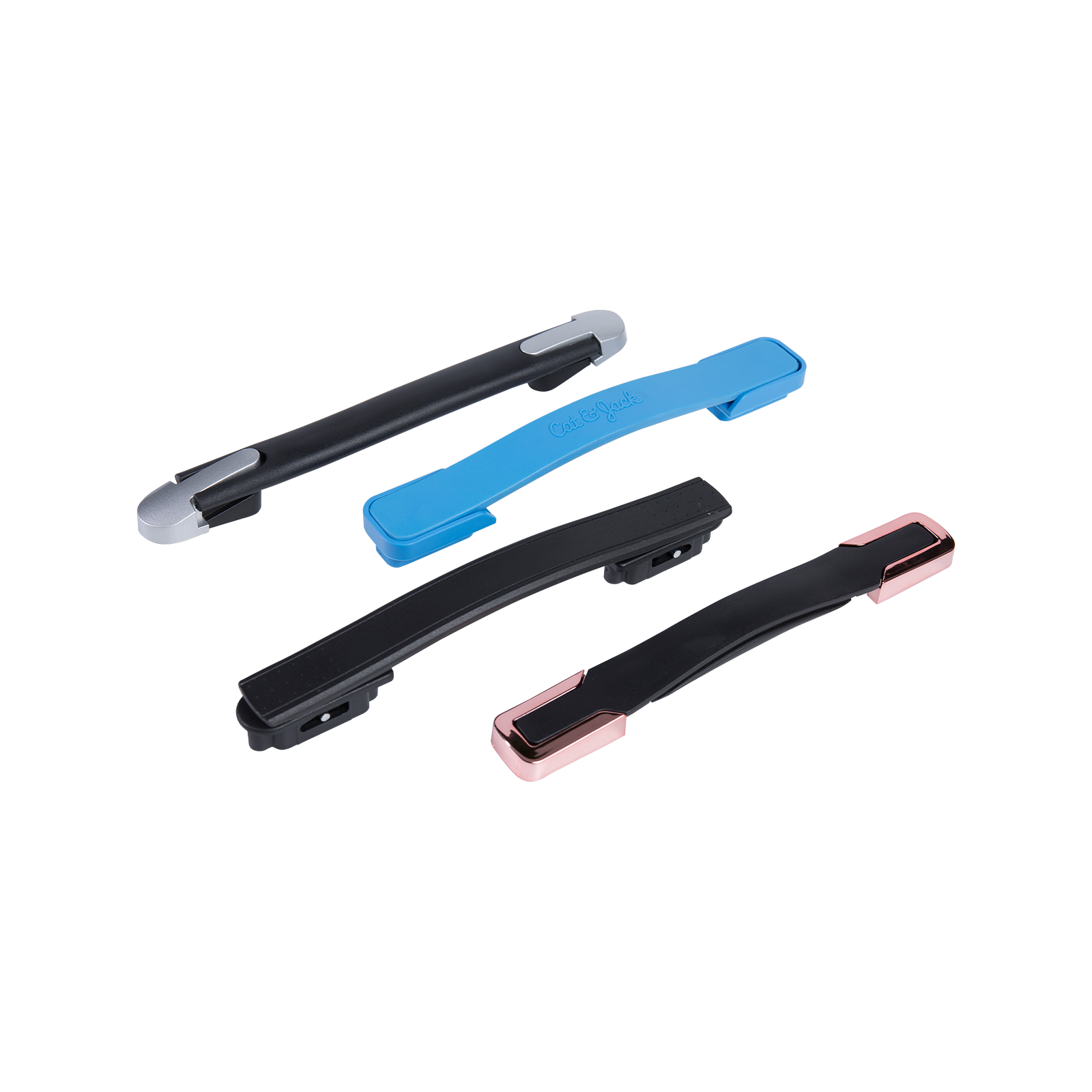
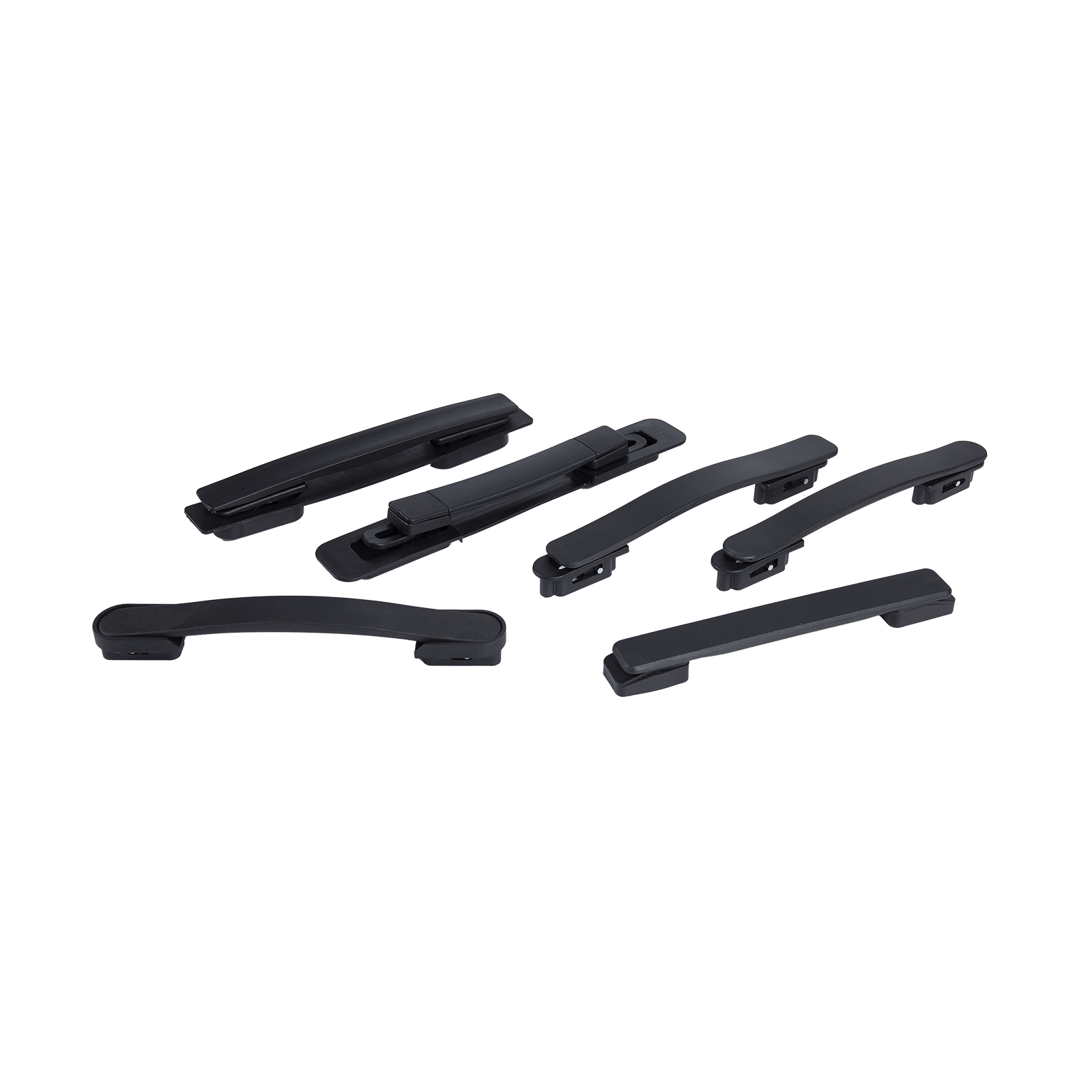 Plastic luggage handlePlastic luggage handles are made of plastic, which is lightweight and practical, and provides a comfortable grip. Suitable for various types of bags, such as suitcases...View Product →
 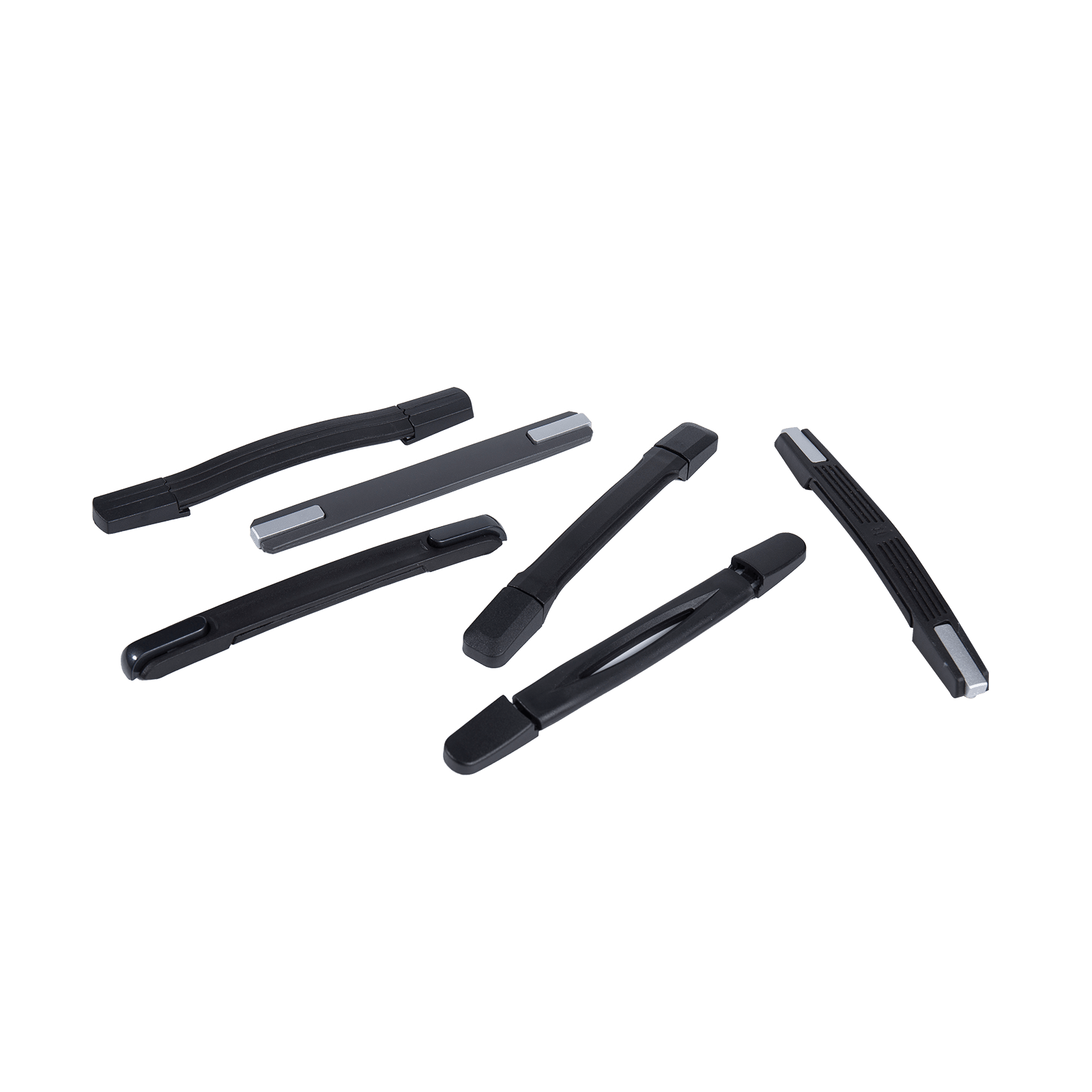 Plastic base zinc base luggage handleThe plastic seat and zinc seat bag handles are made of plastic, which is light and practical. The color of the seat can be naturally painted or electroplated, providin...View Product →
What to Look for in a Replacement Handle
Not all handles are built to the same standard, and the difference shows up after a few flights. Look for a reinforced base, whether plastic or zinc alloy, because that is where the load concentrates. Check that the grip material feels firm rather than hollow, and if you are buying a trolley handle, confirm that the tubes are aluminium or a magnesium-aluminium alloy so they stay light while resisting bending.
As a luggage parts factory that has been producing handles, trolleys, wheels and locks in Jiaxing since 2003, we test these components on purpose-built luggage testing machines before they leave the workshop, which is why we always suggest replacing a failed handle with a part that has been load tested rather than with the cheapest option available.
Temporary Fixes for Travel Days
Sometimes the handle breaks in the middle of a trip and you simply need to get home. Wrap the damaged grip tightly with duct tape to stop it opening further, or loop a strong belt or a luggage strap around the body of the case and carry it over your shoulder. A packing strap threaded through the top handle and around the suitcase can also take the load off a broken trolley until you can replace it.
Whatever you do, avoid lifting a fully packed case by a damaged handle. The extra strain usually turns a small crack into a complete failure and can damage the shell around the mounting plate as well.
Prevention: Making a Handle Last Longer
Most handle failures start long before they become visible. Keep the weight inside the bag close to the recommended limit, lift the case by the body rather than swinging it by the handle, and never drag a suitcase up stairs on its wheels and handle at the same time. Before each trip, spend thirty seconds checking the screws, the base plate, and the smooth movement of the trolley tubes. That small habit is the single best way to keep a handle working for years.
Whether you are repairing a favourite suitcase or sourcing handles, trolleys, wheels and locks in bulk for your own luggage line, the same principle applies: understand the failure, choose the right part, and fit it properly. If you need help identifying the right replacement handle for a particular bag, our team is always happy to share what we have learned on the production line.