

 Español
Content
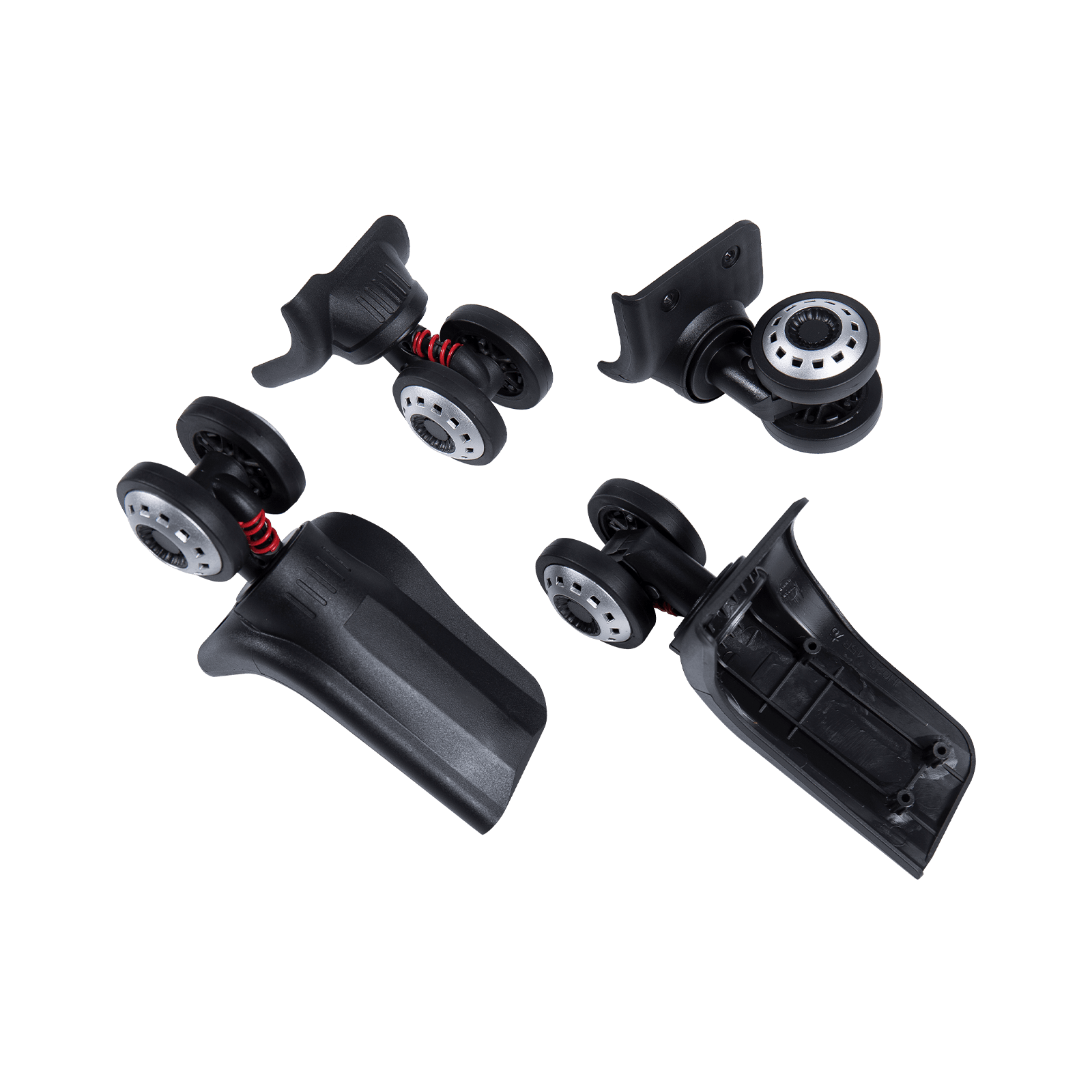
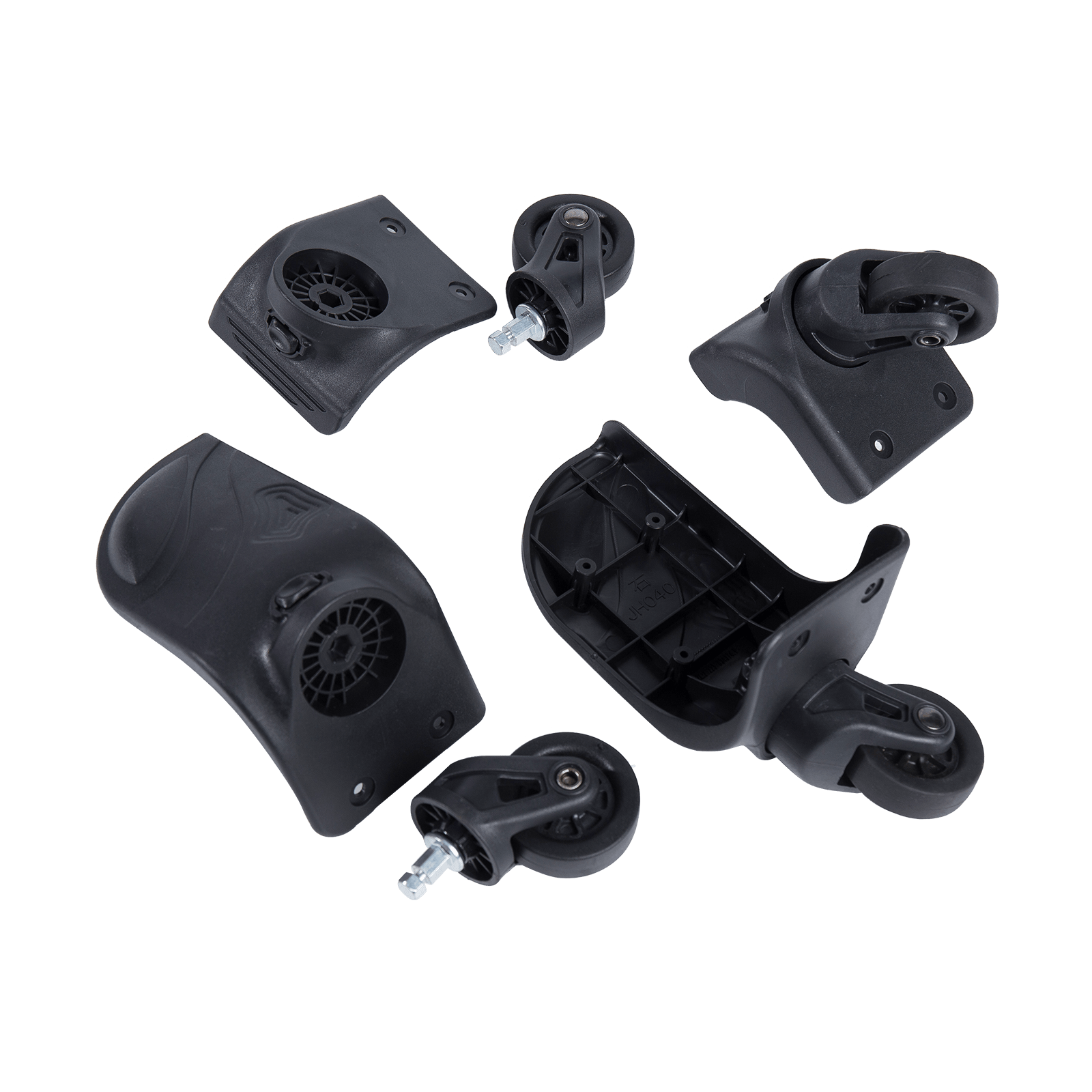
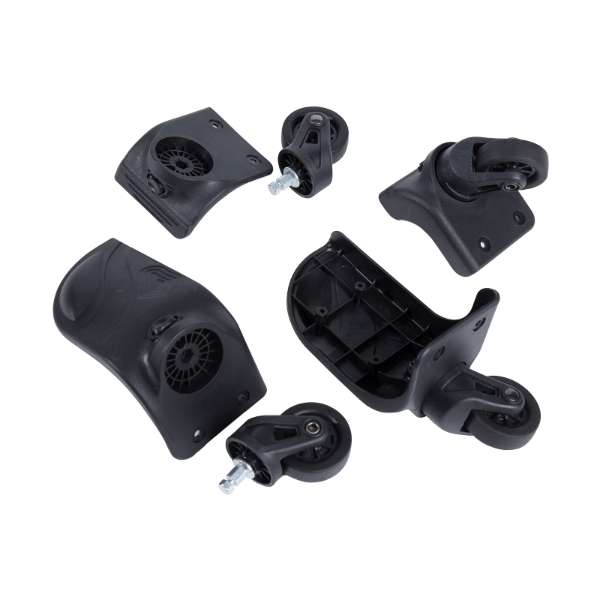
Universal luggage wheels have made it possible to repair a favorite suitcase instead of replacing it entirely when a wheel breaks or wears out. Designed to fit a wide range of luggage brands and models, these replacement wheels offer a practical, budget-friendly solution for travelers who want to extend the life of their bags. This guide covers the different types of universal luggage wheels available, how to choose the right fit, and what to know before attempting a replacement.
Why Luggage Wheels Fail in the First Place
Understanding why wheels break helps explain why replacement, rather than full luggage replacement, is often the smarter choice. Airport handling is one of the most common causes of wheel damage, since checked bags are frequently dropped, dragged across rough surfaces, or stacked under heavy loads on conveyor systems. Repeated impact against curbs, escalators, and uneven pavement gradually weakens wheel axles and housings, eventually leading to cracks or complete detachment.
Material fatigue also plays a significant role, particularly in budget luggage where wheels are made from lower-grade plastic that becomes brittle over time, especially when exposed to temperature extremes in cargo holds. Spinner wheels, which rotate 360 degrees for easier maneuverability, tend to experience more wear than fixed two-wheel designs because their swivel mechanism introduces additional moving parts that can loosen or jam with dirt and debris over repeated use.
Types of Universal Luggage Wheels
Universal replacement wheels come in several configurations designed to match the most common luggage wheel styles found on the market. Choosing the correct type is the first step in ensuring a successful repair.
| Wheel Type | Rotation | Common On |
| Spinner (360°) | Full rotation | Modern hardside and softside luggage |
| Inline skate wheel | Fixed, rolls forward/back | Two-wheel upright luggage |
| Recessed/hooded wheel | Fixed or swivel | Hardside cases with built-in wheel wells |
| Double wheel (twin) | Full rotation | Premium spinner luggage |
How to Measure for a Proper Fit
Getting an accurate fit is the most important step when shopping for universal luggage wheels, since even minor size mismatches can affect how smoothly the suitcase rolls or whether the wheel attaches securely at all. The wheel diameter, typically measured in millimeters, should closely match the original wheel to maintain the intended ground clearance of the bag. A wheel that is too large may cause the case to sit at an odd angle, while one that is too small can reduce clearance and cause the bottom of the bag to scrape against the ground.
Axle or mounting hole diameter is equally critical, since this determines whether the replacement wheel's screw or bolt will properly align with the existing luggage frame. It is also important to check the mounting bracket style, as some wheels attach via a single center bolt while others use a two-point bracket system. Taking detailed measurements of the broken wheel, or bringing it along when shopping in person, significantly reduces the risk of ordering an incompatible replacement.
Measurements to Take Before Buying
- Wheel diameter, measured across the widest point
- Wheel width, measured at the tread
- Axle or bolt hole diameter and spacing
- Mounting bracket type, single-bolt or two-point
- Overall wheel assembly height from mount to ground
Material Considerations for Durability
The material used in a replacement wheel significantly affects how well it will hold up under repeated travel stress. Polyurethane wheels are widely regarded as one of the more durable options, offering a good balance of shock absorption and wear resistance, which helps reduce noise and vibration when rolling over rough surfaces like cobblestones or uneven sidewalks. Hard plastic wheels, while typically less expensive, tend to be noisier and more prone to cracking under heavy impact, making them better suited for lighter, less frequent use.
Rubber-coated wheels offer improved grip and shock absorption compared to plain plastic, which can be especially useful for travelers who frequently navigate uneven terrain such as cobblestone streets or gravel paths. For frequent flyers or those who put their luggage through heavy daily use, investing in higher-quality polyurethane or rubber-coated wheels is generally worth the modest price difference, since the improved durability reduces the likelihood of needing another replacement in the near future.
Material Comparison
- Polyurethane: durable, quiet, good shock absorption
- Hard plastic: affordable, lightweight, less impact resistant
- Rubber-coated: strong grip, good for rough terrain
- Nylon composite: lightweight with moderate wear resistance
Installing Replacement Wheels Correctly
Installing universal luggage wheels is typically a straightforward process that most travelers can complete at home with basic tools. The process generally begins with removing the damaged wheel, which usually involves unscrewing a single bolt or removing a retaining pin that holds the wheel assembly to the luggage frame. It is helpful to keep the old wheel and hardware on hand during installation, both for reference and in case the replacement wheel includes different mounting hardware that needs to be swapped out.
Once the new wheel is aligned with the mounting bracket, it should be secured firmly but not overtightened, since excessive force can strip the mounting threads or crack the plastic housing around the wheel well. After installation, it is good practice to test the wheel by rolling the luggage across a flat surface to confirm smooth rotation and check for any wobbling, which could indicate an improperly seated axle or mismatched wheel size.
Basic Installation Steps
- Remove the damaged wheel by unscrewing the mounting bolt or pin
- Compare the old and new wheel hardware for compatibility
- Align the replacement wheel with the existing mounting bracket
- Secure the wheel firmly without overtightening the hardware
- Test rotation and stability on a flat surface before travel
When to Repair vs Replace the Entire Bag
While replacing a wheel is often the most cost-effective solution, it is worth evaluating the overall condition of the luggage before investing in a repair. If only one wheel is damaged and the rest of the bag, including the frame, zippers, and handle, remains in good working condition, a wheel replacement is almost always the more economical choice. However, if multiple wheels are worn simultaneously, or if the luggage frame itself shows signs of stress cracks or structural weakness, it may be more practical to consider replacing the bag entirely, since additional repairs may only be a short-term fix.
Age and overall usage history should also factor into this decision. A relatively new bag with a single broken wheel is a strong candidate for repair, while an older bag that has already required multiple repairs may be approaching the end of its practical lifespan, making continued investment in replacement parts less cost-effective over time.
Universal luggage wheels offer a simple, affordable way to keep a favorite suitcase functional long after its original wheels wear out. By measuring carefully, choosing durable materials, and following proper installation steps, travelers can extend the life of their luggage and avoid the cost and hassle of buying an entirely new bag.