

 Español
Content
Why Choosing the Right Luggage Matters
Selecting the right travel luggage bag affects far more than aesthetics. The correct size prevents costly airline fees, the right material determines how well your belongings survive rough handling, and thoughtful features can make the difference between a smooth trip and a frustrating one. With so many options on the market, from hardshell spinners to soft-sided duffels, understanding the practical tradeoffs between size, material, and features helps buyers avoid impulse purchases that don't match their actual travel habits.
Choosing the Right Luggage Size
Luggage size should be matched to trip length and airline restrictions rather than chosen based on appearance alone. Most luggage falls into one of three general categories based on height, though exact dimensions vary slightly between brands.
| Luggage Size | Typical Height | Best For |
| Carry-On | 20 to 22 inches | Trips of 1 to 4 days, avoiding checked bag fees |
| Medium Checked | 24 to 26 inches | Trips of 5 to 10 days |
| Large Checked | 28 to 32 inches | Extended trips, family travel, relocation |
Before purchasing a carry-on specifically, it is worth checking the size restrictions of the airlines you fly most often, since limits can vary by a few centimeters between carriers and may be strictly enforced at the gate. Buyers who frequently fly budget airlines with stricter size caps should prioritize bags on the smaller end of the carry-on range to avoid gate-check fees.
Comparing Common Luggage Materials
The material of a luggage bag affects its weight, durability, and how well it protects contents from impact, moisture, and rough handling during transit.
Polycarbonate
Polycarbonate is a lightweight, impact-resistant plastic commonly used in hardshell luggage. It offers a good balance of durability and weight, flexing slightly under pressure and returning to shape rather than cracking outright, which makes it a popular mid-range to premium choice for frequent travelers.
ABS Plastic
ABS is a more affordable hardshell material often used in budget luggage lines. While lightweight, it is more prone to cracking under significant impact compared to polycarbonate, making it better suited for occasional travelers rather than those checking bags frequently on multiple flights.
Ballistic Nylon
Ballistic nylon is a tightly woven, tear-resistant fabric commonly used in softshell luggage and duffel bags. It offers excellent abrasion resistance and flexibility, allowing bags to expand slightly when overpacked, though softshell bags generally offer less protection against crushing than hardshell alternatives.
Aluminum
Aluminum luggage sits at the premium end of the market, offering exceptional durability and a distinctive appearance. It resists dents better than plastic in most everyday scenarios but is heavier, which reduces the effective weight allowance for packed items, and can show scratches more visibly over time.
Hardshell vs Softshell: Which Type Fits Your Travel Style
Beyond specific materials, luggage generally falls into hardshell or softshell categories, each suited to different travel priorities.
- Hardshell luggage offers better protection for fragile items and increased water resistance, making it ideal for checked bags on international flights
- Softshell luggage typically offers more exterior pockets and slight expandability, useful for travelers who tend to pack extra items on return trips
- Hardshell bags are generally easier to wipe clean, while softshell bags may absorb moisture or odors more readily in humid conditions
- Softshell bags tend to be lighter overall, which can matter for travelers close to strict weight limits
Features Worth Prioritizing When Buying Luggage
Beyond size and material, certain functional features significantly improve the day-to-day usability of a luggage bag, particularly for frequent travelers navigating airports and public transit.
Wheel Configuration
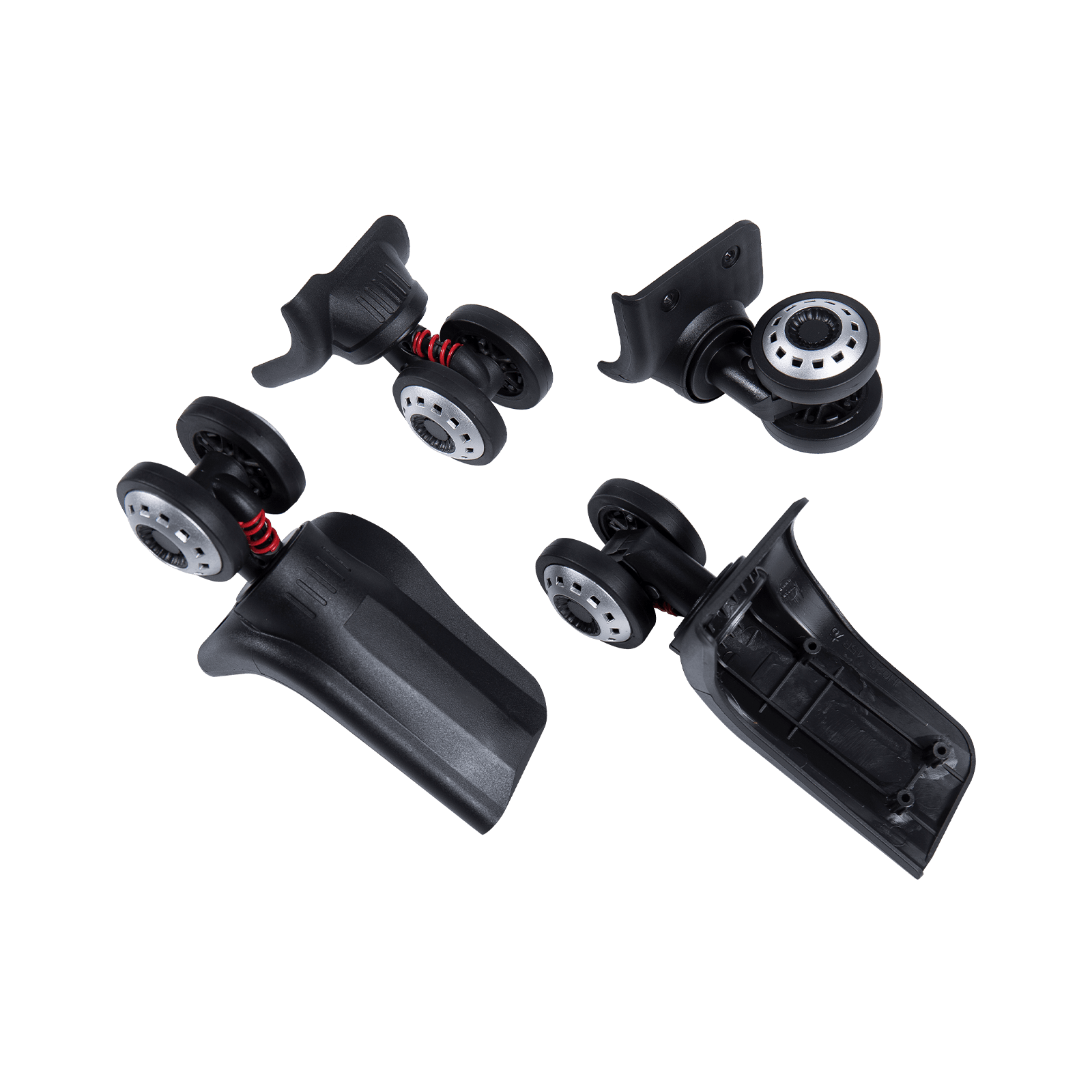
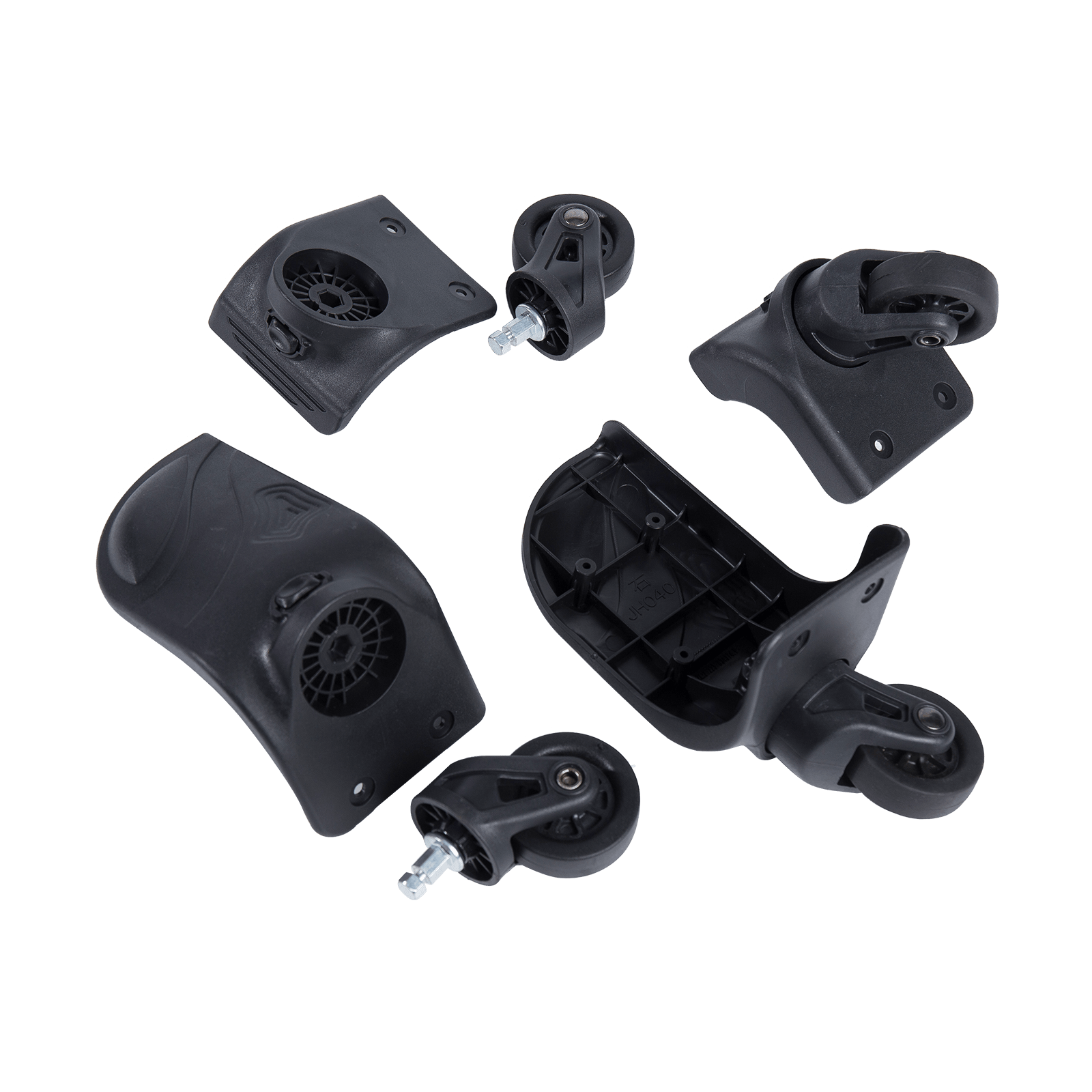
Four-wheel spinner designs allow luggage to roll smoothly in any direction and reduce strain when maneuvering through crowded terminals, while two-wheel designs offer better stability on uneven or sloped surfaces such as cobblestone streets, though they require more effort to pull.
Handle and Compression Systems
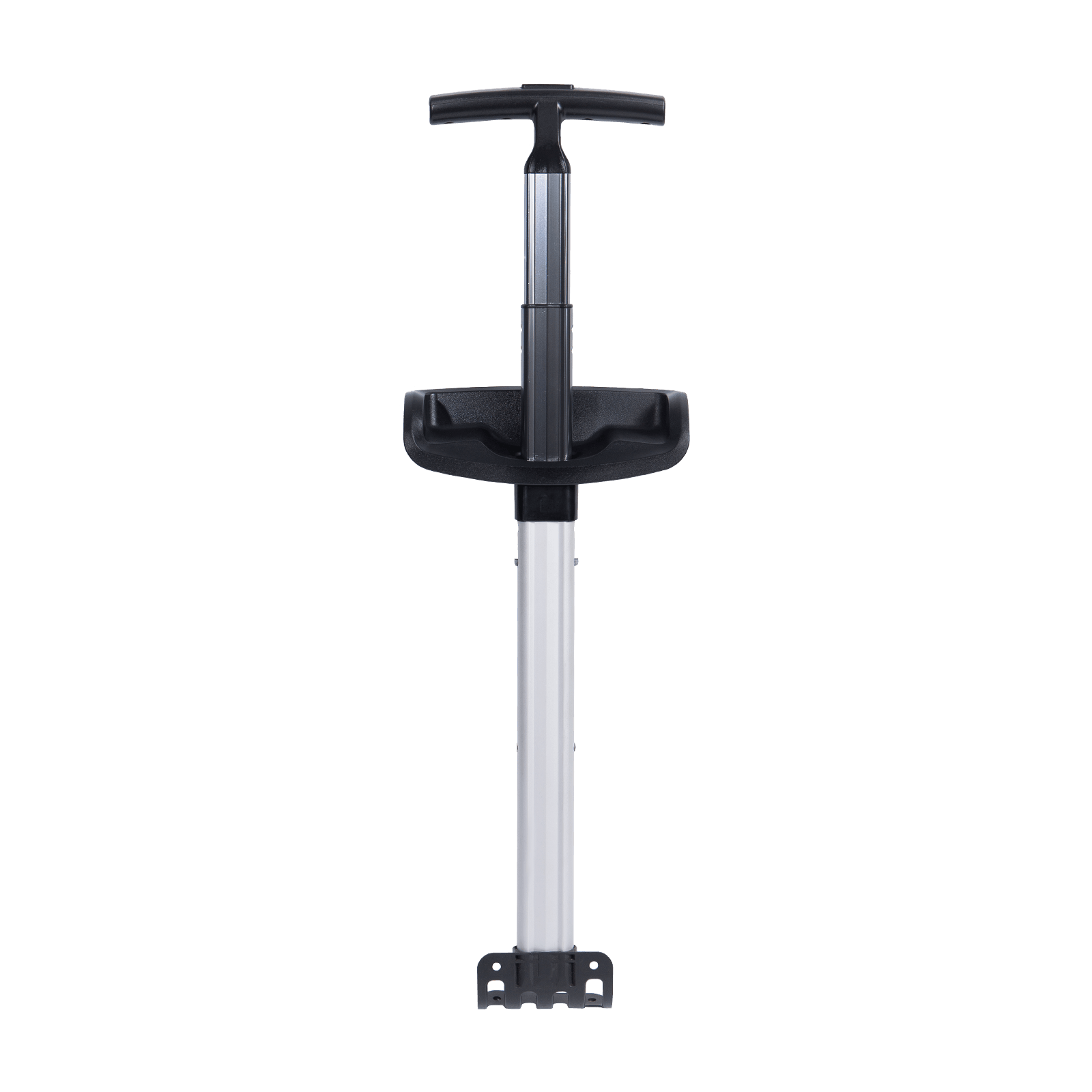
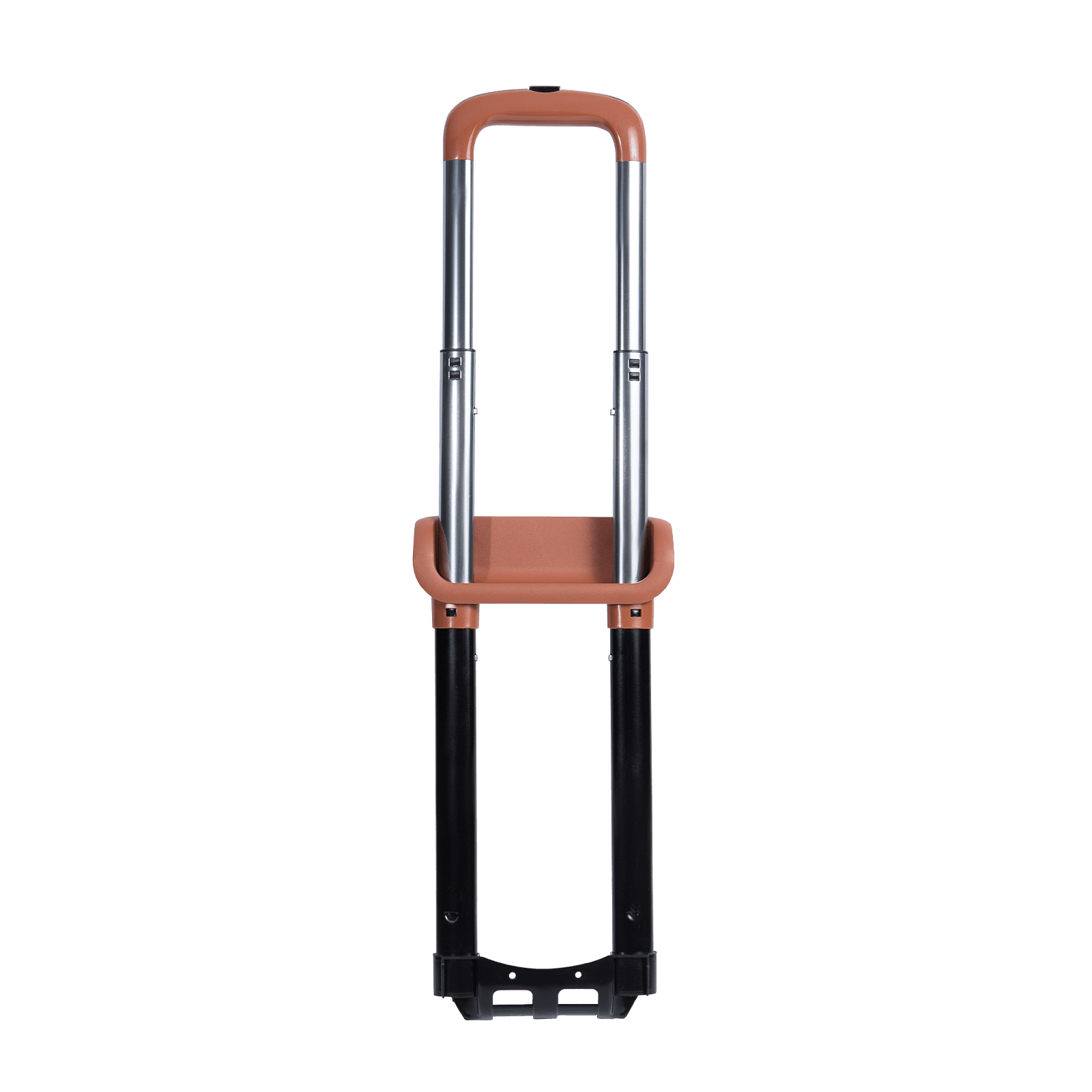
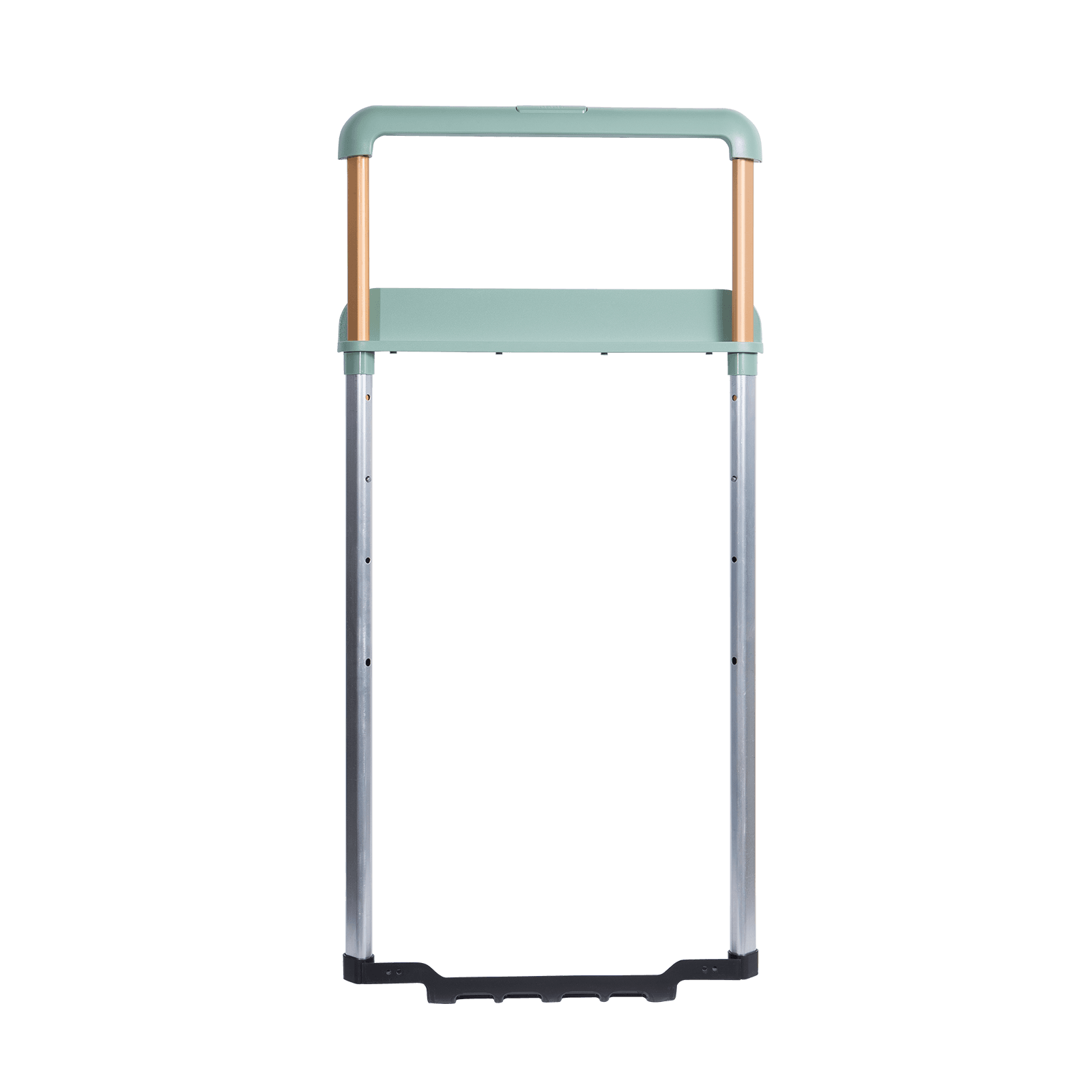
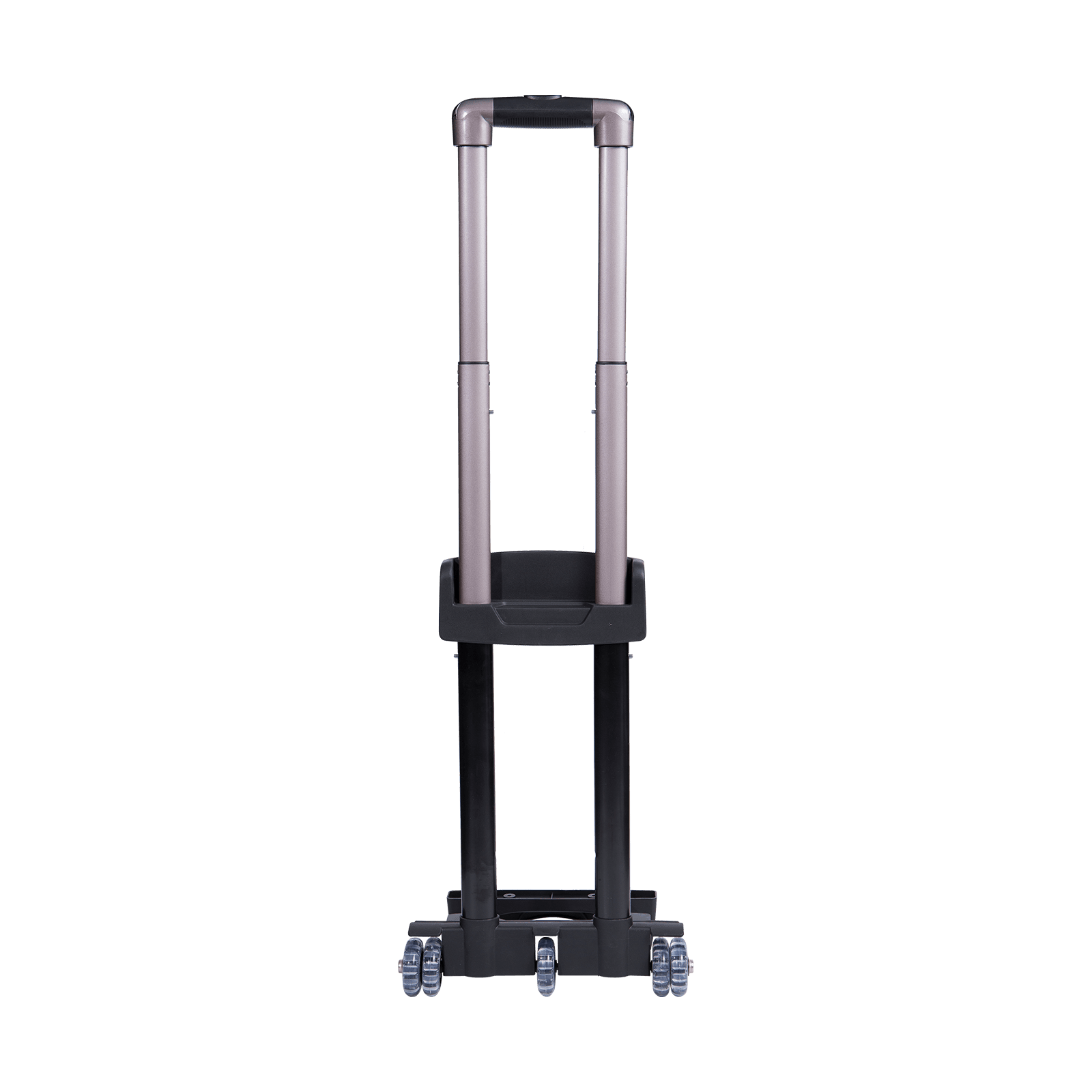
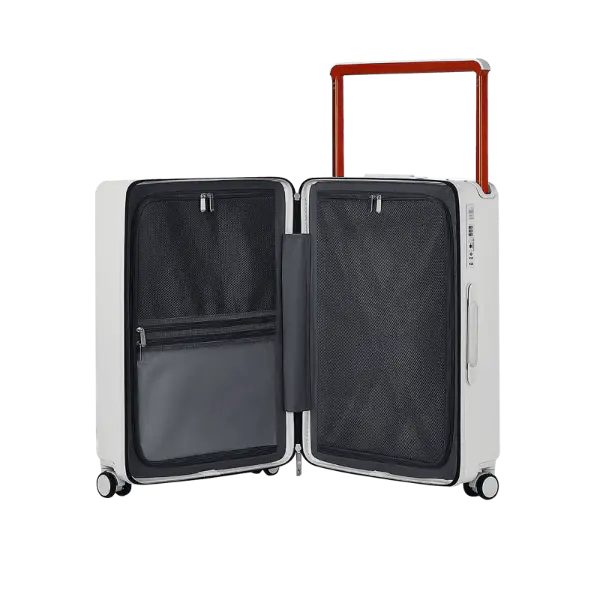
A telescoping handle with multiple height settings improves comfort for travelers of different heights, while internal compression straps help secure contents and prevent shifting during transit, reducing wrinkles and protecting fragile items.
Security and Organization
TSA-approved locks allow security agents to inspect bags without damaging the lock, which is particularly useful for checked luggage on international routes. Interior organization features such as zippered compartments, garment straps, and separate shoe pockets can also reduce the need for additional packing cubes.
Matching Luggage to Your Travel Frequency
Occasional travelers who fly once or twice a year may find that a mid-range ABS or polycarbonate hardshell bag offers sufficient durability without a significant investment. Frequent flyers who check bags regularly should prioritize polycarbonate or aluminum construction for long-term durability, along with reinforced corners and high-quality wheel bearings that withstand repeated handling. Business travelers who primarily use carry-on luggage may prioritize lightweight softshell options with extra organizational pockets for quick access to essentials during security checks and short connections. Matching luggage choice to actual travel patterns, rather than choosing based on price or appearance alone, results in a purchase that holds up over years of use rather than needing replacement after only a few trips.