

 Español
Content
Why the Right Pet Carrier Bag Matters
A pet carrier bag serves as more than just a way to transport an animal from one place to another. It provides a secure, contained space that helps reduce anxiety during car rides, vet visits, and air travel, while also protecting the pet from environmental hazards and preventing escape in crowded or unfamiliar settings. Choosing a carrier that fits both the pet's size and the intended use case makes a significant difference in comfort and safety.
Poorly fitted or low-quality carriers can cause unnecessary stress, restrict airflow, or even fail structurally during transit. Understanding the key features that separate a functional carrier from an inadequate one helps pet owners make a confident, informed purchase.
Choosing the Correct Size for Your Pet
Proper sizing is one of the most important factors when selecting a pet carrier bag. A carrier that is too small restricts natural movement, while one that is too large allows the pet to slide around during transit, increasing stress and the risk of injury.
General Sizing Guidelines
A well-fitted carrier should allow the pet to stand up, turn around, and lie down comfortably without excessive extra space. Measuring the pet from nose to tail base for length, and from the floor to the top of the head or ears while standing for height, provides the baseline dimensions needed to compare against carrier specifications.
| Pet Weight | Recommended Carrier Size |
| Under 10 lbs | Small (16-18 inches) |
| 10-20 lbs | Medium (19-22 inches) |
| 20-30 lbs | Large (23-27 inches) |
| Over 30 lbs | Extra Large or hard-sided crate |
For pets near the upper weight limit of a size category, it is generally safer to size up rather than choose a carrier that offers only minimal clearance, since a snug fit can become uncomfortable during longer trips.
Soft-Sided vs Hard-Sided Carriers
Pet carrier bags generally fall into two main categories, each offering distinct advantages depending on the type of travel planned. Understanding these differences helps narrow down options based on practical needs.
Comparing Carrier Types
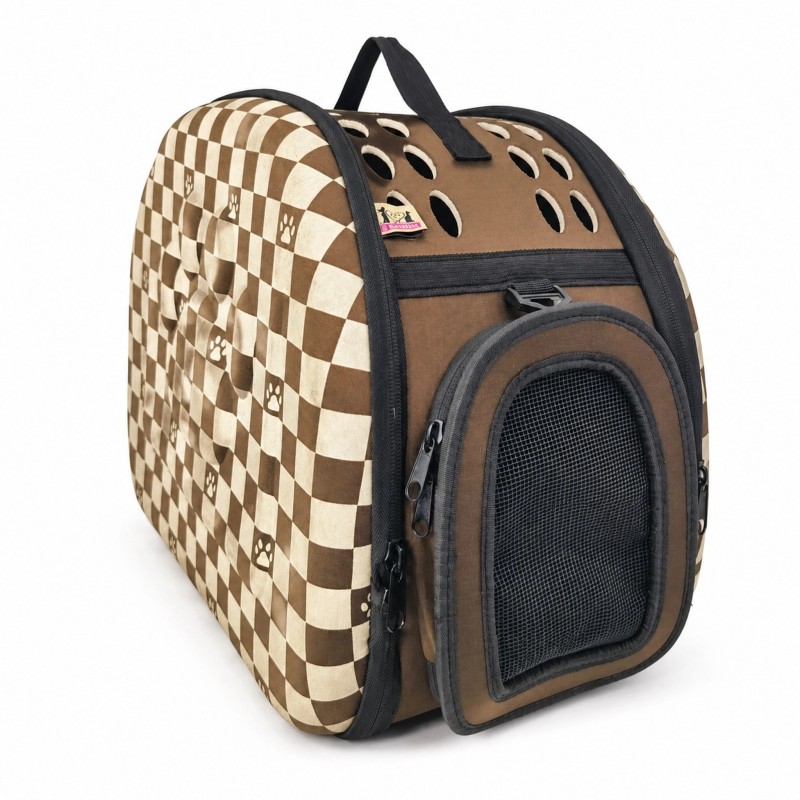
- Soft-sided carriers: lightweight, collapsible, and often approved for airline cabin travel
- Hard-sided carriers: more durable protection, better suited for cargo hold air travel
- Backpack-style carriers: hands-free convenience for hiking or active outings
- Sling carriers: close bonding contact, best for very small or anxious pets
- Wheeled carriers: reduce physical strain when navigating airports with heavier pets
Soft-sided carriers tend to be the most popular choice for everyday use and air travel because they fit more easily under airline seats and offer flexible storage when not in use, while hard-sided options provide superior structural protection for pets traveling in cargo areas.
Airline and Travel Requirements to Check Before Buying
Air travel with pets involves specific carrier requirements that vary by airline, and failing to meet these specifications can result in denied boarding at the gate. Checking these requirements before purchasing a carrier saves both money and last-minute travel stress.
Most airlines specify maximum under-seat carrier dimensions, typically ranging around 18 by 11 by 11 inches, though exact measurements vary between carriers. Airlines also generally require that the carrier be well ventilated, leak-proof at the bottom, and secure enough to prevent the pet from escaping during handling. Contacting the airline directly or reviewing their official pet travel policy before booking ensures the chosen carrier bag meets all necessary criteria.
Key Features That Improve Comfort and Safety
Beyond basic size and structure, several design features distinguish a high-quality pet carrier bag from a basic model. These details directly affect how comfortable and secure a pet feels during transport.
Features Worth Prioritizing
- Mesh ventilation panels on multiple sides for consistent airflow
- Padded, adjustable shoulder straps for comfortable carrying
- A removable, washable interior mat or liner for easy cleaning
- Secure zippers with safety locks to prevent accidental escape
- An internal safety leash clip to secure the pet inside the bag
A washable interior liner is particularly valuable for pet owners, since accidents or shedding are common during travel, and being able to quickly clean the carrier between uses helps maintain hygiene without needing to replace the entire bag.
Helping Pets Adjust to Carrier Use
Even the best-designed carrier bag can cause stress if a pet is unfamiliar with it. Gradually introducing the carrier before an actual trip helps build positive associations and reduces anxiety when travel day arrives.
Leaving the carrier open in a familiar space for several days, placing treats or a favorite blanket inside, allows the pet to explore it voluntarily without feeling forced. Short practice sessions, such as brief car rides or walks around the house with the pet inside the carrier, help build tolerance gradually. Avoiding the mistake of only using the carrier for stressful events like vet visits also prevents the pet from associating it exclusively with negative experiences, making future travel considerably smoother for both pet and owner.