

 Español
Content
Selecting a durable unisex suitcase represents a significant investment in your travel comfort and peace of mind, yet the luggage market floods consumers with options claiming superior strength, resilience, and longevity. Understanding what truly makes a suitcase durable requires looking beyond marketing claims to examine materials science, construction techniques, component quality, and real-world performance characteristics that determine whether luggage survives years of baggage handlers, conveyor belts, and travel adventures or fails after a handful of trips. This comprehensive guide explores the critical factors that define suitcase durability, from shell materials and internal frameworks through zippers, wheels, and handles, enabling informed purchasing decisions that deliver genuine long-term value. Whether you travel occasionally or weekly, understanding durability fundamentals helps you select luggage that withstands your specific usage patterns while maintaining functionality and appearance throughout countless journeys.
Shell Materials and Impact Resistance
The outer shell constitutes the first line of defense protecting your belongings from the physical abuse luggage endures during travel, making material selection perhaps the most critical durability factor. Modern suitcases employ several distinct shell materials, each offering different balances of strength, weight, flexibility, and cost that influence overall durability and performance characteristics.
Polycarbonate represents the premium choice for hard-shell suitcases, offering exceptional impact resistance through its unique molecular structure that absorbs and distributes energy from impacts rather than cracking or shattering. This thermoplastic material, the same used in bulletproof glass and safety helmets, demonstrates remarkable toughness even at extreme temperatures where other plastics become brittle. Pure polycarbonate shells flex significantly under impact, returning to their original shape without permanent deformation or crack formation. This flexibility proves particularly valuable when baggage handlers drop suitcases or when heavy items shift in overhead compartments during turbulence. Premium manufacturers use virgin polycarbonate rather than recycled blends, ensuring consistent material properties and maximum longevity, though this quality comes at higher price points than alternative materials.
ABS plastic (acrylonitrile butadiene styrene) provides a more economical hard-shell alternative, offering good impact resistance and lighter weight compared to polycarbonate but with reduced flexibility and higher crack susceptibility under severe impacts. ABS shells typically feel more rigid than polycarbonate, which can be advantageous for maintaining shape under packed conditions but proves disadvantageous when subjected to point impacts that polycarbonate would absorb through flexing. Many manufacturers blend ABS with polycarbonate in various ratios, creating composite materials that balance cost with performance. These blends, often marketed under proprietary names, generally perform between pure ABS and pure polycarbonate in durability testing, with performance correlating to polycarbonate content percentage.
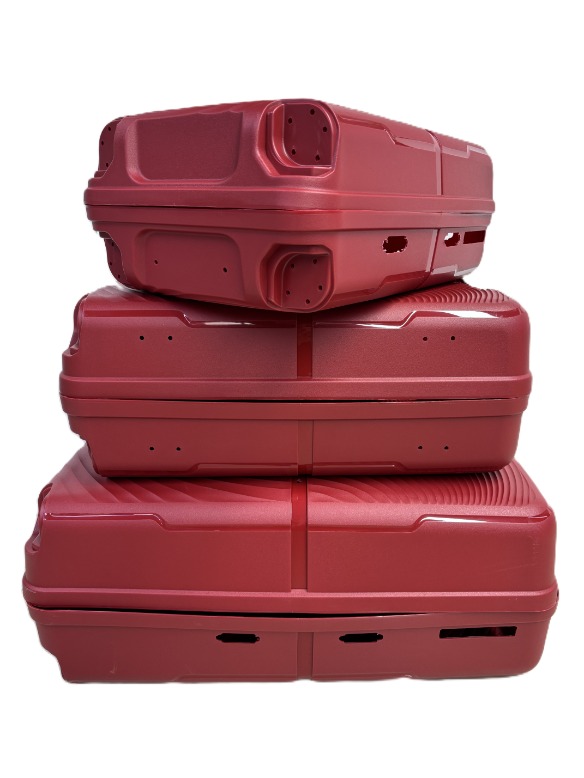
Polypropylene represents another hard-shell option gaining popularity due to its lightweight characteristics and reasonable impact resistance. This material offers good chemical resistance and maintains flexibility across temperature ranges, though it generally shows less impact strength than polycarbonate and may develop stress whitening or surface scratches more readily. Polypropylene's lighter weight appeals to travelers prioritizing minimal luggage weight, though this weight advantage comes with durability trade-offs in demanding travel conditions.
Soft-shell suitcases constructed from ballistic nylon, polyester fabrics, or blended textiles offer different durability characteristics, excelling in tear resistance, flexibility, and expandability while sacrificing the structured protection hard shells provide. High-denier ballistic nylon (1200D to 1680D) demonstrates excellent abrasion resistance and tear strength, maintaining integrity even when scraped across rough surfaces or snagged on conveyor mechanisms. Quality soft-shell luggage incorporates water-resistant coatings and reinforced stress points where handles and wheels attach, addressing the primary vulnerability points in fabric construction. The inherent flexibility of soft shells prevents the catastrophic zipper failures that plague hard-shell designs when shells crack near zipper attachment points, though soft materials offer less protection against crushing or puncture damage to contents.
| Shell Material | Impact Resistance | Weight | Key Advantage |
| Polycarbonate | Excellent | Medium | Maximum flexibility without cracking |
| ABS Plastic | Good | Light | Cost-effective, lightweight |
| Polypropylene | Moderate | Very Light | Minimum weight penalty |
| Ballistic Nylon | Good (flexibility) | Light-Medium | Tear resistance, expandability |
Internal Frame and Structural Integrity
Beyond the outer shell, the internal frame and structural components determine how well suitcases maintain their shape under stress, support heavy loads, and distribute impact forces to prevent localized failures. Quality construction in these hidden elements separates luggage that lasts years from pieces that fail prematurely despite impressive exterior materials.
Aluminum frames represent the gold standard for suitcase construction, providing rigid support that maintains precise dimensional stability even when subjected to extreme loads or impacts. Full aluminum frames form a complete perimeter cage around the suitcase opening, distributing stress evenly and preventing the warping that compromises zipper alignment and closure integrity. These metal frames add significant weight compared to frameless designs, but deliver unmatched durability and protection for valuable contents. Aluminum frames particularly benefit frequent travelers whose luggage experiences constant handling stress, as the frame absorbs punishment that would otherwise damage shell materials or internal components.
Composite reinforcement frames blend materials including fiberglass, carbon fiber, or engineering plastics to create lightweight structural support that approaches aluminum's rigidity at reduced weight. These advanced composite frames concentrate reinforcement at critical stress points including corners, handle attachment areas, and wheel mounting locations where failures most commonly originate. Quality composite construction achieves excellent strength-to-weight ratios, though manufacturing consistency proves more challenging than with aluminum, potentially creating quality variations between individual suitcases even within the same product line.
Frameless designs, common in both hard and soft-shell luggage, rely on shell material thickness and geometry to provide structural support without dedicated internal frameworks. These designs maximize packing volume and minimize weight but depend entirely on shell integrity for shape retention and impact protection. Frameless hard shells require thicker walls or ribbed construction to prevent flexing under load, while frameless soft shells use dense padding and strategic reinforcement panels to maintain usable shapes. The durability of frameless designs correlates directly with material quality and thickness, with economy versions often showing premature deformation or zipper alignment problems as shells lose their designed geometry.
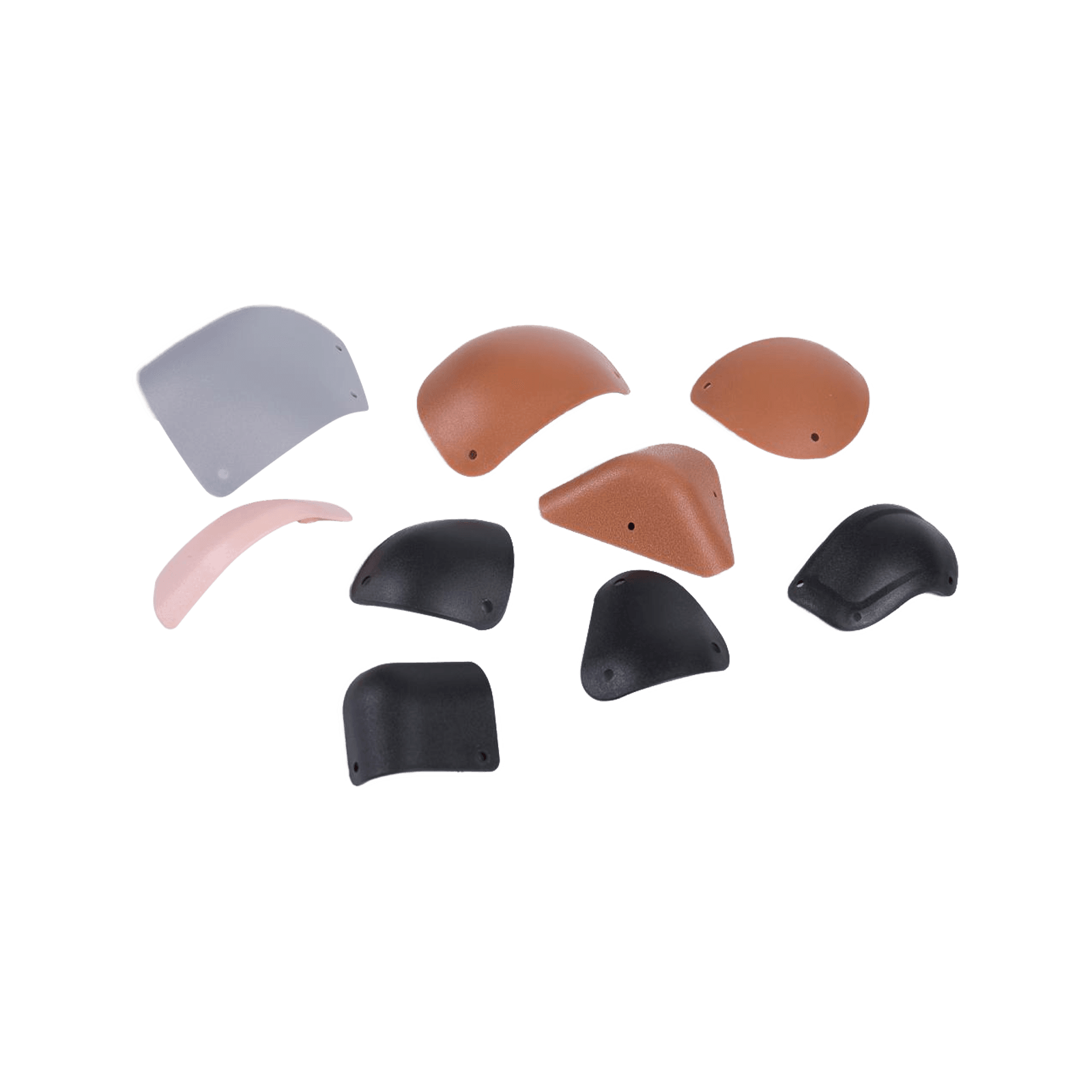
Corner reinforcement and impact guards protect the most vulnerable areas where suitcases contact ground surfaces, conveyor edges, and other luggage during stacking and transport. Quality suitcases incorporate molded or attached corner guards using materials harder than the main shell, creating sacrificial components that absorb impacts and abrasion that would otherwise damage primary structures. These guards also provide stable platforms preventing luggage from rocking when standing, reducing stress on wheels and handle systems during stationary periods. The presence and quality of corner reinforcement often distinguishes premium luggage from budget alternatives using identical shell materials.
Wheel Systems and Mobility Components
Wheels represent the most frequently stressed mechanical components on suitcases, experiencing constant impacts, lateral forces, and rotation throughout every trip. Wheel system quality profoundly impacts both durability and user experience, with premium wheel assemblies lasting through hundreds of miles of airport navigation while inferior wheels fail after minimal use.
Spinner wheel configurations featuring four multi-directional wheels enable 360-degree rotation and effortless maneuverability, though this convenience comes with increased mechanical complexity and potential failure points compared to traditional two-wheel designs. Each spinner wheel assembly contains bearings, axles, and mounting hardware that must withstand both vertical loads from suitcase weight and horizontal forces from directional changes and rough surfaces. Quality spinner wheels use sealed ball bearings rather than simple bushing designs, protecting internal components from dirt and moisture while providing smooth, quiet operation. The wheel diameter significantly affects durability and performance, with larger diameter wheels (50-70mm) rolling more easily over obstacles and distributing loads across larger bearing surfaces compared to compact wheels that may bind or fail when encountering uneven surfaces.
Wheel materials balance durability, noise characteristics, and rolling resistance across different surface types. Polyurethane wheels offer excellent abrasion resistance and smooth rolling on various surfaces while maintaining quieter operation than hard plastic alternatives. Rubber or elastomeric wheels provide superior shock absorption and grip on smooth surfaces but may wear faster on rough concrete or asphalt surfaces common in outdoor areas and parking structures. Some premium wheels incorporate dual-material construction with hard plastic cores for structural support and softer outer treads for noise reduction and surface compatibility.
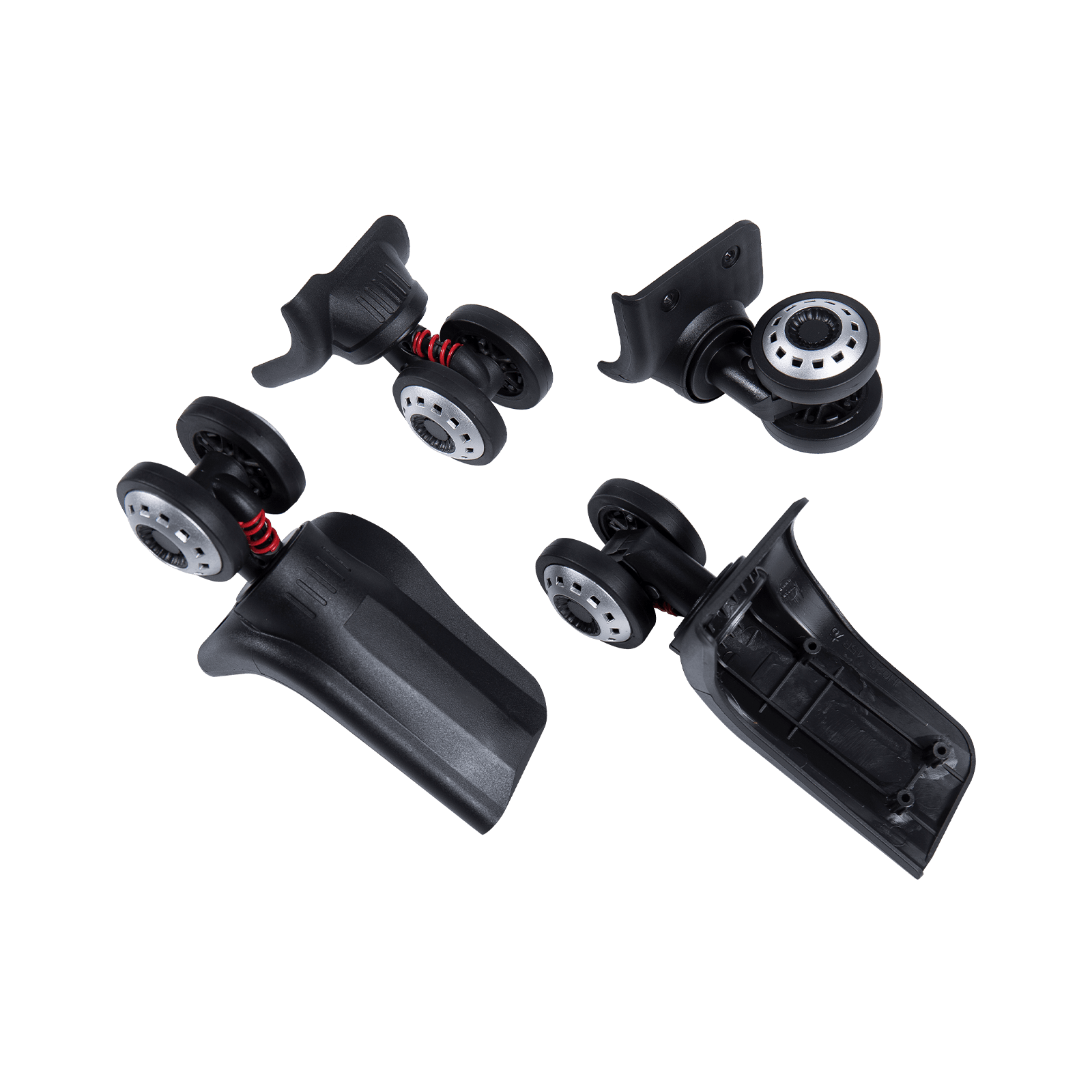
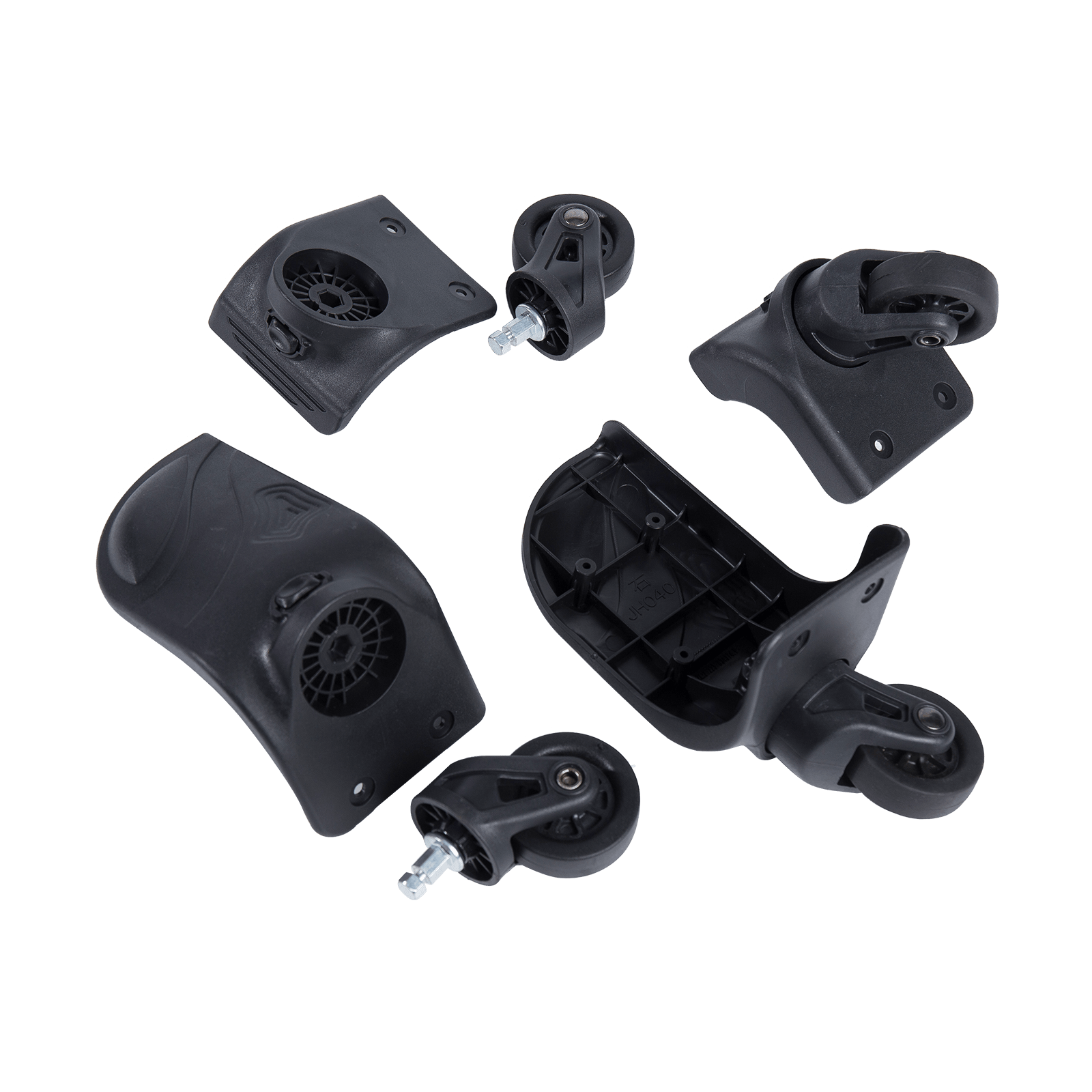
Wheel mounting systems determine how well wheels remain attached and functional throughout the suitcase's service life. Recessed wheel housings protect wheels from side impacts while maintaining clean exterior lines, though these designs complicate wheel replacement compared to external bolt-on systems. The mounting hardware should use metal components including steel or aluminum brackets rather than plastic assemblies that crack under stress. Replaceable wheel designs with standardized mounting patterns enable easy repairs when wheels eventually wear, extending overall luggage lifespan significantly compared to integrated designs requiring complete base replacement when individual wheels fail.
Critical Wheel System Features
- Sealed ball bearings prevent dirt infiltration and ensure smooth, long-term operation
- Larger diameter wheels (60mm+) improve obstacle navigation and load distribution
- Metal mounting brackets and hardware resist stress-induced cracking and failure
- Replaceable wheel assemblies enable repairs extending luggage lifespan
- Dual-material wheel construction balances durability with noise reduction
- Recessed or protected wheel housings prevent damage from side impacts
Handle Mechanisms and Ergonomics
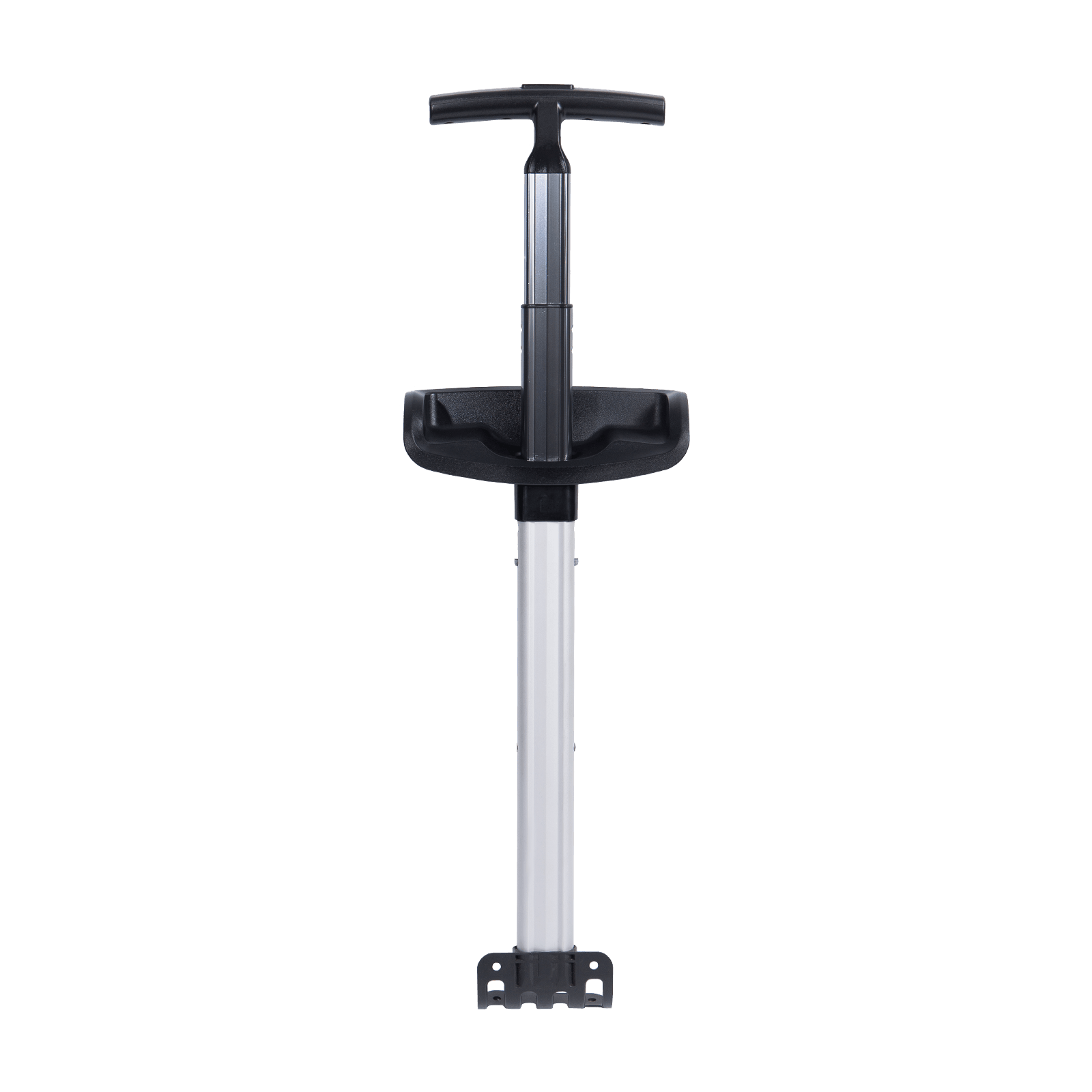
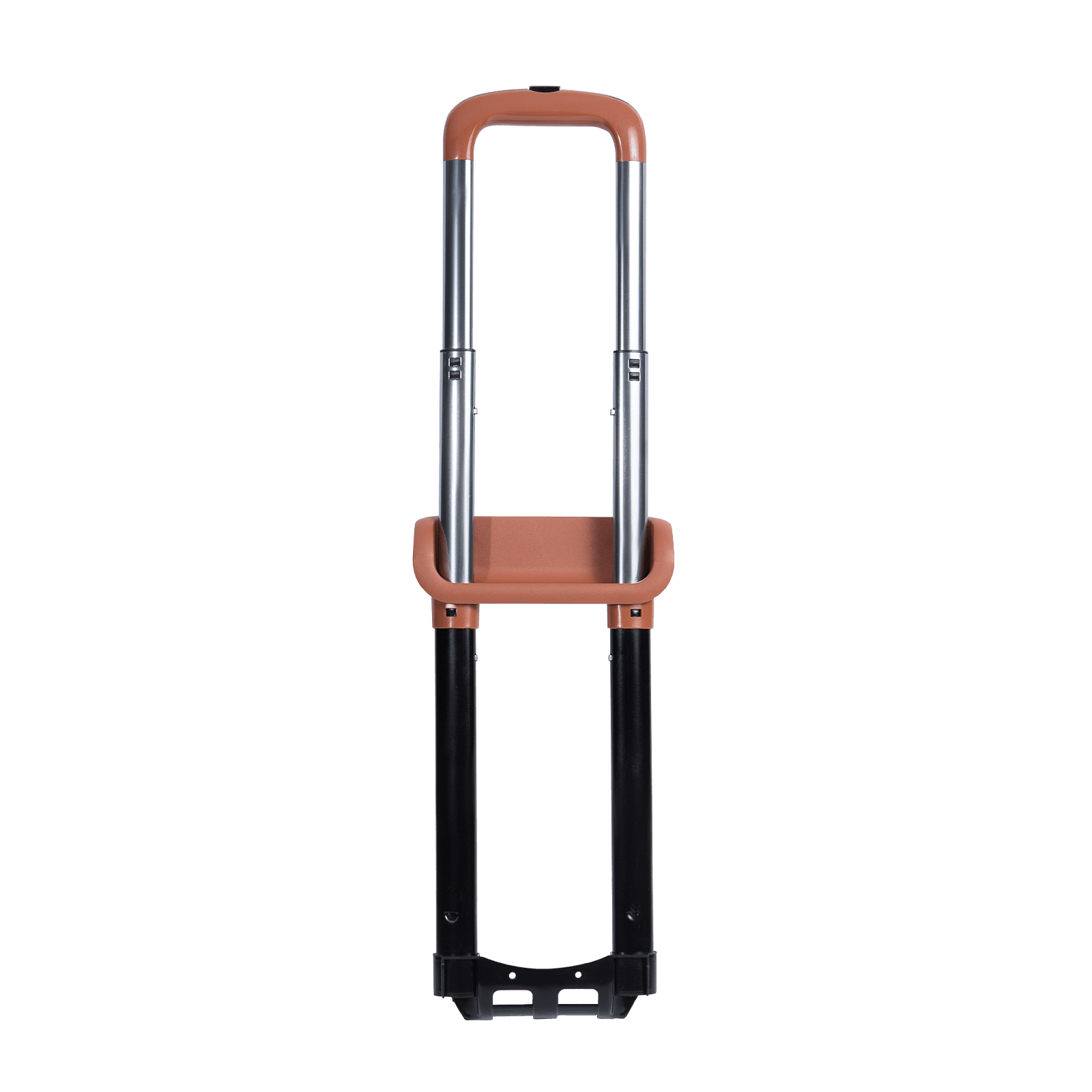
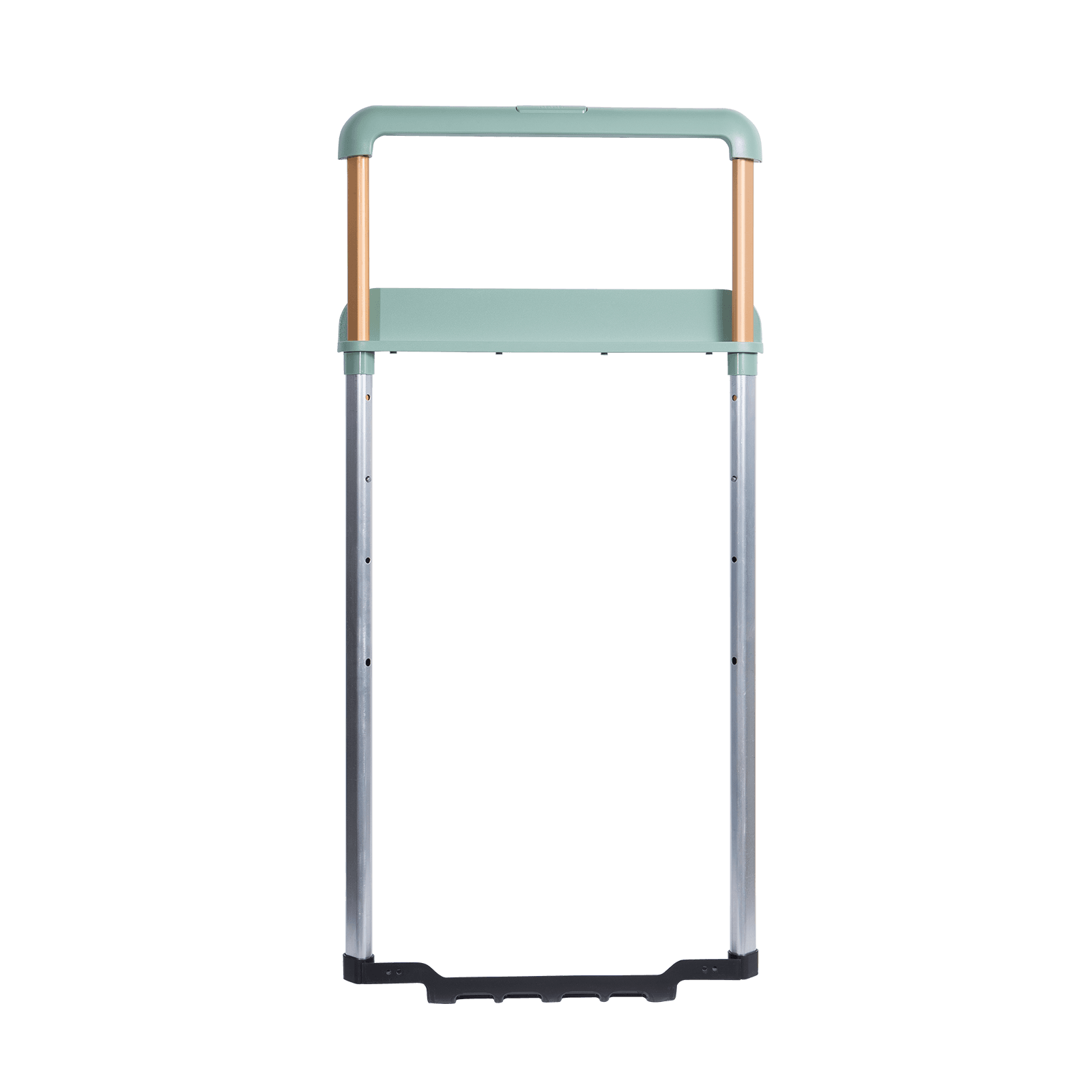
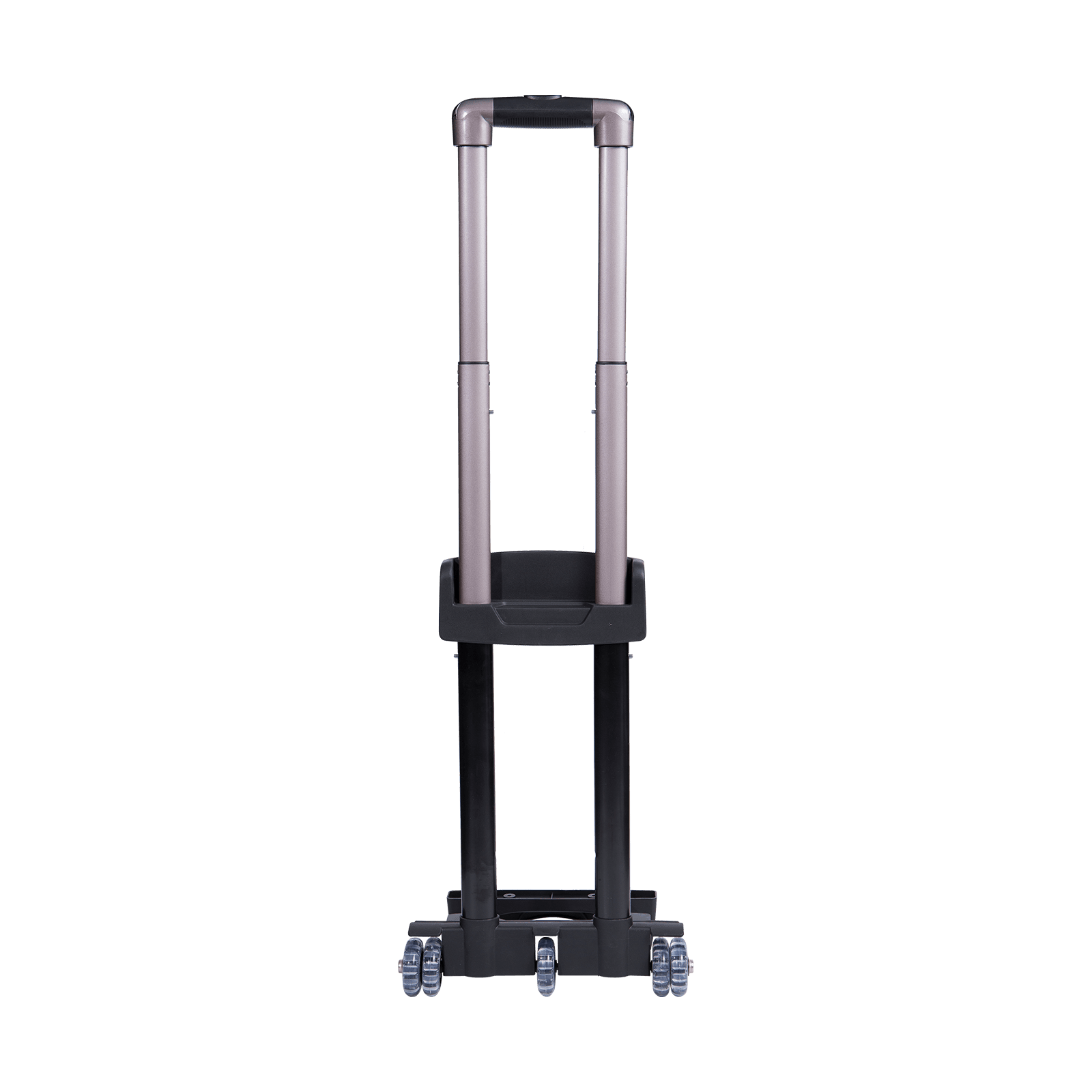
Telescoping handles endure tremendous stress during typical luggage use, supporting the entire suitcase weight during pulling while withstanding lateral forces from direction changes and obstacles. Handle durability depends on tube construction, locking mechanisms, grip materials, and mounting system integrity, with weaknesses in any area potentially causing catastrophic failures that render luggage unusable.
Aluminum telescoping tubes provide superior strength and rigidity compared to plastic or composite alternatives, resisting bending under side loads and maintaining smooth extension/retraction throughout extensive use. Multi-stage telescoping systems using nested aluminum tubes enable compact storage when retracted while providing adequate height adjustment for users of varying statures. The tube diameter affects both strength and weight, with larger diameter tubes (typically 20-25mm) offering greater rigidity but increased weight compared to thinner constructions. Premium handles use thick-walled aluminum extrusions rather than thin stamped metal that may bend or collapse under heavy loads or rough handling.
Locking mechanisms that secure telescoping handles at various heights must engage reliably while remaining easy to operate under load. Push-button releases represent the most common mechanism, with quality implementations using robust springs and metal detents that maintain positive engagement even after thousands of operation cycles. The button location and size affect usability, with ergonomic placements enabling single-handed operation while maintaining secure lockup preventing unexpected handle collapse. Some premium systems incorporate secondary safety features preventing accidental release when weight loads the handle, ensuring the handle remains extended during use regardless of button contact.
Handle grip materials and construction influence both comfort and durability during extended navigation through airports and transit systems. Soft rubber or thermoplastic elastomer grips provide comfortable hand contact and shock absorption, though these materials may degrade over time from UV exposure, oils from hands, and general wear. Integrated grips molded or permanently bonded to handle tubes prove more durable than slip-on designs that can rotate or detach with use. Grip texture and shape affect usability, with contoured, textured surfaces providing secure purchase even when hands are wet or cold from weather conditions.
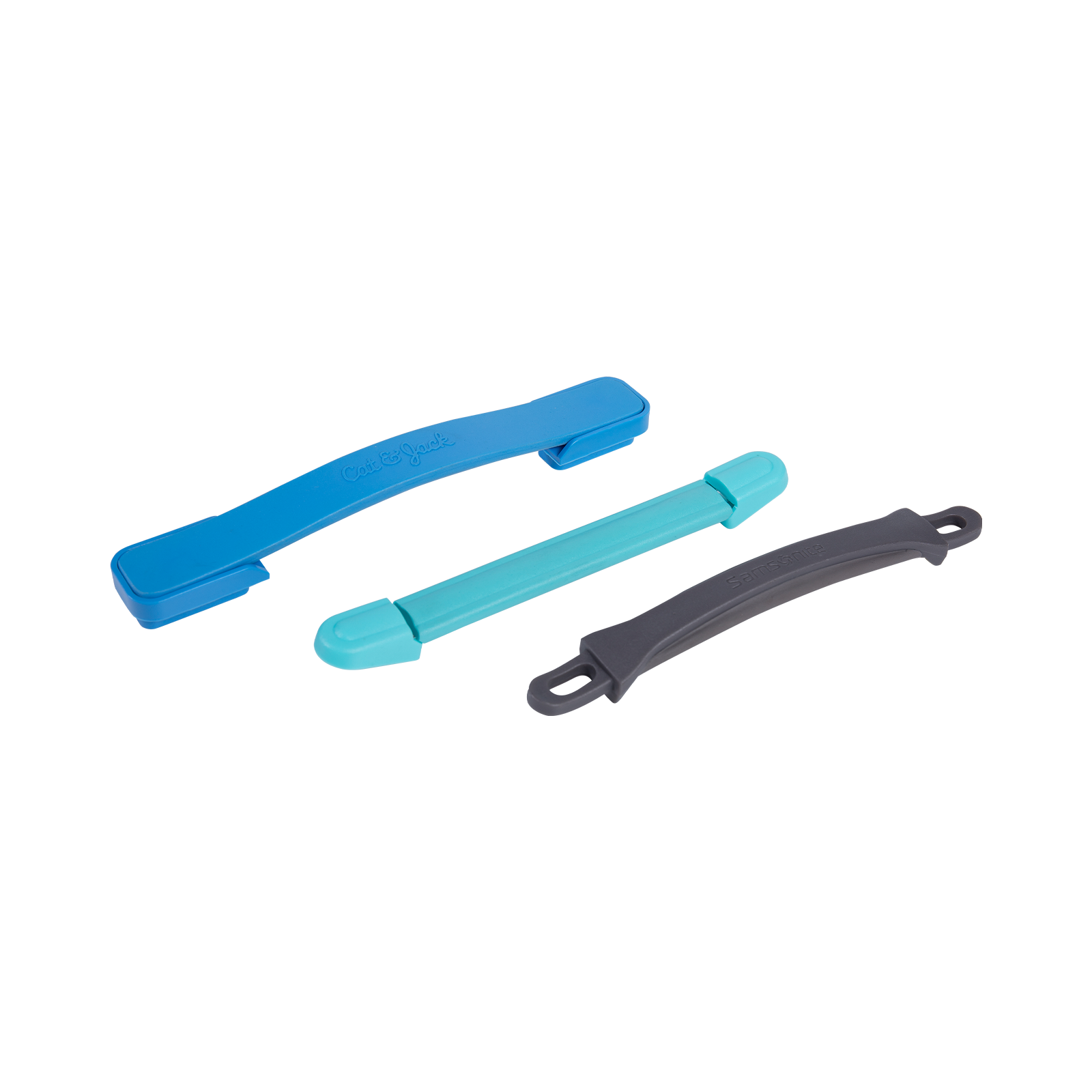
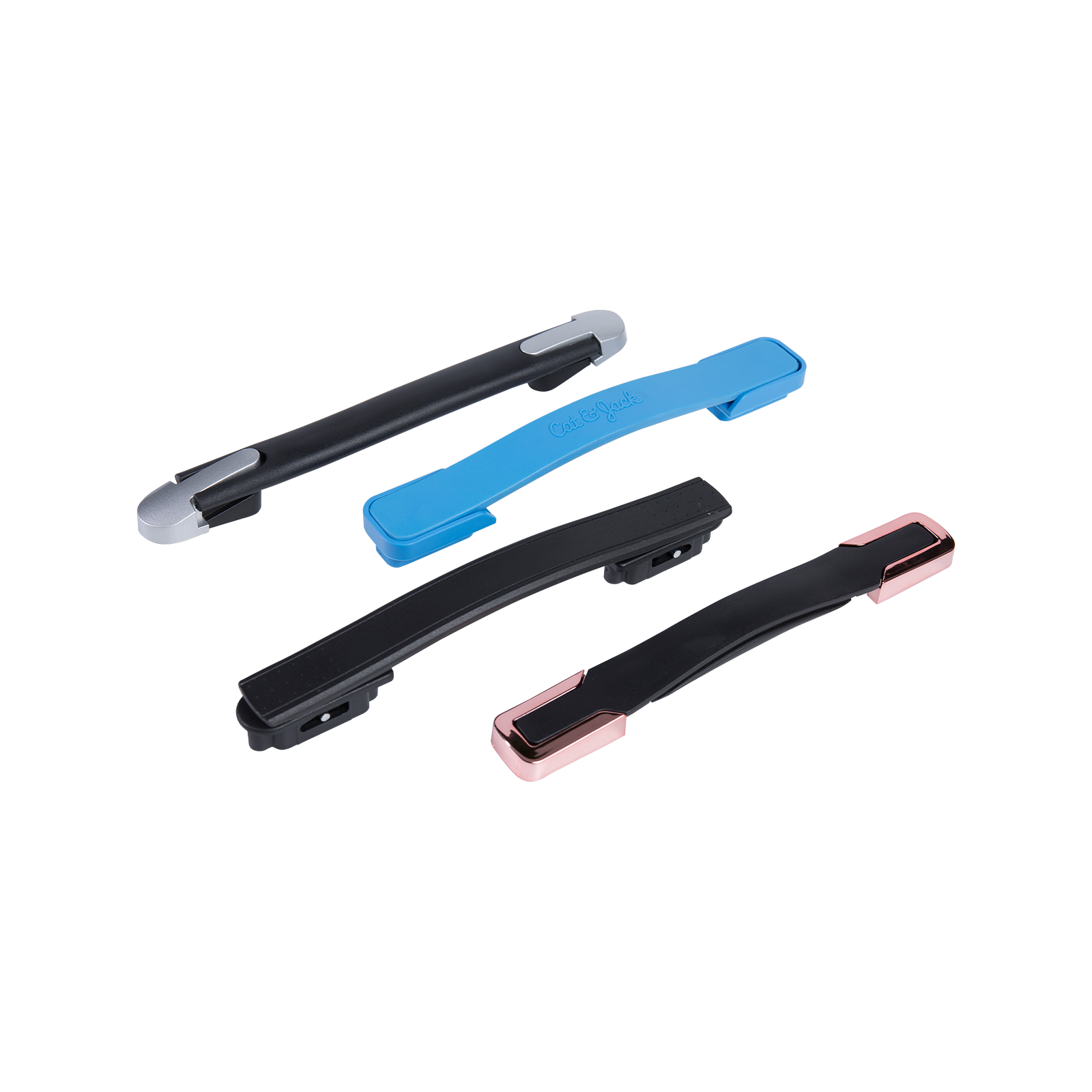
Side and top carry handles enable lifting and maneuvering luggage in tight spaces including vehicle trunks and overhead compartments. These handles must support the entire packed weight during lifting, creating significant stress at mounting points where handles attach to suitcase structures. Quality carry handles use reinforced mounting plates distributing loads across large areas rather than concentrated attachment points prone to tearing through shell materials. The handle design should provide adequate clearance for gloved hands while remaining compact enough to avoid snagging during baggage handling. Padded or cushioned carry handles improve comfort during extended carrying, important when navigating stairs or areas where wheeling proves impractical.
Zipper Quality and Closure Systems
Zippers experience constant stress during packing, travel, and unpacking cycles, with quality zipper systems determining whether suitcases maintain secure closure throughout their service life or develop frustrating failures requiring costly repairs or replacement. Understanding zipper construction and quality indicators helps identify luggage with closures engineered for long-term reliability.
YKK zippers represent the industry standard for quality, with this Japanese manufacturer producing the majority of premium zippers found in durable luggage worldwide. YKK's consistent manufacturing quality, precise tooth engagement, and robust slider construction deliver reliability across millions of operation cycles. The zipper gauge or chain size indicates strength, with larger numbers (typically #8 to #10 for main suitcase closures) providing greater strength and durability than smaller zippers used in interior pockets and compartments. Quality luggage uses appropriately sized zippers for each application, avoiding under-specification that leads to premature failures in high-stress areas.
Self-repairing or auto-locking zipper sliders incorporate mechanisms that engage teeth behind the slider, preventing the separation failures that plague standard zippers when shells flex or overpacking creates pressure on closures. These advanced sliders add mechanical complexity but dramatically improve reliability in demanding applications where standard zippers might separate. The slider construction quality affects both durability and operation smoothness, with die-cast metal sliders outlasting stamped or plastic alternatives while providing more consistent engagement force.
Zipper tape strength and attachment methods determine how well zippers remain bonded to suitcase structures throughout repeated use. The fabric tape forming the zipper foundation must resist tearing from repeated stress, while the attachment to shell materials or fabric linings requires robust stitching or bonding that maintains integrity even when zippers operate under tension from overpacking. Reinforced stress points at zipper corners and handle areas prevent the progressive failures that often originate at these high-stress locations. Some premium luggage incorporates expansion zippers enabling capacity increases when needed, with these systems requiring particularly robust construction to handle the additional stress from expanded configurations.
Evaluating Overall Construction Quality
Beyond individual components, overall construction quality and attention to detail distinguish truly durable suitcases from products assembled to minimum standards. Careful inspection reveals quality indicators that predict long-term performance and reliability.
Seam and joint quality indicates manufacturing care and precision, with consistent stitching, even gaps, and proper alignment suggesting attention to quality control. Examine where different components meet, looking for gaps, misalignments, or rough edges that indicate careless assembly or poor tolerances. Quality luggage shows consistent workmanship throughout, with internal finishes matching external attention to detail. Loose threads, uneven stitching, or visible adhesive suggest rushed manufacturing that likely extends to less visible but equally important structural elements.
Weight distribution and balance affect both usability and component stress during wheeling and carrying. Well-designed suitcases balance when standing upright even when packed asymmetrically, indicating proper wheel placement and weight distribution. Poorly balanced designs create tipping tendencies that stress wheels and handles while frustrating users. Pick up suitcases by various handles to assess balance and verify that weight feels evenly distributed rather than concentrated in particular areas.
Warranty coverage reflects manufacturer confidence in durability and provides recourse when defects or premature failures occur. Comprehensive warranties covering 5-10 years or longer indicate manufacturers expect their products to last, while short warranty periods or excessive exclusions suggest anticipated durability issues. Review warranty terms carefully, noting whether coverage includes all components or excludes wear items like wheels and handles that often fail first. Lifetime limited warranties sound impressive but often exclude so many components and failure modes that actual coverage proves minimal.
True suitcase durability emerges from the synergy of quality materials, robust construction, engineered components, and careful manufacturing rather than any single impressive feature. Understanding the elements that contribute to genuine longevity enables informed purchasing decisions that deliver luggage surviving years of demanding travel. While durable suitcases command premium prices, their extended service life and reliable performance justify the investment for travelers who value dependability and want to avoid the inconvenience and expense of frequent replacements. By evaluating materials, construction, components, and overall quality using the criteria outlined in this guide, you can confidently select unisex suitcases engineered to withstand your travel demands while providing the protection, functionality, and longevity that define truly durable luggage.