

 Español
Content
A luggage handle rarely fails at a convenient moment. You grab it at the airport, the grip feels loose, the button sticks, or the telescopic tube refuses to move. The good news is that most handle problems are mechanical and fairly easy to diagnose. With a little patience and a few basic tools, you can often fix the handle yourself, or decide clearly when a replacement part is the safer choice. This guide covers how to fix a luggage handle in the most common situations, from a sticky button to a torn grip, and explains when replacement makes more sense than repair.
Diagnose the handle problem first
Before you reach for a screwdriver, look at how the handle behaves. A handle that wobbles is usually a fastener or base issue. A handle that will not extend often has debris in the tubes or a jammed locking pin. A torn grip is mostly a comfort problem until the inner core is exposed. The table below is a simple starting point.
| Symptom | Likely cause | Try first | Replace if |
|---|---|---|---|
| Telescopic handle will not extend | Grit in the tubes, jammed pin, or slightly bent tube | Clean and lubricate; press the button and wiggle gently | Tube is kinked or the pin is broken |
| Handle wobbles at the base | Loose screws, worn washers, or a cracked base | Tighten screws evenly; inspect the base | Base is cracked or screw holes are stripped |
| Push button sticks or feels soft | Dirt in the button, weak spring, or misaligned rod | Clean around the button; lubricate; work it gently | Button housing is cracked |
| Grip is torn or rotates | Worn rubber, UV damage, or a loose fit | Wrap for temporary comfort | Core is exposed or the grip will not stay put |
| Handle will not stay down | Overpacked case, debris, or bent tube | Empty the case; clean the tubes; check alignment | Tube is bent or the locking notch is damaged |
Tools and a safe workspace
Empty the case first. A partially packed suitcase can put pressure on the tubes and make a healthy handle feel stuck. Work on a clean, flat surface, and keep small screws in a cup or magnetic tray. Take a photo before you remove anything; luggage interiors vary more than they look.
- Phillips and flathead screwdrivers that fit the screw heads
- Small pliers and, if needed, a set of Allen keys
- Silicone spray or a dry lubricant, not cooking oil
- A soft cloth, cotton swabs, and a torch or phone light
- Replacement screws, washers, or a matching handle if the old one is cracked
How to fix a stuck telescopic handle
Most telescopic handles have two tubes, a spring-loaded locking pin, and a button assembly in the grip. When the handle jams, the cause is usually grit, a misaligned tube, or a pin that has not retracted fully. Forcing the handle upward can bend the tubes, so work gently.
Clear the tracks and reset the locking pin
- Open the case and inspect the tubes where they enter the base. Remove hair, sand, and thread with a cotton swab or soft brush.
- Spray a small amount of silicone lubricant onto the tube joints. Wipe away excess; oily residue attracts more grit.
- Press the release button and gently pull the handle up and down at the same time. This can help the internal rod realign.
- If the handle moves but will not lock, check that the pin clicks into each notch. A pin that stays flat may be broken or stuck behind the tube.
If the tube is visibly bent, stop. A bent tube will keep binding and can damage the base. In that case, replace the telescopic handle rather than trying to straighten it by force.
How to fix a loose or wobbly handle
A wobbly handle is often a loose screw, not a failed handle. Open the case and look for the mounting plate inside the lining. Tighten the screws a little at a time, alternating sides so the base sits evenly. Do not overtighten; plastic bases can crack around the screw holes.
If the screws turn but never tighten, the threads may be stripped. A slightly longer screw or a small washer can sometimes restore grip, but only if the base is still solid. Inspect the base for hairline cracks. A cracked base should be replaced, because it can fail completely when the case is lifted.
For a closer look at this common issue, see our guide on what to do when the luggage handle is loose.
How to repair or replace a torn grip
The grip is the part you touch most, so wear is normal. If the surface is rough but the handle underneath is sound, a repair wrap can restore comfort for a trip or two. Self-fusing silicone tape or a tennis-style grip tape works well; wrap it tightly and finish the ends with a small strip of tape. Avoid ordinary electrical tape in hot weather, as it can slide.
If the rubber is splitting, the inner core is exposed, or the grip rotates on the handle, replacement is the better fix. Choose a handle with the same mounting-hole spacing and a grip shape that feels right in your hand.
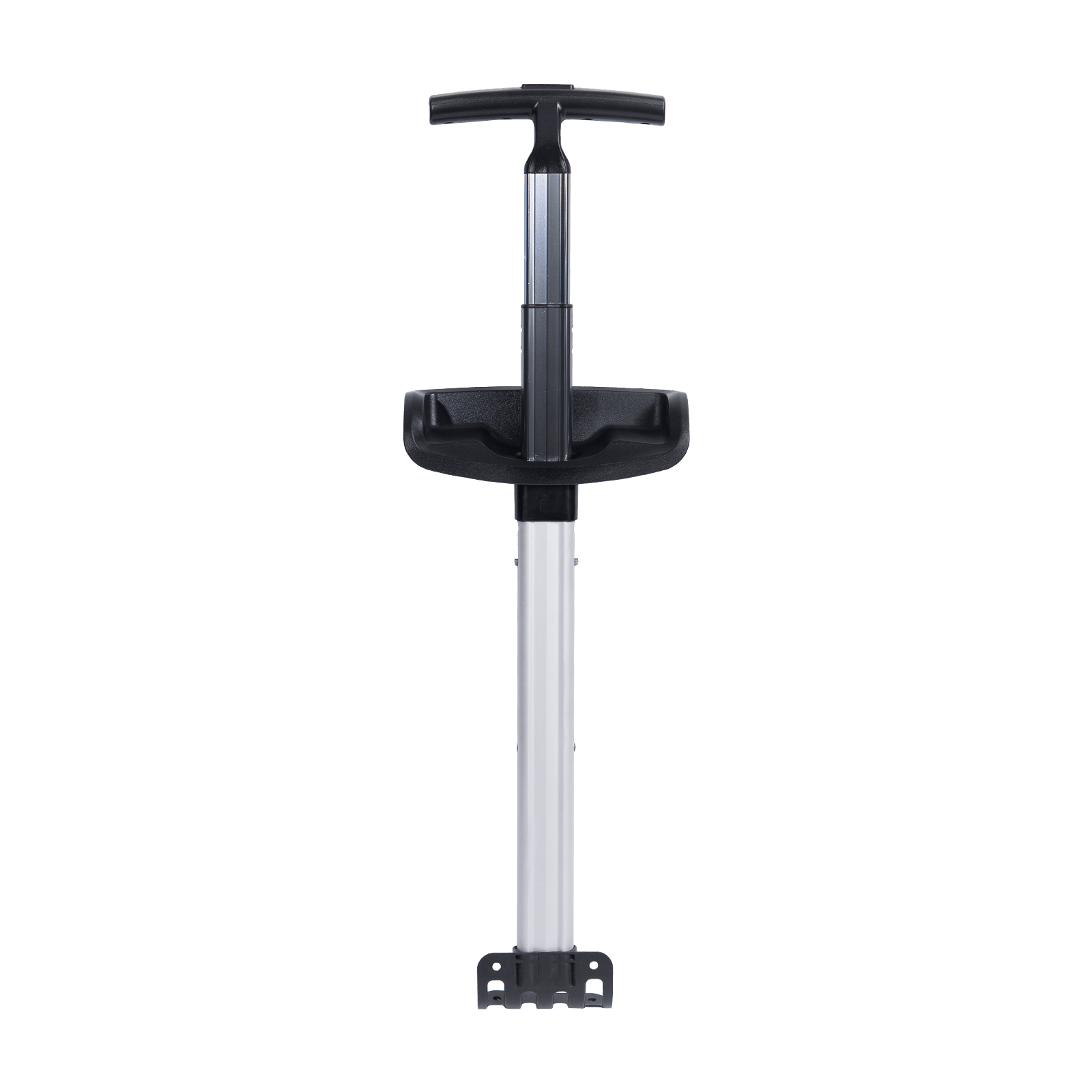
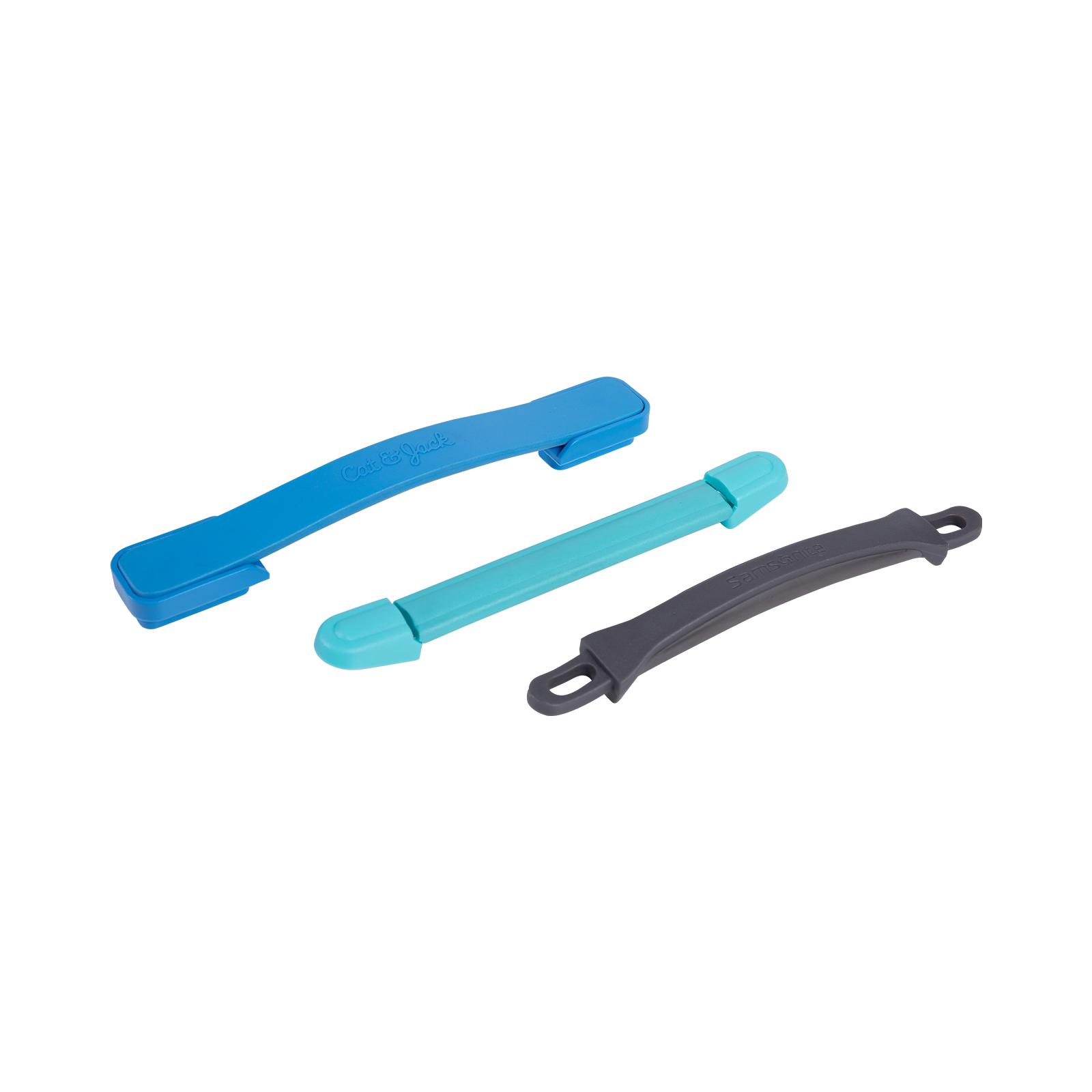
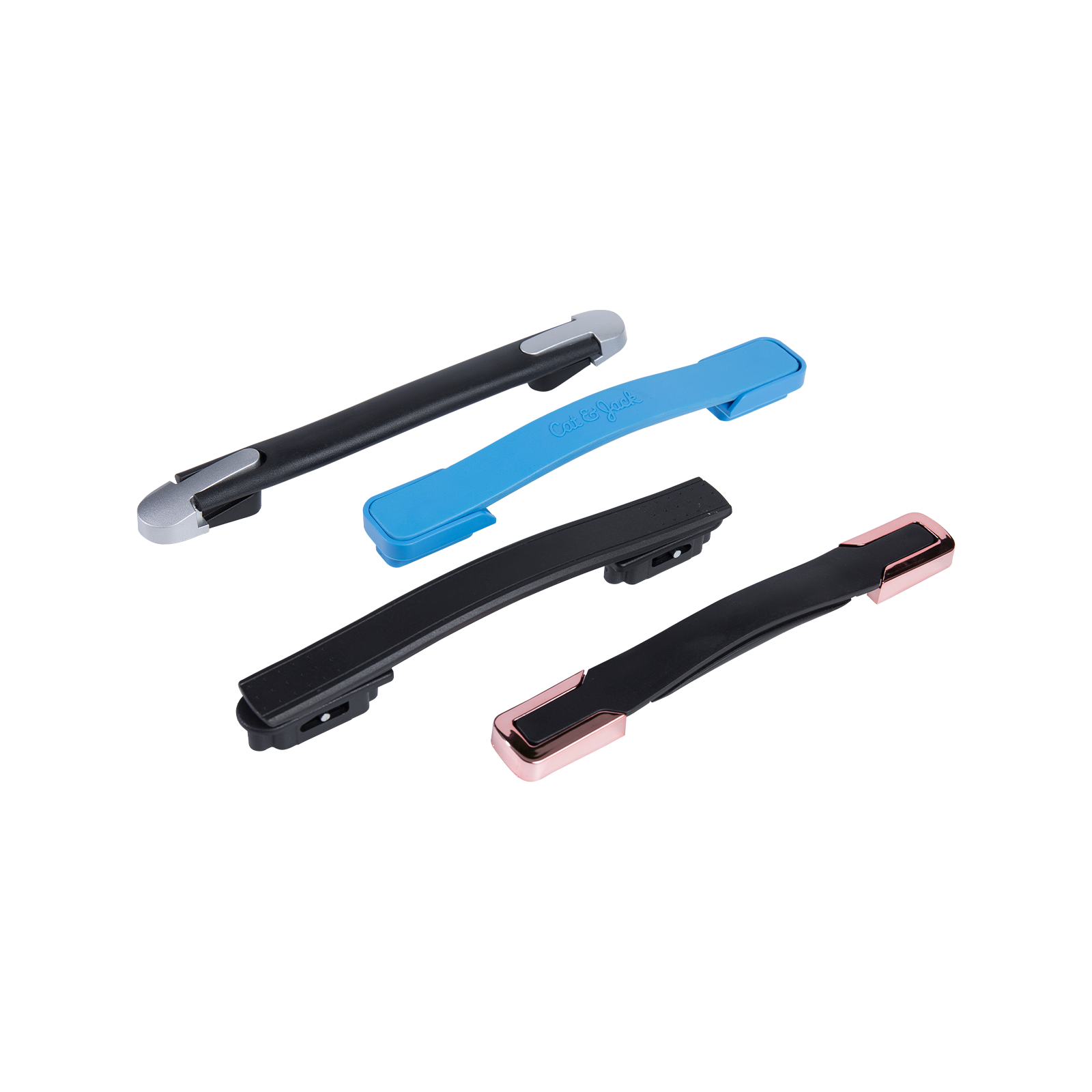
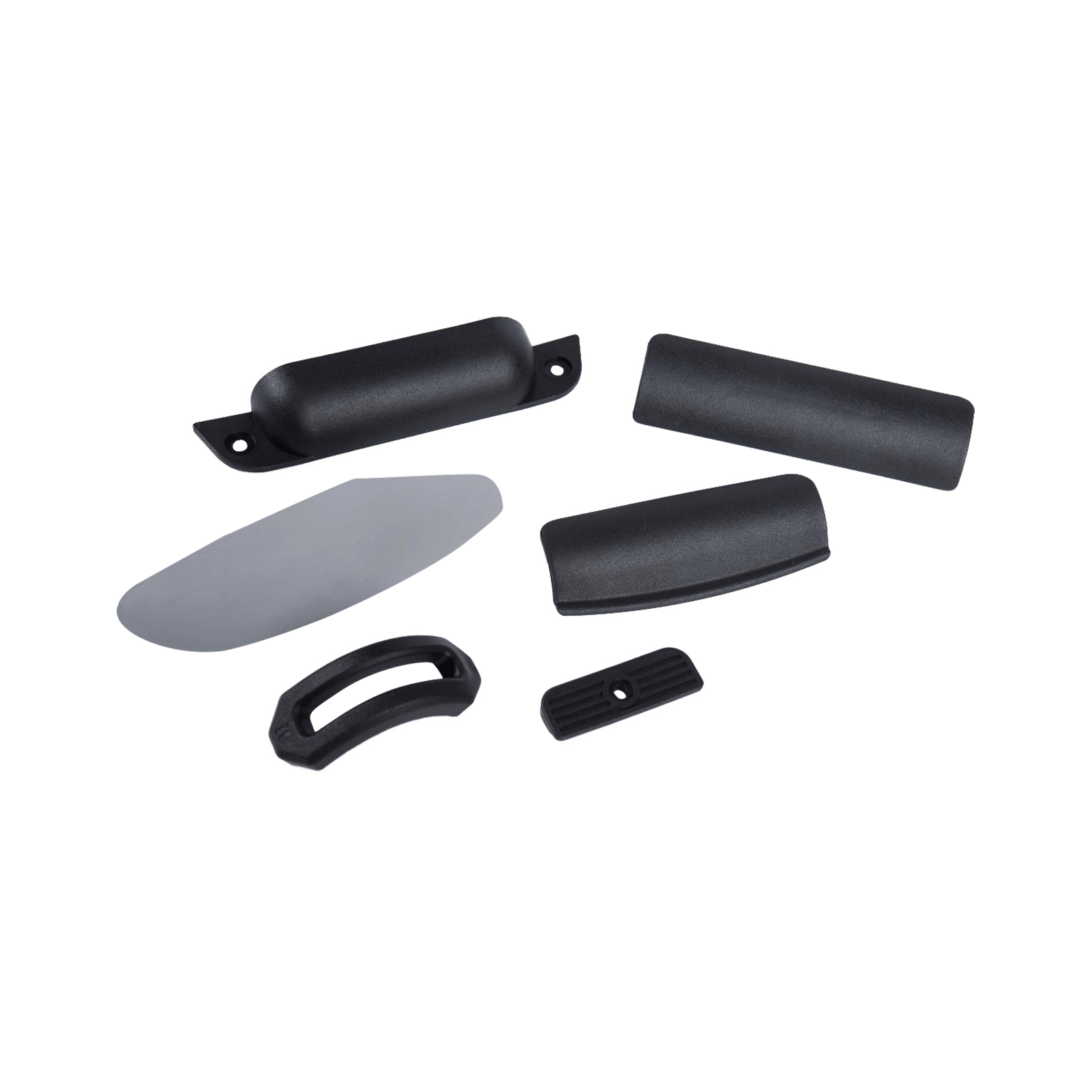
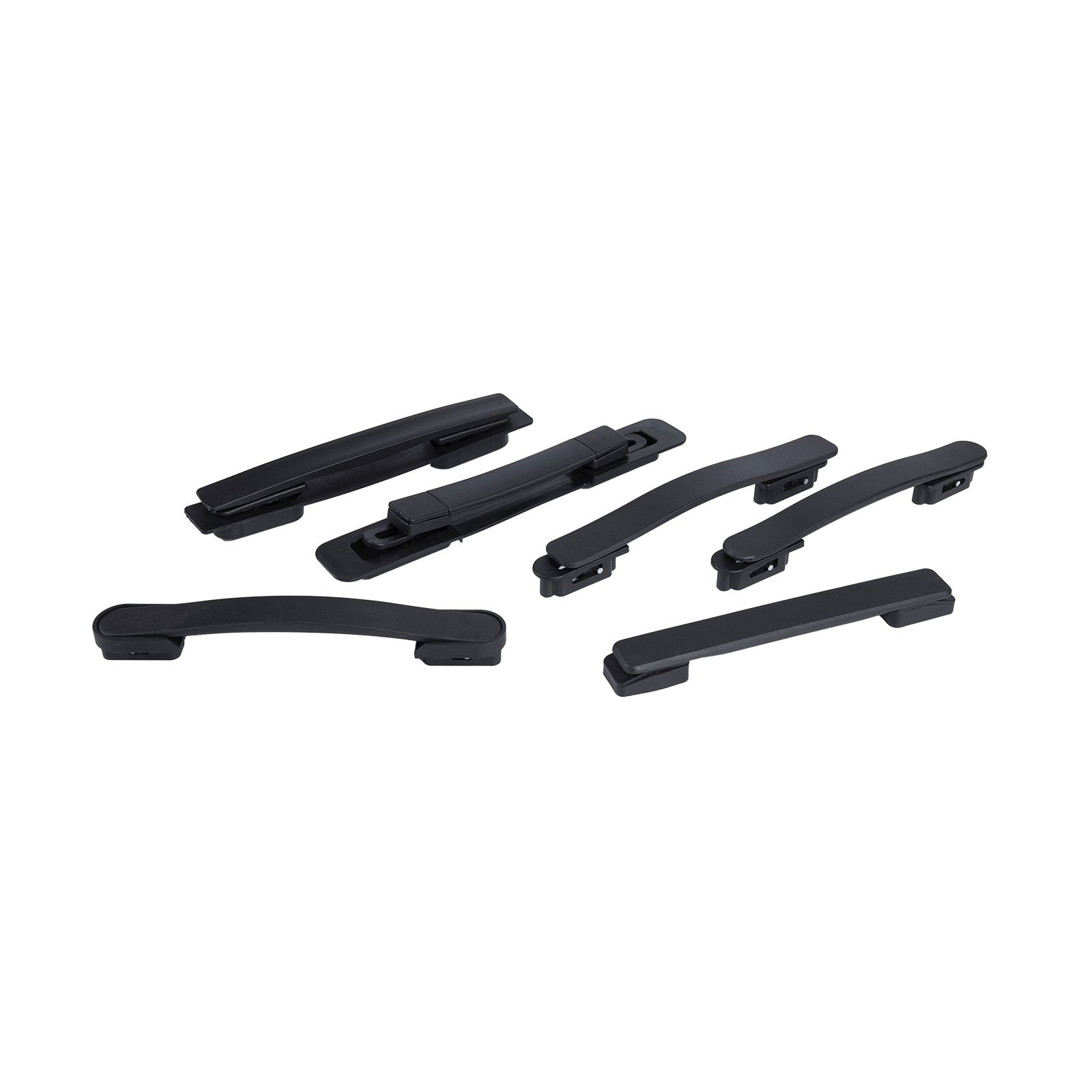 Plastic Luggage Handle with Plastic or Zinc SeatLightweight plastic replacement handle for suitcases and bags, with plastic or zinc seat options and customizable color; verify hole spacing and base size before ordering.View Product →
Before ordering, measure the distance between the screw holes, the width of the base, and the length of the grip. A matching handle should sit flat without forcing the screws.
When to replace the handle instead of repairing it
Repair makes sense when the problem is loose screws, surface grit, a sticky button, or a worn grip. Replacement is safer when the base is cracked, a tube is bent, the locking pin is broken, or the mounting holes are stripped. A handle that shifts under load is not worth trusting at the start of a trip.
Replacing a handle is usually a straightforward job, and it is often easier than hunting for a single internal spring. Our guide on how easy it is to replace or repair a travel bag handle walks through the decision in more detail. If you need a complete telescopic unit rather than just the grip, a replacement trolley assembly is the practical route.
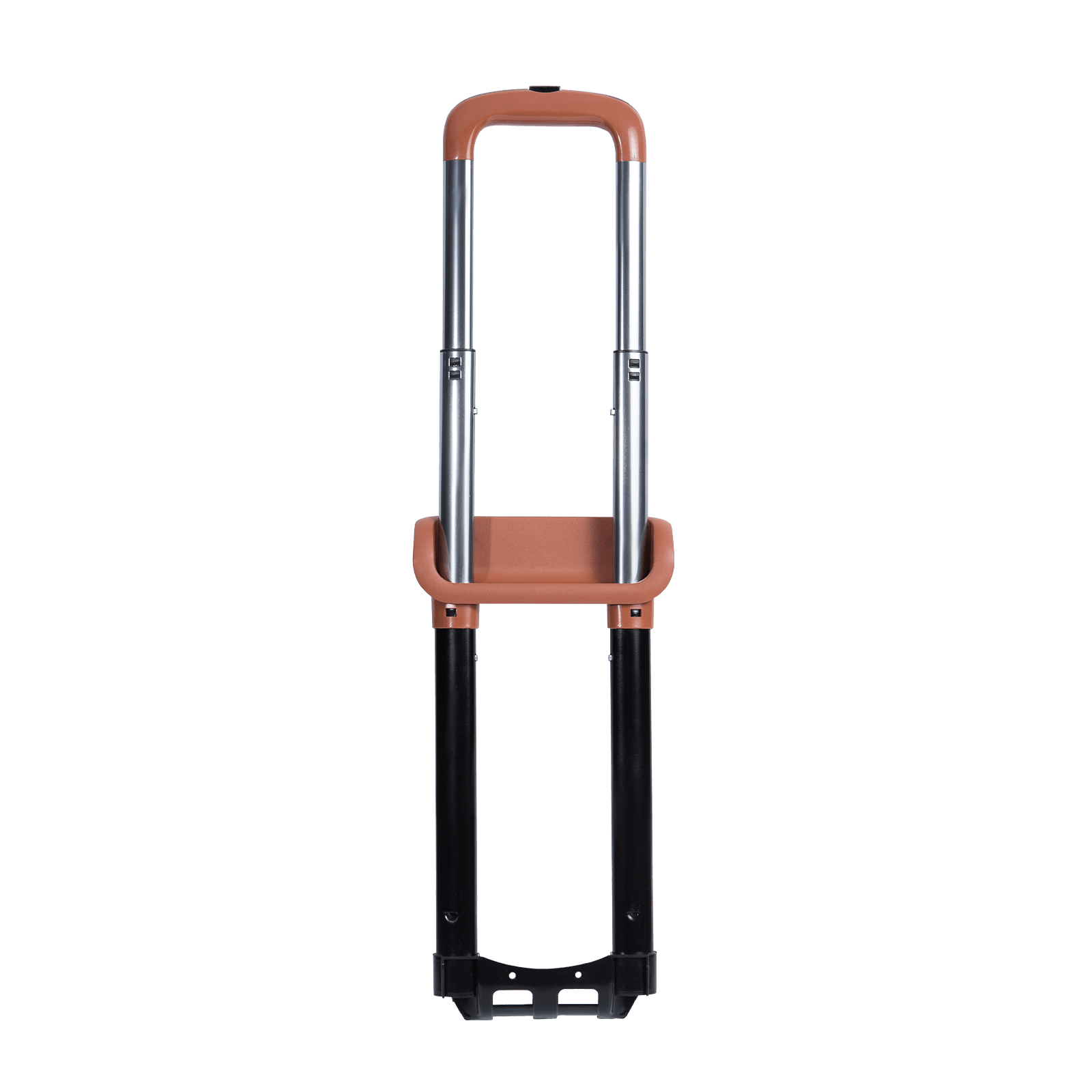
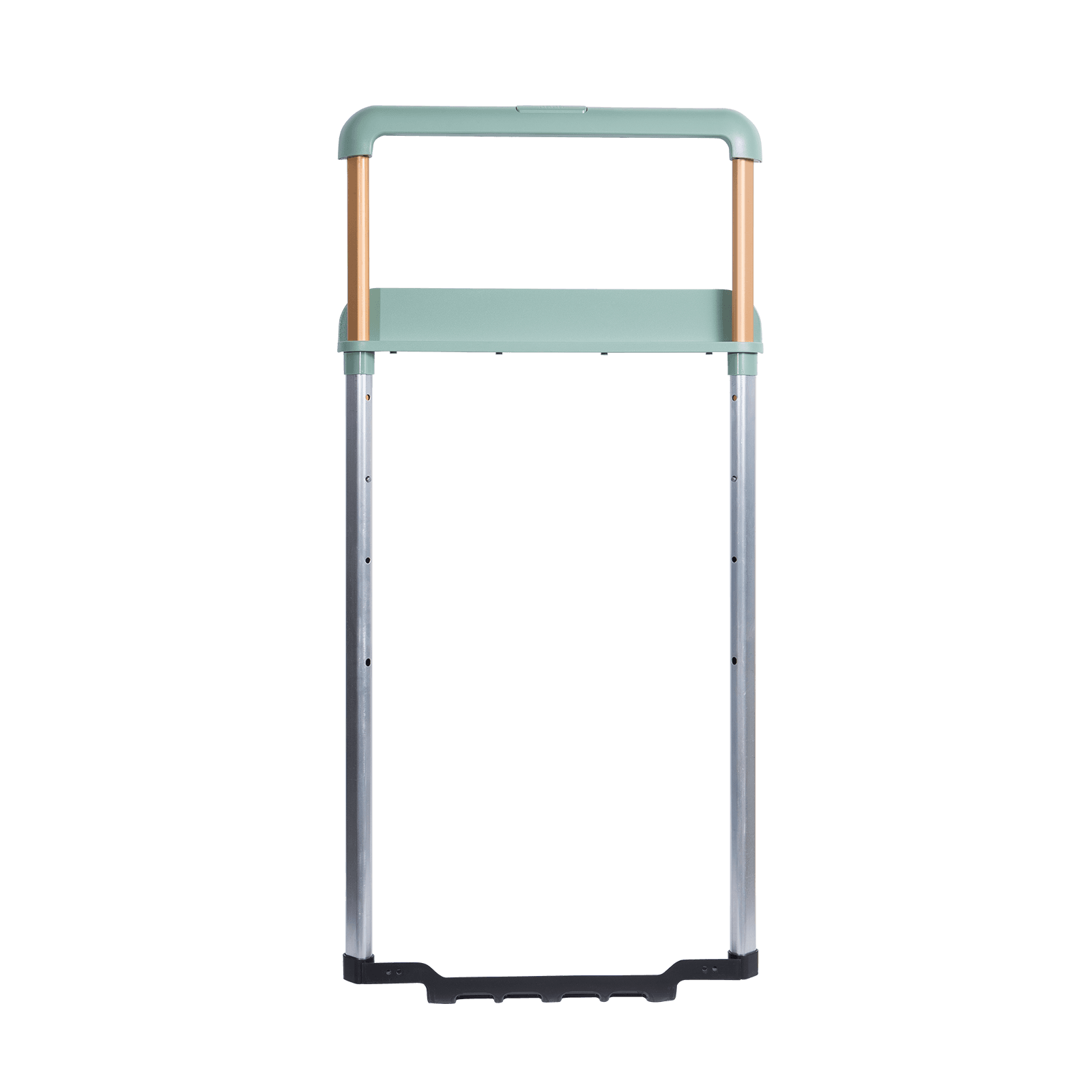
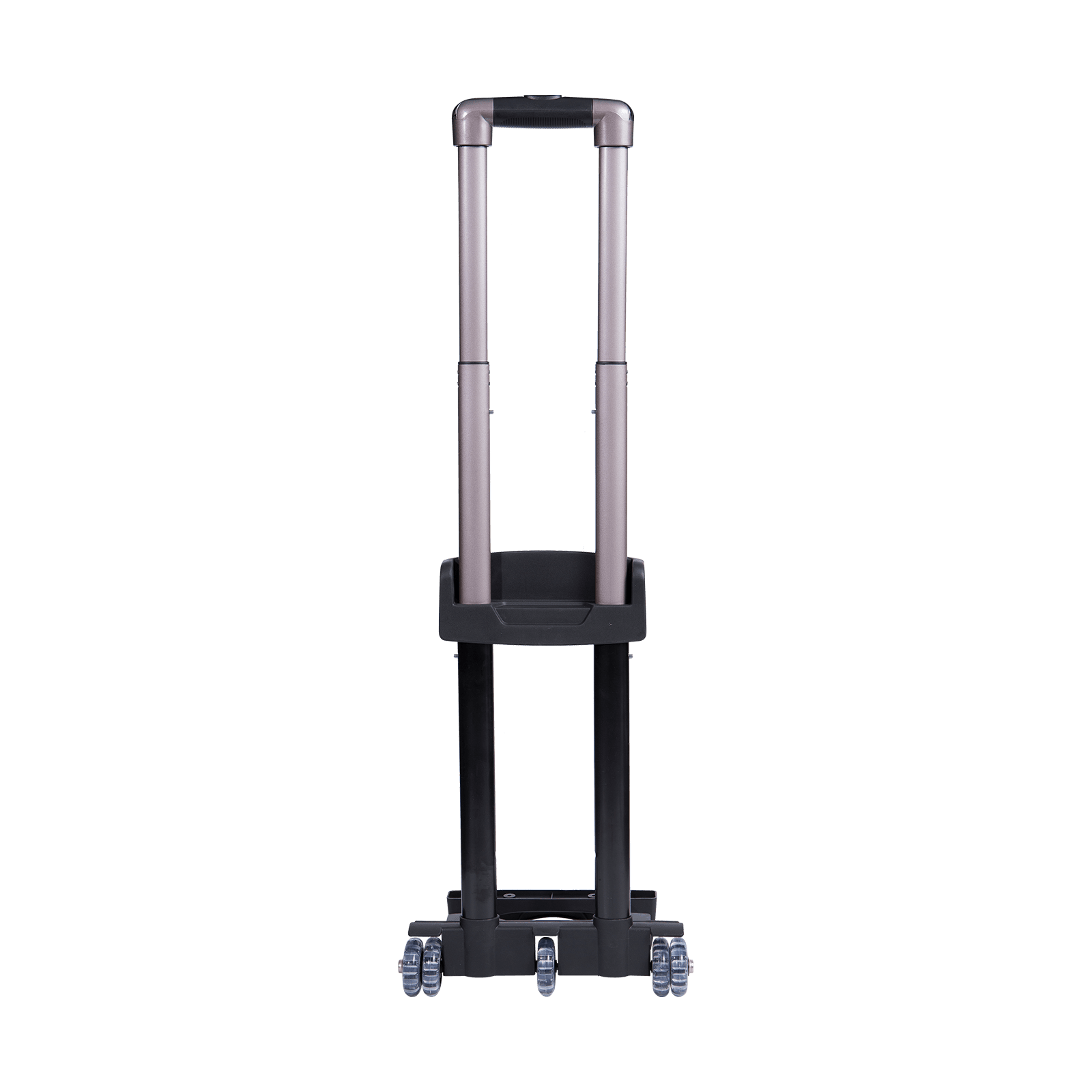
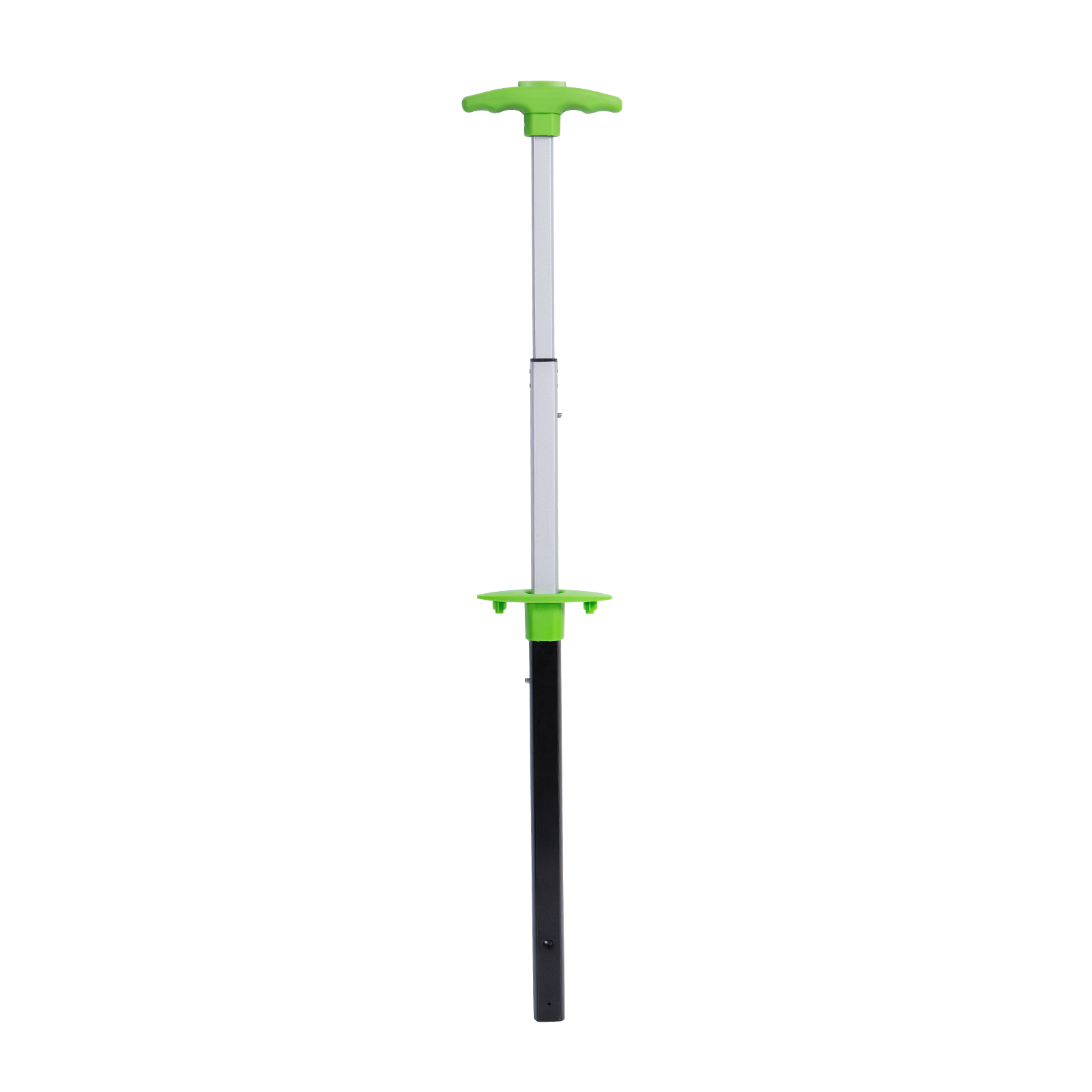 Customizable Luggage Trolley Replacement AssemblyReplacement trolley assembly for luggage repair, available in iron or aluminum with customized size and Pantone color; test-fit and align holes before tightening screws.View Product →
A simple replacement sequence
Fit the new handle before you tighten anything. This small habit prevents misaligned holes and cross-threaded screws.
- Empty the case and measure the old handle: hole spacing, base width, grip length, and tube diameter.
- Remove the old screws and keep them with their washers. If the lining hides the base, open the zipper carefully and fold the lining back rather than cutting it.
- Lift out the old handle. If it is a telescopic unit, slide the tubes out straight; do not twist them.
- Set the new handle in place and start all screws by hand. Check that the grip sits square and the tubes retract freely.
- Tighten the screws evenly, a little at a time. Stop when the base is snug; do not compress the plastic.
- Test the button, the locking notches, and the full extension. Then lift the packed case by the side handle, not by the extended trolley handle, to check stability.
Prevention and a final word
Most handle failures start with small habits. Lift the case by the side or top handle, not by the extended telescopic handle. Avoid overpacking, because pressure on the tubes makes the locking pin work harder. Store the case upright with the handle retracted, and wipe grit from the tubes after a trip. A quick check of the screws before you leave is worth more than a repair at the airport.
In our workshop, we make handles and trolley parts for luggage makers, so we see both sides of the story: a good repair can extend the life of a favorite case, and a well-matched replacement part can make the fix last. The key is to identify the failed part honestly, then choose the simplest safe solution.
FAQs
Can I fix a luggage handle without replacing it?
Yes, for loose screws, surface grit, a sticky button, or a worn grip. Clean and lubricate the tubes, tighten the base, and wrap a damaged grip if the core is still sound. If the base is cracked or a tube is bent, replace the handle.
How do I know which replacement handle will fit?
Measure the screw-hole spacing, base width, grip length, and tube diameter if the handle is telescopic. Compare those numbers with the replacement listing, and when in doubt, ask the supplier with photos and measurements.
Is a repaired handle safe for travel?
It can be, if the base is solid, the screws hold firmly, and the handle locks in every position. Test it with the case packed and lifted gently. If you feel movement at the base or the button does not click, do not rely on it for a long trip.