

 Español
Content
Few things are more annoying than a suitcase handle that won't budge or breaks mid-journey. But before you drag your bag by the wheels or toss it out, take a breath. Many handle problems are fixable with basic tools and a little patience. Over the years, we've seen just about every kind of handle failure—and we've helped travelers and luggage brands alike get their bags back in working order. Here's a practical guide to diagnosing and repairing a broken suitcase handle, along with tips for preventing future problems.
Understanding Your Suitcase Handle
Most suitcase handles fall into two categories: telescoping (also called pull or trolley handles) and fixed (the grab handle on the top or side). Telescoping handles consist of several parts: the grip you hold, two or four telescoping tubes, a release button or lever, and a base that attaches to the suitcase shell. Fixed handles are simpler—usually a plastic or fabric grip screwed or riveted directly to the bag. Knowing which type you have and how it's put together will save you time when something goes wrong.
Common failure points include the grip (especially plastic ones that crack with age), the locking mechanism (which can jam or wear out), the tubes (which can bend or dent), and the screws or rivets that hold everything together. With a basic understanding of these parts, you can often pinpoint the problem before you pick up a screwdriver.
Diagnose the Problem Before You Fix It
Not all handle failures are the same. A telescoping handle that won't extend is a different beast from a grip that's snapped in two. Before you start unscrewing things, figure out what's actually wrong. If you're unsure, start by checking the simplest things: loose screws, debris, and worn grips. Here's a quick reference table:
| Symptom | Likely Cause | Quick Check |
|---|---|---|
| Telescoping handle won't extend or retract | Debris in the tubes, bent tube, broken release mechanism | Look for visible bends or foreign objects; try lubricant |
| Handle grip is cracked or snapped | Plastic fatigue, impact damage | Inspect the grip for visible cracks |
| Handle wobbles or feels loose | Loose screws, stripped screw holes, worn base | Tighten all visible screws; check for play |
| Handle won't stay up | Worn locking mechanism, bent tube | Listen for a click when extending; inspect tubes |
Once you've identified the issue, you can decide whether to tackle it yourself or replace the part. Most fixes are straightforward.
Tools and Materials You'll Need
You don't need a full workshop to fix a suitcase handle. Here's what we recommend keeping on hand:
- Screwdriver set (Phillips and flathead)
- Pliers or adjustable wrench
- Silicone spray or graphite lubricant
- Replacement screws (assorted sizes)
- Epoxy or strong adhesive
- Duct tape (for temporary fixes)
- Replacement handle or grip (if needed)
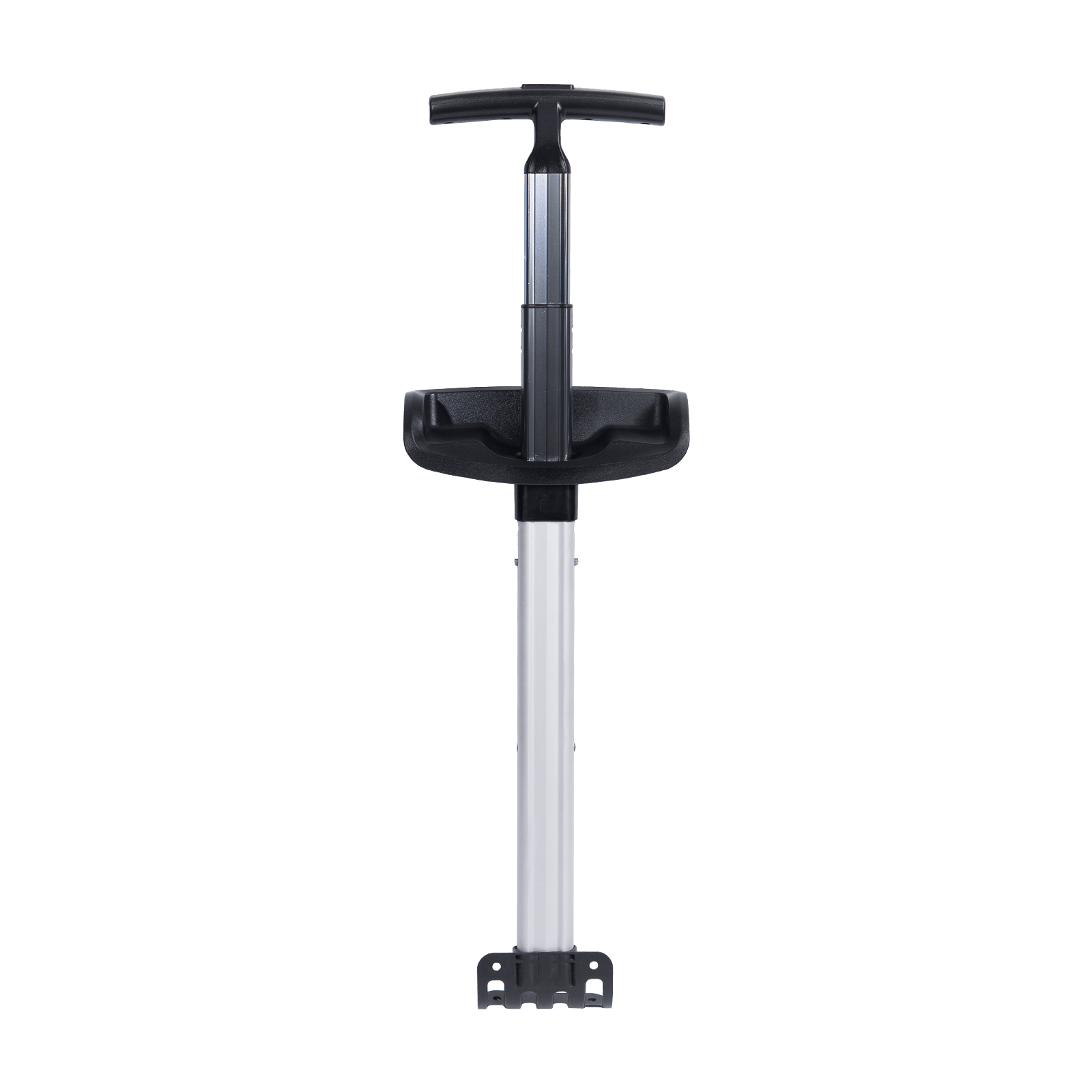
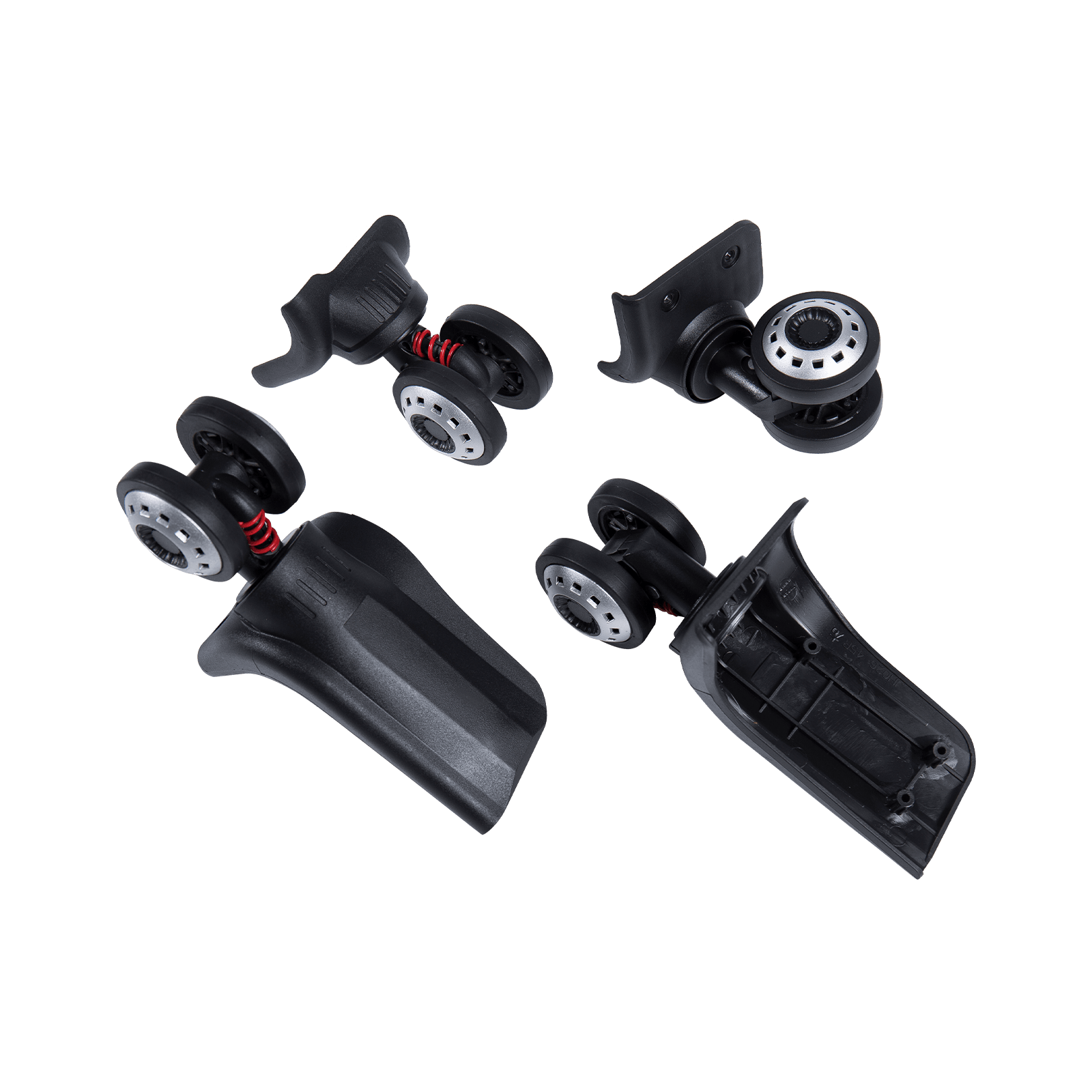
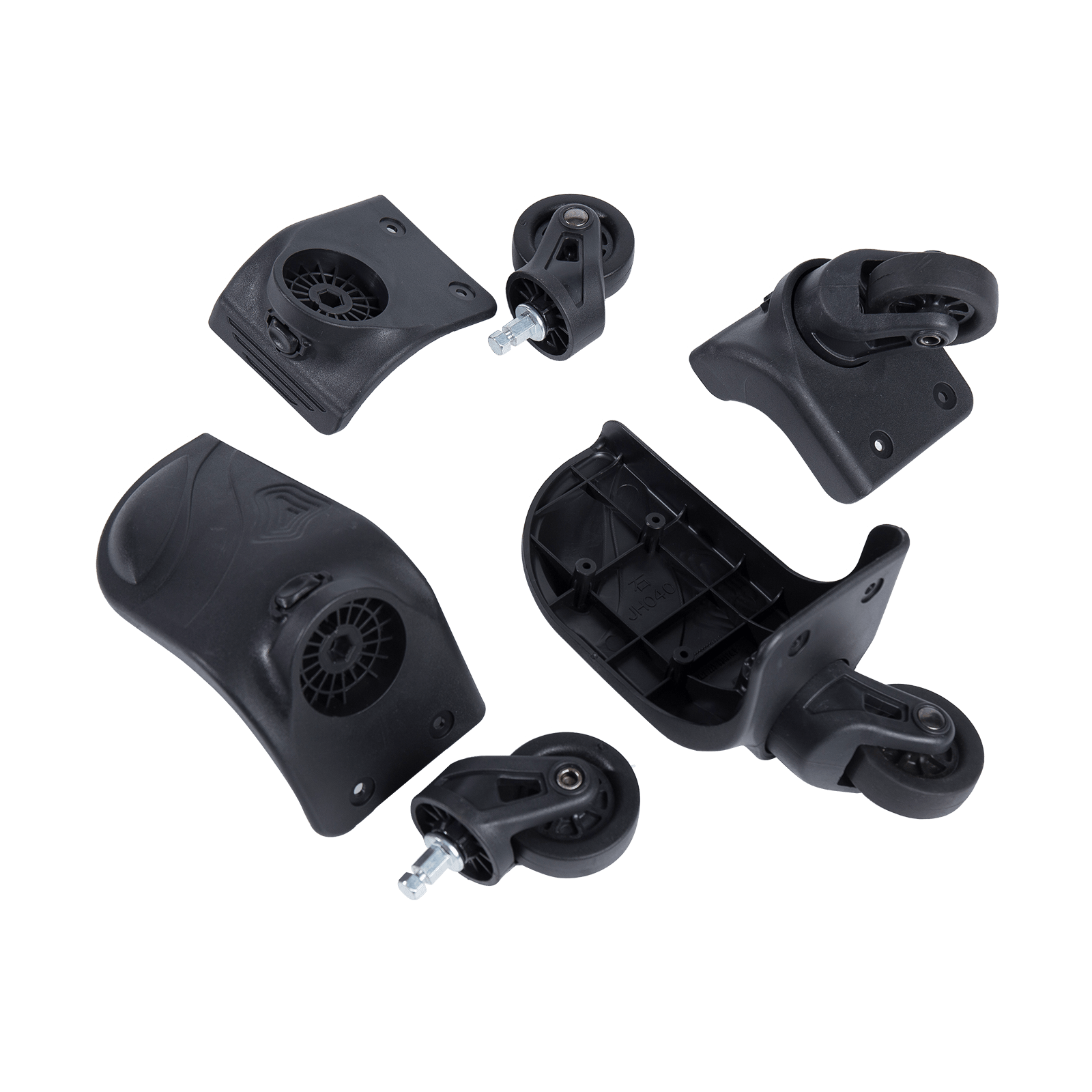
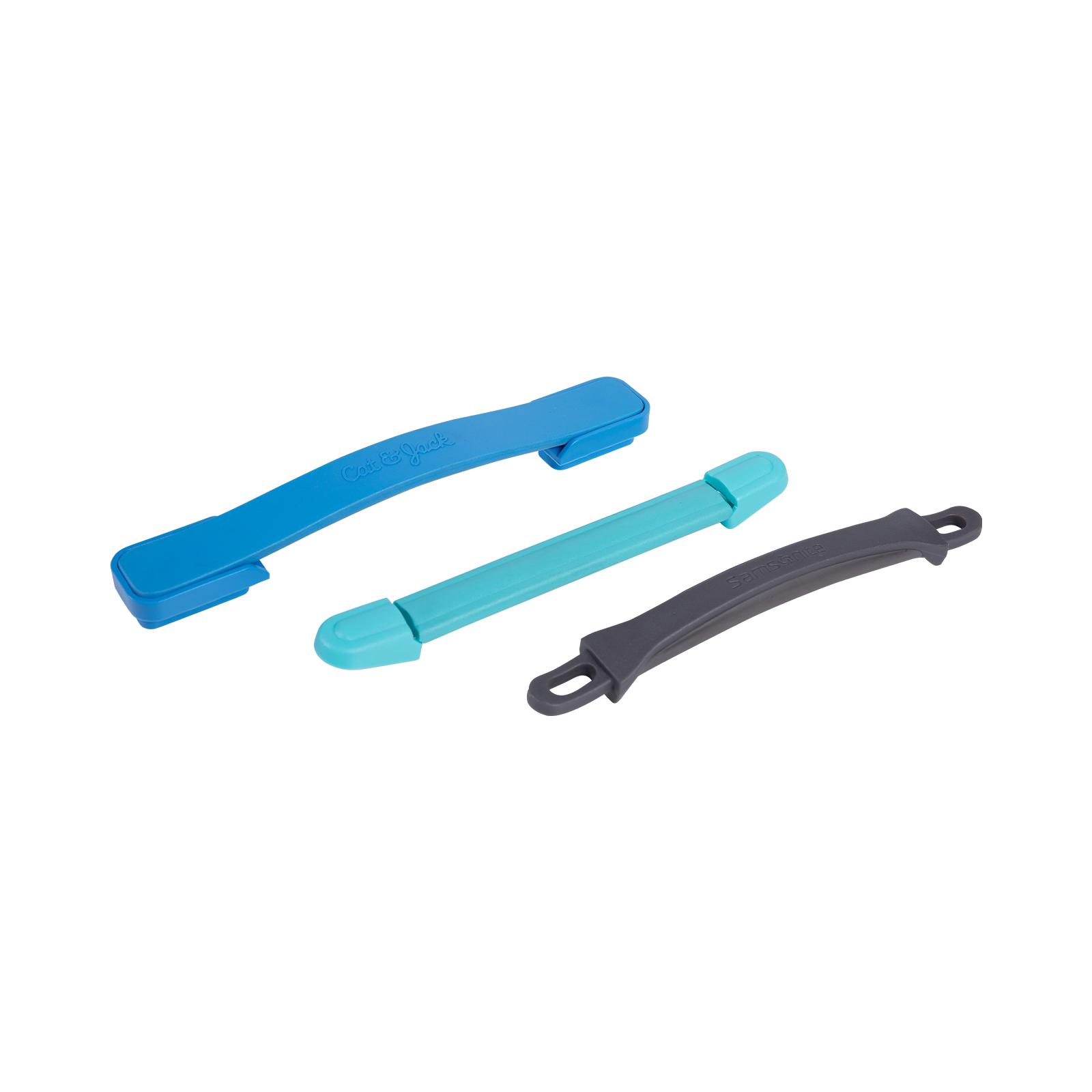
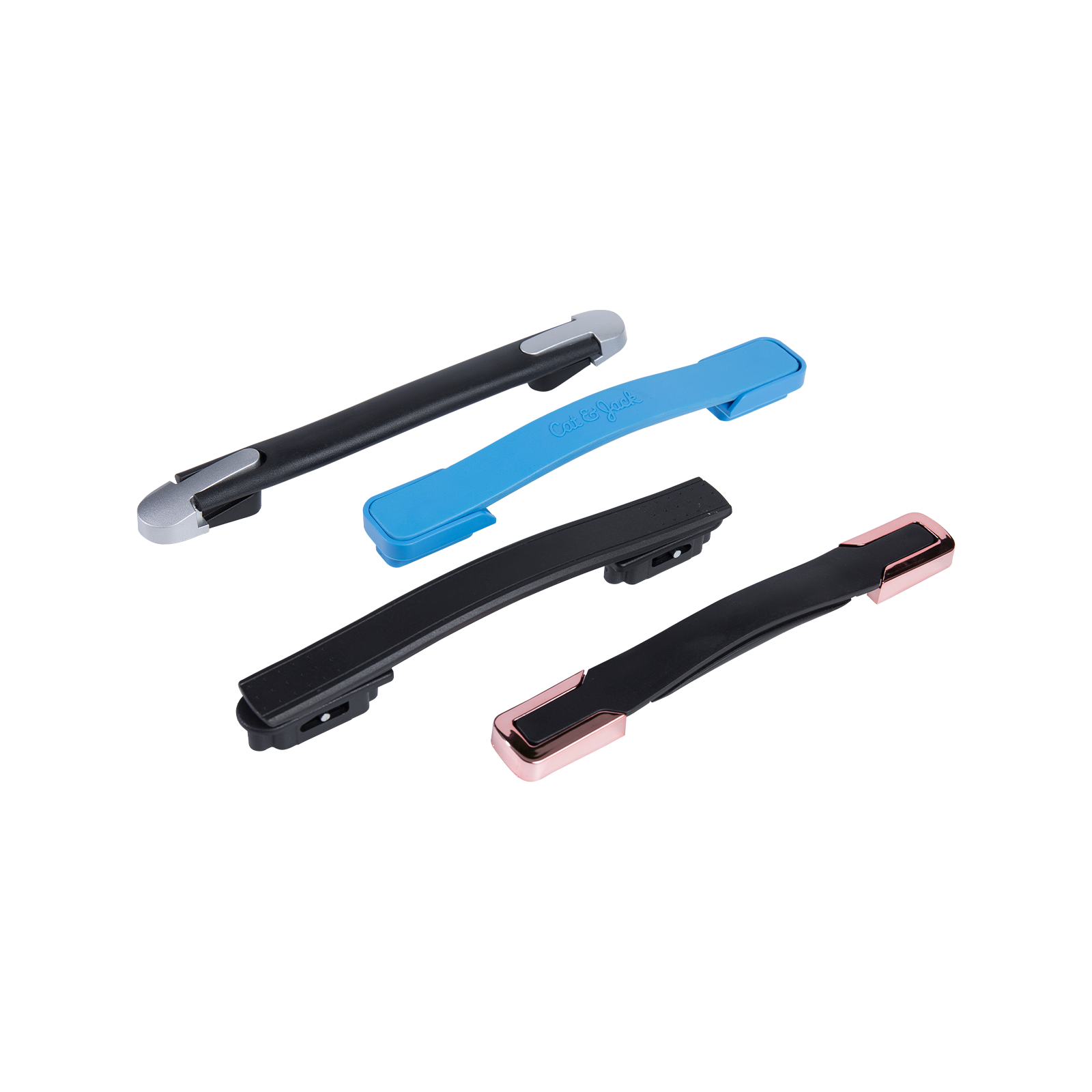
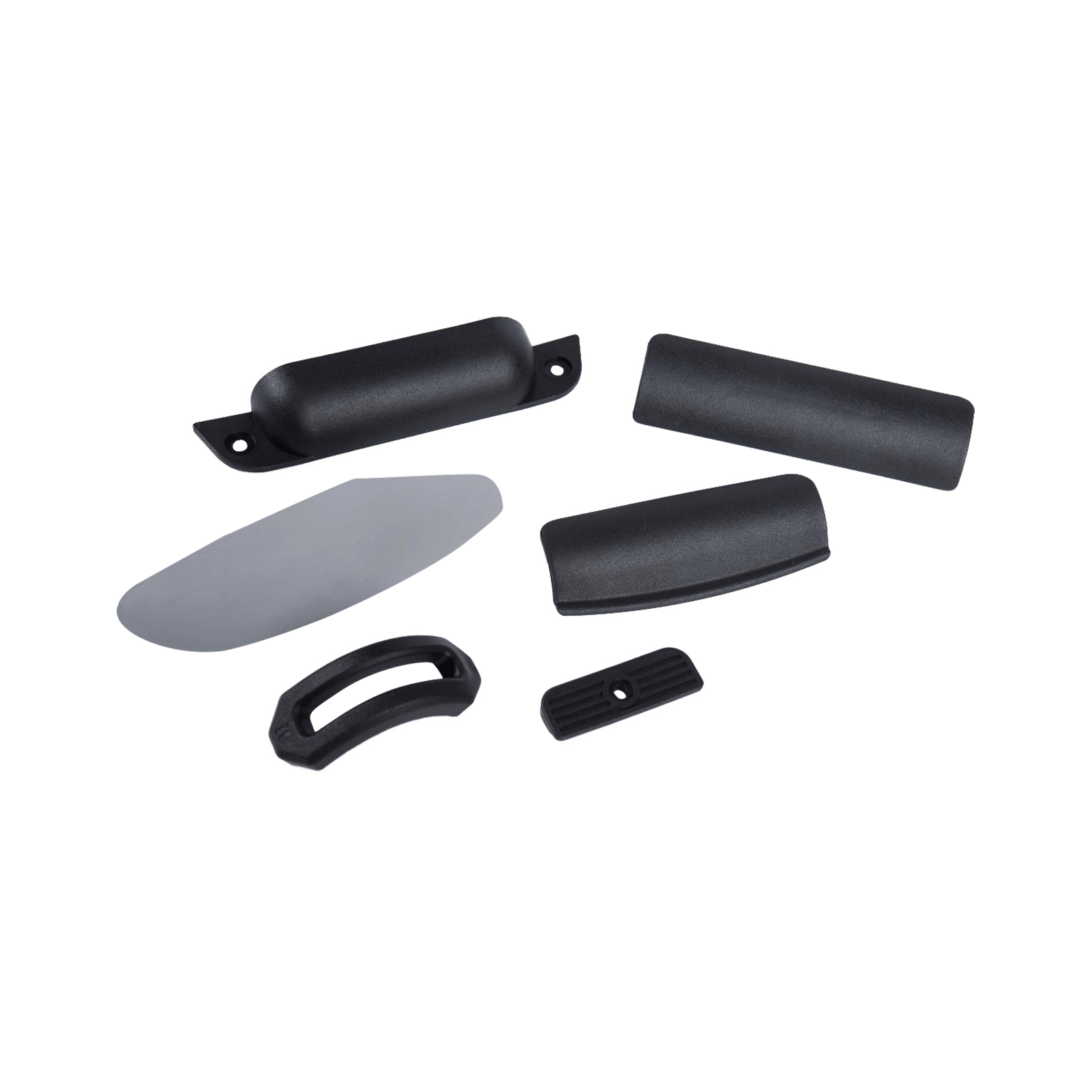
If you need a replacement handle, look for one that matches your suitcase's brand, model, or screw pattern. We manufacture a range of luggage handles that fit many standard suitcases.
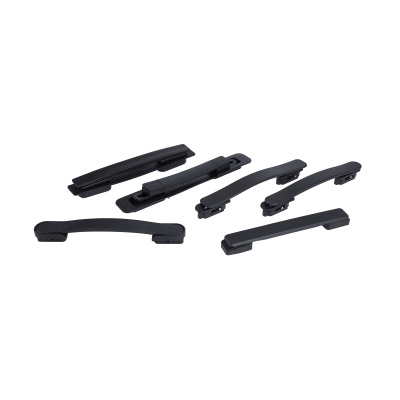 Plastic Luggage Handle Replacement for Suitcases and BagsA lightweight plastic replacement handle with customizable color and plastic or zinc seat options for matching suitcase repairs.View Product →
Step-by-Step Fixes for Common Handle Problems
1. Stuck or Stiff Telescoping Handle
- Empty the suitcase and open the lining to access the handle mechanism.
- Check for debris, bent tubes, or anything blocking the slider.
- Spray lubricant on the telescoping tubes and work the handle up and down.
- If it still sticks, inspect the release button and spring—sometimes a small part has popped out of place.
- If the handle is stuck in the extended position, don't force it—that can bend the tubes further. Instead, try to wiggle it gently while pressing the release button.
- If a tube is bent, you may need to replace the entire trolley assembly.
2. Snapped or Cracked Grip
If the plastic grip has snapped, you can sometimes replace just the grip. Unscrew the old grip and take it to a luggage repair shop or find a matching replacement online. If you can't find an exact match, a sturdy makeshift grip with epoxy and tape can hold for a while. For better adhesion, roughen the surfaces before applying epoxy. But for a permanent fix, replace the handle assembly.
3. Loose or Wobbly Handle
Tighten all visible screws. If the screw holes are stripped, fill them with a small piece of wood or epoxy and re-screw. For softside luggage, you may need to access the back of the screws through the lining. Use a thread-locking compound like Loctite on screws that keep coming loose. For a more detailed guide, see our article on what to do if the luggage handle is loose.
4. Bent Telescoping Tubes
Minor bends can sometimes be straightened with a rubber mallet and a block of wood, but be gentle—aluminum tubes can crack. If the bend is severe, replacement is the safest option. If you decide to replace the trolley, make sure the new one matches the screw hole pattern and tube diameter.
Temporary Fixes for Travel Emergencies
If your handle breaks while you're on the road, you need a quick fix to get to your destination. Duct tape is your friend. Wrap it tightly around the broken grip or joint. You can also create a makeshift handle using a sturdy strap or belt. A sturdy carabiner clipped through the broken handle base can give you something to grip. A length of paracord wrapped around the tubes can also work in a pinch. For more emergency repair ideas, check out our guide on how easy it is to replace or repair a travel bag handle. Remember, these are temporary—get a proper repair or replacement once you're home.
Repair or Replace? Making the Call
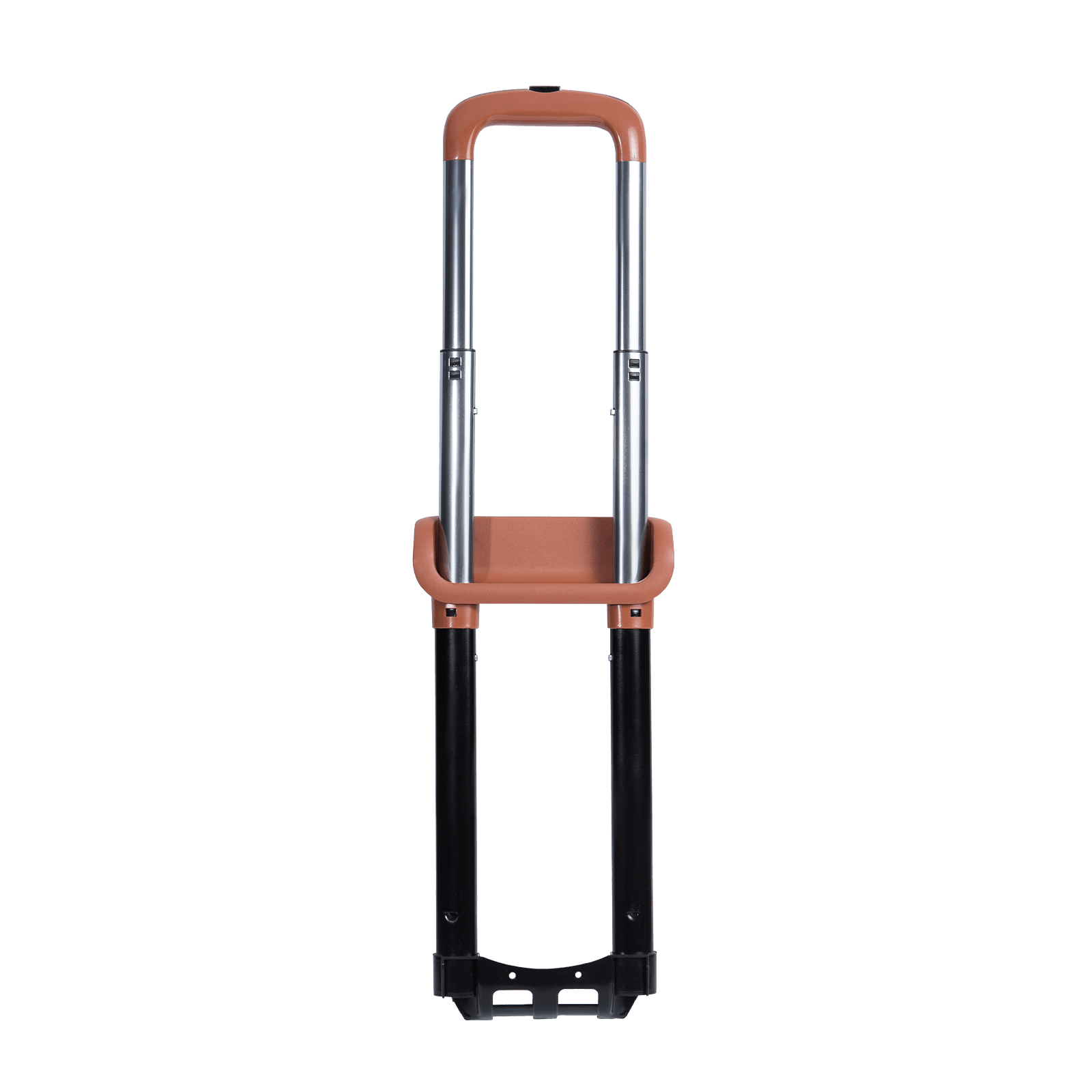
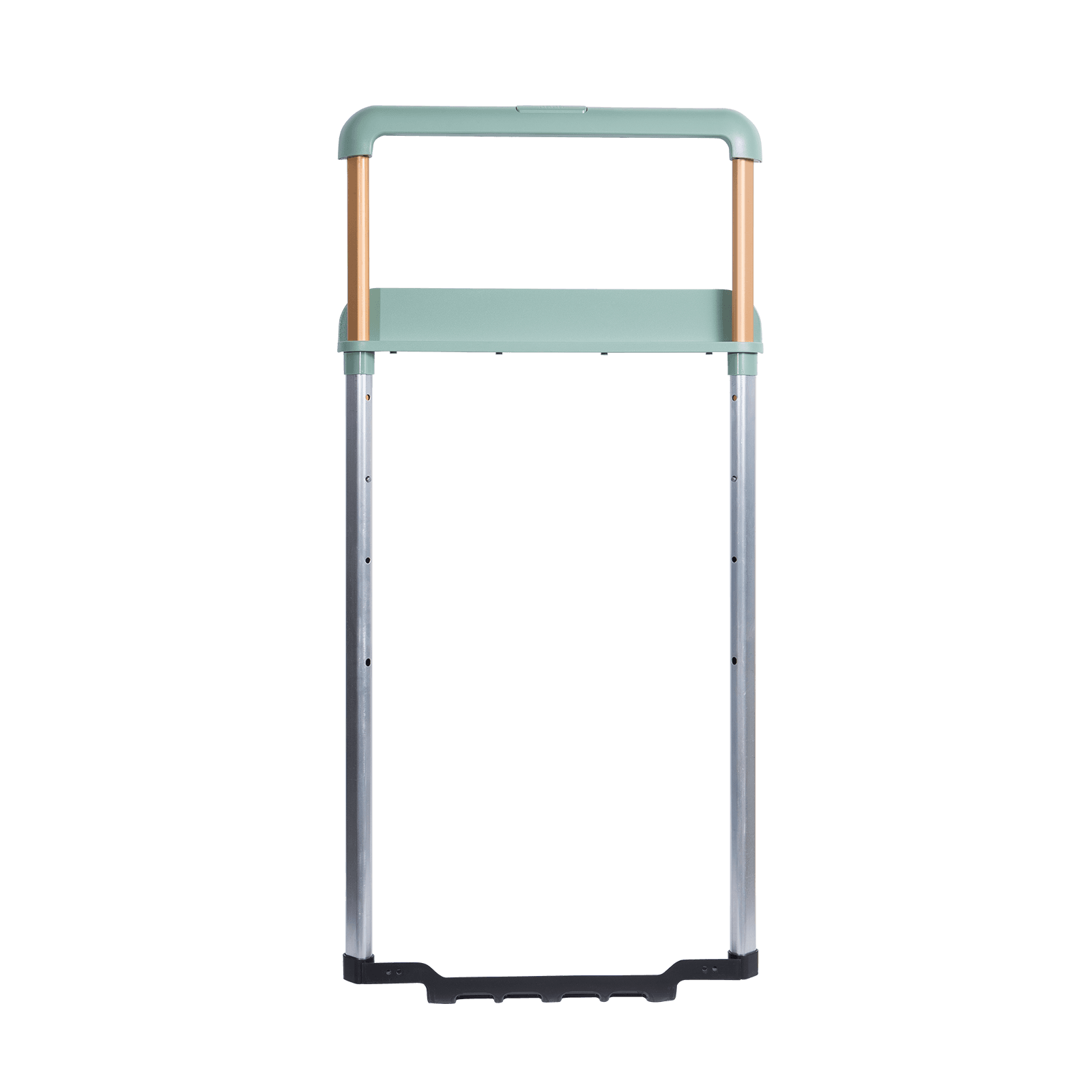
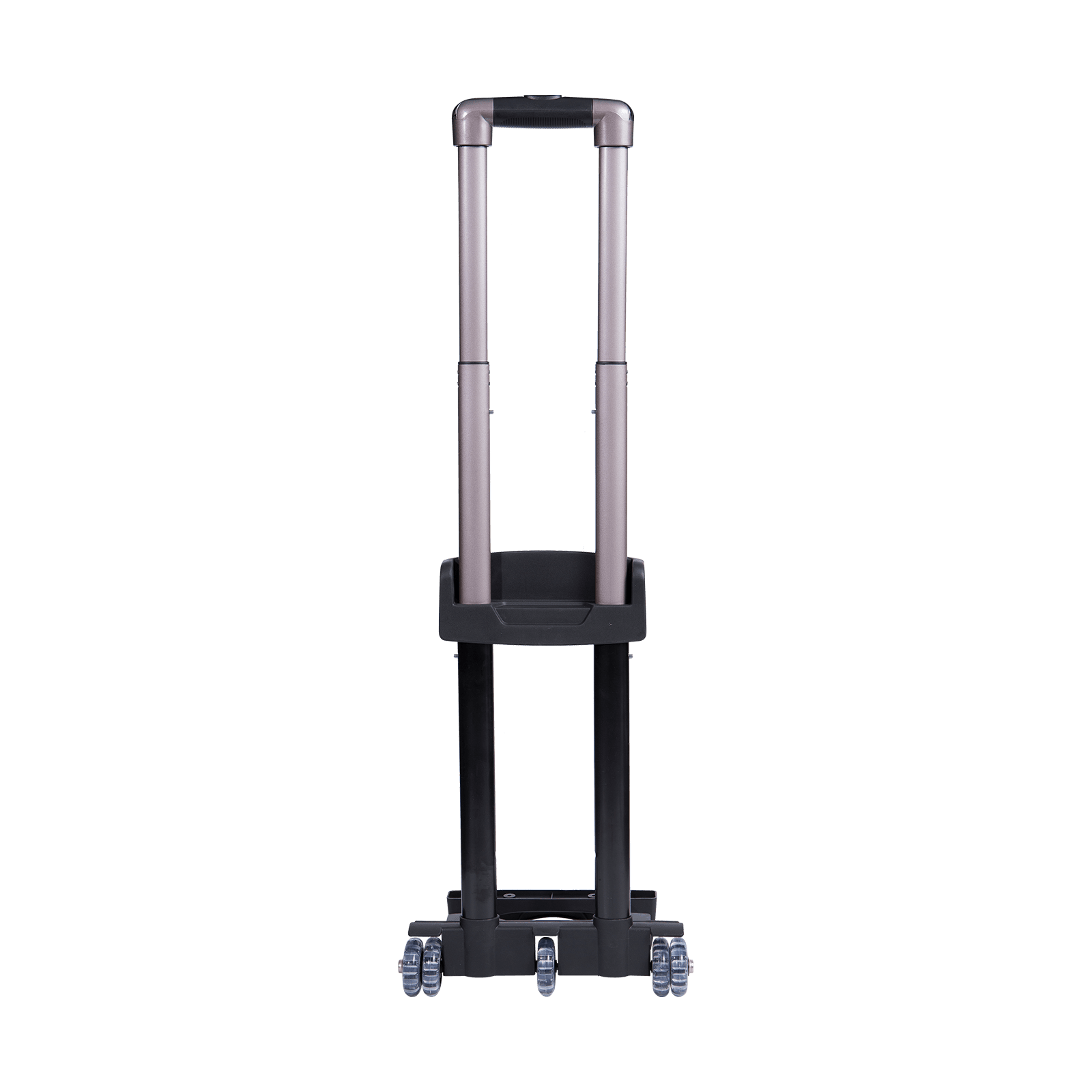
Consider the age and value of your suitcase. If it's a cheap bag and the handle assembly is badly damaged, a replacement might cost more than the bag is worth. A new handle assembly might cost $20–$50, while a new suitcase could be $100 or more. If the rest of the bag is in good shape, repair is usually the better choice. For higher-quality luggage, replacing the handle or trolley is usually worthwhile. Also, think about the type of damage: a single screw or grip is a quick fix, while a bent or broken telescoping system often requires a new trolley unit. We offer durable replacement trolleys that can extend the life of your bag.
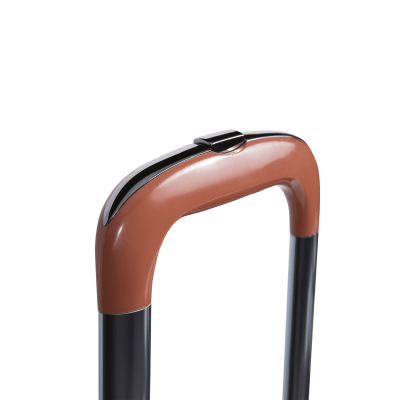 Durable Iron/Aluminum Luggage Trolley Pull RodA replacement pull rod trolley for soft and hard suitcases, available in 20, 24, and 28 inches with oxidation and painting finishes.View Product →
How to Prevent Handle Damage
- Don't overpack your suitcase; excess weight stresses the handle.
- Lift the bag by the body or bottom handle, not just the telescoping handle.
- Avoid dragging the suitcase over rough surfaces with the telescoping handle fully extended—use the side handle instead.
- Check screws periodically and tighten them.
- Store your suitcase in a dry place and avoid dropping it on the handle.
A broken suitcase handle doesn't have to mean the end of your bag. With a little diagnosis and the right tools, you can fix many problems yourself—or at least know when to call in a replacement part. We hope this guide helps you get your luggage back in action. If you're a luggage brand or repair shop looking for reliable replacement handles, trolleys, or other components, we're here to help. Safe travels!