

 Español
Content
- 1 Start With the Symptom, Not the Screwdriver
- 2 If the Handle Is Stuck or Will Not Extend
- 3 If the Handle Wobbles, Spins, or Slides Back Down
- 4 If the Button Is Dead or the Grip Has Snapped
- 5 When a Replacement Makes More Sense Than a Repair
- 6 Choosing a Replacement Handle That Will Outlast the Original
- 7 Small Habits That Keep a Handle Working
- 8 A Note From the Factory Floor
A suitcase handle that jams halfway up is one of those small failures that can ruin an entire trip. We have been making luggage handles and trolley systems in Jiaxing since 2003, and the repair questions we hear are remarkably consistent: the button sticks, the handle will not slide, or the grip suddenly feels loose in your hand. The good news is that most of these problems can be diagnosed in five minutes, and a fair number can be sorted out at the kitchen table with a single screwdriver.
This guide walks through the most common handle failures, what causes them, and when a repair is genuinely realistic. Where a replacement is the smarter option, we will say so plainly.
Start With the Symptom, Not the Screwdriver
Before you unscrew anything, watch what the handle actually does. A handle that will not move at all is a different problem from one that moves but refuses to stay up, and the fix is different again for a grip that spins in your hand. Matching symptom to cause saves you from taking apart a mechanism that was working fine.
| Symptom | Likely Cause | DIY Level | Best Next Step |
|---|---|---|---|
| Handle will not extend or retract | Bent tube, dry slides, jammed locking pins | Moderate | Clean and lubricate first; replace the trolley if a tube is bent |
| Handle slides back down under load | Worn locking pins or a weak spring | Difficult | Replace the trolley assembly |
| Grip wobbles or rotates | Loose screws at the top grip | Easy | Tighten and secure with a little thread-lock |
| Base plate has cracked | Impact or years of overload | Difficult | Replace the handle base, ideally a zinc base version |
| Button does not spring back | Snapped plastic lever or broken spring | Difficult | Replace the handle or the complete trolley |
If your symptom is not on the list, the most common cause is simply a screw that has worked loose after a few hundred airport conveyor belts. Start there before assuming the worst.
If the Handle Is Stuck or Will Not Extend
Sticking is the complaint we hear most often, and it is rarely the end of the handle. Dirt, dried lubricant, and a slightly bent tube account for most cases.
- Empty the suitcase completely and lay it flat. A loaded case puts sideways pressure on the tubes and makes everything harder to judge.
- Hold the release button down while rocking the handle gently up and down. Do not force it; if nothing moves, go to the next step.
- Open the lining at the base of the case. Most trolley systems have a zipper or flap there, giving you access to the rods and locking pins.
- Brush away dust and grit around the pins and the top of the tubes, then apply a light silicone spray. Avoid oil-based lubricants, which collect dust and make things worse within months.
- Check the tubes for bends. Sight along each tube, or roll it across a flat table. A bent tube will never slide smoothly again and should be replaced.
- Reassemble, test the handle with light pressure, and only then start packing.
If the handle moves freely when the case is empty but jams once it is full, the tube is probably flexing under load. That points to a replacement trolley rather than a repair.
If the Handle Wobbles, Spins, or Slides Back Down
A wobbly grip is nearly always a fastener problem, and it is the easiest fix on this list. Turn the case over, look for the two screws under the top grip, then check the mounting plate at the base of the trolley, which is usually hidden behind the lining.
- Tighten every screw you can reach, working from the grip down to the base plate.
- If a screw turns but never tightens, the hole is stripped. A wooden toothpick dipped in wood glue and pushed into the hole gives the screw something to bite into again.
- For a grip that keeps loosening, a drop of medium-strength thread-lock holds it without making future repairs impossible.
- Inspect the base plate for hairline cracks. A cracked plastic base will keep loosening no matter how often you tighten it.
That last point is worth dwelling on, because it is often the difference between a handle that lasts two trips and one that lasts ten years. A zinc base plate spreads load across a wider area than a thin plastic one, which is why we offer both and quietly recommend the metal version for cases that travel often.
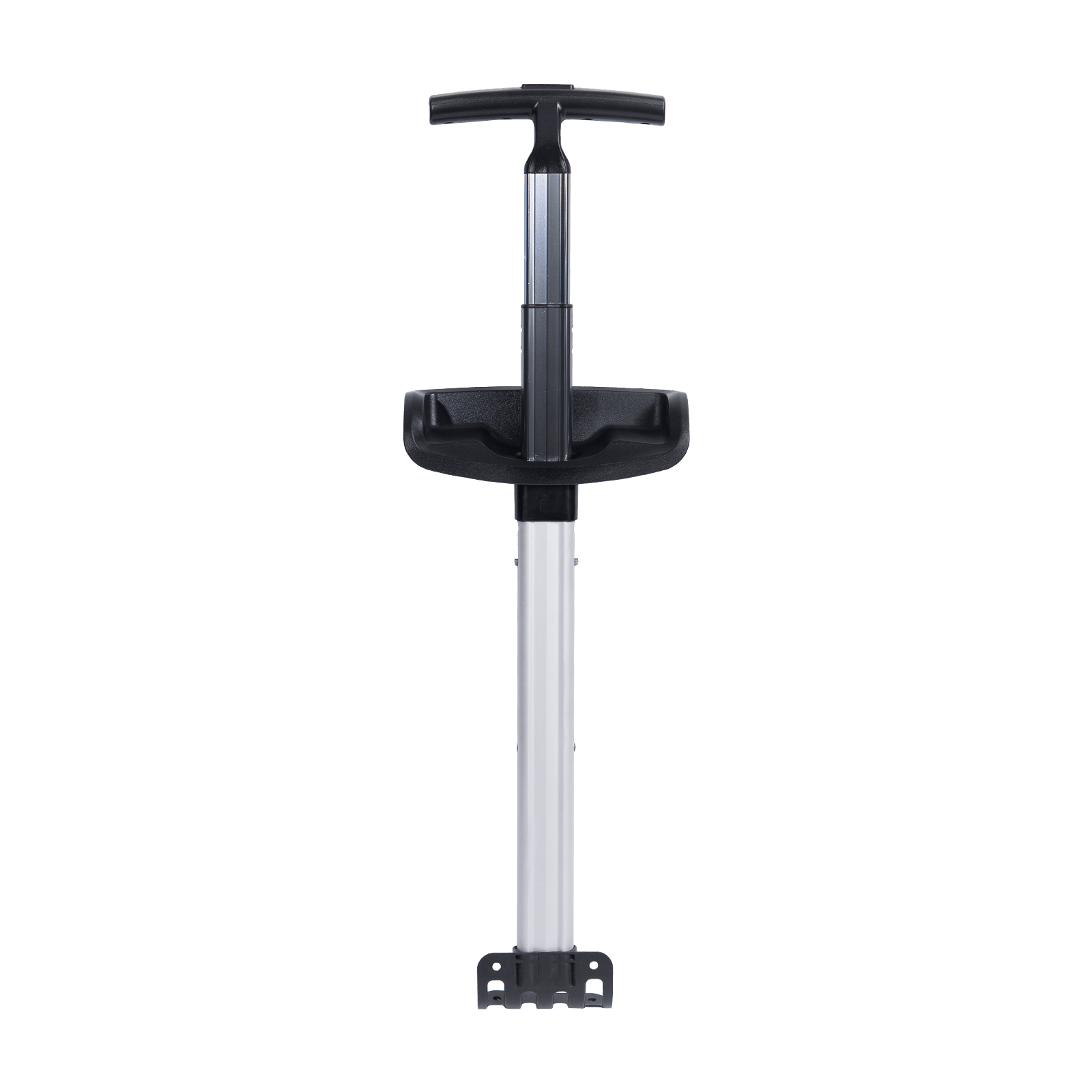
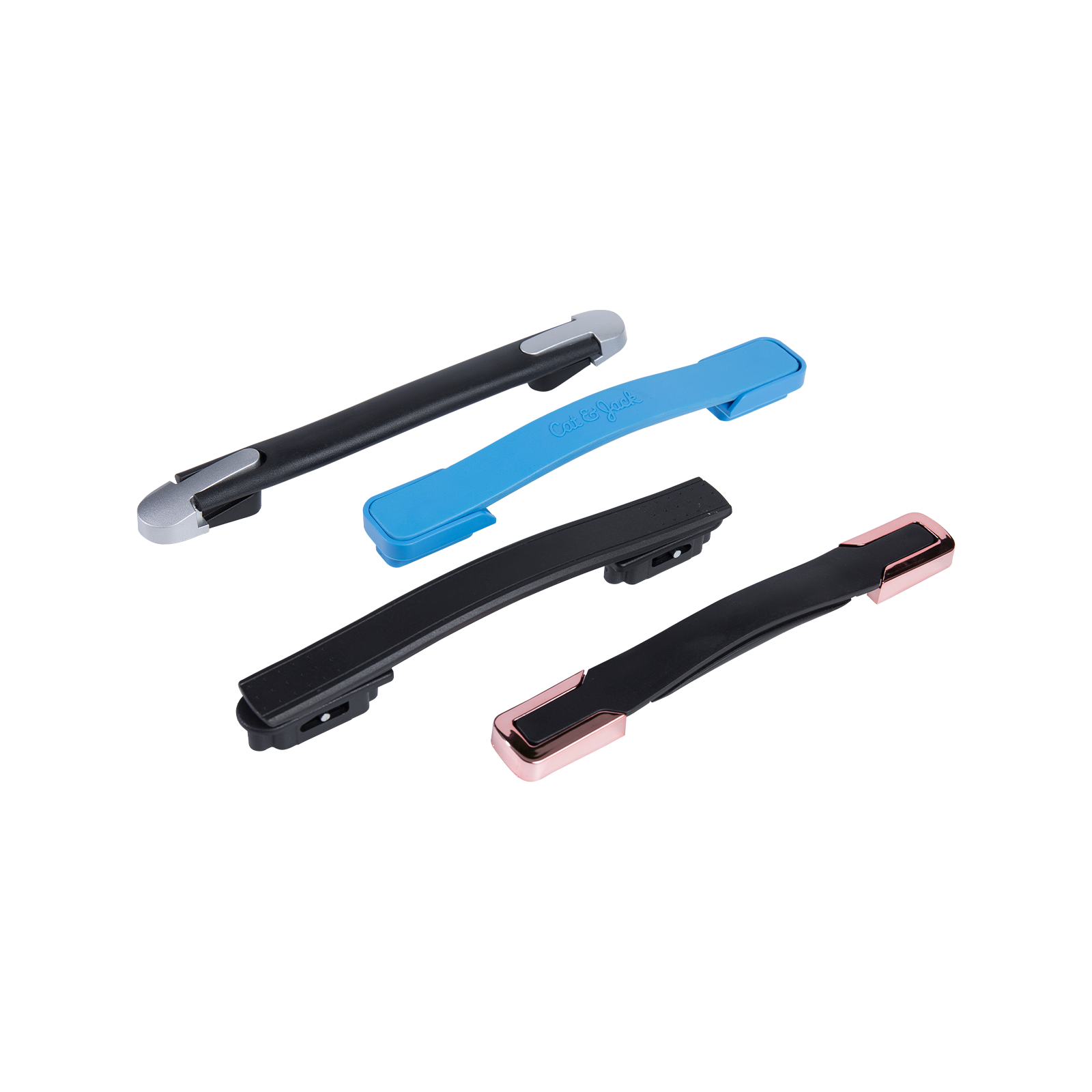
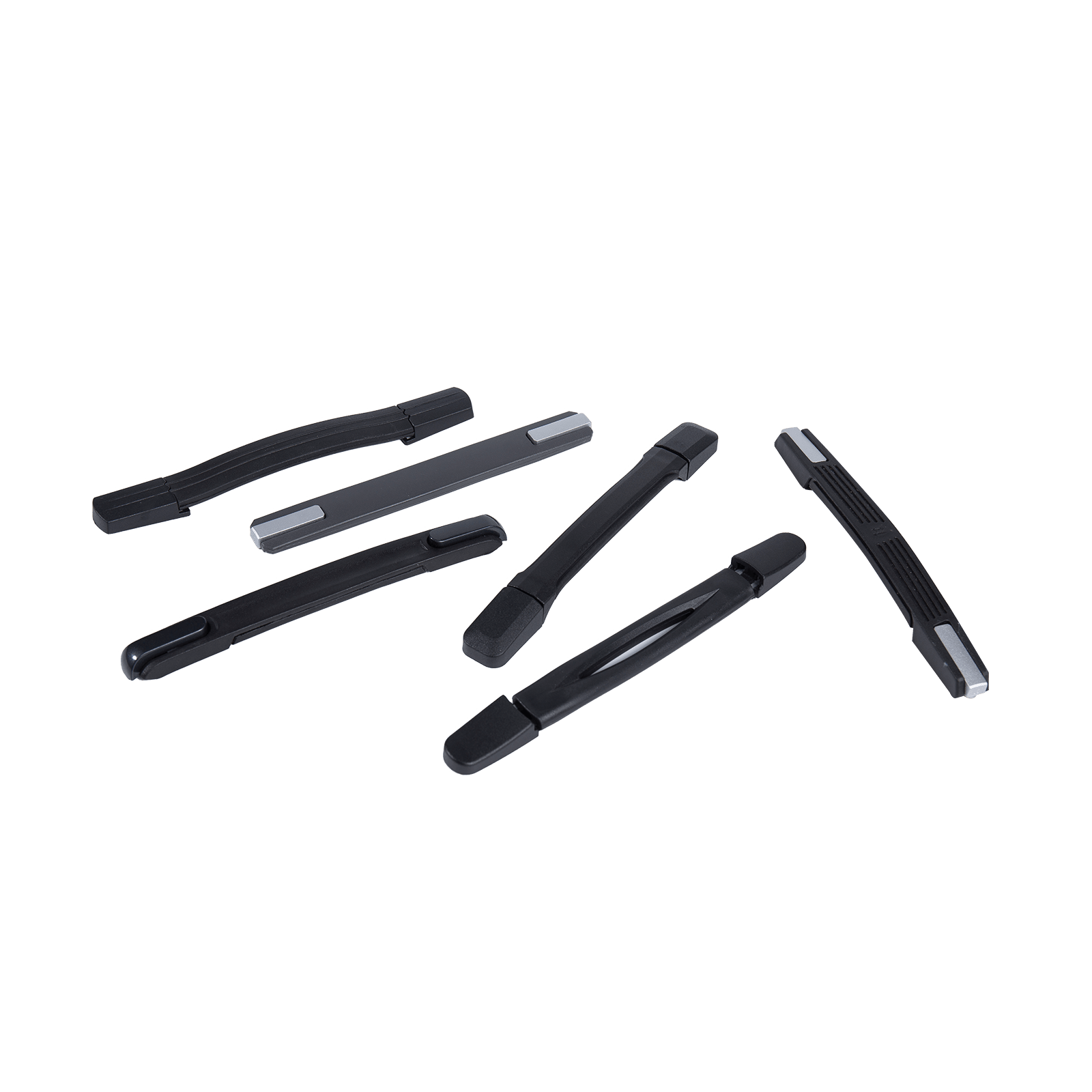 Plastic and Zinc Seat Luggage HandleOffers plastic or zinc seat options, painted or electroplated finishes, and customizable handle colors, letting you choose the metal base recommended for frequent travel.View Product →
If the handle still feels loose after tightening, or the whole assembly rocks inside the shell, the mounting points may have cracked. We covered the trickier cases in a short guide on what to do when a luggage handle is loose.
If the Button Is Dead or the Grip Has Snapped
The release button is a small piece of engineering doing a big job. Pressing it pushes a pair of rods down the tubes, which pull back spring-loaded pins that lock the handle at each height. When the plastic lever inside the grip snaps, the pins stay out and the handle is stuck wherever it happened to be.
Glue rarely helps here. The forces running through that little lever are larger than they look, and a repaired lever tends to fail at the worst possible moment, usually at a check-in counter. If the grip is screwed together and the internal parts are intact, replacing just the grip is possible. If the mechanism is sealed or the rods are damaged, replacing the whole trolley is faster and far more reliable.
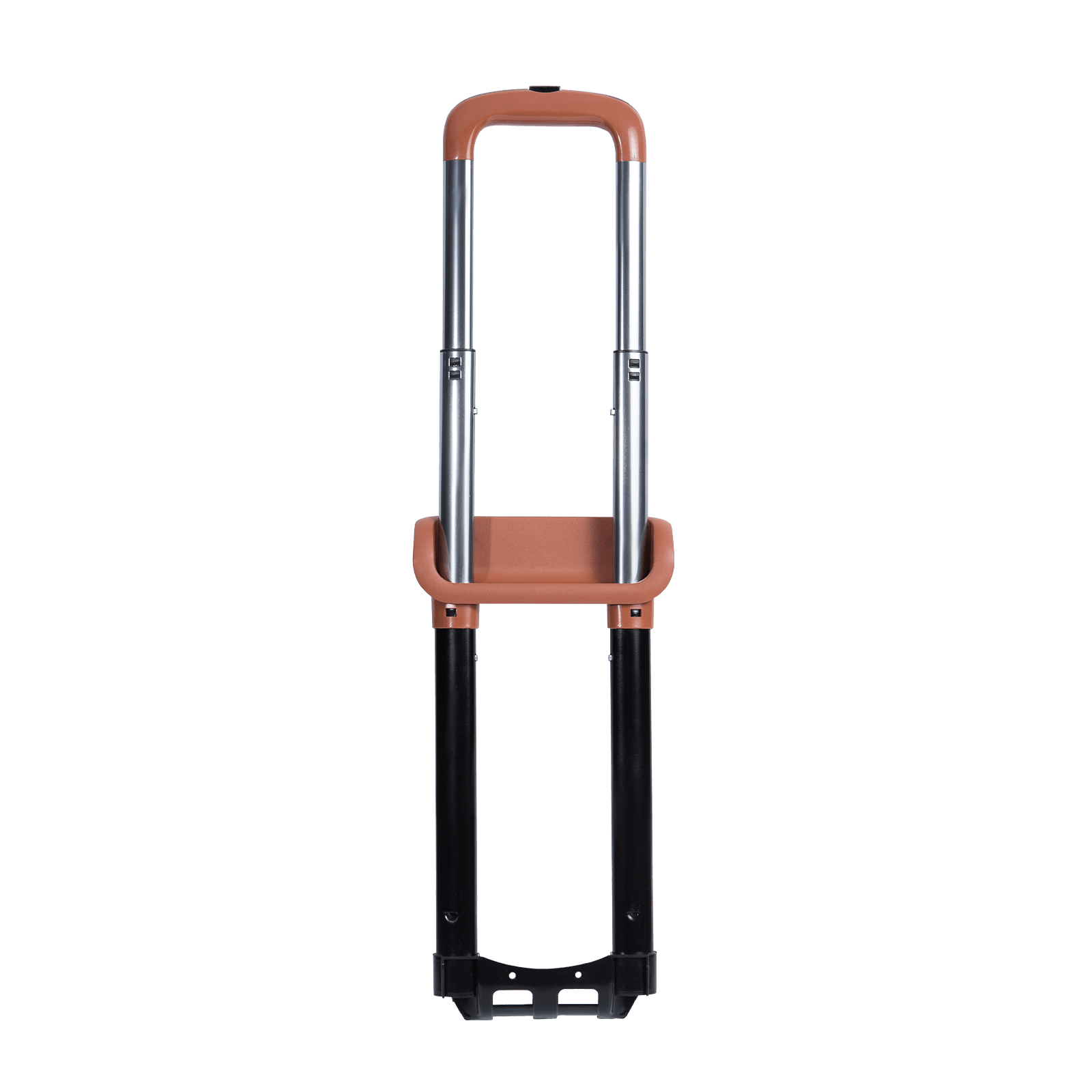
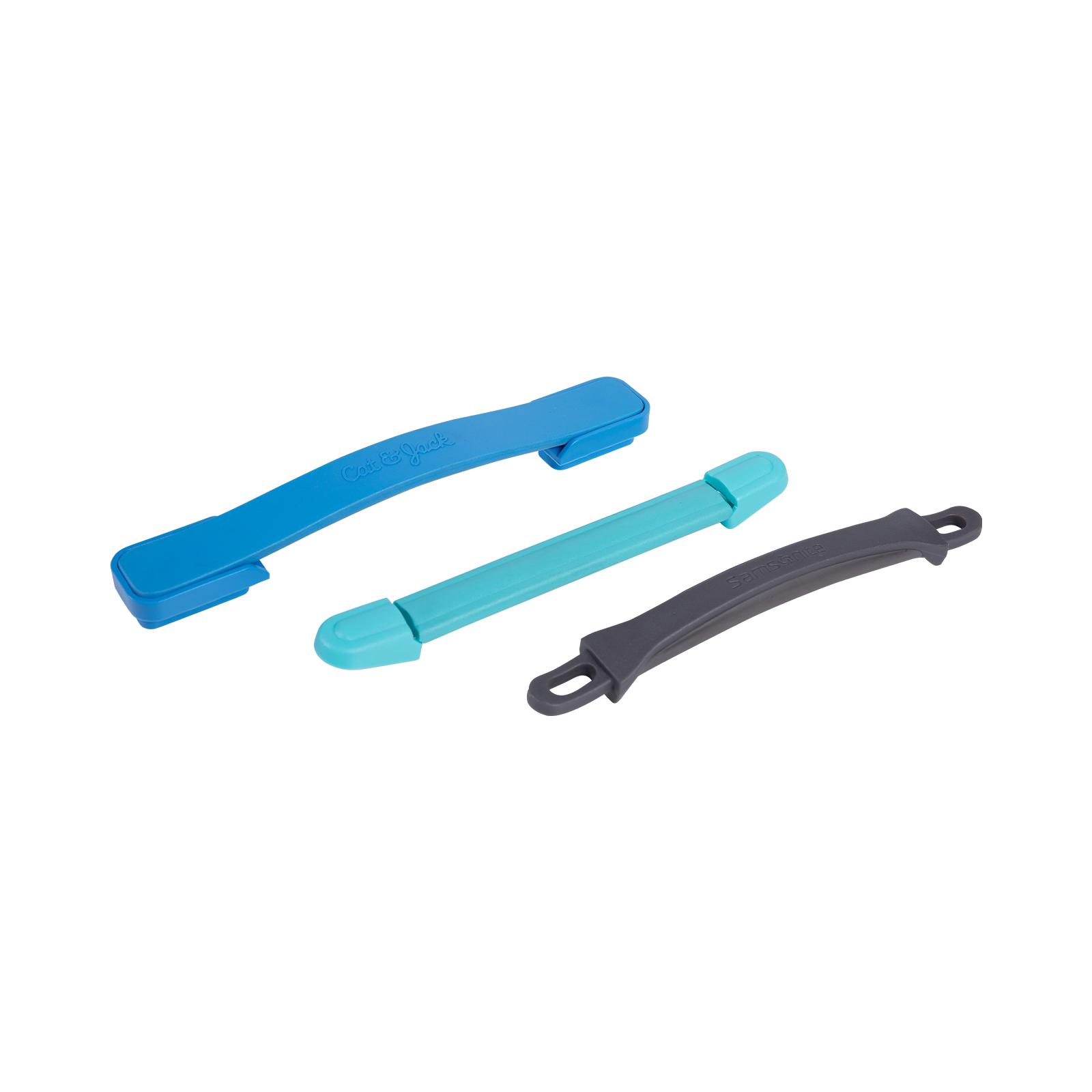
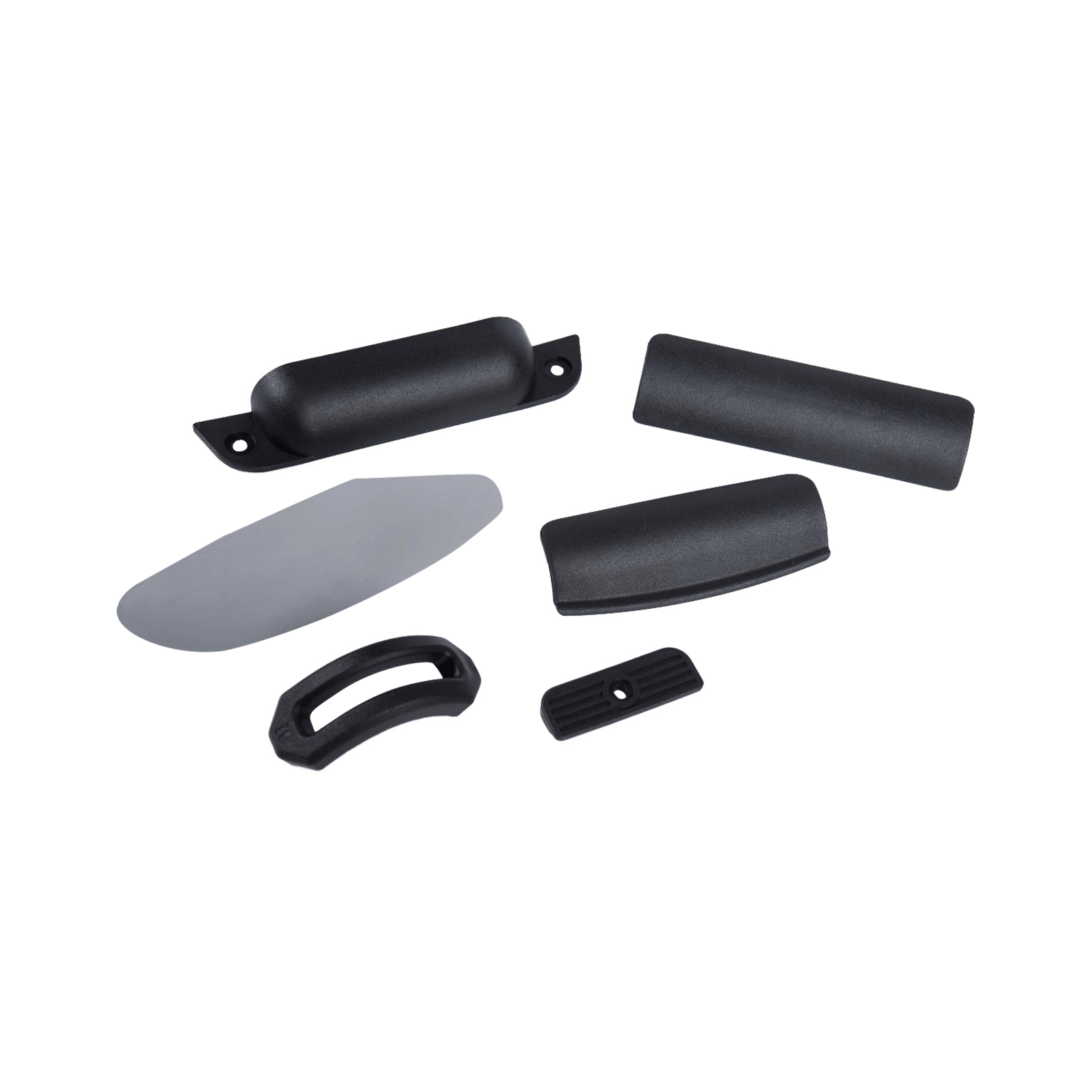
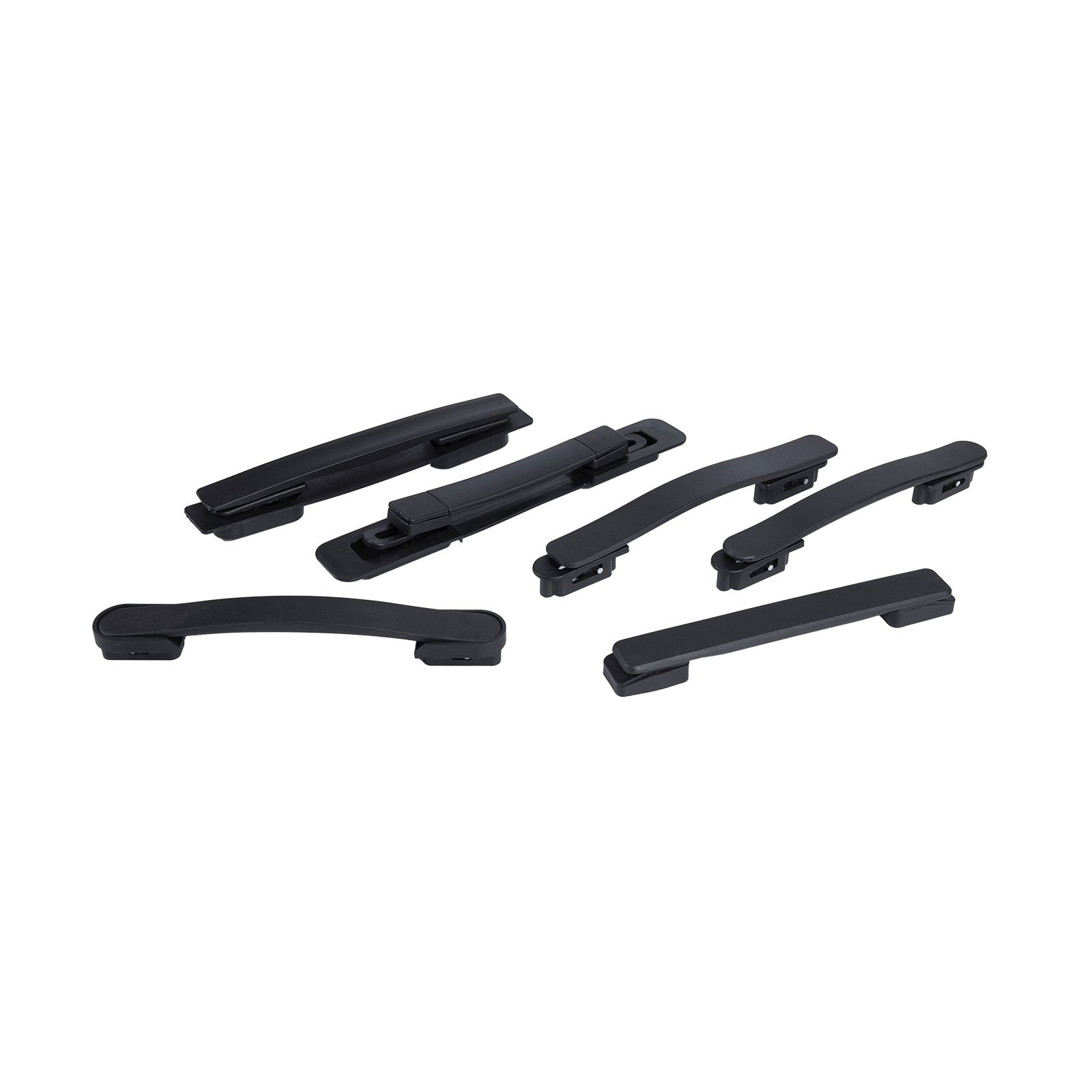 Plastic Luggage Handle with Seat OptionsLightweight plastic handle with plastic or zinc seat, painted or electroplated finishes, and customizable color or logo; a practical replacement grip for various bags.View Product →
When you order a replacement, match the tube spacing and the mounting hole positions rather than the brand name on the case. Most trolley systems are built to a handful of standard widths, and a good supplier will list the dimensions clearly.
When a Replacement Makes More Sense Than a Repair
There is a point where repair stops being sensible. If the tubes are bent, the pins are worn enough to let the handle drop under load, or the base plate has cracked, you are replacing the mechanism anyway. The only real question is whether to buy a trolley assembly or a whole new case.
For a suitcase that is otherwise in good shape, a replacement trolley is almost always better value. It is a fifteen-minute job with a screwdriver, it keeps a serviceable shell out of landfill, and a well-made replacement often outlasts the original part.
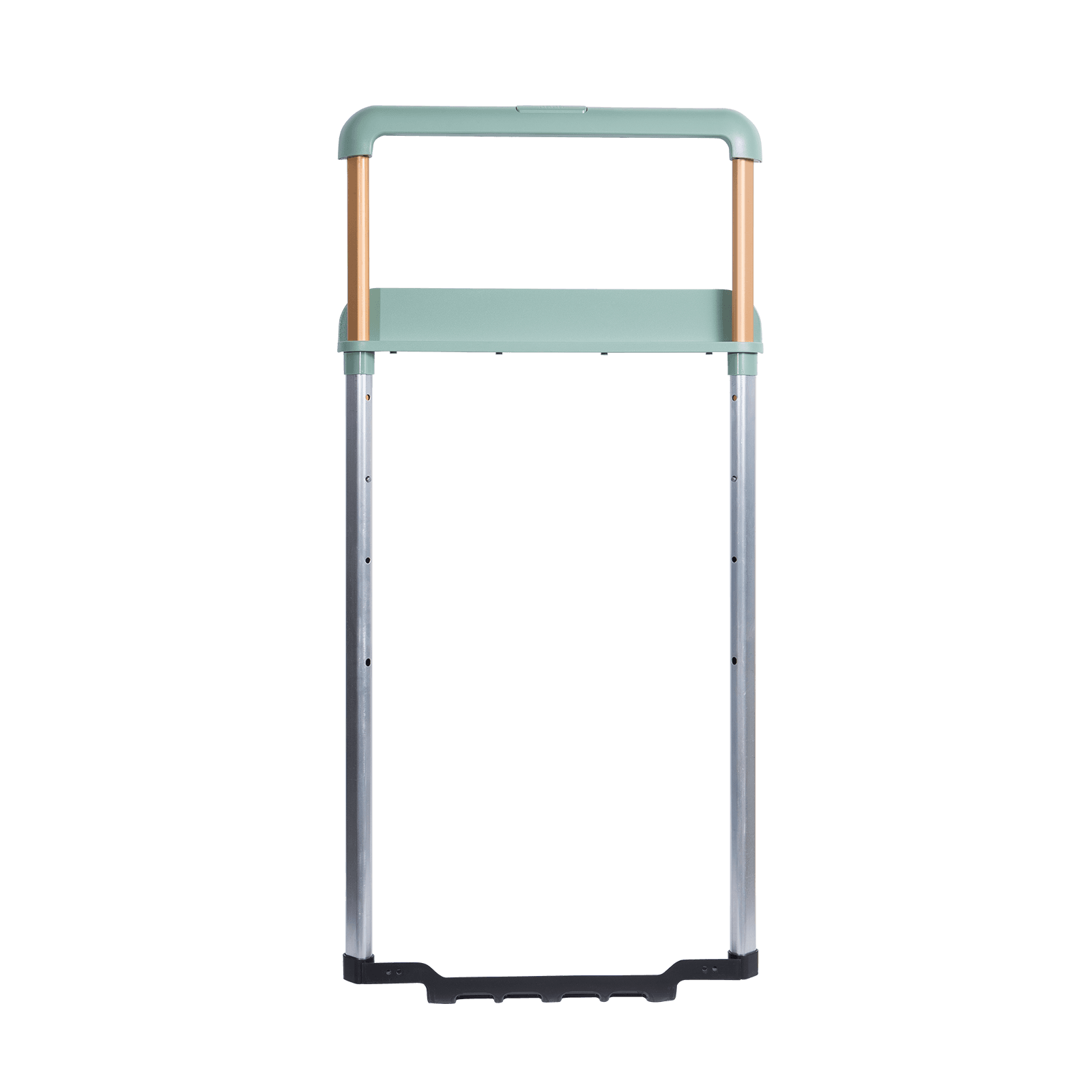
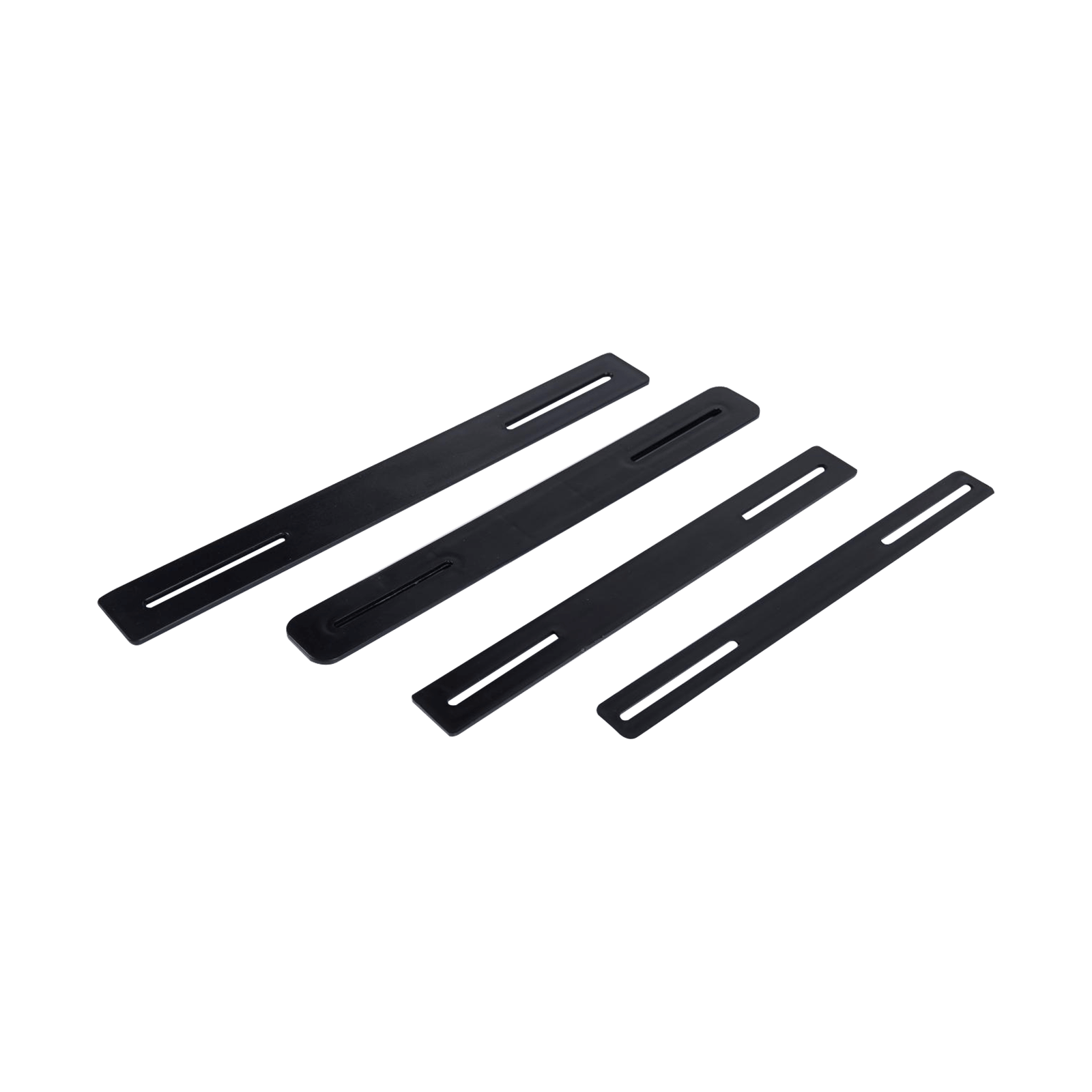
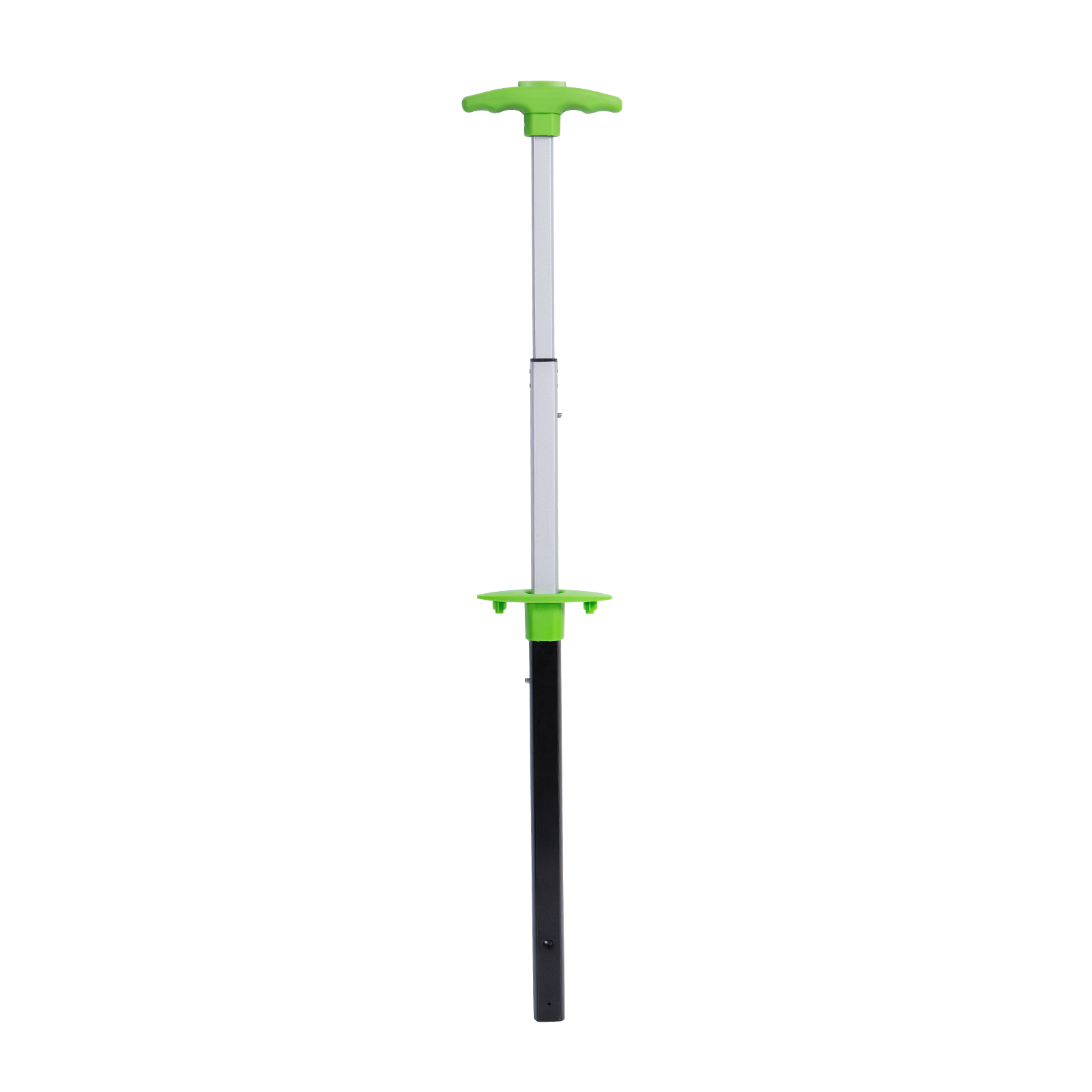 Custom Luggage Trolley Replacement PartsIron or aluminum replacement trolley with customized size, Pantone color, and ODM or factory-brand logo, suited to restoring a serviceable suitcase rather than discarding it.View Product →
We keep replacement trolleys in the common widths precisely because this kind of repair is so routine. Handles take the most punishment of any part of a suitcase, and treating them as a replaceable component rather than a permanent fixture is simply practical.
Choosing a Replacement Handle That Will Outlast the Original
Not all handles are equal, and the differences show up after a year of real use. A few things are worth checking before you buy:
- Tube material. Aluminum and magnesium-aluminum alloy tubes stay straight under load; thin steel tubes rust and bend.
- Base material. A zinc base plate resists cracking far better than a thin plastic one, especially on larger cases.
- Grip construction. Look for a grip that is mechanically fixed rather than simply snapped on, with a button that has a positive return spring.
- Height range. Two or three locking positions suit most travelers, but taller users should check the maximum height before ordering.
- Testing. Ask how the handle is tested. We run pull and cycle tests on our trolleys before they leave the factory, and it is a fair question to ask any supplier.
Small Habits That Keep a Handle Working
- Lift the case by its side or top carry handle, never by the extended trolley handle.
- Do not overpack. Every extra kilogram travels through the handle and the base plate.
- Avoid dragging the case up stairs on its wheels and handle, since sideways load bends tubes.
- Wipe the tubes clean a few times a year and add a light silicone spray.
- Store the handle retracted so the pins are not held under tension for months at a time.
A Note From the Factory Floor
We build luggage handles, trolleys, wheels, and locks for suitcase makers around the world, and we also inspect more than our share of samples that come back for testing. The pattern is always the same: handles fail because of a bent tube, a stripped screw, a cracked base plate, or a snapped plastic lever. Three of those four are cheap to prevent at the design stage, and all four are fixable at a kitchen table.
If you are repairing a case for yourself, start with the simplest fix and work outward. If you are sourcing handles for a luggage line, you are welcome to look through our luggage handle range and see how we approach the same problems from the other side.