

 Español
Content
Introduction to Luggage Wheels
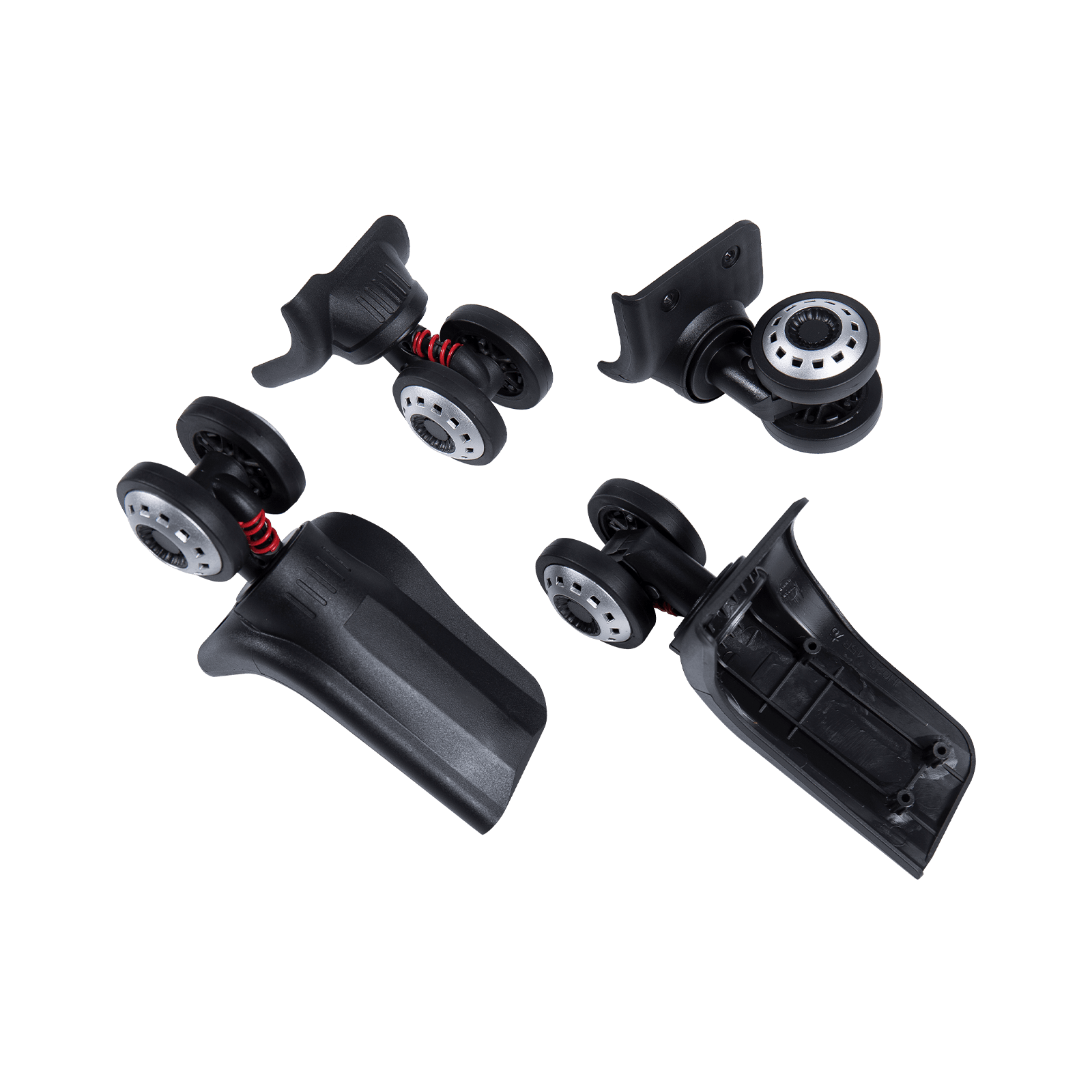
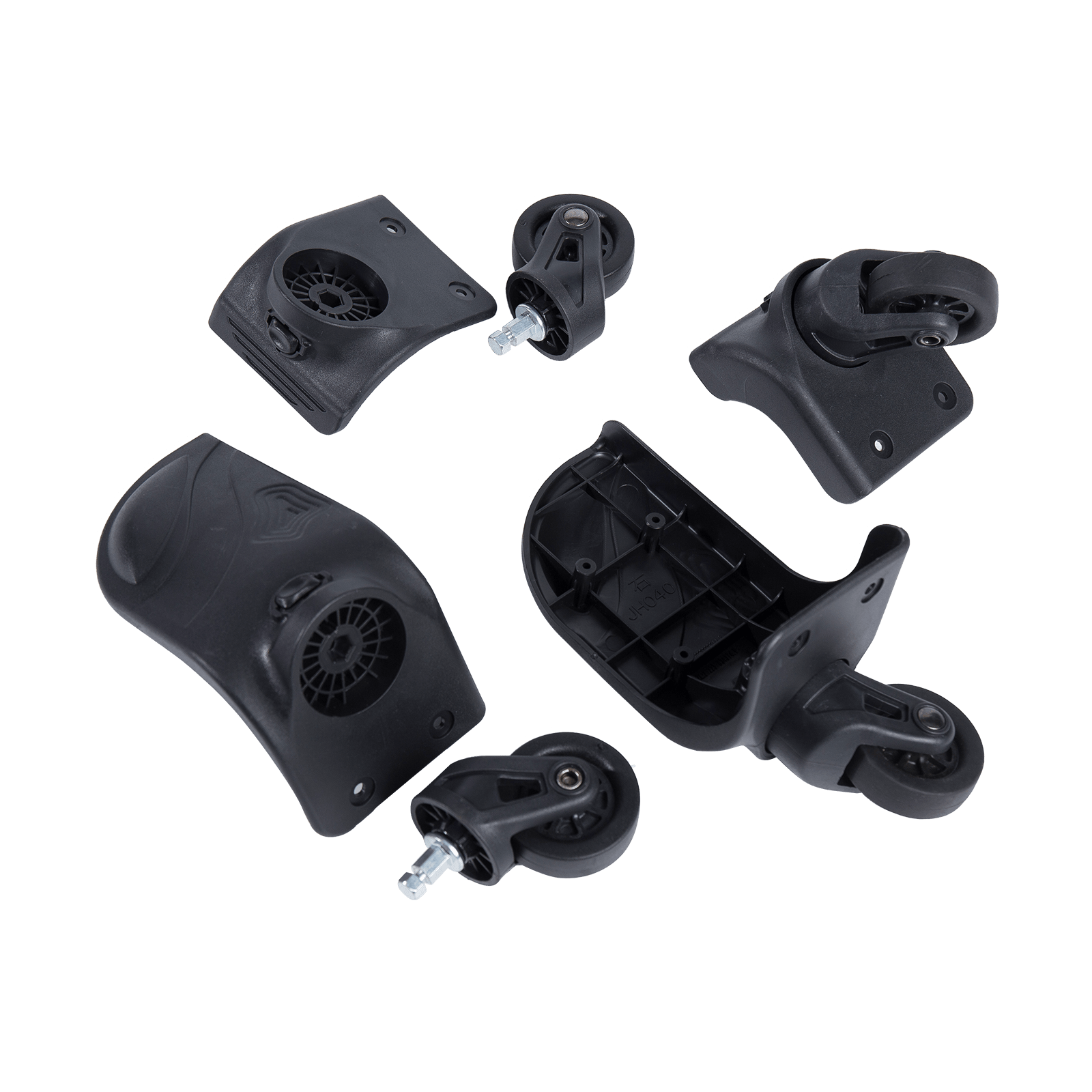
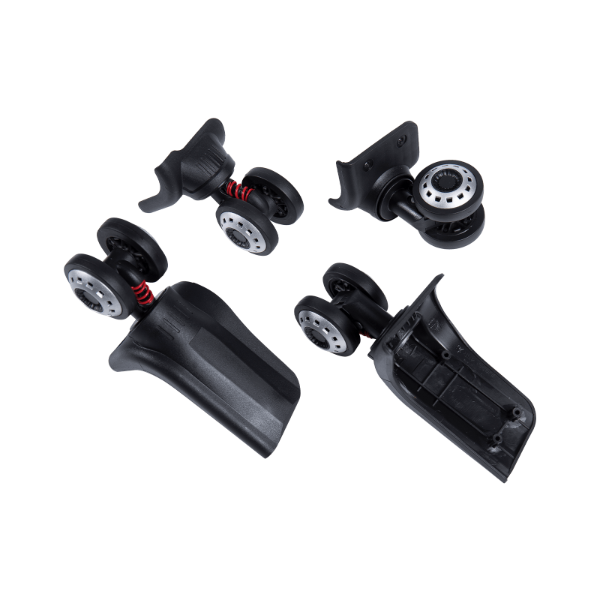
Luggage wheels are a crucial feature that determines the ease and convenience of travel. Modern suitcases typically come with either universal wheels or fixed wheels, each offering distinct advantages and limitations. Universal wheels, also known as spinner wheels, rotate 360 degrees, allowing multidirectional movement, while fixed wheels are limited to forward and backward rolling.
Choosing the right type of luggage wheel impacts not only mobility but also durability, maintenance, and overall travel efficiency. This article explores the differences between universal and fixed wheels, highlighting their practical applications, durability, convenience, and performance.
Design and Mobility Differences
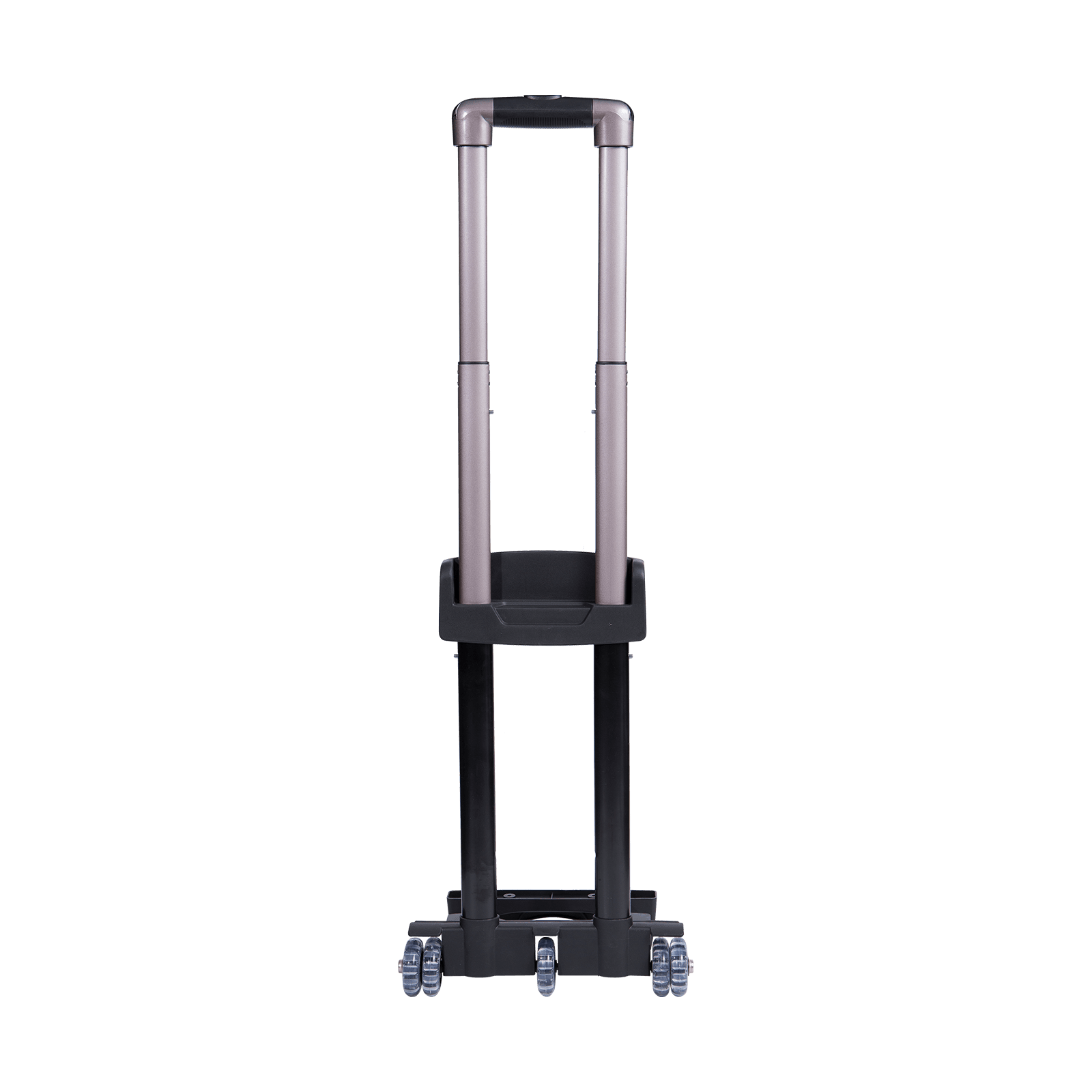
Universal luggage wheels are designed to swivel independently, typically installed in pairs at each corner of the suitcase. This design allows travelers to push, pull, or spin their luggage in any direction without tilting, making navigation through crowded airports, narrow aisles, or busy streets more fluid.
Fixed wheels, on the other hand, are aligned in a single direction. To change direction, travelers must tilt the suitcase and pull it on its rear wheels. While fixed wheels can feel more stable on uneven terrain, they limit maneuverability, particularly in confined spaces.
Durability and Longevity
Durability is a significant consideration when comparing luggage wheels. Fixed wheels are generally simpler in design, with fewer moving parts, which can lead to fewer mechanical failures over time. They can better withstand rough handling, curbs, stairs, and uneven surfaces without risk of wheel detachment or malfunction.
Universal wheels, while offering superior mobility, have more complex mechanisms. Swiveling components, bearings, and multiple contact points increase the potential for wear and tear. However, high-quality universal wheels made from reinforced materials, like polyurethane or thermoplastic rubber, can achieve longevity comparable to fixed wheels when properly maintained.
Convenience and Ease of Use
Universal wheels excel in convenience for travelers navigating crowded airports, hotels, and train stations. Their 360-degree rotation allows effortless gliding alongside or in front of the user, reducing strain on the wrist and arm.
Fixed wheels require tilting the suitcase for directional changes, which may be cumbersome for heavy luggage or long distances. However, some travelers prefer the stability of fixed wheels for dragging luggage over uneven surfaces like cobblestones, gravel paths, or sidewalks, as the risk of tipping is lower.
Maintenance Considerations
Universal wheels often require more maintenance due to their complex construction. Bearings can accumulate dirt, and swivel joints may need lubrication over time. Regular inspection and cleaning are necessary to maintain smooth operation and prevent wheel damage.
Fixed wheels are typically lower maintenance. Fewer moving parts mean reduced risk of failure and minimal cleaning requirements. They are more forgiving in harsh conditions, such as outdoor travel or luggage handling at bus stations or train platforms.
Performance on Different Surfaces
Universal wheels perform best on smooth, flat surfaces such as airport terminals, hotel lobbies, and train station floors. They allow effortless multidirectional movement but can struggle on uneven terrain or soft surfaces where wheels may sink or become stuck.
Fixed wheels maintain better traction on uneven surfaces like streets, gravel, or cobblestone paths. Their forward-only rolling design ensures stability and reduces the likelihood of wheel damage. Many travelers opt for fixed wheels if their journeys frequently involve outdoor or rough terrain.
Cost and Availability
Universal wheels are often found on higher-end luggage models due to their complex construction and enhanced mobility. This can result in a higher purchase price. Replacement wheels may also be more expensive and harder to source due to their specific design and materials.
Fixed wheels are generally more affordable and widely available. Simple in design, they are easier to repair or replace, making them a practical choice for budget-conscious travelers or those seeking longevity with minimal maintenance.
Comparison Table: Universal vs Fixed Luggage Wheels
| Feature | Universal Wheels | Fixed Wheels |
| Mobility | 360° rotation, easy maneuvering | Forward/backward only, limited maneuverability |
| Durability | Moderate to high, depends on quality | High, simpler design withstands rough use |
| Convenience | High in airports, hotels, indoor travel | Moderate, better on rough outdoor surfaces |
| Maintenance | Requires cleaning and lubrication | Minimal maintenance needed |
| Cost | Higher-end models | More affordable |
Conclusion
Both universal and fixed luggage wheels have their strengths and ideal use cases. Universal wheels offer superior maneuverability and convenience, particularly on smooth surfaces and in crowded areas, while fixed wheels provide robustness, stability, and better performance on rough terrain.
Choosing the right type of luggage wheel depends on travel habits, destinations, luggage weight, and personal preference. For frequent travelers navigating airports and hotels, universal wheels are highly practical. For outdoor adventures or heavy-duty use, fixed wheels may provide the durability and reliability needed for smooth travel experiences.