

 Español
Content
Understanding Luggage Wheels and Their Importance
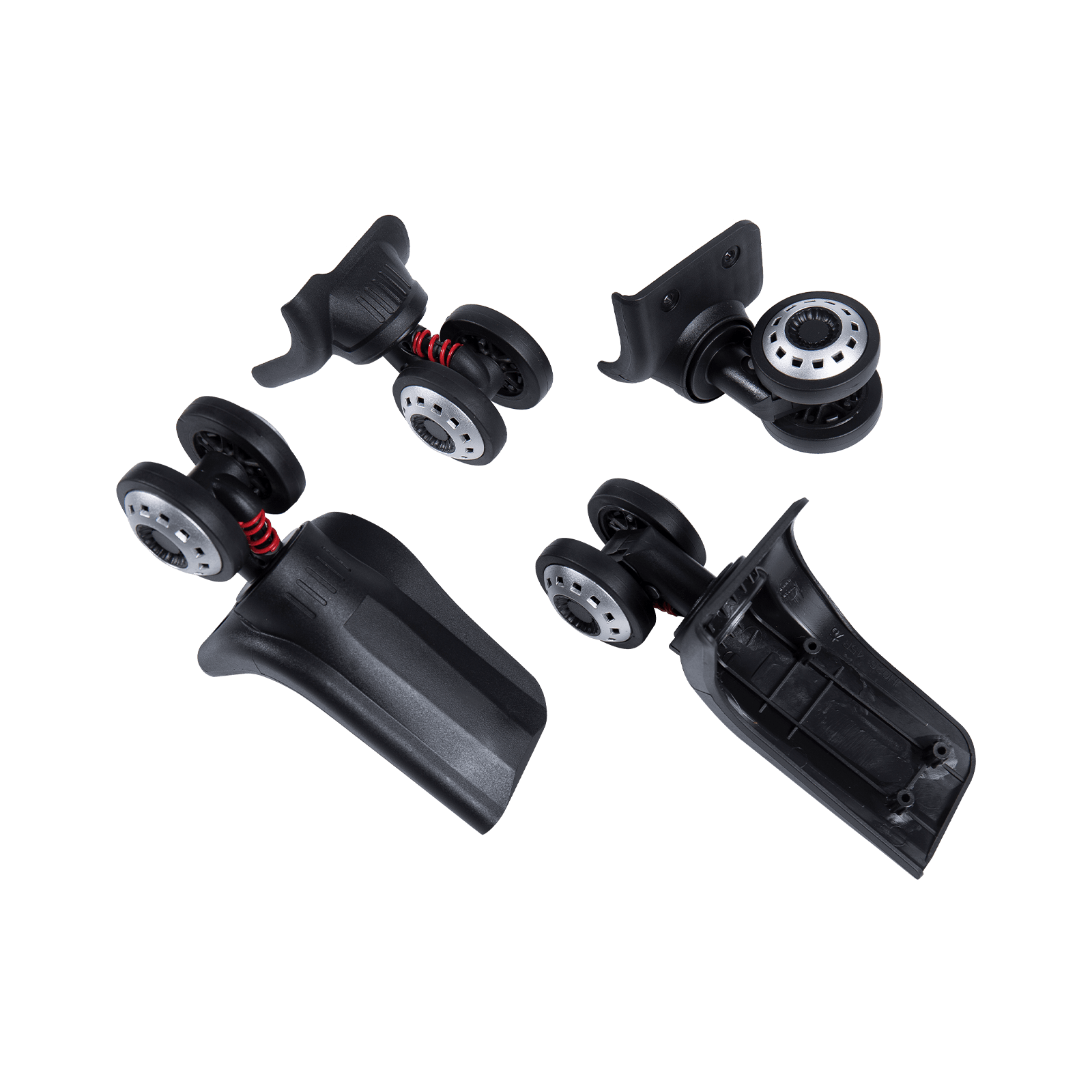
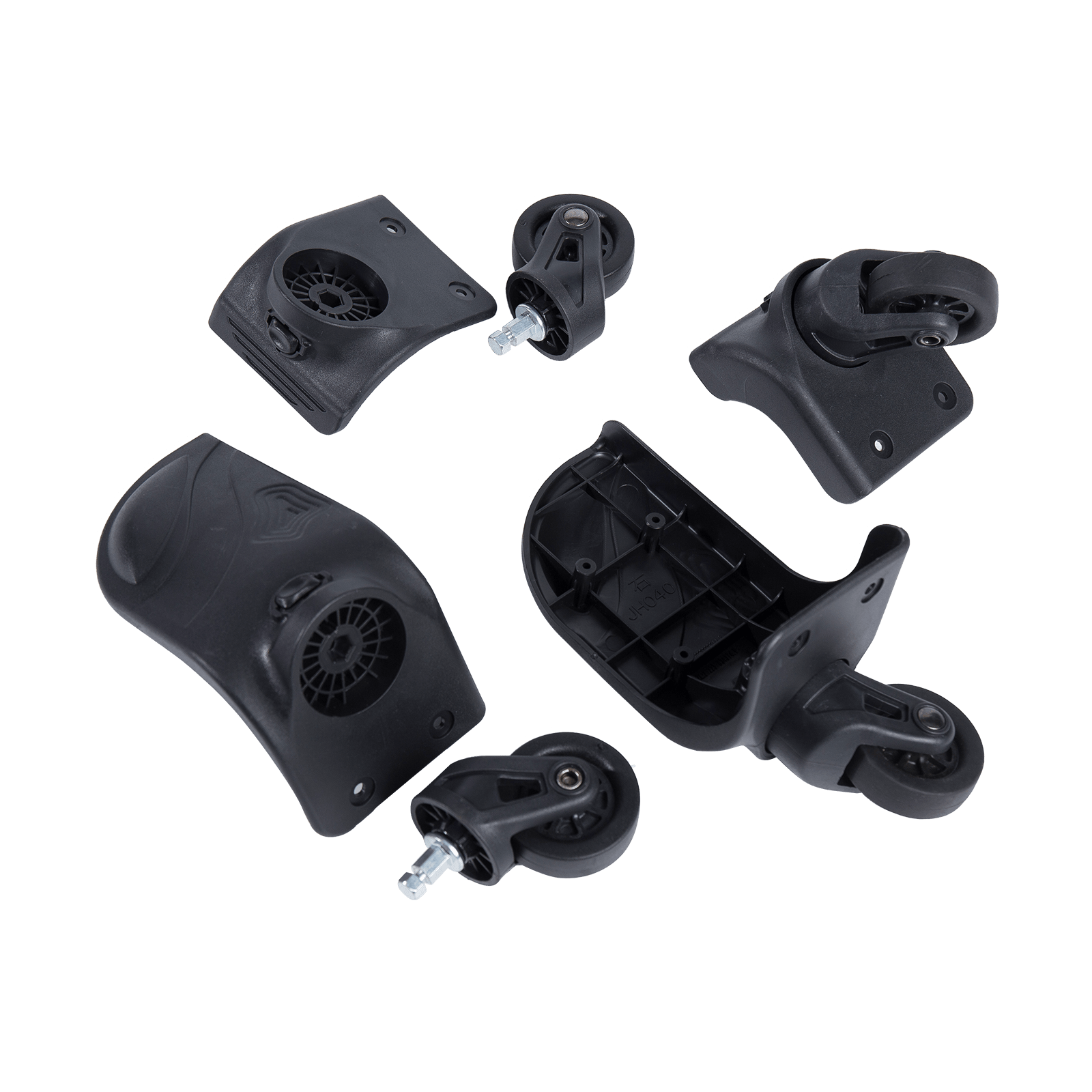
Luggage wheels play a critical role in the mobility and convenience of modern travel bags. A high-quality wheel reduces strain on the user, provides smoother rolling, and increases the lifespan of the suitcase. Selecting the right material and design for luggage wheels ensures better performance, especially when frequently traveling through airports, train stations, and uneven surfaces.
Types of Luggage Wheel Materials
Luggage wheels are commonly made from three main types of materials: PP (Polypropylene), PU (Polyurethane), and TPE (Thermoplastic Elastomer). Each material has distinct characteristics, benefits, and drawbacks. Understanding these differences is essential for selecting wheels suitable for your travel style and needs.
PP Plastic Wheel Shell
PP plastic wheels are widely used due to their affordability and lightweight nature. Polypropylene provides a rigid and durable shell that can withstand moderate impact. PP wheels are often seen in economy or mid-range luggage due to their cost-effectiveness. They are hard, which makes them durable on smooth surfaces, but they may produce more noise and offer less shock absorption on rough terrain.
PU (Polyurethane) Wheels
PU wheels are made of polyurethane, which offers a balance between rigidity and elasticity. They are softer than PP, providing better shock absorption and quieter rolling. PU wheels are generally more comfortable for handling luggage over uneven surfaces and can reduce vibration. However, they tend to wear faster than PP wheels and may be more expensive.
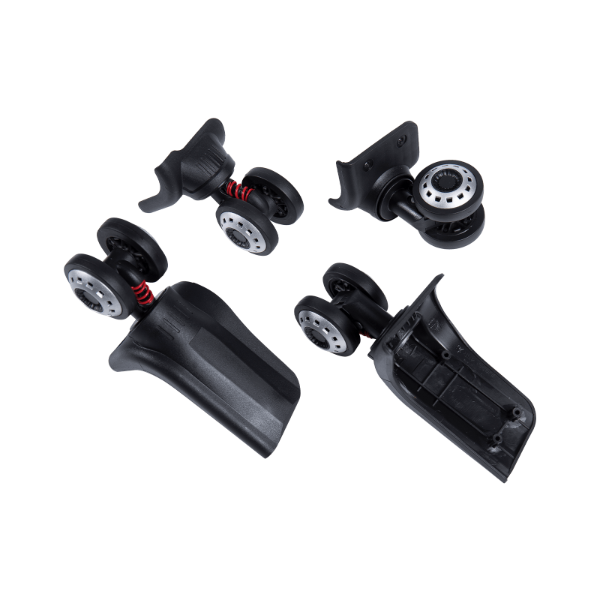
TPE (Thermoplastic Elastomer) Wheels
TPE wheels combine the flexibility of rubber with the durability of plastics. They provide excellent grip, smooth rolling, and reduced noise, making them ideal for frequent travelers who encounter varied surfaces. TPE wheels also absorb shocks well, reducing strain on both the luggage and user. They can be slightly heavier and more costly than PP and PU wheels, but their performance often justifies the investment.
Performance Comparison of PP, PU, and TPE Wheels
To understand which wheel material is best for your luggage, it is helpful to compare their key performance aspects, including durability, noise, smoothness, and resistance to wear.
| Feature | PP Wheel | PU Wheel | TPE Wheel |
| Durability | High, rigid shell | Moderate, wears faster | High, flexible |
| Rolling Smoothness | Moderate on rough surfaces | Good, absorbs shocks | Excellent, quiet |
| Noise Level | High, harder surface | Low | Very Low, soft rolling |
| Cost | Low | Moderate | High |
| Weight | Light | Moderate | Moderate to heavy |
Key Factors to Consider When Choosing Luggage Wheels
Selecting the right luggage wheels depends on travel style, luggage weight, and surface types you encounter most frequently. The following factors help determine which material is best suited for your needs.
Travel Frequency and Terrain
Frequent travelers who navigate airports, streets, and rough terrains benefit from wheels that offer smooth rolling and shock absorption. TPE and PU wheels are preferred for versatility, while PP wheels are more suitable for light, occasional travel over smooth surfaces.
Weight and Luggage Size
Heavier luggage may require more durable wheels. PP wheels are rigid and handle static weight well, but may lack shock absorption. PU and TPE wheels can handle medium to heavy loads while providing a smoother rolling experience and reduced impact stress on luggage handles.
Noise and Comfort
Noise can be an important consideration, especially in airports or hotel corridors. Hard PP wheels generate more noise, while PU and TPE wheels roll quietly. For frequent travelers, choosing quieter wheels enhances comfort and reduces stress during long transit.
Durability and Maintenance
All wheels will wear over time, but PP wheels are highly resistant to abrasion and impact. PU wheels may require occasional cleaning to prevent surface wear, while TPE wheels provide excellent long-term performance with minimal maintenance. Proper installation and avoiding sharp obstacles can extend wheel life.
Practical Tips for Choosing the Right Wheel Material
- Assess your travel frequency and preferred luggage weight.
- Consider the most common surfaces you roll your luggage on — smooth floors vs rough pavements.
- Choose TPE wheels for quiet, smooth, and versatile performance.
- Choose PU wheels for a balance of shock absorption and cost-effectiveness.
- Choose PP wheels for budget luggage or light-duty travel.
- Check wheel diameter and bearing quality — larger wheels with high-quality bearings roll more smoothly and last longer.
- Look for sealed bearings to prevent dust and debris from reducing wheel lifespan.
- Consider the luggage’s overall design and compatibility with wheel type.
- Test wheel mobility if possible before purchase.
Conclusion: Choosing the Best Luggage Wheel
The right luggage wheel depends on travel habits, terrain, weight, and desired comfort. PP wheels are durable and cost-effective, PU wheels provide smoother travel with moderate cost, and TPE wheels offer the best performance for frequent travelers seeking quiet, smooth, and shock-absorbing mobility. Evaluating your specific needs ensures that your luggage remains functional, durable, and comfortable to use during your journeys.