

 Español
Content
- 1 What Is a Plastic Luggage Handle and Why Does It Matter?
- 2 What Are the Different Types of Plastic Luggage Handles?
- 3 Why Do Plastic Luggage Handles Break?
- 4 How to Assess Handle Damage Before It Becomes a Problem
- 5 Can You Repair a Broken Plastic Luggage Handle?
- 6 What to Look for When Buying Luggage With Quality Plastic Handles
- 7 How to Extend the Life of Your Plastic Luggage Handle
- 8 When Is It Time to Replace the Entire Bag Instead of Just the Handle?
What Is a Plastic Luggage Handle and Why Does It Matter?
A plastic luggage handle is one of the most frequently used — and most frequently overlooked — components of any suitcase or travel bag. Every time you pick up your luggage, drag it off a conveyor belt, or toss it into an overhead bin, that handle takes the full force of the load. Despite being made from engineered polymers designed for strength and flexibility, plastic handles are subject to significant mechanical stress over time. Understanding what they are, how they work, and what makes them fail can help you make smarter decisions about your travel gear.
Plastic handles are typically injection-molded from materials such as ABS (Acrylonitrile Butadiene Styrene), polypropylene, or glass-filled nylon. These materials offer a balance of rigidity, impact resistance, and light weight — all critical properties for luggage that needs to endure repeated abuse across airports, hotels, and cargo holds. The handle is usually attached to the bag via metal rivets, screws, or integrated anchor points molded directly into the luggage shell.
What Are the Different Types of Plastic Luggage Handles?
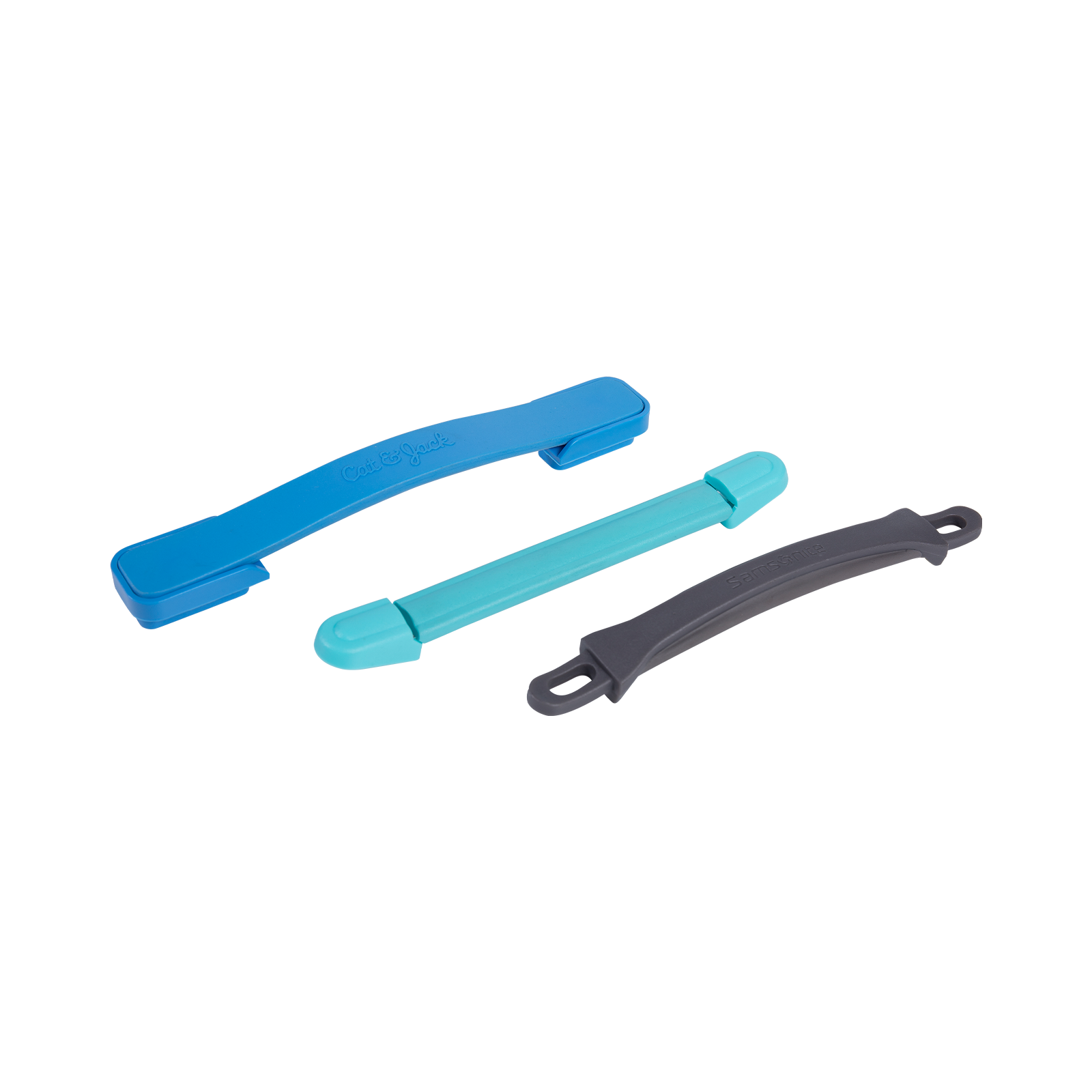
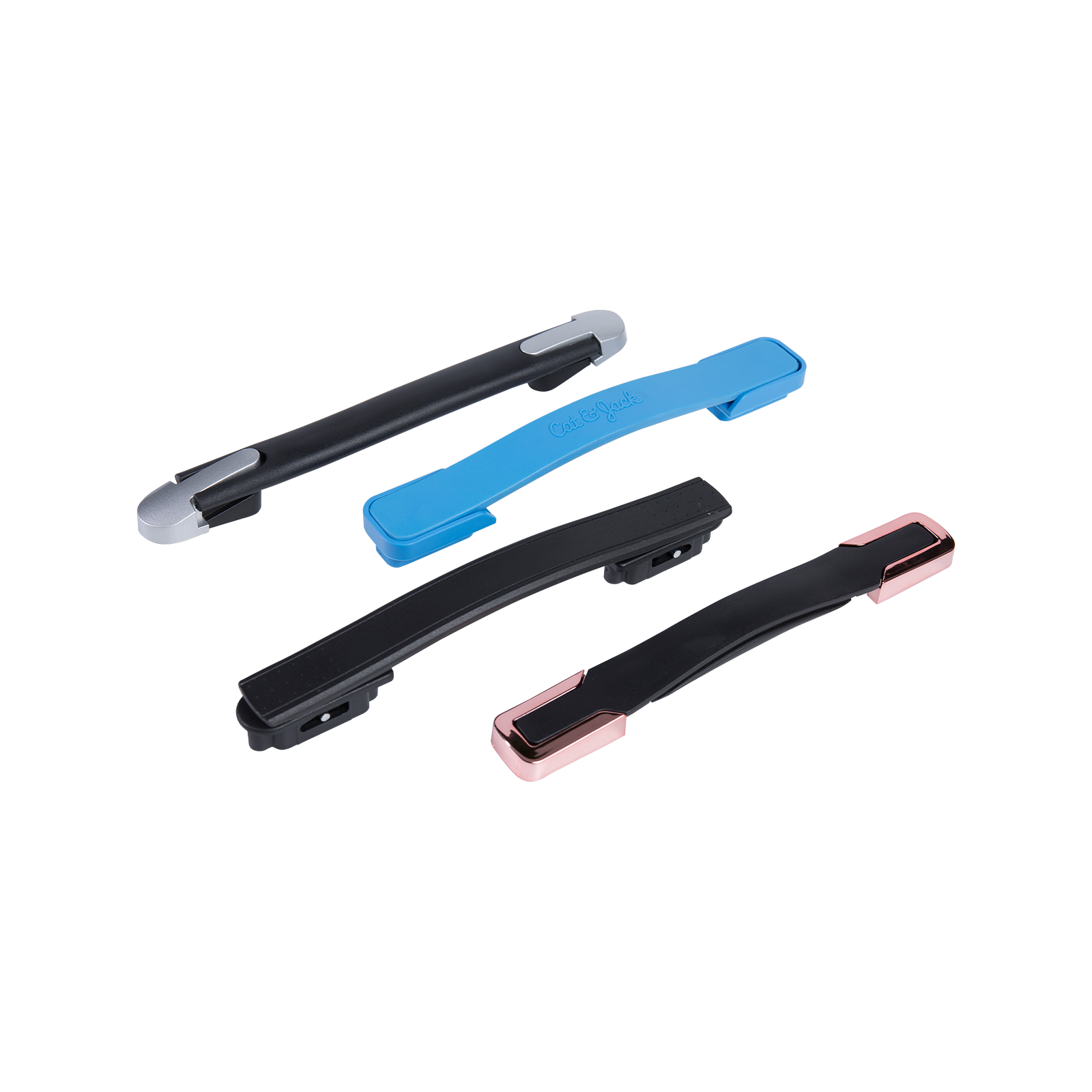
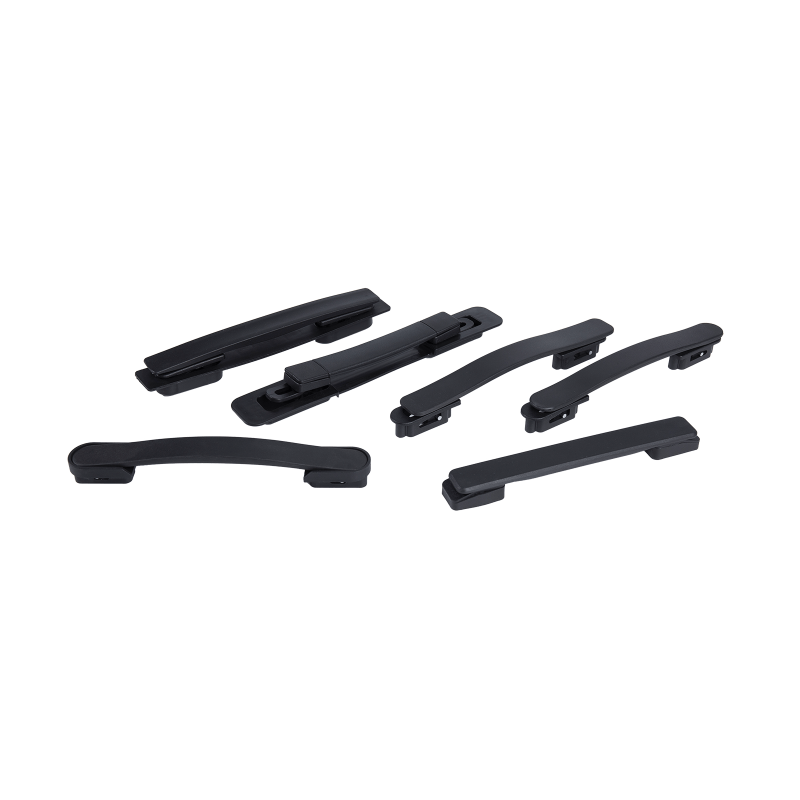
Not all plastic luggage handles are built the same way. Depending on the design and function of the bag, you'll encounter several distinct types. Each comes with its own set of advantages, failure points, and replacement considerations.
Top Carry Handles
These are the short handles mounted at the top of a suitcase, used for lifting the bag onto shelves or scales. They are usually a simple loop or bar design, often wrapped in fabric or rubber over a plastic core. Top handles endure significant vertical stress and are among the most commonly broken handle types on hard-shell luggage.
Side Grab Handles
Mounted on the side of the bag, these handles allow you to carry the luggage horizontally — useful when maneuvering in tight spaces or placing the bag flat. They typically have a flatter, more recessed design to avoid snagging on conveyor belts.
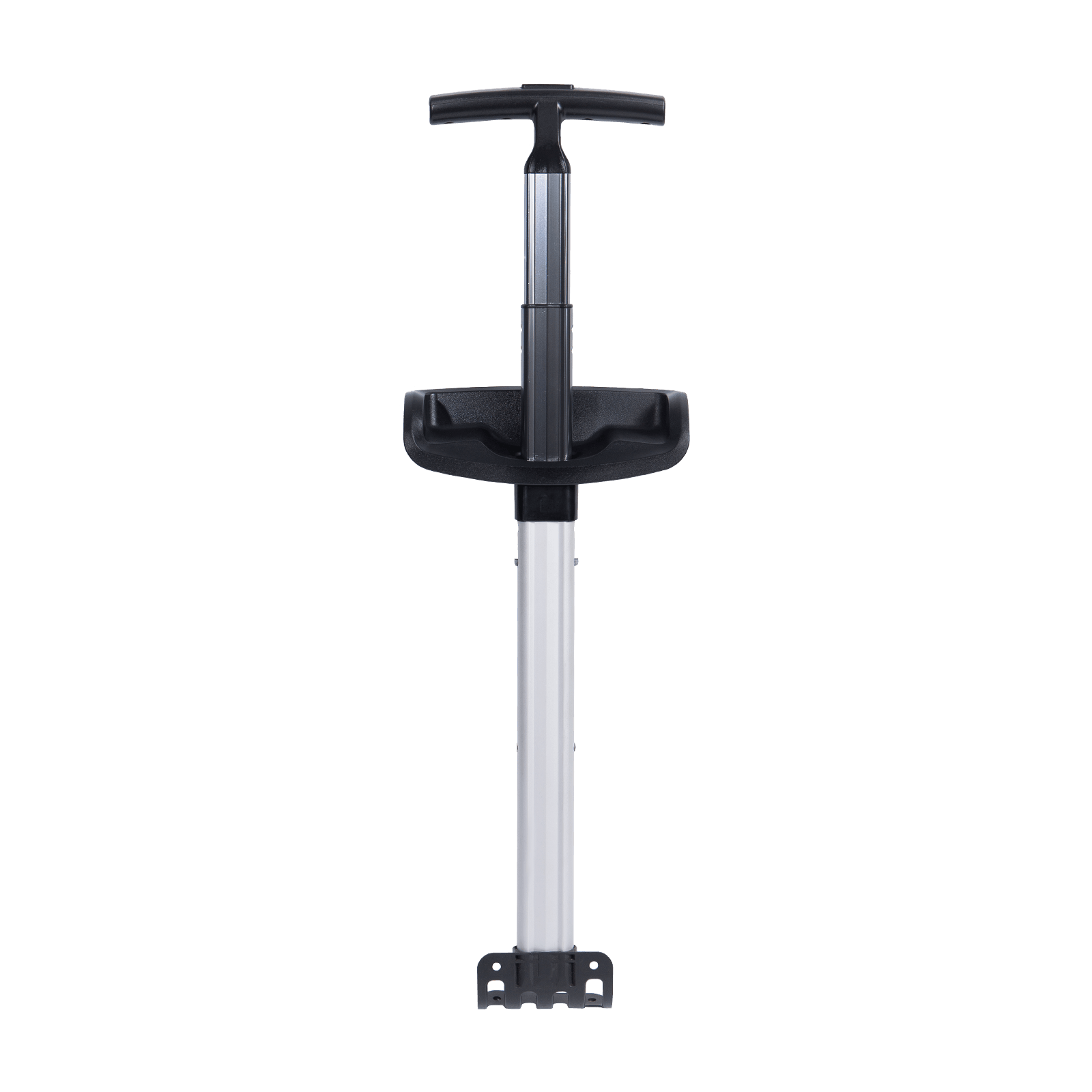
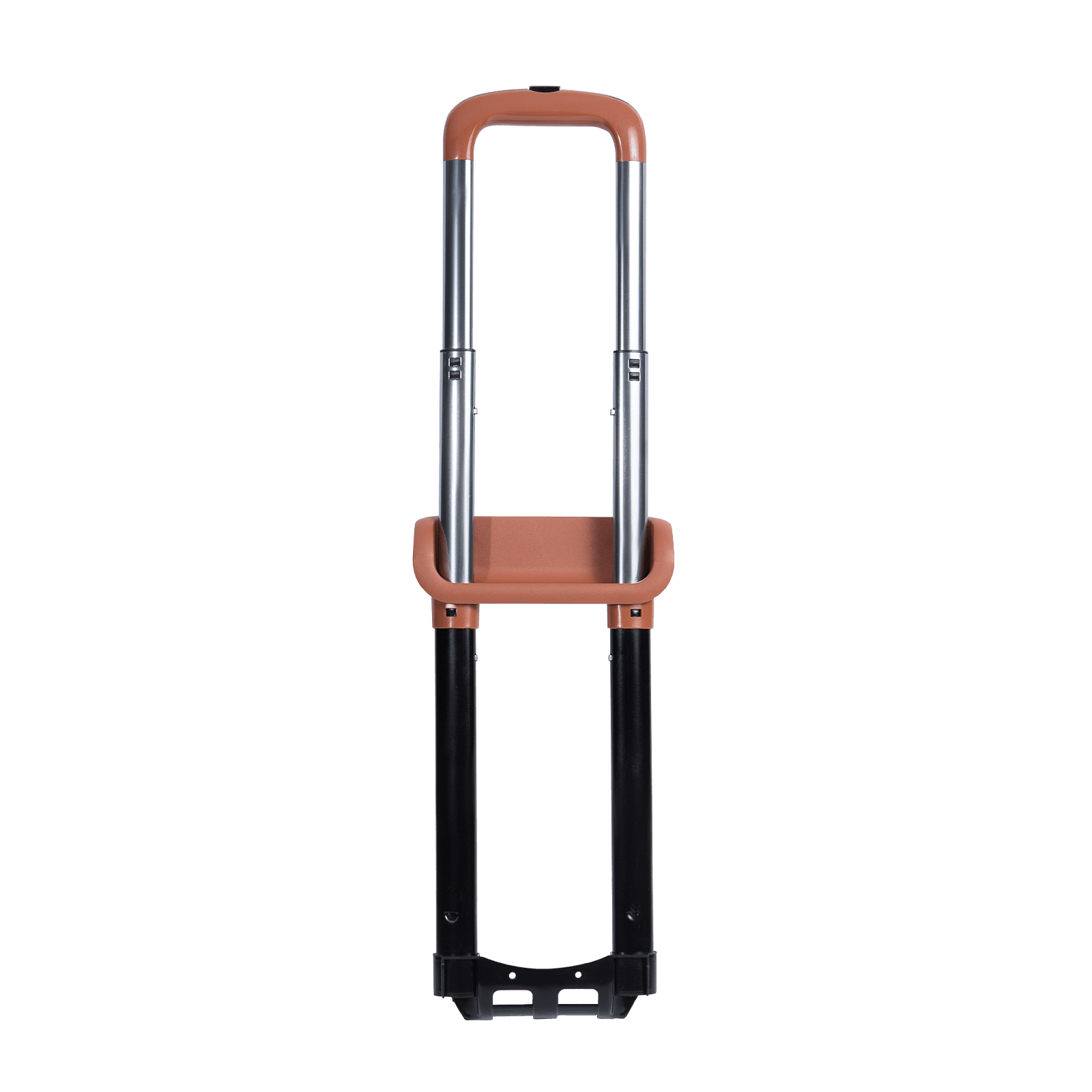
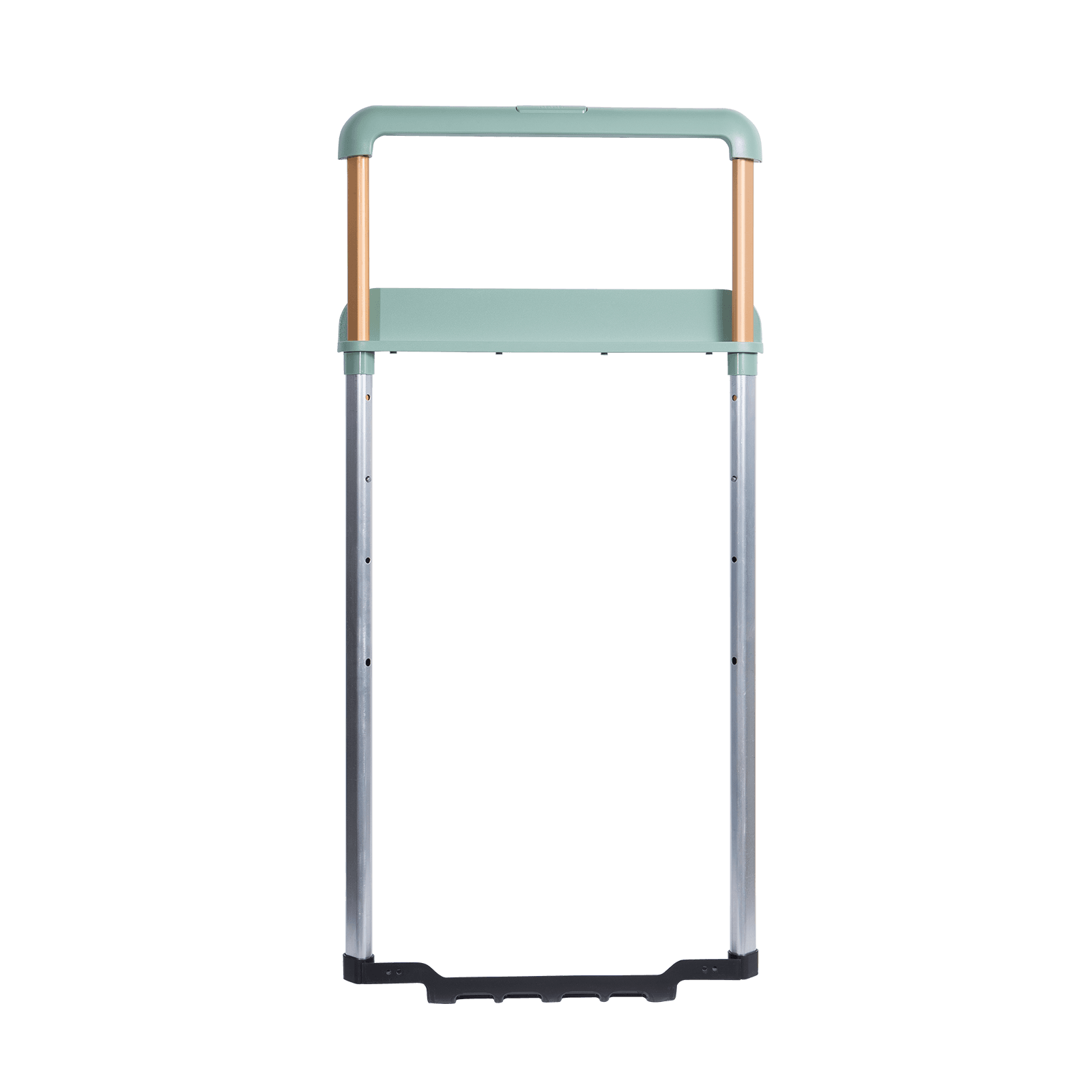
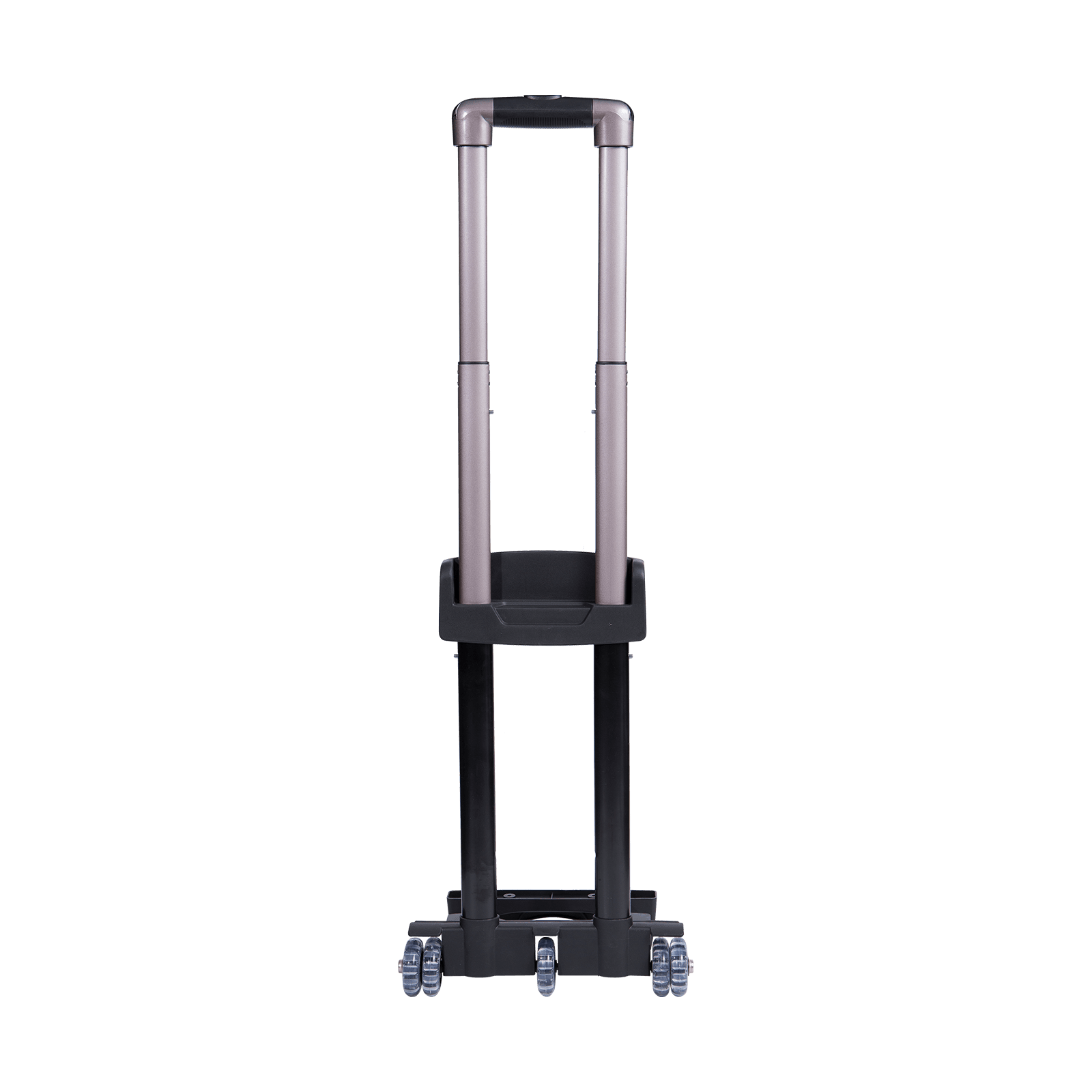
Telescoping Handle Housings
While the telescoping rod itself is usually aluminum, the housing, grip, and release button are often constructed from durable plastic. These components experience constant use and can crack, strip, or jam over time. Replacing just the plastic components is often more cost-effective than replacing the entire telescoping assembly.
Integrated Shell Handles
Some hard-shell suitcases feature handles that are molded directly into the shell design. While these look sleek and are very strong when new, they are the hardest to repair if the shell cracks near the handle area, sometimes requiring a full panel replacement.
Why Do Plastic Luggage Handles Break?
Understanding the root causes of handle failure helps you both choose better luggage and extend the life of what you already own. Handle breakage is rarely random — it usually results from one or more predictable stress factors.
- Overloading: Exceeding the bag's recommended weight limit puts extreme stress on attachment points, causing cracks or complete detachment.
- Impact damage: Baggage handlers tossing luggage, hard landings, and rough conveyor systems expose handles to sudden shock loads they were not engineered for.
- UV and temperature degradation: Prolonged exposure to sunlight and extreme temperatures causes certain plastics to become brittle, significantly reducing their impact resistance.
- Material fatigue: Repeated bending and flexing over thousands of uses can cause micro-fractures that eventually propagate into full breaks, even without any single dramatic event.
- Poor manufacturing quality: Budget luggage often uses thin-walled or low-grade plastic in handles, which saves cost but dramatically shortens service life.
How to Assess Handle Damage Before It Becomes a Problem
Proactive inspection is the simplest way to avoid a handle failure at the worst possible moment — like lifting an overpacked bag onto an airport scale. Before and after each trip, give your luggage handles a quick structural check using the following approach.
First, visually inspect the plastic for any surface cracks, discoloration, or whitening near stress points. Whitening in plastic typically signals internal stress fractures. Then, flex the handle gently in multiple directions. Any creaking, give, or resistance where there should be none is a red flag. Finally, tug firmly at the attachment points where the handle meets the bag body. Loose rivets or screws are an early warning sign of imminent failure.
Can You Repair a Broken Plastic Luggage Handle?
The answer depends on the type and extent of the damage. Minor cracks can sometimes be repaired temporarily with heavy-duty adhesives like epoxy or plastic welding compounds. However, these are rarely permanent solutions for load-bearing handles — the repaired area will almost always be weaker than the original material.
For more meaningful repairs, replacement is the better path. Many luggage manufacturers sell spare parts, and a large aftermarket of universal replacement handles exists for common bag sizes. Most top handles attach with two to four screws or rivets that can be removed with basic tools. Here is a quick comparison of repair approaches:
| Repair Method | Best For | Durability | Cost |
| Epoxy adhesive | Small surface cracks | Low–Medium | Very low |
| Plastic weld repair | Structural cracks | Medium | Low |
| OEM handle replacement | Full handle failure | High | Medium |
| Universal aftermarket handle | Full handle failure | Medium–High | Low–Medium |
| Professional luggage repair | Complex or integrated handles | High | Medium–High |
What to Look for When Buying Luggage With Quality Plastic Handles
If you are shopping for new luggage or a replacement handle component, the quality of the plastic and the attachment method are the two most important factors to evaluate. Unfortunately, most product listings provide little technical detail about handle materials, so you need to know what indirect signals to look for.
- Handle thickness: Grip a physical sample if possible. Thin, hollow-feeling handles signal cost-cutting. A quality handle feels solid and has noticeable wall thickness.
- Attachment hardware: Handles secured with metal screws or rivets are significantly more reliable than those glued or clipped into place. Check the underside of attachment points for visible hardware.
- Rubber or TPR overmolding: A soft rubber layer over the plastic core improves grip comfort and also adds a buffer against shock transmission, reducing stress fractures over time.
- Brand warranty coverage: Premium brands like Samsonite, Rimowa, and Tumi typically cover handle defects under their warranties. This reflects both manufacturing confidence and better baseline material quality.
- Weight rating transparency: Manufacturers that publish weight load ratings for their luggage tend to engineer handles more rigorously. Avoid brands that provide no weight guidance at all.
How to Extend the Life of Your Plastic Luggage Handle
Even the highest-quality plastic handle will fail prematurely if not treated with reasonable care. A few consistent habits can significantly extend service life and help you avoid the frustration of a broken handle mid-trip.
Always pack within the bag's rated weight limit, and distribute weight as evenly as possible so no single handle point carries a disproportionate load. When lifting, use the handle designed for vertical loads — the top carry handle — rather than improvising with a side grab handle for heavy overhead lifts. Store your luggage away from direct sunlight and extreme heat, particularly if you live in a hot climate; UV exposure is one of the fastest ways to degrade polymer components.
Clean handles periodically with a mild soap and water solution. Avoid harsh chemical cleaners or solvents, which can weaken certain plastics at the molecular level even when the surface looks unaffected. If you notice the first signs of cracking or loosening, address them immediately — a small repair now is always cheaper and easier than a complete replacement later.
When Is It Time to Replace the Entire Bag Instead of Just the Handle?
Sometimes, a broken plastic luggage handle is not an isolated problem but a symptom of a bag that has simply reached the end of its useful life. If the handle attachment point itself has cracked or delaminated from the shell, a replacement handle alone will not solve the problem — the structural integrity of the bag has been compromised. Similarly, if you find yourself repairing multiple components — wheels, zippers, and handles — within a short period, the economics of continued repair rarely make sense compared to investing in a new, quality bag.
As a general guideline, if the cost of a repair exceeds 30–40% of the replacement value of the bag, replacement is the smarter financial decision. Factor in your travel frequency as well. Frequent travelers who take six or more trips per year will benefit far more from investing in a premium bag with robust plastic handle components than from repeatedly patching a budget suitcase.
Plastic luggage handles may seem like minor components, but their quality has a direct impact on every journey you take. Knowing how to evaluate, maintain, and repair them puts you in control of your travel gear — and helps ensure your luggage lasts as long as you need it to.